Americans applied for fewer unemployment benefits at the end of 2019, the Labor Department announced Thursday. The number dropped by 2,000 to 222,000 in the seven days up until December 28, although the four-week average ticked up by 4,750 to 233,250.
The report beat expectations that had predicted 225,000 new claims, according to Reuters. The result marks the third consecutive weekly decline.
“I think we’re definitely going to see slightly smaller growth month by month than what we saw in 2019 and that’s consistent with economists expectations’ of the macroeconomy weakening slightly,” in the labor market, Beth Akers, Manhattan Institute senior fellow, told Cheddar.
She will be keeping an eye on manufacturing trends and changes in policy regarding trade for indications about how job numbers will grow (or shrink) in 2020.
“If you’re looking to something to be concerned about, you can look at the four-week moving average, which is up from what it’s been over the course of the year,” Akers said. “But, by and large, these are really strong, positive numbers for the labor market.”
U.S. wholesale prices fell last month, a sign that inflationary pressures in the economy are easing more than a year after the Federal Reserve began aggressively raising interest rates.
It's time for Stretching Your Dollar, a regular segment where Cheddar News gives you tangible tips for how to make the most of your money. Today's topic: tips for getting student financial aid.
U.S. consumer inflation eased in March, with less expensive gas and food providing some relief to households that have struggled under the weight of surging prices.
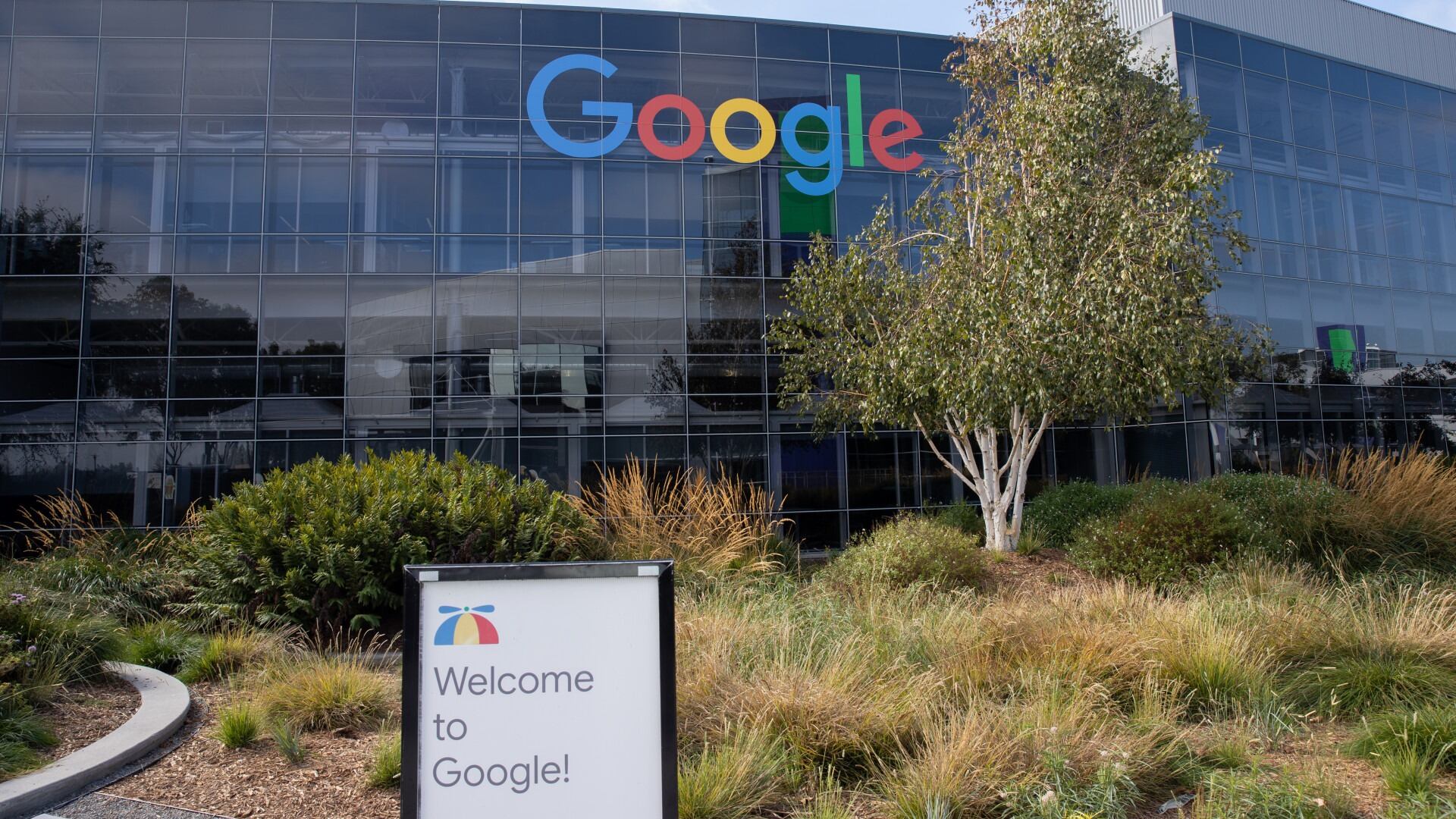
Tech giant Google on Tuesday dropped its mandatory global vaccine requirements to enter its buildings, saying "the world is in a very different place."