Americans applied for fewer unemployment benefits at the end of 2019, the Labor Department announced Thursday. The number dropped by 2,000 to 222,000 in the seven days up until December 28, although the four-week average ticked up by 4,750 to 233,250.
The report beat expectations that had predicted 225,000 new claims, according to Reuters. The result marks the third consecutive weekly decline.
“I think we’re definitely going to see slightly smaller growth month by month than what we saw in 2019 and that’s consistent with economists expectations’ of the macroeconomy weakening slightly,” in the labor market, Beth Akers, Manhattan Institute senior fellow, told Cheddar.
She will be keeping an eye on manufacturing trends and changes in policy regarding trade for indications about how job numbers will grow (or shrink) in 2020.
“If you’re looking to something to be concerned about, you can look at the four-week moving average, which is up from what it’s been over the course of the year,” Akers said. “But, by and large, these are really strong, positive numbers for the labor market.”
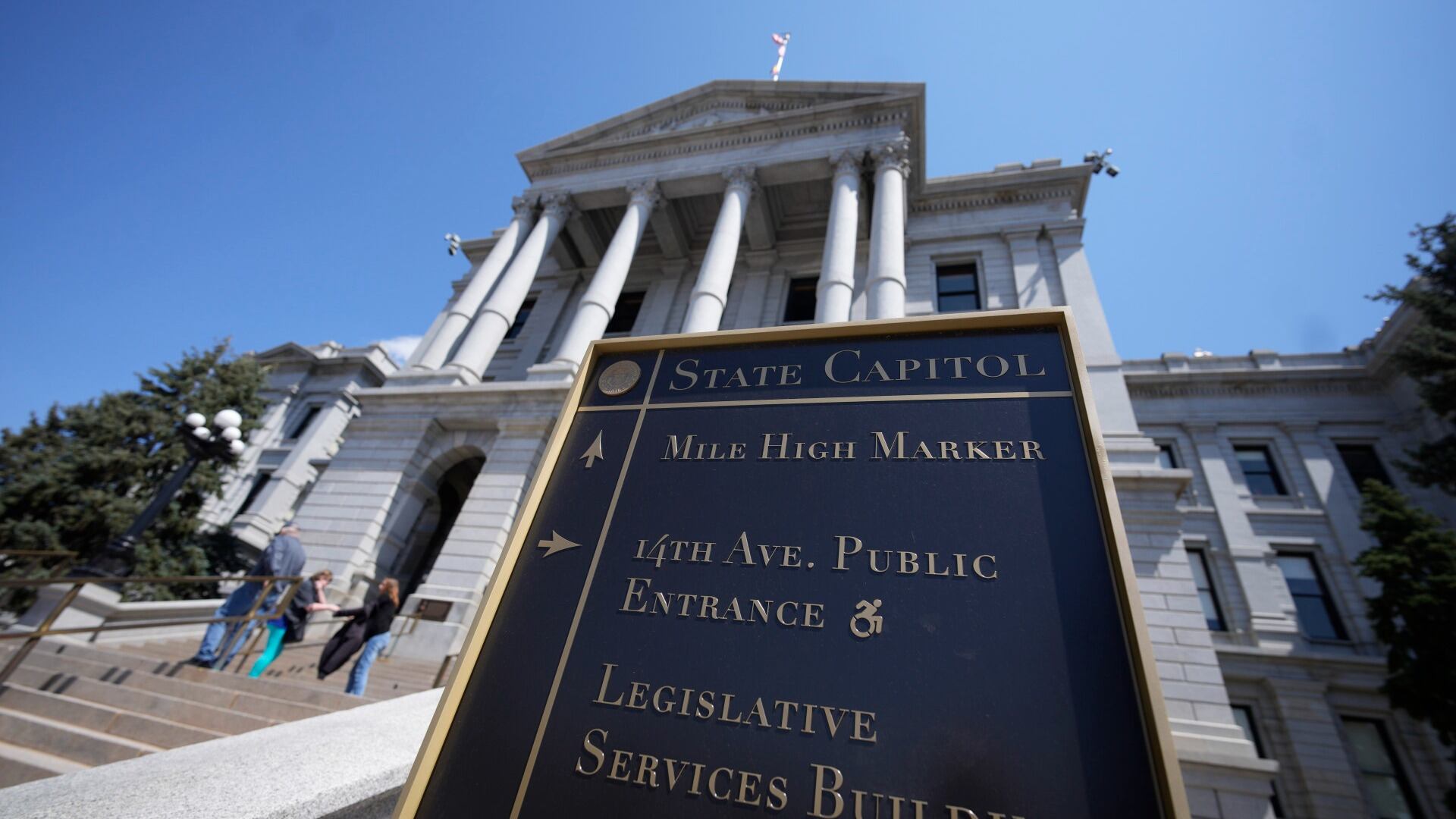
Colorado is set to become the first state to sign a ‘right to repair’ law allowing farmers to fix their own equipment with a bill signing Tuesday afternoon by Democratic Gov. Jared Polis.
Cheddar News' Courtney Sturgeon reports live from the options trading floor to break down the busy earnings week ahead for big tech, and the launch of Cboe's 1-Day Volatility Index (VIX1D).
Haley Sacks, founder and CEO of Finance Is Cool, joined Cheddar News to provide tips on when hiring a financial planner is needed. "They will help you figure out exactly how to maximize your personal situation," she said. "They're going to think about your long-term plans, consider your goals and incorporate all of that into the structure that they create for you."