Americans applied for fewer unemployment benefits at the end of 2019, the Labor Department announced Thursday. The number dropped by 2,000 to 222,000 in the seven days up until December 28, although the four-week average ticked up by 4,750 to 233,250.
The report beat expectations that had predicted 225,000 new claims, according to Reuters. The result marks the third consecutive weekly decline.
“I think we’re definitely going to see slightly smaller growth month by month than what we saw in 2019 and that’s consistent with economists expectations’ of the macroeconomy weakening slightly,” in the labor market, Beth Akers, Manhattan Institute senior fellow, told Cheddar.
She will be keeping an eye on manufacturing trends and changes in policy regarding trade for indications about how job numbers will grow (or shrink) in 2020.
“If you’re looking to something to be concerned about, you can look at the four-week moving average, which is up from what it’s been over the course of the year,” Akers said. “But, by and large, these are really strong, positive numbers for the labor market.”
Uncertainty continues to pummel the banking industry, despite assurances from financial regulators and bankers such as Jamie Dimon this week that the worst of the recent crisis is over and the health of the banking system remains strong.
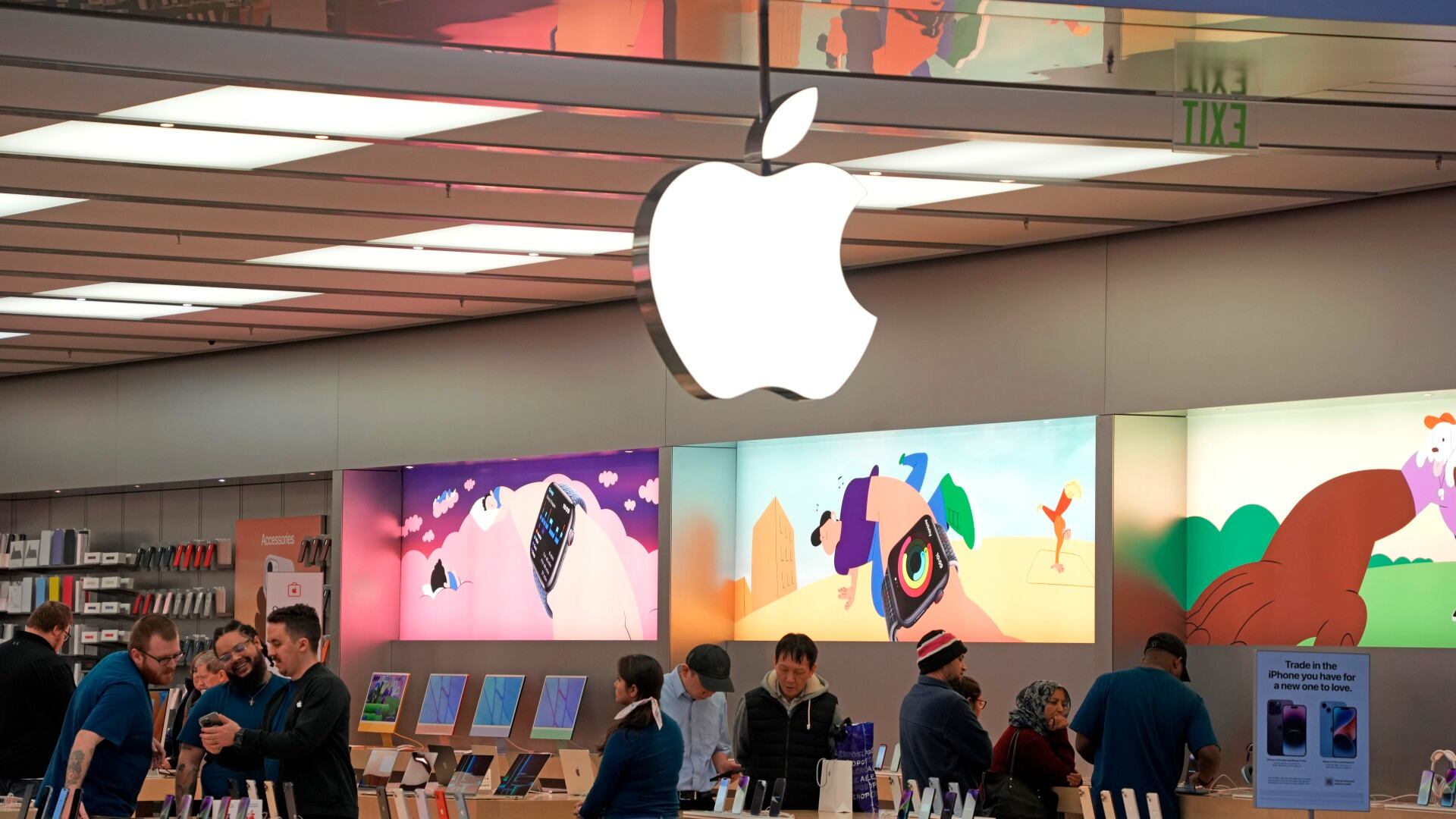
Apple is leading Wall Street toward its biggest rally in nearly four months Friday after the market's most influential company reported a better profit than feared.
Apple once again posted an, until now, rare revenue decline in its latest fiscal quarter, but said its overall business improved from the December quarter and sales of its iPhones were solid.
America’s employers added a healthy 253,000 jobs in April, evidence of a labor market that still shows surprising strength despite rising interest rates, chronically high inflation and a banking crisis that could weaken the economy.
Danny Taing, founder and CEO of Bokksu, joined Cheddar News to discuss his path on how he became an entrepreneur to launch a company that delivers artisanal Japanese snacks. "When I moved back from Japan to New York, I had this bit of reverse culture shock ... a lot of people had somewhat of a one-dimensional view of Japan ... they saw this country where people ate sushi every day ... none of that is true," he said.