Americans applied for fewer unemployment benefits at the end of 2019, the Labor Department announced Thursday. The number dropped by 2,000 to 222,000 in the seven days up until December 28, although the four-week average ticked up by 4,750 to 233,250.
The report beat expectations that had predicted 225,000 new claims, according to Reuters. The result marks the third consecutive weekly decline.
“I think we’re definitely going to see slightly smaller growth month by month than what we saw in 2019 and that’s consistent with economists expectations’ of the macroeconomy weakening slightly,” in the labor market, Beth Akers, Manhattan Institute senior fellow, told Cheddar.
She will be keeping an eye on manufacturing trends and changes in policy regarding trade for indications about how job numbers will grow (or shrink) in 2020.
“If you’re looking to something to be concerned about, you can look at the four-week moving average, which is up from what it’s been over the course of the year,” Akers said. “But, by and large, these are really strong, positive numbers for the labor market.”
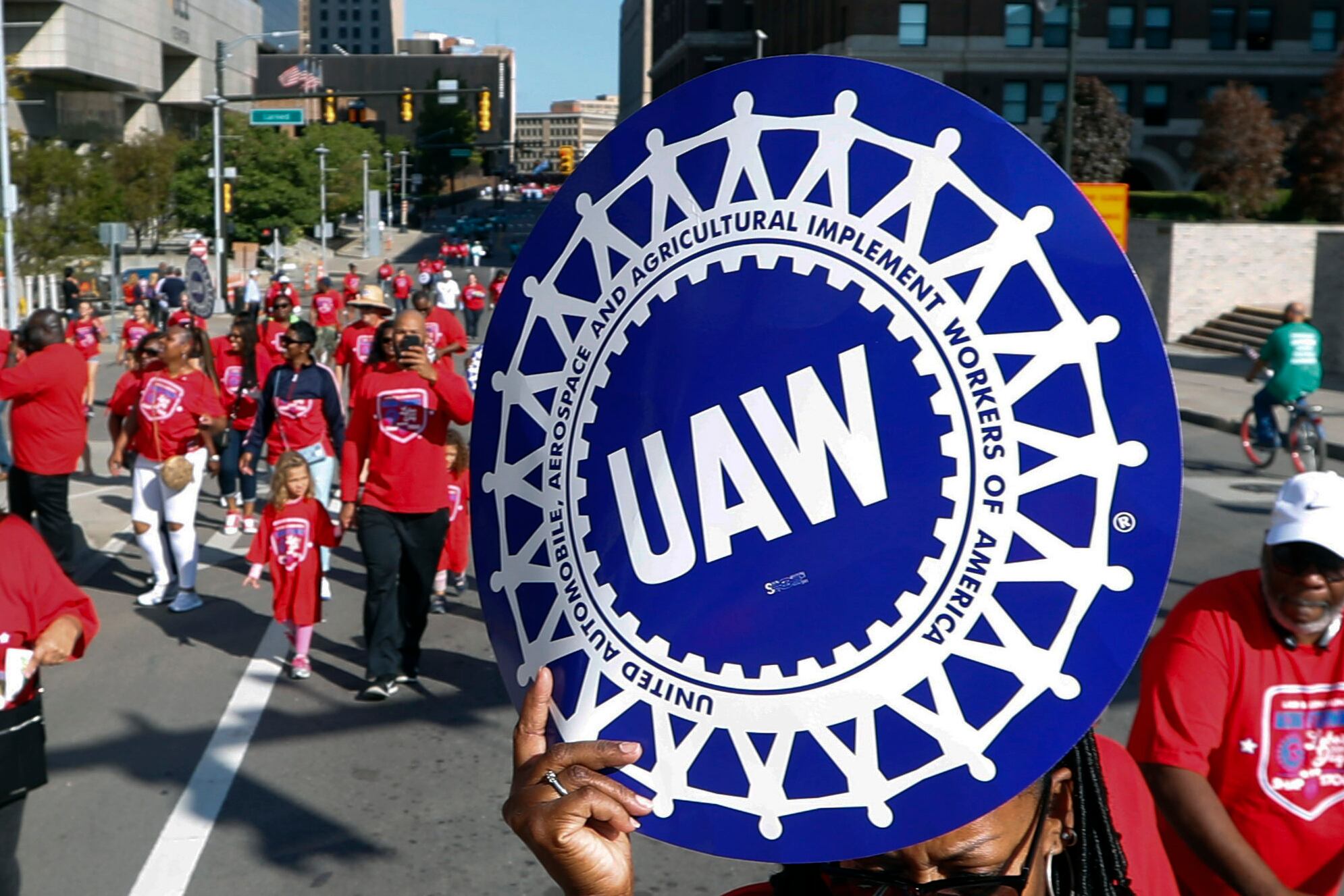
UAW president Shawn Fain said the union would strike at a small number of Ford, General Motors and Stellantis factories, but that if the Big Three "continue to give us insulting offers, then our strike is going to continue to grow."
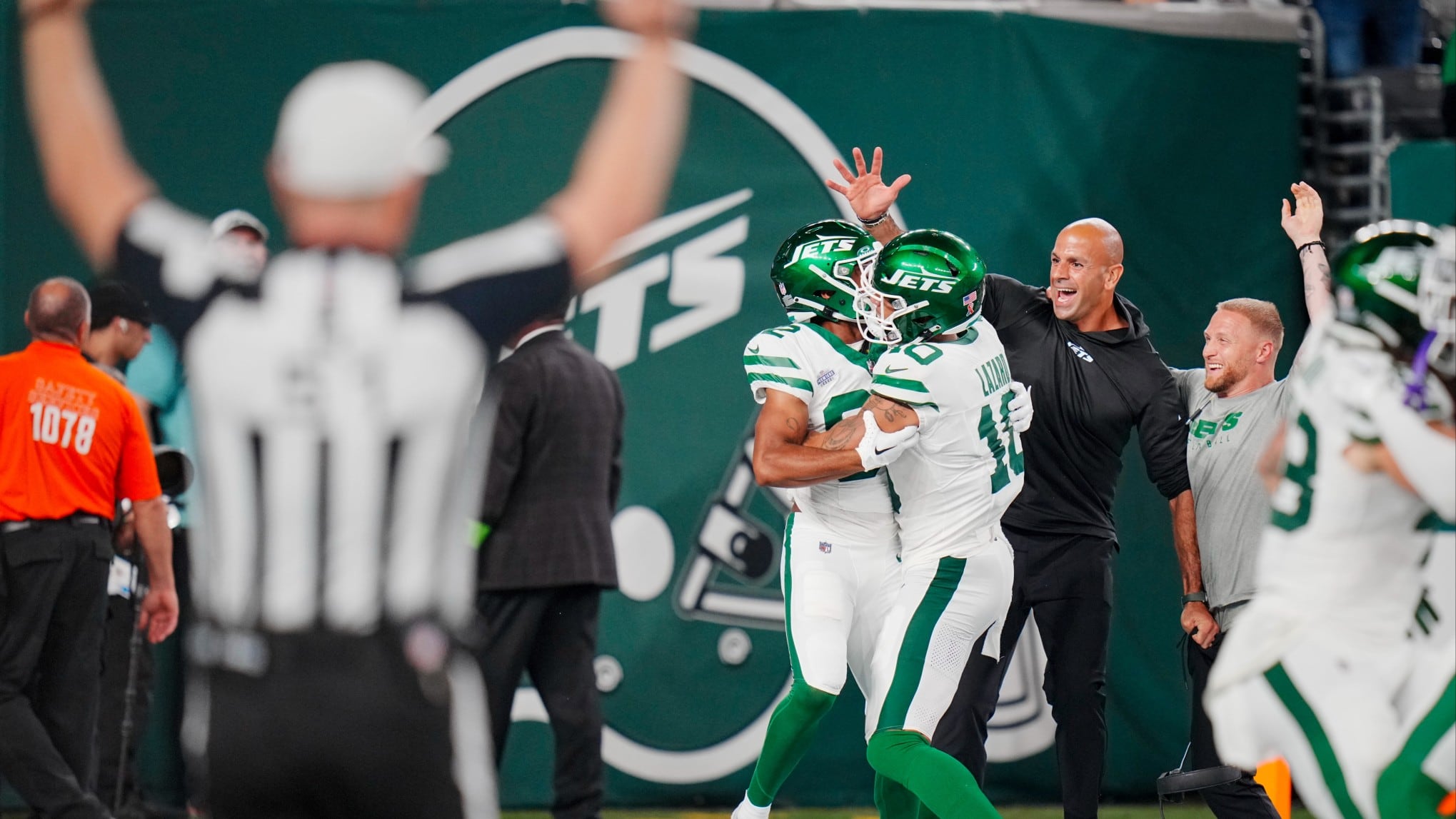
Hundreds of Milwaukee bar patrons who hoped to score free drinks through its offer to pay their tabs whenever the New York Jets, and former Green Bay Packers quarterback Aaron Rodgers, lose had to pay up after the Jets got an overtime win despite an injury that took Rodgers out of the game.
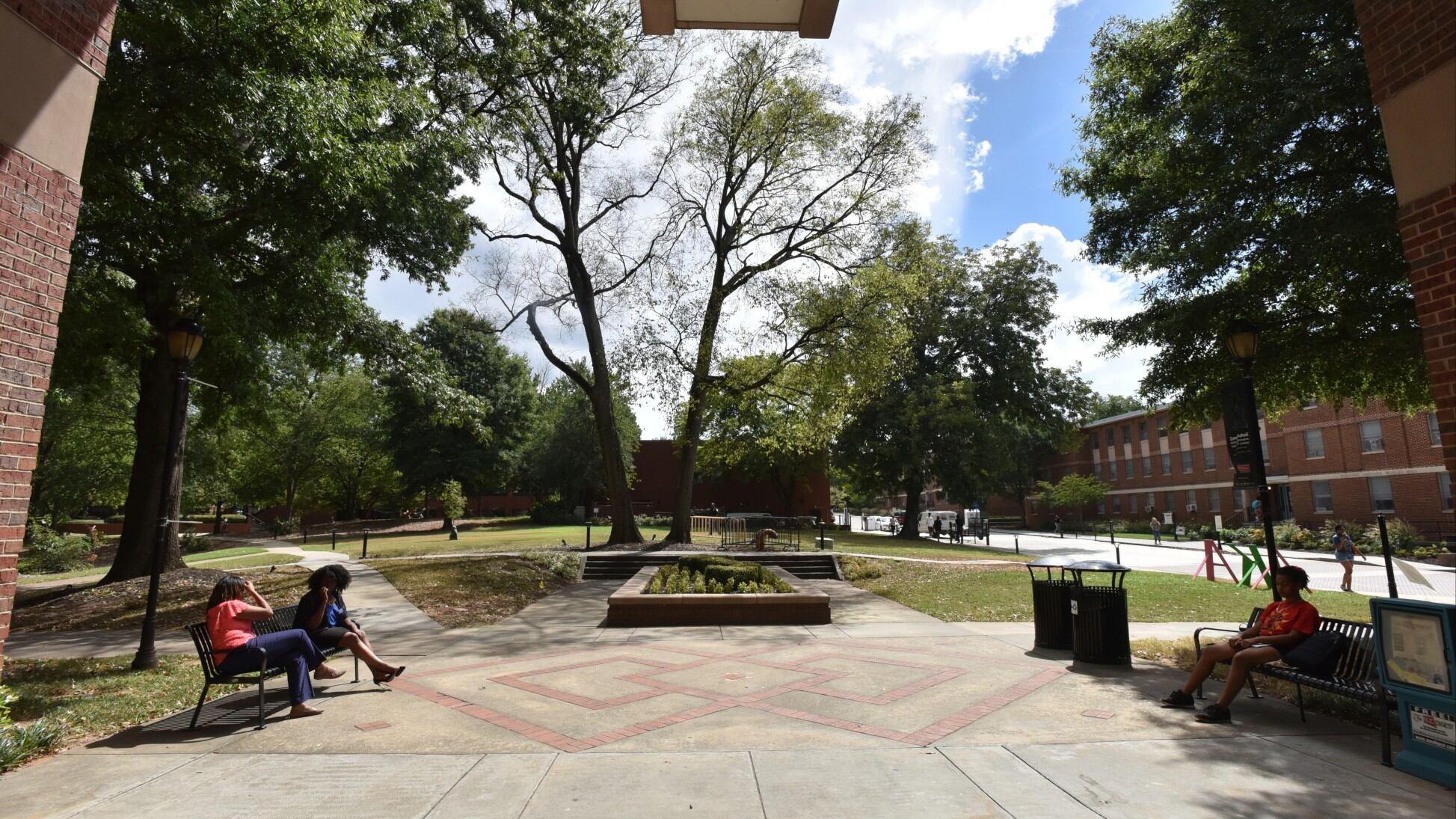
The HBCU Transformation Project, a coalition of 40 historically Black colleges and universities, on Wednesday announced a $124 million gift from philanthropic funders Blue Meridian Partners to increase enrollment, graduation rates and employment rates for the schools' graduates.