It’s been Immigration Week on Capitol Hill but now it’s time to move on. So what will drive headlines in the week ahead? Here’s a look at the Washington Week Ahead.
TECH HEARING: Leaders of major Silicon Valley companies like Facebook, Alphabet, and Twitter will be testifying in front of subcommittees of the House Energy and Commerce Committee about how their platforms are handling misinformation and disinformation. Spoiler: not well, according to lawmakers. Expect officials on both sides to criticize the platforms. Democrats will likely focus on the role of Google, Facebook, and Twitter in the January 6 insurrection and misinformation generally while Republicans will attempt to get to the root of what they see as anti-conservative bias.
BIDEN SPEAKS: President Joe Biden will take center stage to answer questions from journalists for the first time in his presidency. Biden has received a lot of criticism for not taking questions up to this point. The White House has pointed to COVID-19 restrictions as a major reason why, but after four years of frequent access to the U.S. president, reporters are hoping for more comments directly from the Commander-in-Chief.
FOR THE PEOPLE: The Senate will take up H.R. 1, the “For the People Act,” that passed the House of Representatives early in March. The comprehensive voting rights legislation would expand early voting, enact automatic voter registration and make Election Day a federal holiday. While the Senate is limited by the legislative filibuster, this will be the first time the bill will even be debated on that side of Capitol Hill.
INFRASTRUCTURE WEEK...NO, REALLY: It’s Infrastructure Week! No, really. Transportation Secretary Pete Buttigieg will be testifying in front of the House Transportation Committee to sell Biden’s infrastructure plan. The $2 trillion plan would make major investments in green energy and renewable technology while also updating that nation’s crumbling roads and bridges. But, Republicans are not sold on the hefty price tag, especially right after another nearly $2 trillion bill passed out of Congress: the American Rescue Plan Act.
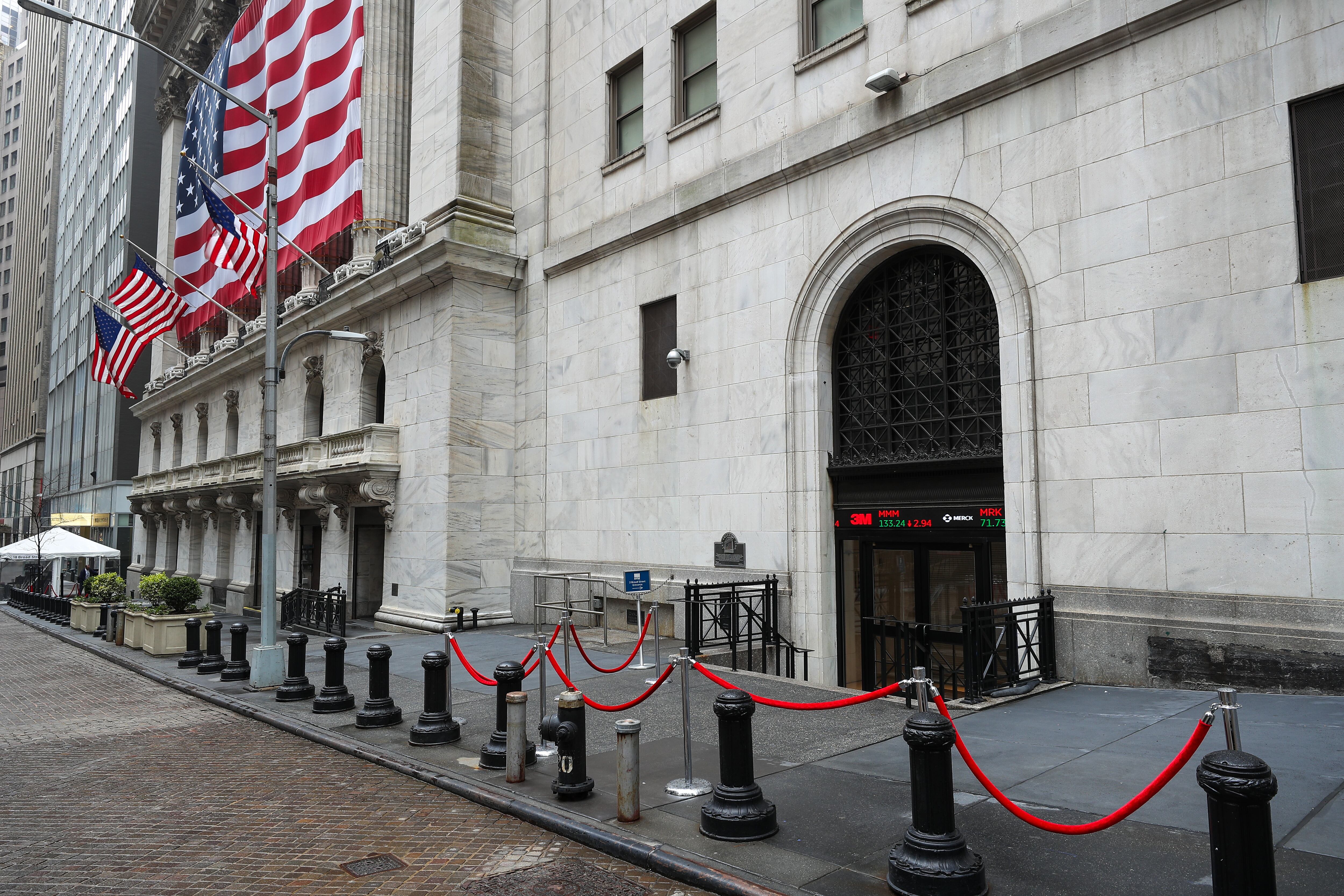
Stocks are inching higher on Wall Street Monday in more volatile trading as investors try to assess whether global authorities can do enough to nurse the economy through the damage caused by the coronavirus outbreak.
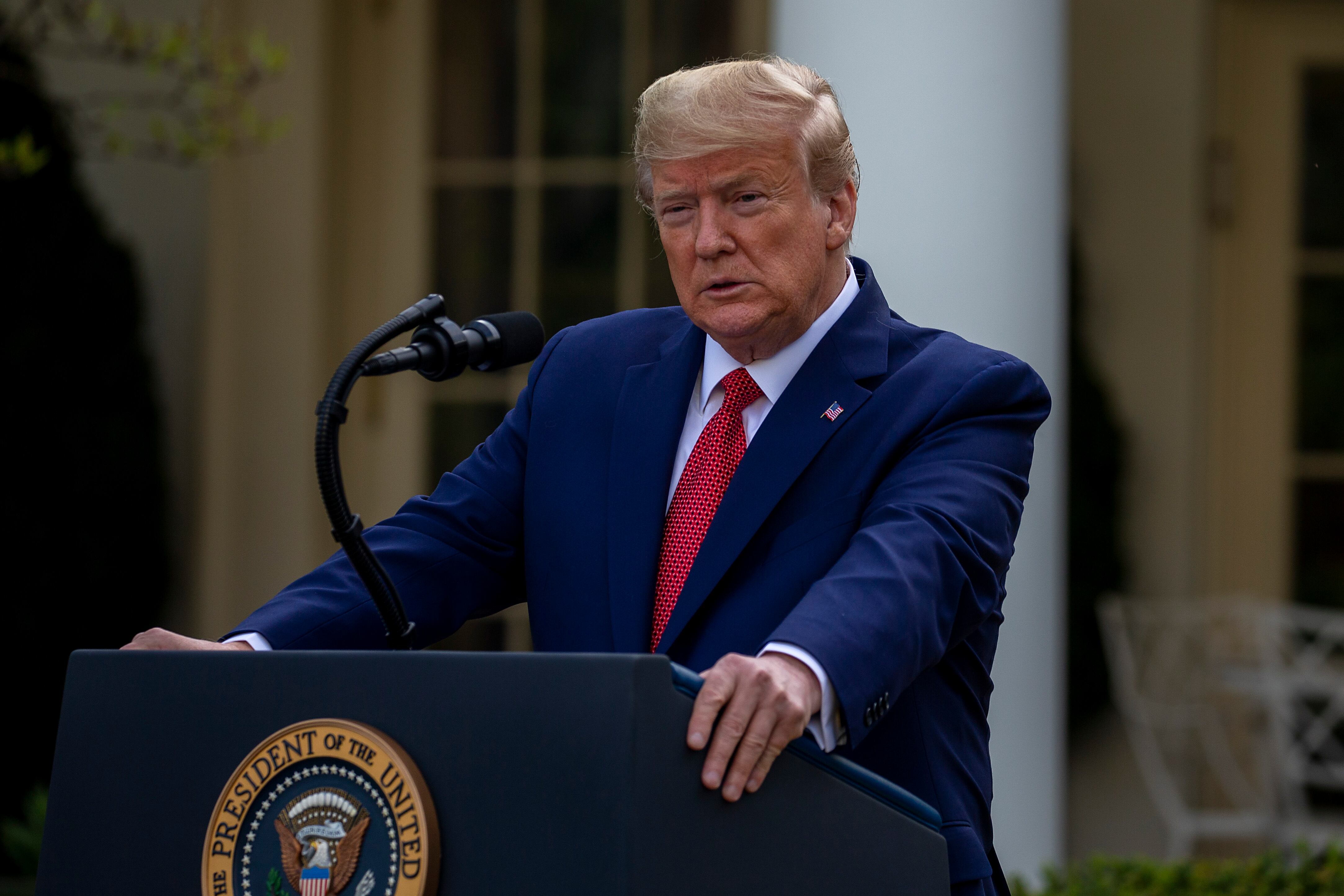
Bracing the nation for a coronavirus death toll that could exceed 100,000 people, President Donald Trump extended restrictive social distancing guidelines through April, bowing to public health experts who presented him with even more dire projections for the expanding coronavirus pandemic.
Trump said that the order will “require General Motors to accept, perform, and prioritize Federal contracts for ventilators." In a statement, he said the contracting process with the automaker was not moving quickly enough.
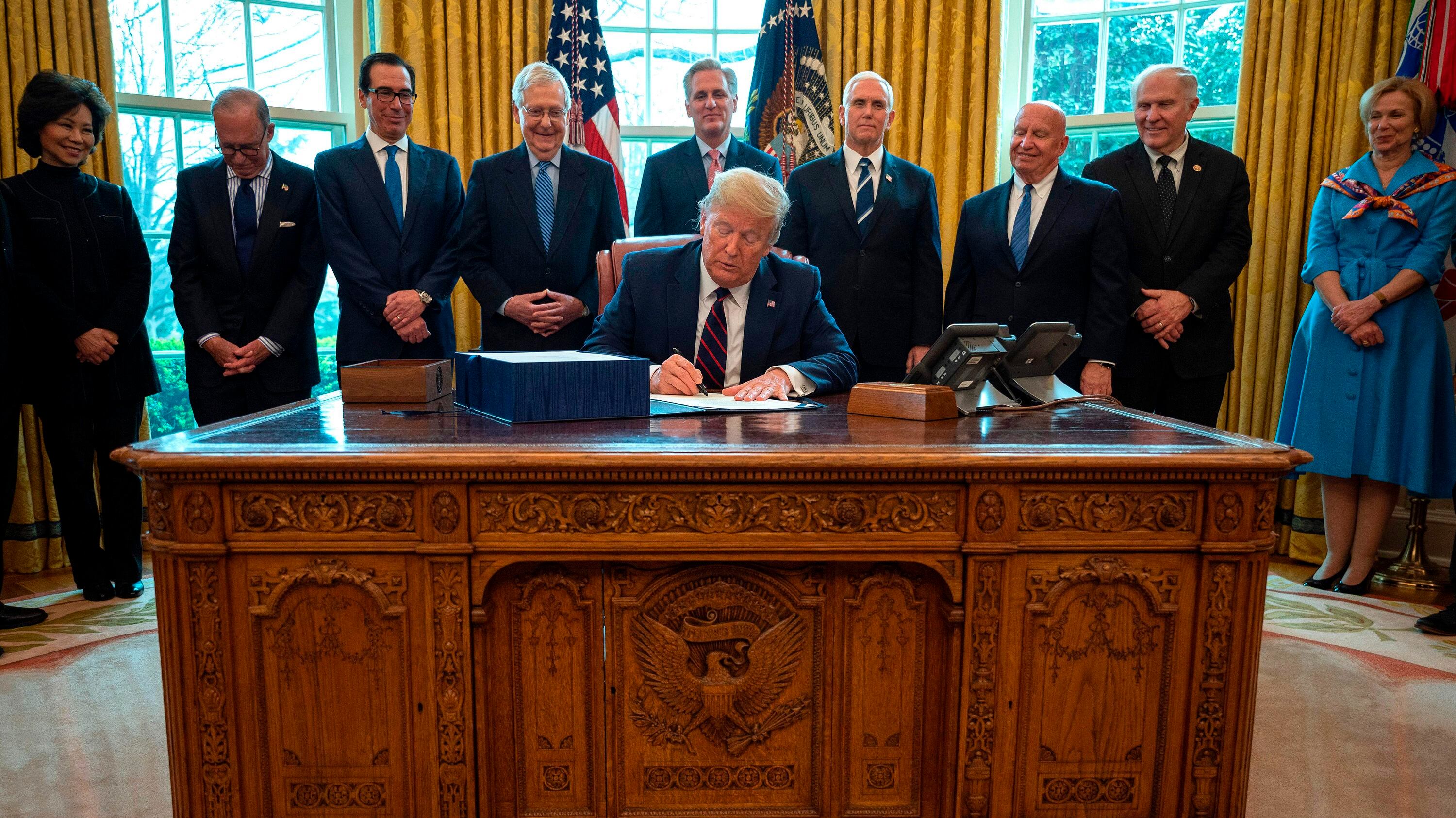
President Donald Trump has signed an unprecedented $2.2 trillion economic rescue package into law, after swift and near-unanimous action by Congress this week.
From Wall Street to Silicon Valley, these are the top stories that moved markets and had investors, business leaders, and entrepreneurs talking this week on Cheddar.
Stocks are moving lower on Wall Street as the market gives back some of the gains it piled up over the past three days. Major indexes are down more than 2% in afternoon trading Friday.
Restaurants are getting creative with private solutions as they hope to continue doing business, even while most of them are physically closed to the public, but the potential for saving most of these businesses may be a long shot.
Healthcare workers have launched their own campaigns for gathering personal protective equipment as they fight the coronavirus on the frontlines, with #GetUsPPE trending across social media.
The House of Representatives overwhelmingly passed the $2.2 trillion coronavirus aid package Friday afternoon, but what was expected to be a smooth confirmation process devolved into a mad dash in the Capitol after one of the House’s own threatened to derail the vote with a procedural objection.
Despite President Donald Trump’s call to put the economy back to work by Easter, one Johns Hopkins physician says there may have to be “variability” in when states and cities restart their economies.