*By Carlo Versano*
Walmart, the world's largest retailer, reported its strongest growth in a decade in its second-quarter earnings released before the bell Thursday.
"Every part of the set of numbers were incredible," said Sucharita Kodali, a retail analyst at Forrester.
Revenue for the quarter was $128 billion ー about $2 billion more than expected ー and adjusted earnings per share were $1.29 compared with an expected $1.22.
Walmart said same-store sales were up 4.5 percent for the second quarter, helped by strong grocery and apparel segments. The e-commerce slice of Walmart's business was up 40 percent compared with the same quarter last year.
The retail giant acquired Jet.com two years ago in a bid to attract more affluent, urban shoppers, and bolster Walmart's e-commerce strategy. It appears to be working, Kodali said, but Amazon maintains an online advantage. "It's still a work in progress," she said Thursday in an interview with Cheddar.
Walmart seems to be riding strong consumer spending, low unemployment, and wage growth to better-than-expected earnings. Shares of Walmart stock rose about 10 percent Thursday morning after the company's earnings report.
But Kodali said the retail sector may face headwinds from tariffs, higher input costs for raw materials, and rising gas prices. "All of these things are going to adversely affect Walmart," she said.
Walmart is the third major retailer to beat earnings expectations this week, after Home Depot and Macy's.
As commercial options tighten, more travelers are turning to private aviation. Wheels Up CEO George Mattson breaks down capacity and demand challenges.
Layoffs, hiring slowdowns, and shifting skill demands dominate this year’s job talk. LinkedIn’s Kory Kantenga explains what workers should watch for next.
Retailers face tariffs and cost challenges this holiday season. Wells Fargo's Lauren Murphy shares insights on pricing, promotions, and shopping trends.
Dateability, founded by sisters Jacqueline and Alexa Child, is the only dating app for disabled and chronically ill communities, fostering love without limits.
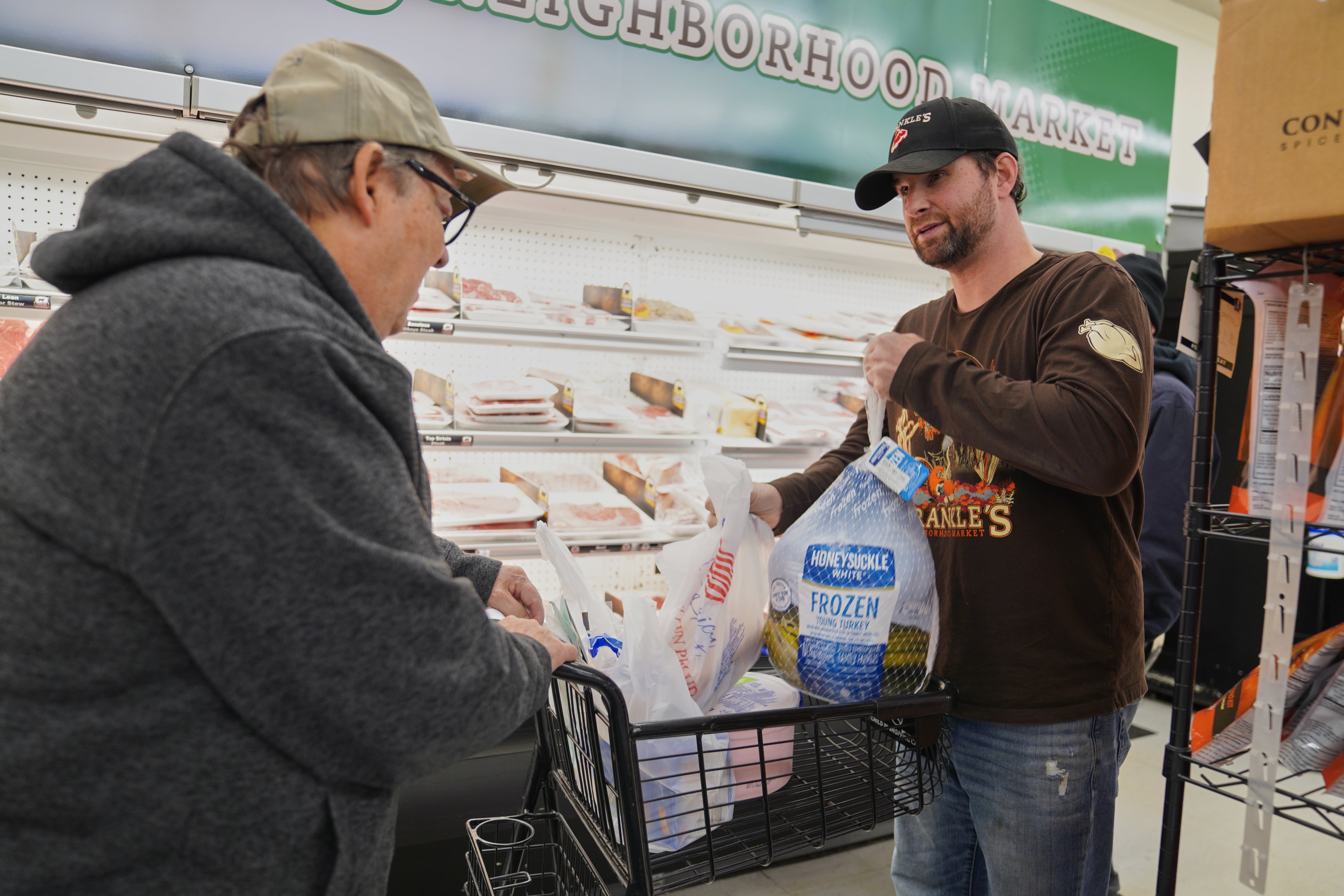
Some small grocery stores and neighborhood convenience stores are eager for the U.S. government shutdown to end and for their customers to start receiving federal food aid again. Late last month, the Trump administration froze funding for the SNAP benefits that about 42 million Americans use to buy groceries. The U.S. Department of Agriculture says about 74% of the assistance was spent last year at superstores like Walmart and supermarkets like Kroger. Around 14% went to smaller stores that are more accessible to SNAP beneficiaries. A former director of the United Nations World Food Program says SNAP is not only a social safety net for families but a local economic engine that supports neighborhood businesses.
Andy Baehr, Head of Product at CoinDesk Indices, breaks down crypto’s Black Friday crash, Bitcoin dipping under $100K, and what’s driving the market rout.