By Stan Choe
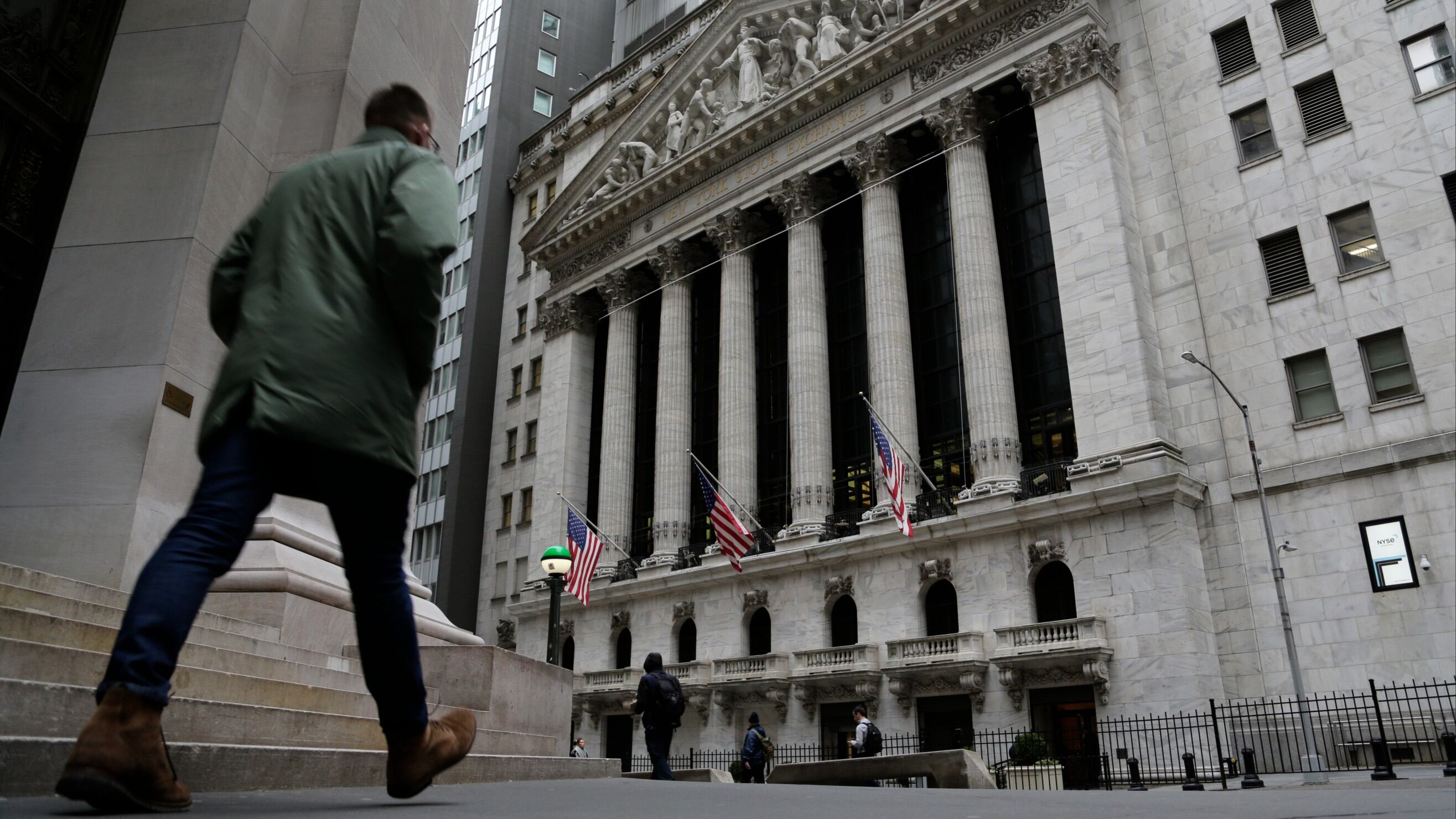
A huge fear for Wall Street coming into this month was a contested U.S. presidential election, one that could drag the market through more painful uncertainty.
Now, more than a week after Election Day, President Donald Trump and his allies are challenging the results in a number of states that gave Joe Biden enough Electoral College votes to claim victory.
And yet the S&P 500 has shot up more than 8% this month, as of Thursday, to the edge of its record high. While Trump has leveled unsubstantiated claims of widespread voter fraud, professional investors don't see the president's tweets and legal actions ultimately changing the results.
“I’m a pretty conservative guy, and I’ve come to believe that Biden is going to be our president,” said Barry James, portfolio manager with James Investment Research in Ohio. “It’s just seemingly impossible that it would be anything other than that.”
Biden's margins of victory in a handful of key states are wide enough that investors see it as a virtual lock that the Democrat will take the oath of office in January. It’s not a repeat of 2000, when the election’s results hung on a slim number of votes in a single state, Florida. In that case, the lack of a clear winner helped pushed the S&P 500 down 5% in about five weeks after Election Day before Al Gore conceded to George W. Bush.
So even though Trump is contesting this election, this is not the contested election that investors feared.
“The worst case wasn’t President Trump wouldn’t concede to the result,” said Brian Jacobsen, multi-asset strategist at Wells Fargo Asset Management in Wisconsin. “The worst case was that it would end in a tie.”
And after Trump exhausts all his legal avenues, the consensus on Wall Street is that Biden will have more than the 270 votes needed for the presidency when the Electoral College convenes Dec. 14.
Even though some speculation has already bubbled up that Trump could simply refuse to leave the White House, most money managers toss aside the possibility of a Constitutional crisis as more of a fever dream than real consideration worth swaying investment decisions.
“That is a worst-case scenario, but you also have to think about what the probability of it is,” Jacobsen said. “It’s probably on par with walking down Park Avenue and worrying about whether an escaped monkey would mug you. Sure, it could happen, but is it something that would keep you up at night?”
Trading in various corners of the market that would indicate nervousness have also calmed significantly since Election Day. That includes the price of gold, which investors often flock to when feeling worried, as well as the VIX index, which shows how much volatility investors expect from the stock market.
Of course, a lot of the increased optimism recently has also been due to encouraging early data on a potential COVID-19 vaccine released Monday. That has investors envisioning a global economy getting back to normal, which should allow corporate profits to get back to record levels.
The moves underscore again how the pandemic and economy matter much more to markets than who sits in the White House. Stocks have a long history of rising, regardless of which party controls the presidency.
“Particularly in August and September, as COVID was receding, investors needed something to talk about, so it moved over to the election, and the election became a market-moving event,” said Mike Dowdall, investment strategist with BMO Global Asset Management.
Now that the election has passed, the focus is back on the pandemic and the worsening trends across the United States and Europe. Prospects look bleak in the near term, with hospital beds filling up once again and the threat rising that governments will bring back restrictions on businesses to slow the spread of the virus.
But many professional investors remain optimistic that markets will ultimately climb higher as they look toward the other side of the pandemic after a vaccine becomes widely available.
“The market has been looking for the light at the end of the tunnel, and the vaccine provides just that,” Dowdall said.