Visa Inc. said its adjusted third-quarter profits rose by nearly double digits, as the global payments company continues to benefit from the broad shift by consumers to using credit and debit cards instead of cash.
The company said Tuesday that it earned a profit of $4.2 billion, or $2 a share, in its fiscal third quarter compared with a profit of $3.4 billion, or $1.60 a share, in the same period a year earlier. Last year's results included a $456 million legal expense. Excluding that one-time cost, Visa's adjusted profits rose 7% from a year earlier.
Visa said its payments volume rose 9% from a year earlier, while the number of processed transactions on Visa's network increased 10% from a year earlier. Visa gets a fee from merchants and businesses who use its payment network to process transactions, so Visa's profits rise and fall with the global economy as well as customers choosing to use a Visa debit or credit card over its competition or cash.
Roughly $3.799 trillion was processed on Visa's network last quarter, with the biggest growth coming from Central and Eastern Europe, the Middle East and Latin America. In the U.S., which accounts for roughly half of Visa's global payments volume, the number of payments rose 4.9%.
President Donald Trump said he has decided to lower his combined tariff rates on imports of Chinese goods to 47% after talks with Chinese leader Xi Jinping on curbing fentanyl trafficking.
Universal Music Group and AI platform Udio have settled a copyright lawsuit and will collaborate on a new music creation and streaming platform. The companies announced on Wednesday that they reached a compensatory legal settlement and new licensing agreements. These agreements aim to provide more revenue opportunities for Universal's artists and songwriters. The rise of AI song generation tools like Udio has disrupted the music streaming industry, leading to accusations from record labels. This deal marks the first since Universal and others sued Udio and Suno last year. Financial terms of the settlement weren't disclosed.
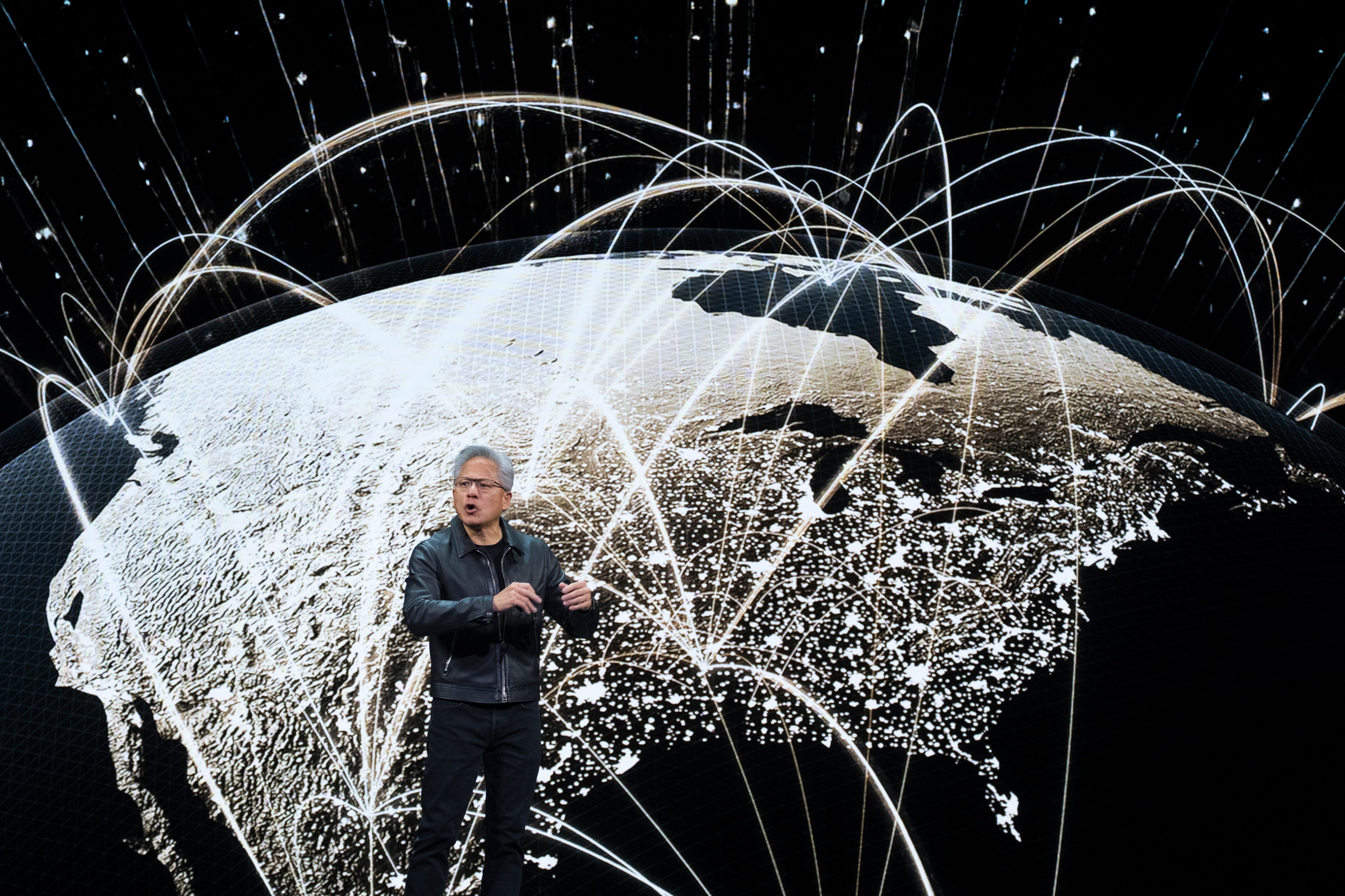
Nvidia on Wednesday became the first public company to reach a market capitalization of $5 trillion. The ravenous appetite for the Silicon Valley company’s chips is the main reason that the company’s stock price has increased so rapidly since early 2023.
Chris Williamson, Chief Business Economist at S&P Global, breaks down September’s CPI print and inflation trends, explaining what it means for markets.