If you're looking for ways to further expand your virtual life in the metaverse, maybe consider fostering a dog.
Pet food maker Pedigree is offering metaverse users a chance to foster a pet from the real world — in the comfort of the virtual one. It's being dubbed as the 'FOSTERVERSE' and the goal of the virtual activation is to find sheltered pets forever homes.
In order to be eligible for virtual fostering, a user must be a "landowner" on the metaverse platform Decentraland. Landowners will be given access to the pet adoption site 'Adopt a Pet' and will be able to choose the furry friend they want. Those that do not own land can still interact with pets but cannot adopt.
As part of the activation, Pedigree is also set to match donations to its Pedigree Foundation up to $100,000. The organization specifically focuses on helping dogs find forever homes.
Jean-Paul Jansen, the vice president of marketing for Mars Petcare North America, said that virtual fostering is an expansion of the company's mission to end pet homelessness.
"Both the Pedigree brand and Pedigree Foundation have long histories of supporting animal shelters and promoting dog adoption, and this program enables people to support deserving dogs in a new way through virtual fostering," he said in a statement.
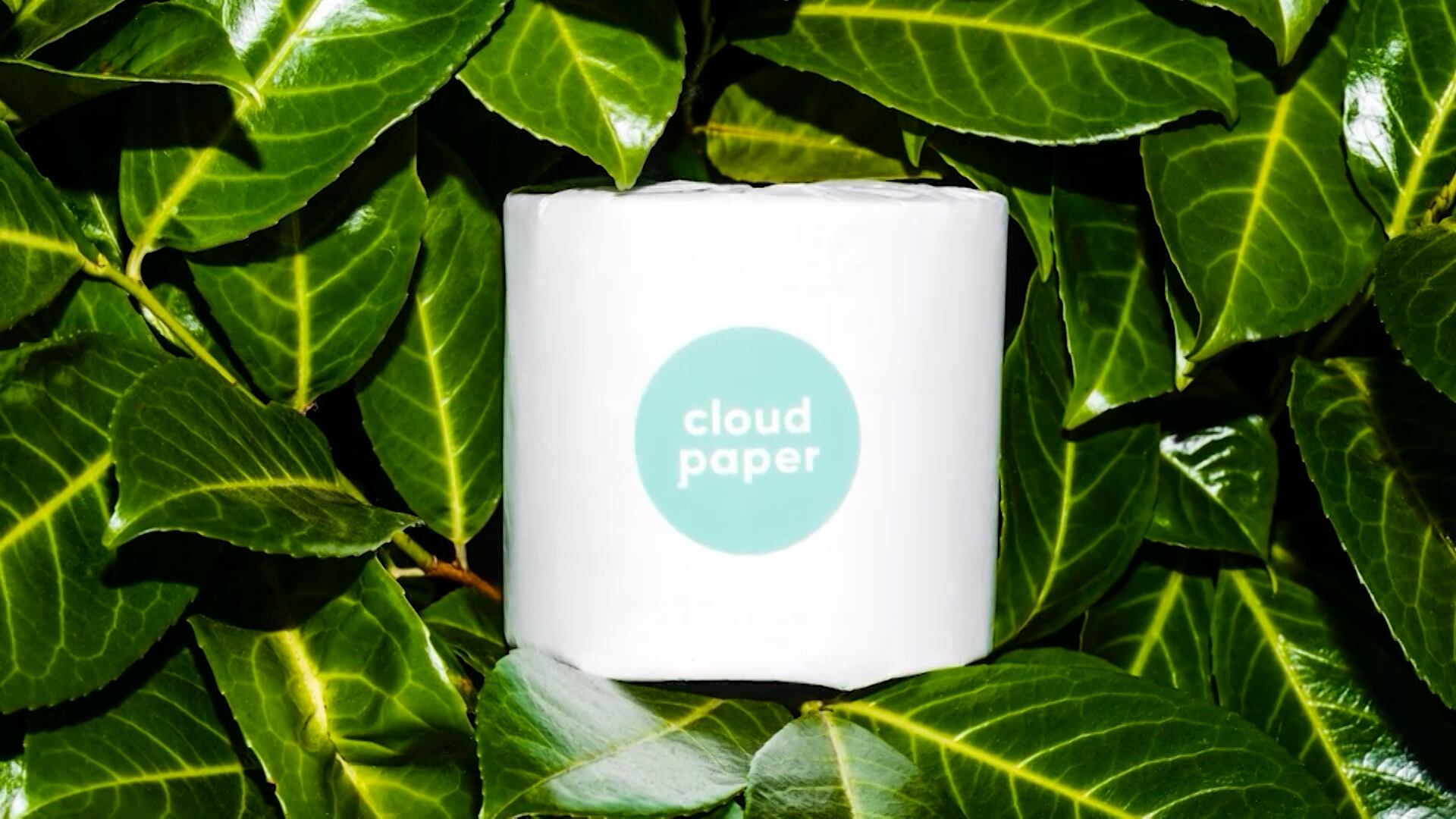
Bamboo-based toilet paper company Cloud Paper raised $5 million in a recent funding round. Its product is a bamboo-based alternative to traditional toilet paper made from trees, and its mission is to end the deforestation caused by traditional paper products. Cloud Paper says the raise will allow it to make significant investments in its supply chain, product development, and hiring. Ryan Fritsch, a co-founder of Cloud Paper, joined Cheddar News' Closing Bell to discuss.
The Biden Administration has now issued new guidelines when it comes to carbon capture. The new guidelines handed down this week encouraged the widespread use of climate attacks that traps and stores carbon emissions. The goal here is the process would help keep carbon out of the atmosphere without requiring a whole lot of change by big companies and manufacturing plants. Several scientists say that this method would be crucial to help us decrease the use of carbon emissions by the year 2050. Professor of Civil and Environmental Engineering at Stanford University, Mark Jacobson, joined Cheddar to discuss more.
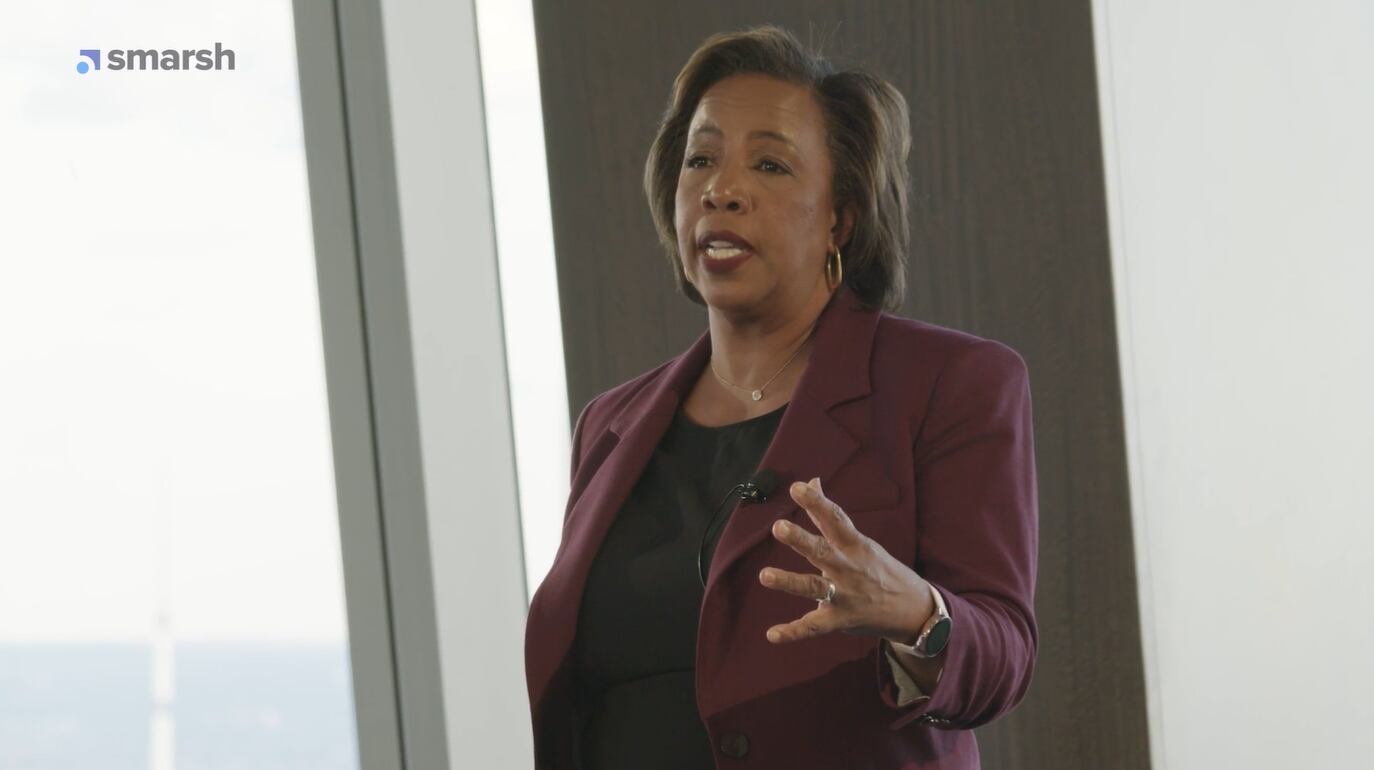
Ellen Goodwin, Co-Founder and Chief Solutions Officer of Artifcts, joins ChedHER to discuss how she's creating a platform to preserve the history of your belongings, and her experience succeeding in male-dominated industries.