Video-sharing platform Portal Wants Each User to be a 'Mini-HBO'
*By Christian Smith*
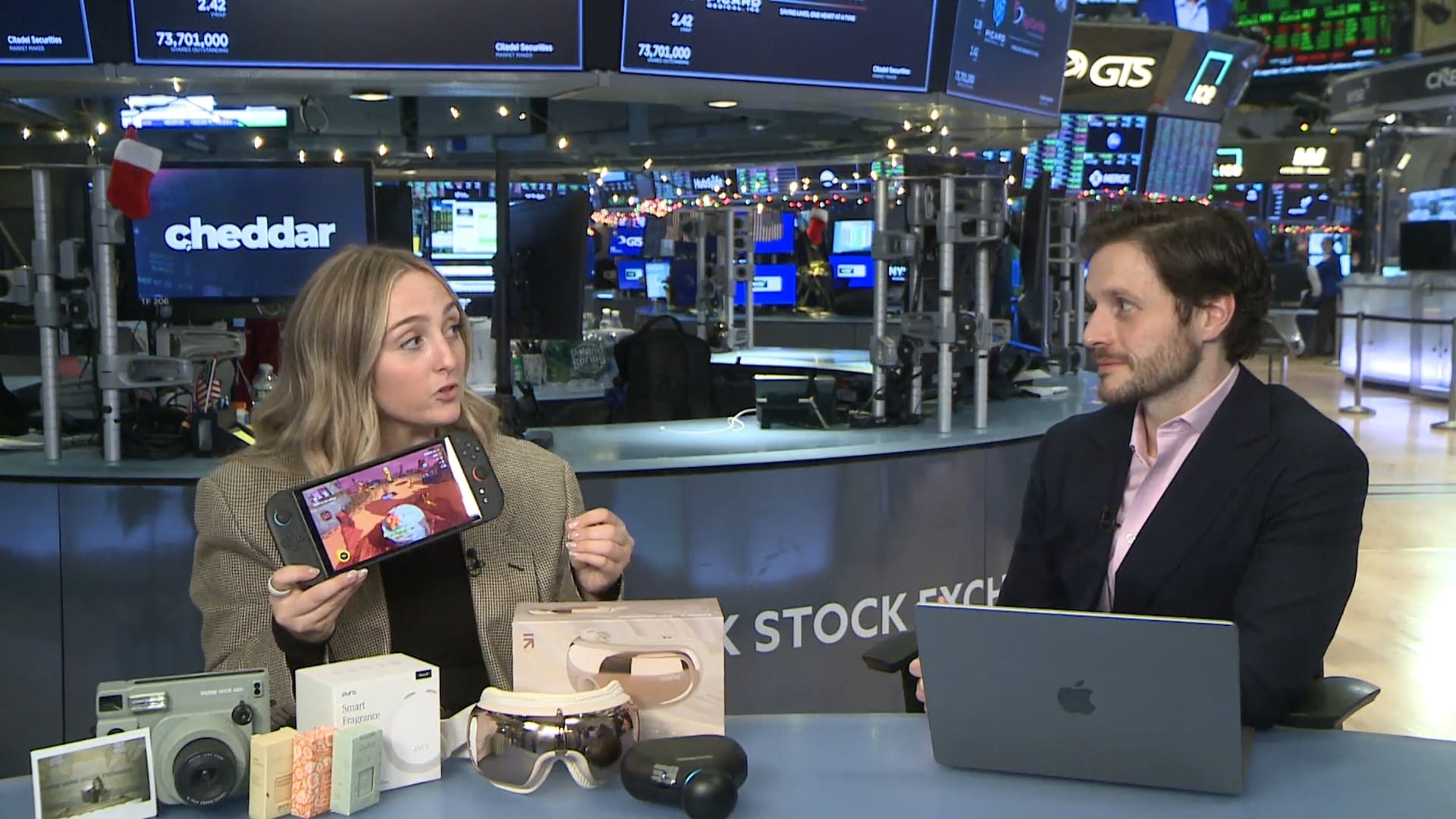
New video-sharing platform Portal wants to help online video creators cash in on their content, says company founder Jonathan Swerdlin.
"Portal is the first video sharing platform that everyone can use that completely skips the ad model and introduces really easy ways for users to pay each other," Swerdlin said in an interview on Cheddar. "Everyone can be their own mini HBO."
Portal's "freemium" model allows content creators to decide whether to share their content for free or monetize it through subscriptions, paywalls, or tipping, at rates that can range from one cent to $100 per video. Swerdlin said that many content creators offer a few videos for free to hook users, and then require payment to view the rest of their content.
Swerdlin created the company, which counts Mark Cuban among its investors, with the intention of eliminating advertisers' control over digital content, which Swerdlin believes has broken the internet. Free speech is a key component to Portal's function, but Swerdlin notes there are some limitations.
"We have pretty clear guidelines around hate speech," Swerdlin said. "We're going to go on a case-by-case basis, but we're very committed to free speech."
For full interview [click here](https://cheddar.com/videos/how-portal-is-giving-power-back-to-the-internets-video-creators).
Ron Hammond, Sr. Director of Government Relations at the Blockchain Association, breaks down Trump’s plan to strengthen U.S. leadership in financial technology.
BiggerPockets Money podcast is now available on Cheddar Wednesdays at 10am ET! Mindy Jensen shares how her podcast is helping people gain financial freedom.
The social video platform's future remains in doubt, as players scramble to profit from the chaos. Plus: Big oil gets bigger, DOGE downsizes, and tariffs!
Ty Young, CEO of Ty J. Young Wealth Management, joins Cheddar to discuss Trump's moves as he returns to Washington D.C. and how it may affect the U.S. economy.
Starbucks’ decision to restrict its restrooms to paying customers has flushed out a wider problem: a patchwork of restroom use policies that varies by state and city. Starbucks announced last week a new code of conduct that says people need to make a purchase if they want to hang out or use the restroom. The coffee chain's policy change for bathroom privileges has left Americans confused and divided over who gets to go and when. The American Restroom Association, a public toilet advocacy group, was among the critics. Rules about restroom access in restaurants vary by state, city and county. The National Retail Federation says private businesses have a right to limit restroom use.
President Donald Trump is talking up a joint venture investing up to $500 billion for infrastructure tied to artificial intelligence by a new partnership formed by OpenAI, Oracle and SoftBank. The new entity, Stargate, will start building out data centers and the electricity generation needed for the further development of the fast-evolving AI in Texas, according to the White House. The initial investment is expected to be $100 billion and could reach five times that sum. While Trump has seized on similar announcements to show that his presidency is boosting the economy, there were already expectations of a massive buildout of data centers and electricity plants needed for the development of AI.
Chris Ruder, Spikeball Founder and CEO, explains how he and his friends put roundnet on the global map, plus, how Spikeball helps people "find their circle."
J.W. Roth, CEO of Venu Holding Corporation, discusses the company's IPO and plans to redefine live music entertainment with their fan founded, fan-owned model.