Verizon is looking to continue expanding 5G services across the U.S. Last month, in partnership with Amazon Web Services, the communications giant launched mobile edge computing, or MEC, to help reduce latency and unlock the potential for advancing a variety of use cases, according to Kyle Malady, chief technology officer at Verizon.
"When you think about marrying the great performance of 5G ultra wideband, along with this new computing power, you can create a new platform that will allow developers to create new and exciting products," Malady told Cheddar.
But what does that mean for the average person? Customers using new applications developed with mobile edge computing technology should experience fewer lags, concerts and other live events could be enhanced through the use of "A.R. and V.R. type experiences," and there could be a host of medical advances, according to the CTO.
"Right now, we're working with a firm...they can use this capability for diagnostic purposes, and we're testing it in a few hospitals right now to find polyps, to find cancer," Malady explained.
While multiple industries have been slowed as a result of the coronavirus pandemic, Malady said Verizon has stayed committed to its goal of bringing 5G services to more U.S. cities.
"We're on track to deliver all the things we told the street we would," he stated. "Even with COVID, we've been able to overcome, and we continue to deploy the network for ultra wideband. We're also working on our nationwide service, which will be out in the fourth quarter."
As the company continues to roll out 5G access across the U.S., coupled with the addition of the new MEC service, Malady made assurances that sustaining current capacity is a top priority.
"As a matter of fact, our network held up really well during COVID when people's usage patterns changed quite significantly," he said.
As commercial options tighten, more travelers are turning to private aviation. Wheels Up CEO George Mattson breaks down capacity and demand challenges.
Layoffs, hiring slowdowns, and shifting skill demands dominate this year’s job talk. LinkedIn’s Kory Kantenga explains what workers should watch for next.
Retailers face tariffs and cost challenges this holiday season. Wells Fargo's Lauren Murphy shares insights on pricing, promotions, and shopping trends.
Dateability, founded by sisters Jacqueline and Alexa Child, is the only dating app for disabled and chronically ill communities, fostering love without limits.
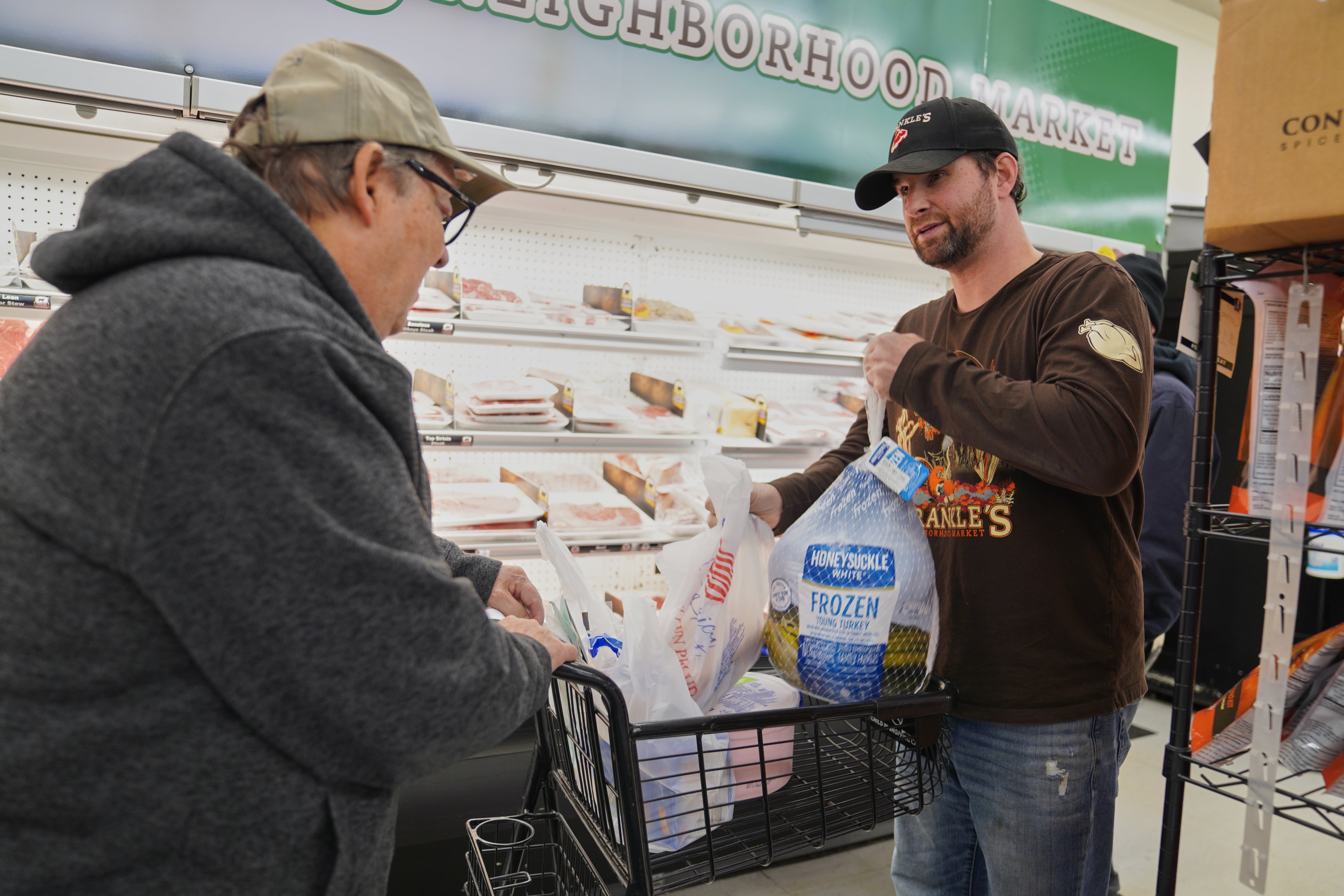
Some small grocery stores and neighborhood convenience stores are eager for the U.S. government shutdown to end and for their customers to start receiving federal food aid again. Late last month, the Trump administration froze funding for the SNAP benefits that about 42 million Americans use to buy groceries. The U.S. Department of Agriculture says about 74% of the assistance was spent last year at superstores like Walmart and supermarkets like Kroger. Around 14% went to smaller stores that are more accessible to SNAP beneficiaries. A former director of the United Nations World Food Program says SNAP is not only a social safety net for families but a local economic engine that supports neighborhood businesses.
Andy Baehr, Head of Product at CoinDesk Indices, breaks down crypto’s Black Friday crash, Bitcoin dipping under $100K, and what’s driving the market rout.