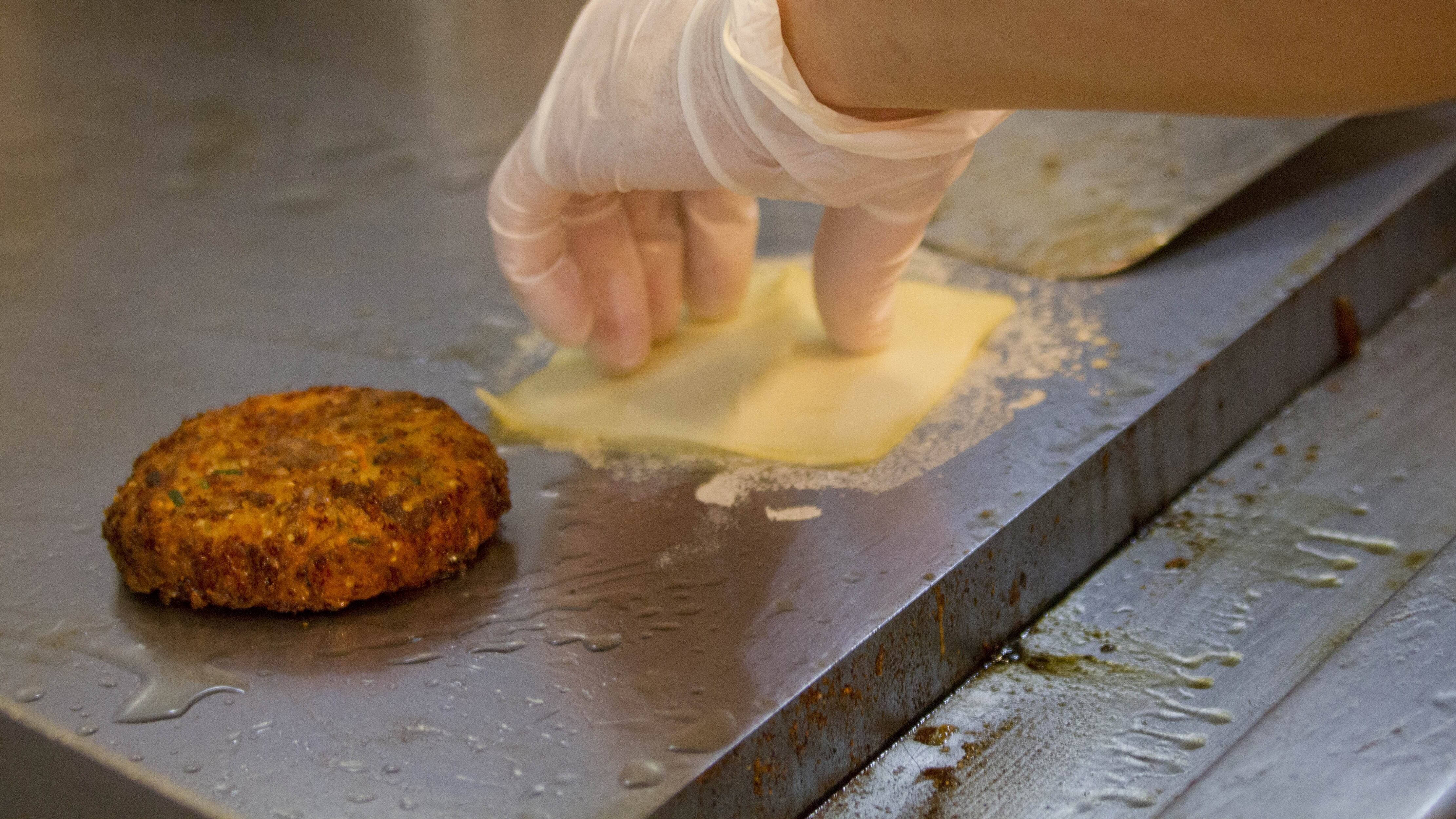
In this file photo from Tuesday, Jan. 27, 2015, a BurgerFi restaurant employee prepares to add cheese to a veggie burger as she grills an order at the Aventura, Fla., restaurant. (AP Photo/Wilfredo Lee)
Plant-based products that do not contain meat can continue to be labeled “sausages” or “burgers,” European lawmakers said Friday, when they rejected a proposal back by the meat industry to ban the terms.
In votes on issues relating to agricultural products, the European Parliament said that so-called veggie burgers, soy steaks and vegan sausages can continue to be sold as such in restaurants and shops across the union.
Europe’s largest farmers' association, Copa-Cogeca, had supported a ban, arguing that labeling vegetarian substitutes with designations bringing meat to mind was misleading for consumers.
On the opposite side of the debate, a group of 13 organizations including Greenpeace and WWF urged lawmakers to reject the proposed amendments, arguing that a ban would have not only exposed the EU “to ridicule," but also damaged its environmental credibility.
They said promoting a shift toward more plant-based diet is in line with the EU Commission's ambition to tackle global warming. Losing the ability to use the terms steak or sausage might make those plant-based products more obscure for consumers.
After the vote, the European Consumer Organization, an umbrella group bringing together consumers' associations, praised the MEPs for their “common sense."
“Consumers are in no way confused by a soy steak or chickpea-based sausage, so long as it is clearly labeled as vegetarian or vegan," the group said in a statement. “Terms such as ‘burger’ or ‘steak’ on plant-based items simply make it much easier for consumers to know how to integrate these products within a meal."
Together with Greenpeace, the group regretted that lawmakers accepted further restrictions on the naming of alternative products containing no dairy. Terms like ‘almond milk’ and ‘soy yogurt’ are already banned in Europe after the bloc's top court ruled in 2017 that purely plant-based products can't be marketed using terms such as milk, butter or cheese, which are reserved for animal products.
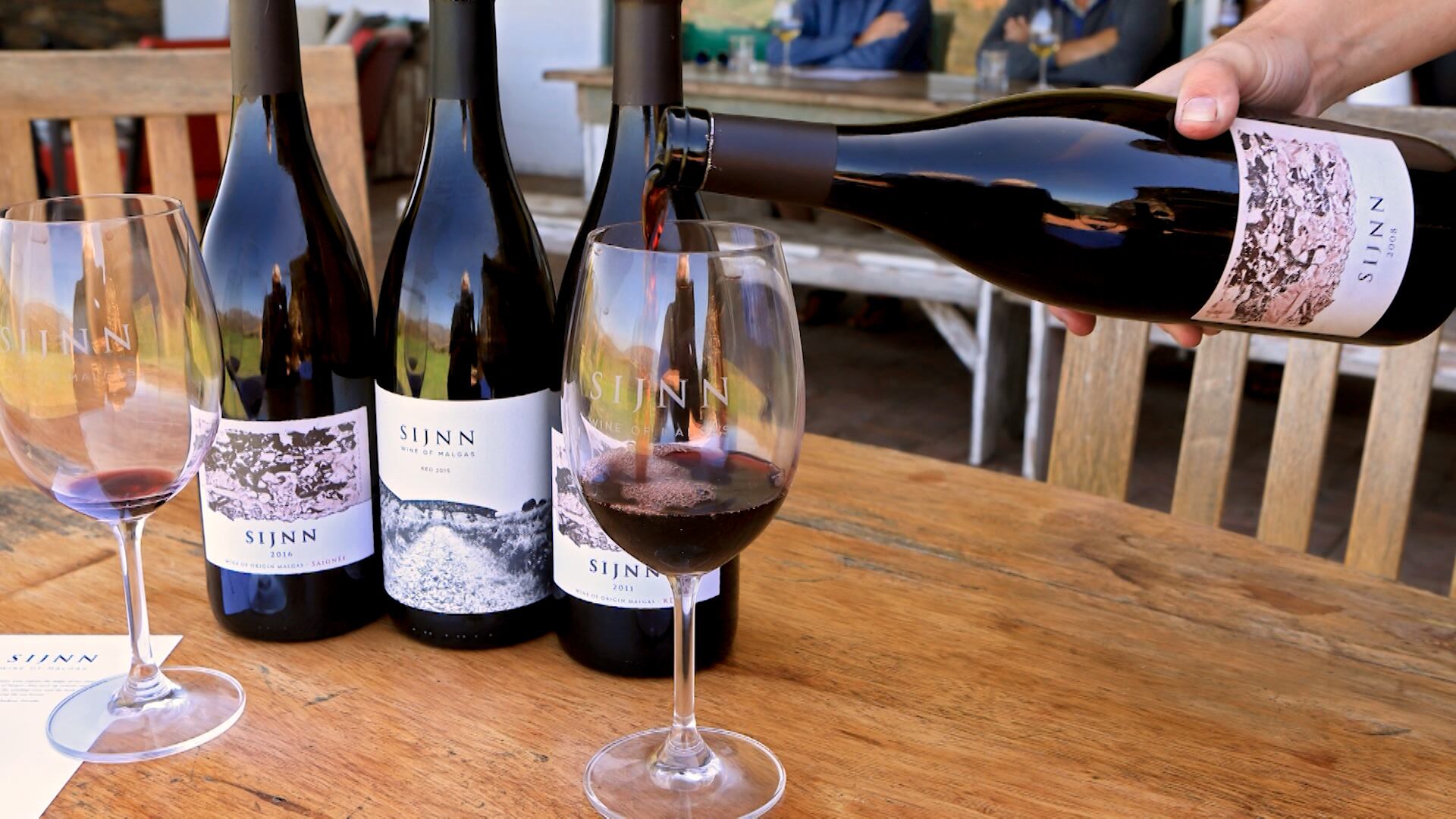
Michelle Benvenuto, Executive Director of Winegrowers of Napa County, talks about the challenges winegrowers are having this season and discusses the battle over expanding vineyards in Napa County.
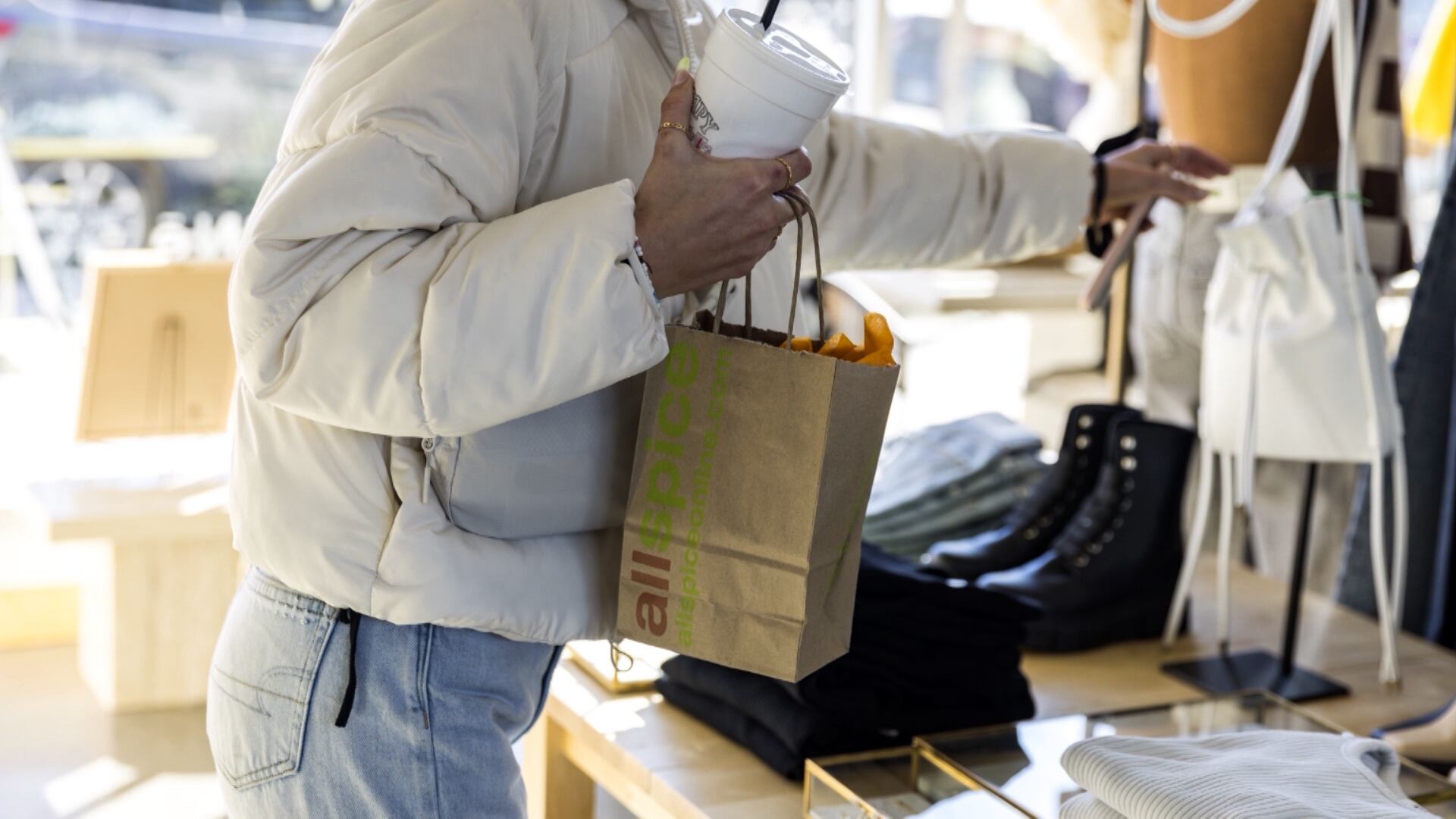
Digitally native stores like Allbirds and Everlane are beginning to target the suburbs as they look to expand their physical retail locations. It comes as reports show that a large portion of shoppers prefer to make their purchases in store. A new Deloitte report shows that 55 percent of shoppers who began their product search online, ended up making their purchase in store. Nikki Baird, VP of Strategy at Aptos, joined Cheddar's Opening Bell to discuss.
Russia has defaulted on some of its foreign debt as a tidal wave of western sanctions threatens its economy. The credit ratings agency S&P has placed Russia under "selective default" after it tried to pay its latest obligations in rubles. Russia now has a 30-day grace period to resolve the issue, but Moscow is threatening to take legal action. George Seay, Annandale Capital's CEO, joined Cheddar to break down what this means, and how Russia defaulting on its debt might impact the global economy.
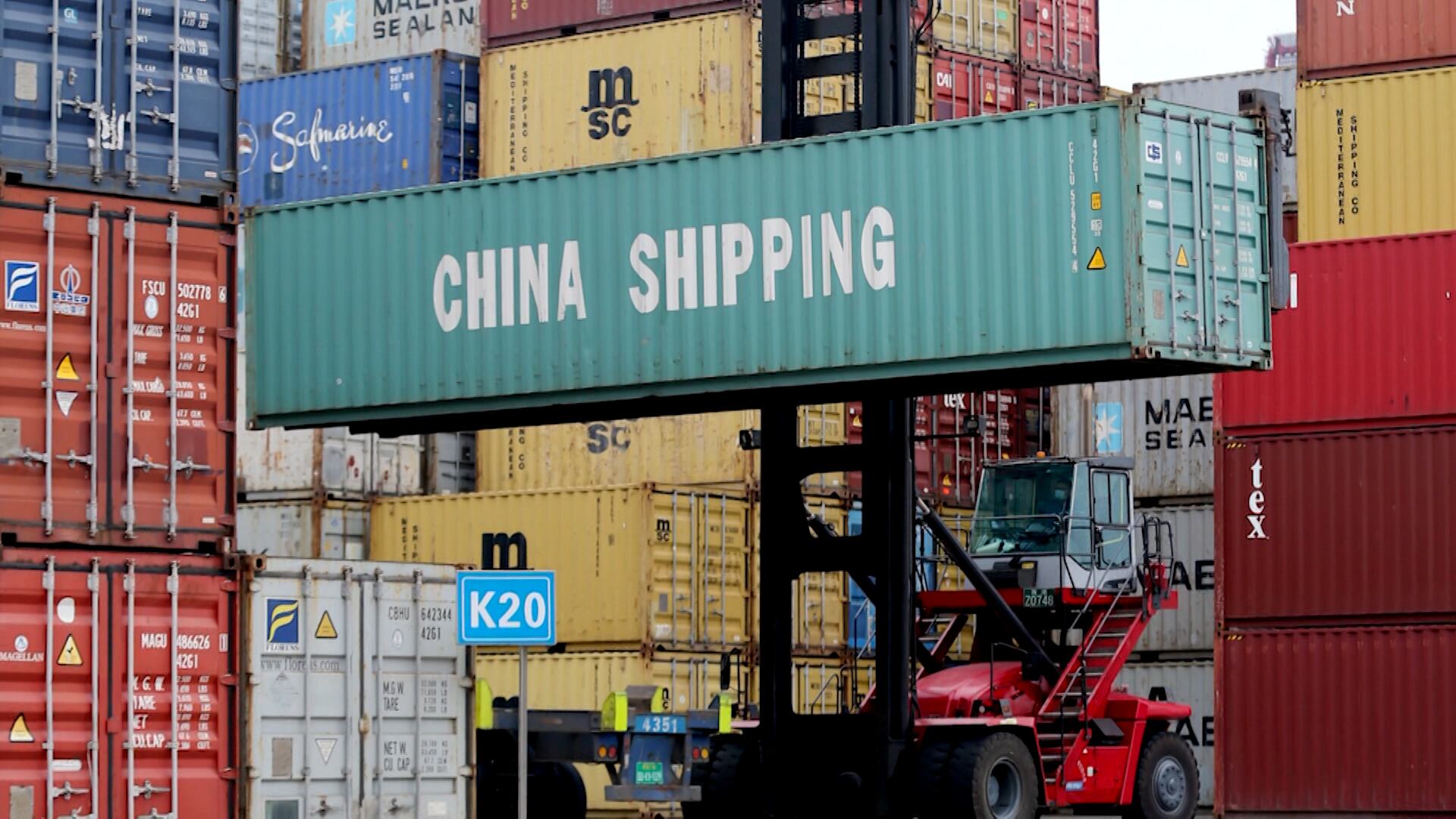
China's zero-covid policy may pose a wide-ranging threat to the local, and overseas economy. Analysts voicing concern on the strict lockdown in Shanghai as businesses and ports remain shuttered, potentially threatening the global supply chain. Shehzad H. Qazi, Managing Director, China Beige Book International joined Cheddar's Opening Bell to discuss.
The consumer price index in March rose by 8.5% from a year ago, the fastest annual gain since December 1981 and one-tenth of a percentage point above the estimate. The rise in prices is driven by strong consumer demand, supply-chain disruptions and skyrocketing energy costs related to Russia's invasion of Ukraine. Heather Boushey, Council of Economic Advisers Member for President Biden, joined Cheddar's Opening Bell to give her reaction to the latest inflation numbers.
As China faces backlash from its response to Russia's invasion of Ukraine, the U.S. is strengthening its relationship with India. India is expected to become one of the top three economic powers in the world over the next 10 to 15 years, bolstered by technological advances and the manufacturing sector. Samir Kapadia, CEO and Principal of The Vogel Group, joined Cheddar to discuss the state of India's economy, and how it can only grow from here.
Americans racked up the most monthly consumer debt in over a decade in February. According to a report from the Fed, consumer debt rose by nearly $42 billion, an annual increase of roughly 11%, far outpacing expectations. Rebecca Walser, President of Walser Wealth Management. Rebecca, joined Cheddar's Opening Bell to break down this data, and discuss how this could impact the consumer moving forward.
Ali Noorani, President & CEO of National Immigration Forum and Host of 'Only in America' Podcast, discusses the challenges in the labor market and the steps needed to streamline immigration in order to fill open positions.
The Dallas Cowboys have joined forces with cryptocurrency platform Blockchain.com as the NFL loosens restrictions on teams making such deals. The partnership won't open the door for crypto use at AT&T stadium but will provide for some exclusive fan experiences.
With the Federal Reserve looking to accelerate interest rate increases throughout the year, Andrew Gonzales, president, and co-founder of BusinessLoans.com, joined Cheddar News to talk about ways small businesses, already afflicted by high inflation and recovery from the pandemic, can get ahead of the curve and take action. Gonzalez stated that companies should invest in technology to manage daily tasks, in marketing with an emphasis on customer retention, and goods purchased in bulk. "So you'll know exactly what you'll be paying and you won't be caught off guard when, when rates do continue to rise," he explained.