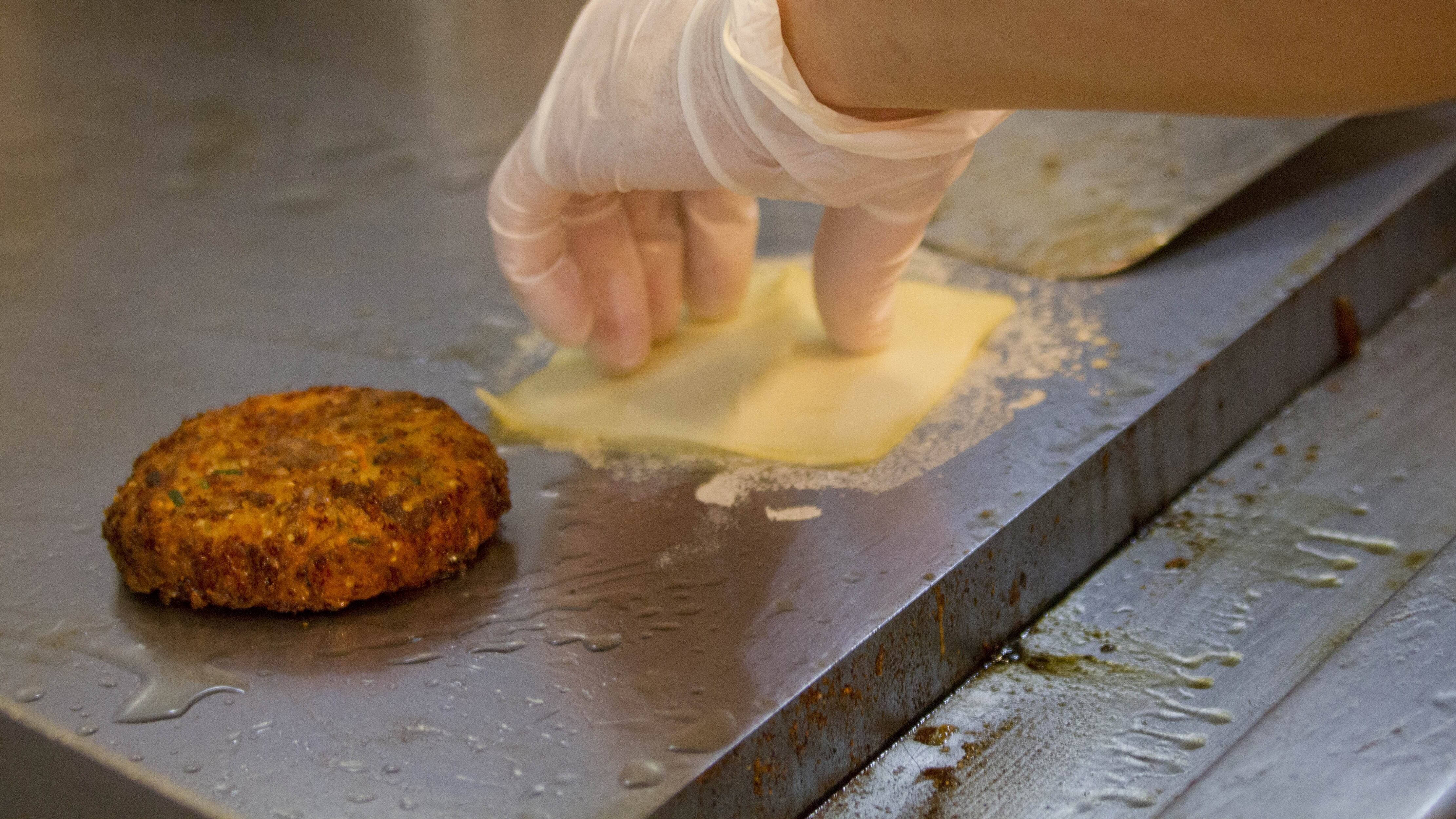
In this file photo from Tuesday, Jan. 27, 2015, a BurgerFi restaurant employee prepares to add cheese to a veggie burger as she grills an order at the Aventura, Fla., restaurant. (AP Photo/Wilfredo Lee)
Plant-based products that do not contain meat can continue to be labeled “sausages” or “burgers,” European lawmakers said Friday, when they rejected a proposal back by the meat industry to ban the terms.
In votes on issues relating to agricultural products, the European Parliament said that so-called veggie burgers, soy steaks and vegan sausages can continue to be sold as such in restaurants and shops across the union.
Europe’s largest farmers' association, Copa-Cogeca, had supported a ban, arguing that labeling vegetarian substitutes with designations bringing meat to mind was misleading for consumers.
On the opposite side of the debate, a group of 13 organizations including Greenpeace and WWF urged lawmakers to reject the proposed amendments, arguing that a ban would have not only exposed the EU “to ridicule," but also damaged its environmental credibility.
They said promoting a shift toward more plant-based diet is in line with the EU Commission's ambition to tackle global warming. Losing the ability to use the terms steak or sausage might make those plant-based products more obscure for consumers.
After the vote, the European Consumer Organization, an umbrella group bringing together consumers' associations, praised the MEPs for their “common sense."
“Consumers are in no way confused by a soy steak or chickpea-based sausage, so long as it is clearly labeled as vegetarian or vegan," the group said in a statement. “Terms such as ‘burger’ or ‘steak’ on plant-based items simply make it much easier for consumers to know how to integrate these products within a meal."
Together with Greenpeace, the group regretted that lawmakers accepted further restrictions on the naming of alternative products containing no dairy. Terms like ‘almond milk’ and ‘soy yogurt’ are already banned in Europe after the bloc's top court ruled in 2017 that purely plant-based products can't be marketed using terms such as milk, butter or cheese, which are reserved for animal products.
The CEO at Activision Blizzard Bobby Kotick apologized to employees after the company had been rocked by the public airing of sexual harassment claims that went unchecked. Kotick also asked that his compensation of more than $150 million be slashed to just over $62,000.
Cheddar's Ken Buffa took the Pixel 6 Pro for a test drive, highlighting some of the new features. The latest Google smartphone comes with an upgraded camera visor that holds three cameras in place as well as Gorilla Glass Victus covering the front and back protecting against drops and scratches. The device also contains Google's first homemade processor chip called Tensor and retails for about $899.
Overstock CEO Jonathan Johnson joined Cheddar's "Opening Bell" to talk about the company's Q3 earnings beat. While supply chain issues have plagued businesses across industries, Johnson noted that the company largely avoided constraints by not pressuring suppliers to fill Overstock's own distribution centers, encouraging them to use their own. "We have a higher in-stock percentage today than we did a year ago. Not quite as high as we did pre-pandemic but better than it was last year at this time," he said.
Google notified a number of small and medium-sized customers that potential antitrust bills could have negative impacts on their own businesses. The warning appears to be an effort to drum up enough opposition to give pause to lawmakers before enacting any such legislation.
Anthony Bartolacci, VP of financials of data Sensor Tower, joined Cheddar to talk about Robinhood's massive earnings miss. He attributed part of it to the platform's exposure to cryptocurrency and its lackluster performance in Q3 following volatility. Bartolacci also noted some headwinds from a drop in engagement on the platform due to people returning to work and having less time to day trade contributing to the miss.
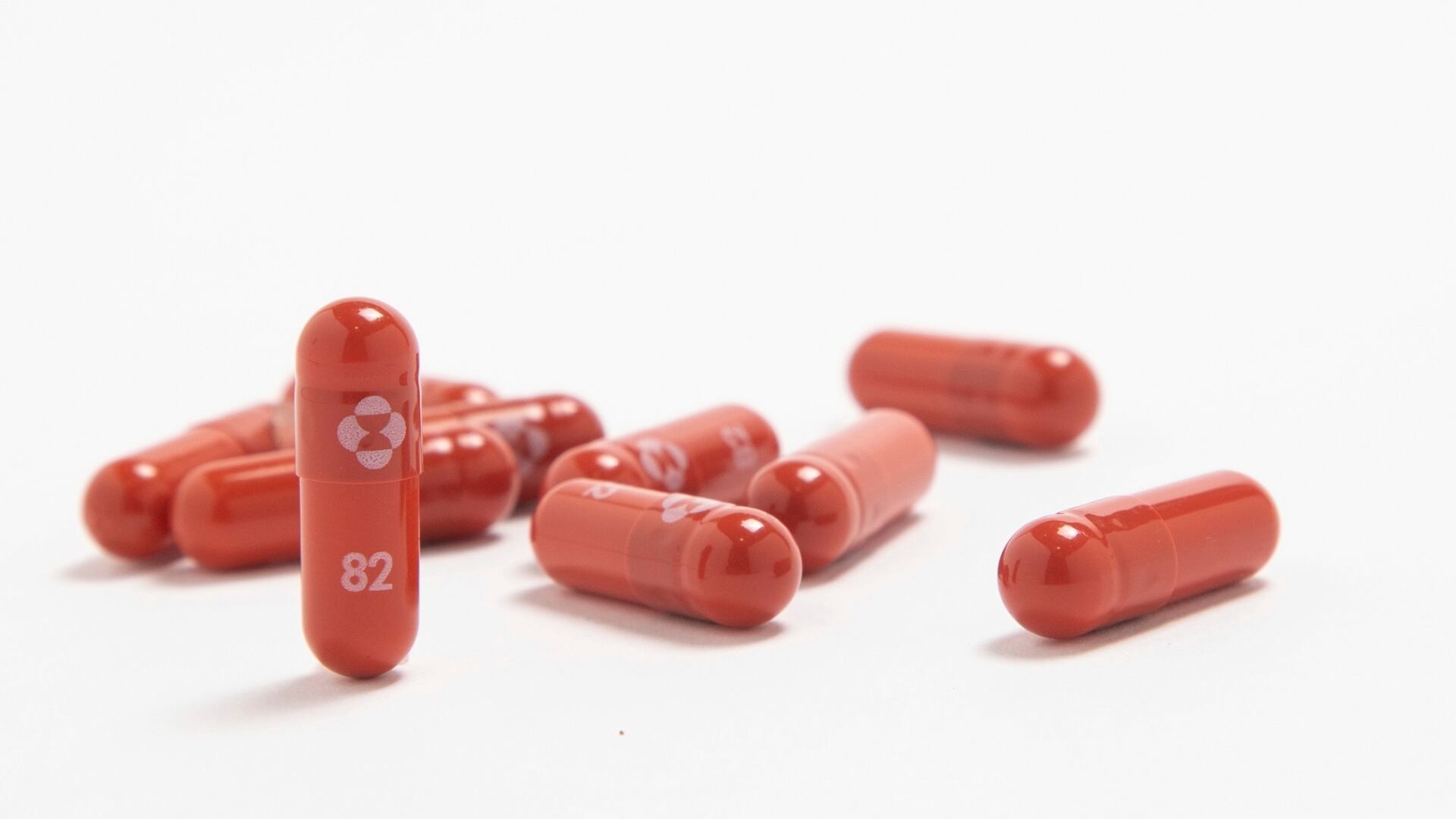
Pharmaceutical company Merck has announced that it will share the formula of its COVID-19 pill with poor countries free of charge. The company still intends to charge wealthier nations leaving the end cost at more than $700 per five-day treatment course.
Dems race for a deal on President Biden's economic agenda ahead of his big foreign trip. What to make of the latest threat assessment in Afghanistan. Plus, the meme cryptocurrency of the moment that's now worth more than many Fortune 500 companies.