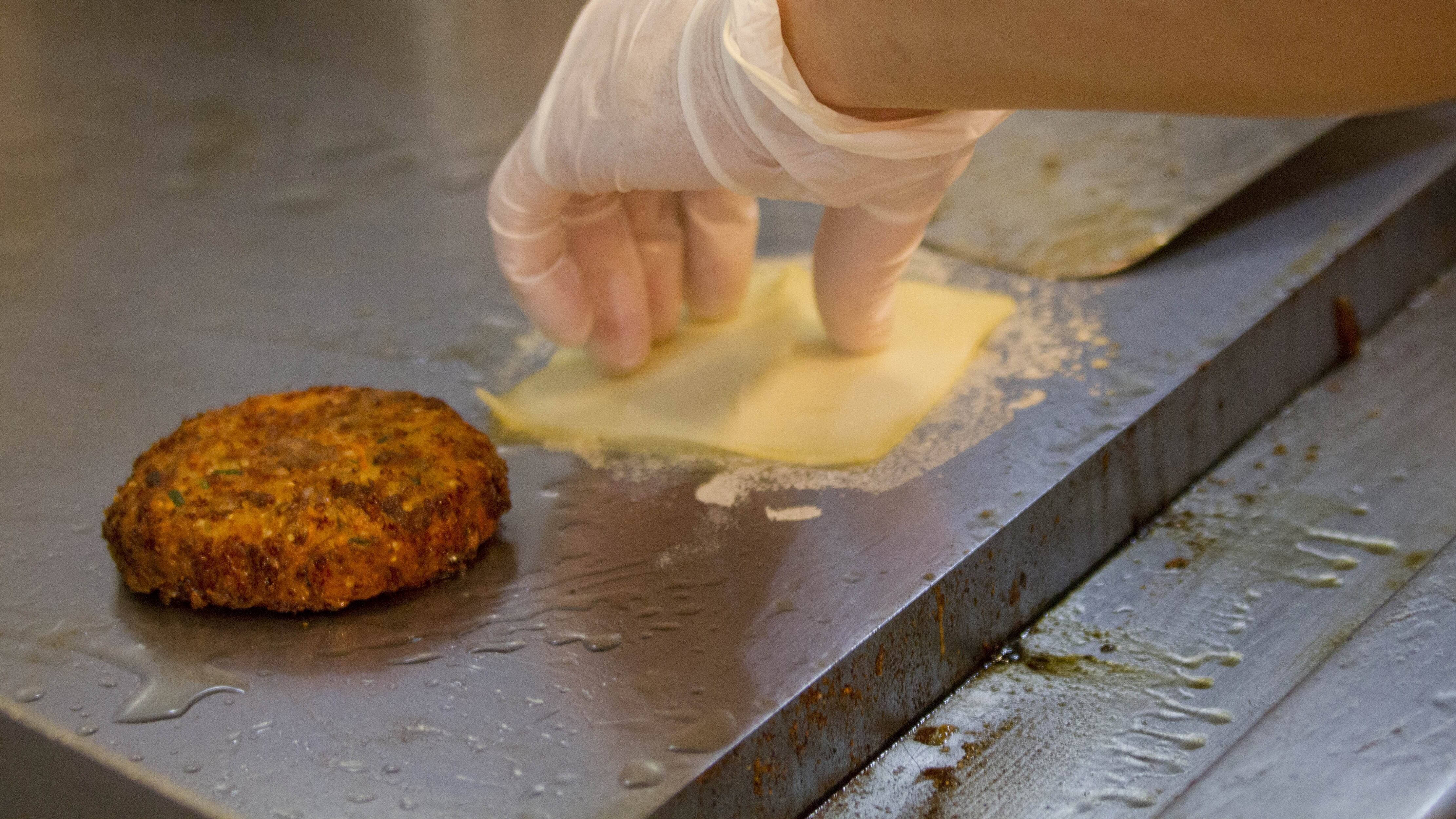
In this file photo from Tuesday, Jan. 27, 2015, a BurgerFi restaurant employee prepares to add cheese to a veggie burger as she grills an order at the Aventura, Fla., restaurant. (AP Photo/Wilfredo Lee)
Plant-based products that do not contain meat can continue to be labeled “sausages” or “burgers,” European lawmakers said Friday, when they rejected a proposal back by the meat industry to ban the terms.
In votes on issues relating to agricultural products, the European Parliament said that so-called veggie burgers, soy steaks and vegan sausages can continue to be sold as such in restaurants and shops across the union.
Europe’s largest farmers' association, Copa-Cogeca, had supported a ban, arguing that labeling vegetarian substitutes with designations bringing meat to mind was misleading for consumers.
On the opposite side of the debate, a group of 13 organizations including Greenpeace and WWF urged lawmakers to reject the proposed amendments, arguing that a ban would have not only exposed the EU “to ridicule," but also damaged its environmental credibility.
They said promoting a shift toward more plant-based diet is in line with the EU Commission's ambition to tackle global warming. Losing the ability to use the terms steak or sausage might make those plant-based products more obscure for consumers.
After the vote, the European Consumer Organization, an umbrella group bringing together consumers' associations, praised the MEPs for their “common sense."
“Consumers are in no way confused by a soy steak or chickpea-based sausage, so long as it is clearly labeled as vegetarian or vegan," the group said in a statement. “Terms such as ‘burger’ or ‘steak’ on plant-based items simply make it much easier for consumers to know how to integrate these products within a meal."
Together with Greenpeace, the group regretted that lawmakers accepted further restrictions on the naming of alternative products containing no dairy. Terms like ‘almond milk’ and ‘soy yogurt’ are already banned in Europe after the bloc's top court ruled in 2017 that purely plant-based products can't be marketed using terms such as milk, butter or cheese, which are reserved for animal products.
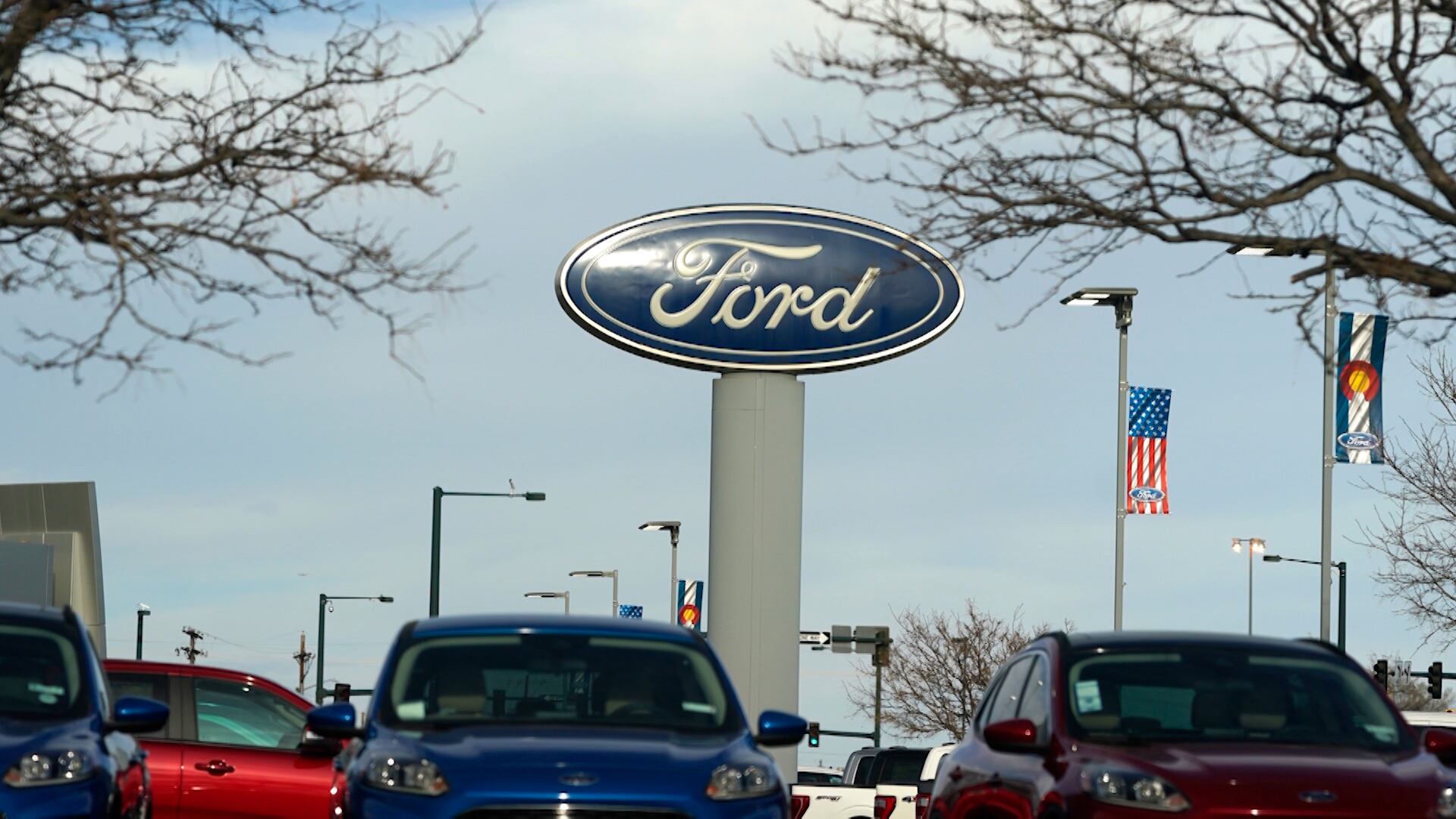
Garrett Nelson, Senior Analyst and VP of Equity Research at CFRA Research, joins Cheddar News' Closing Bell, where he breaks down where automakers like Ford, Tesla, Rivian, and Lucid currently stand at the start of 2022 and what we should expect to transpire in the upcoming year.
Fintech startup Milo has launched what it says to be the world's first crypto mortgage. As part of the offering, clients will be able to use Bitcoin as collateral to purchase property and qualify for a 30-year loan. Josip Rupena, CEO and Founder of Milo, joins Cheddar News' Closing Bell, where he explains how this offering is a winning solution for crypto investors who want to invest in real estate.
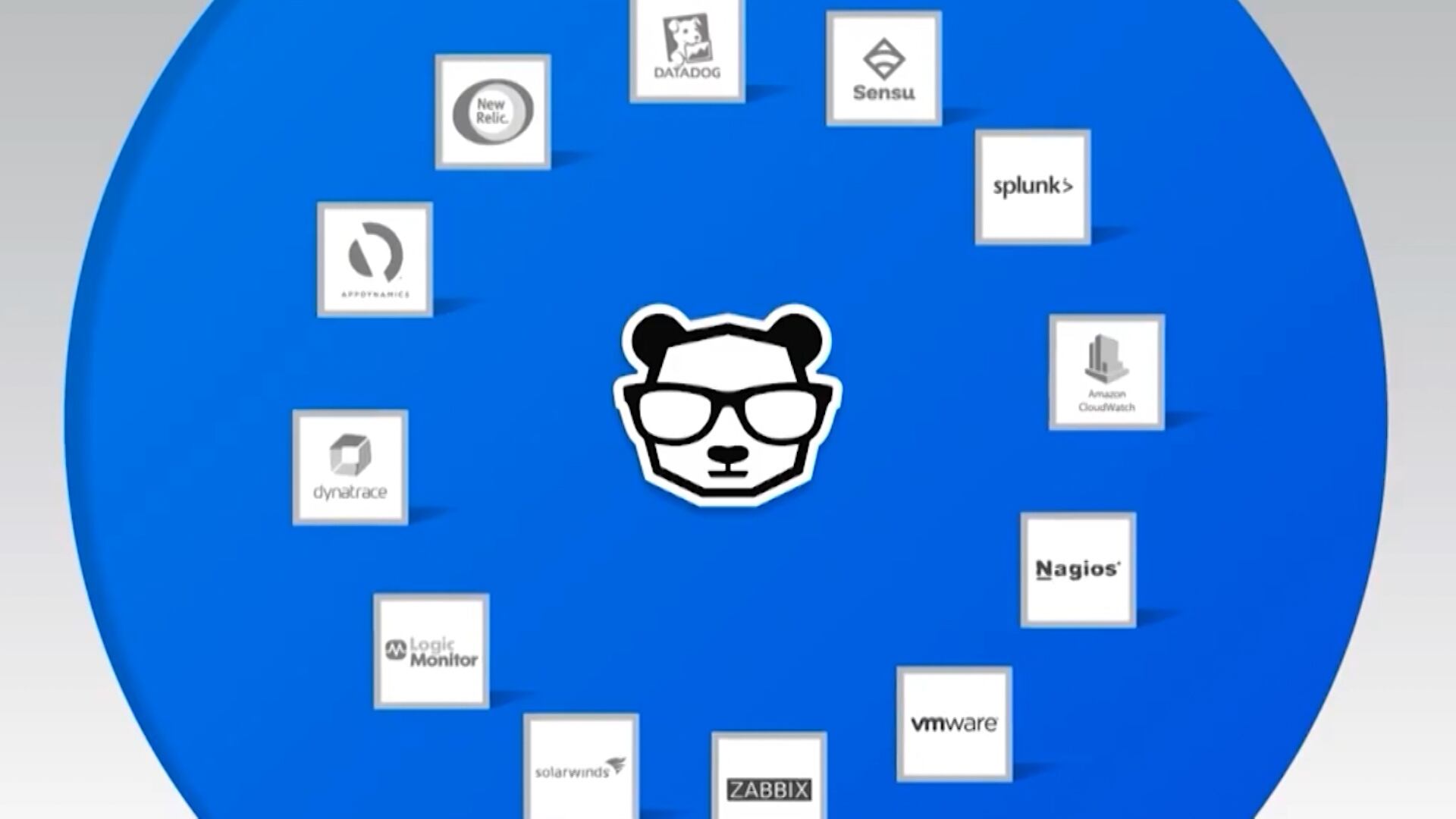
Software company BigPanda recently raised $190 million in Series D funding, led by Advent International and Insight Partners. The funding round gives the company unicorn status with a $1.2 billion valuation. BigPanda develops A.I. software that detects and analyzes problems in I.T. systems. The company says it aims to be the solution for other companies that do not have enough manpower to manage their data, as more and more industries continue to build a broader digital presence. BigPanda co-founder and CEO Assaf Resnick joined Cheddar News' Closing Bell to discuss.
AT&T and Verizon have agreed to delay activating their 5G services around airports due to safety concerns. This comes after major U.S. airlines voiced their concern over the rollout of 5G technology, warning of an impending "catastrophic" aviation crisis. Hugh Odom, founder and president of Vertical Consultants, telecom expert, and former AT&T attorney, joined Cheddar Movers to discuss.
Melissa Armo, founder and CEO of The Stock Swoosh, breaks down the factors affecting profitability for banks this year and highlights opportunities within the financial sector.
While more inflation means higher prices, some businesses are looking for alternatives to avoid scaring off their customers. 'Shrinkflation,' a fancy word for downsizing, happens when companies reduce the size or quantity of their products while still charging the same prize... or even more.
Chris Markowski, 'Watchdog on Wall Street' host and president of Markowski Investments, joins Cheddar News to discuss.