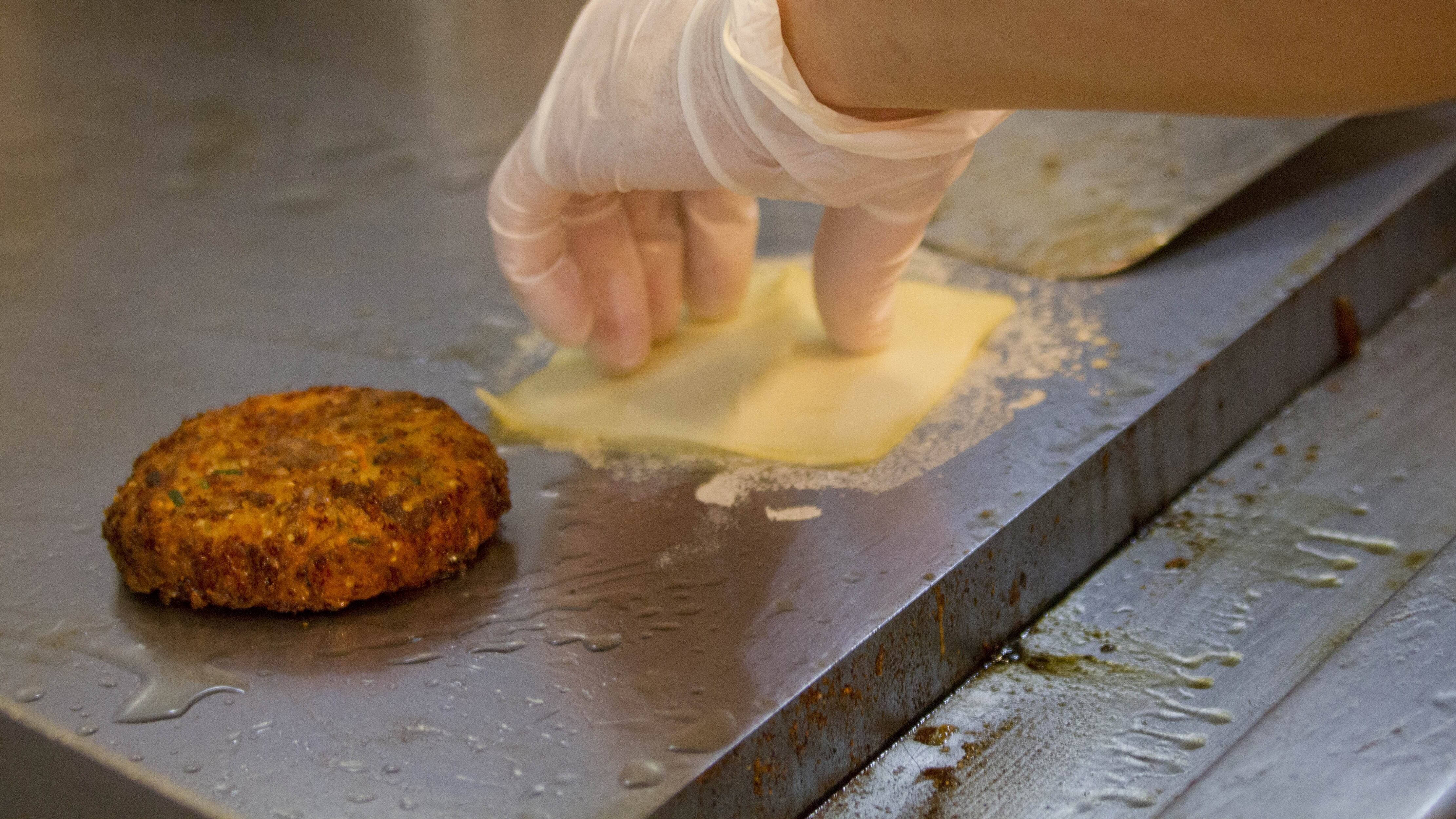
In this file photo from Tuesday, Jan. 27, 2015, a BurgerFi restaurant employee prepares to add cheese to a veggie burger as she grills an order at the Aventura, Fla., restaurant. (AP Photo/Wilfredo Lee)
Plant-based products that do not contain meat can continue to be labeled “sausages” or “burgers,” European lawmakers said Friday, when they rejected a proposal back by the meat industry to ban the terms.
In votes on issues relating to agricultural products, the European Parliament said that so-called veggie burgers, soy steaks and vegan sausages can continue to be sold as such in restaurants and shops across the union.
Europe’s largest farmers' association, Copa-Cogeca, had supported a ban, arguing that labeling vegetarian substitutes with designations bringing meat to mind was misleading for consumers.
On the opposite side of the debate, a group of 13 organizations including Greenpeace and WWF urged lawmakers to reject the proposed amendments, arguing that a ban would have not only exposed the EU “to ridicule," but also damaged its environmental credibility.
They said promoting a shift toward more plant-based diet is in line with the EU Commission's ambition to tackle global warming. Losing the ability to use the terms steak or sausage might make those plant-based products more obscure for consumers.
After the vote, the European Consumer Organization, an umbrella group bringing together consumers' associations, praised the MEPs for their “common sense."
“Consumers are in no way confused by a soy steak or chickpea-based sausage, so long as it is clearly labeled as vegetarian or vegan," the group said in a statement. “Terms such as ‘burger’ or ‘steak’ on plant-based items simply make it much easier for consumers to know how to integrate these products within a meal."
Together with Greenpeace, the group regretted that lawmakers accepted further restrictions on the naming of alternative products containing no dairy. Terms like ‘almond milk’ and ‘soy yogurt’ are already banned in Europe after the bloc's top court ruled in 2017 that purely plant-based products can't be marketed using terms such as milk, butter or cheese, which are reserved for animal products.
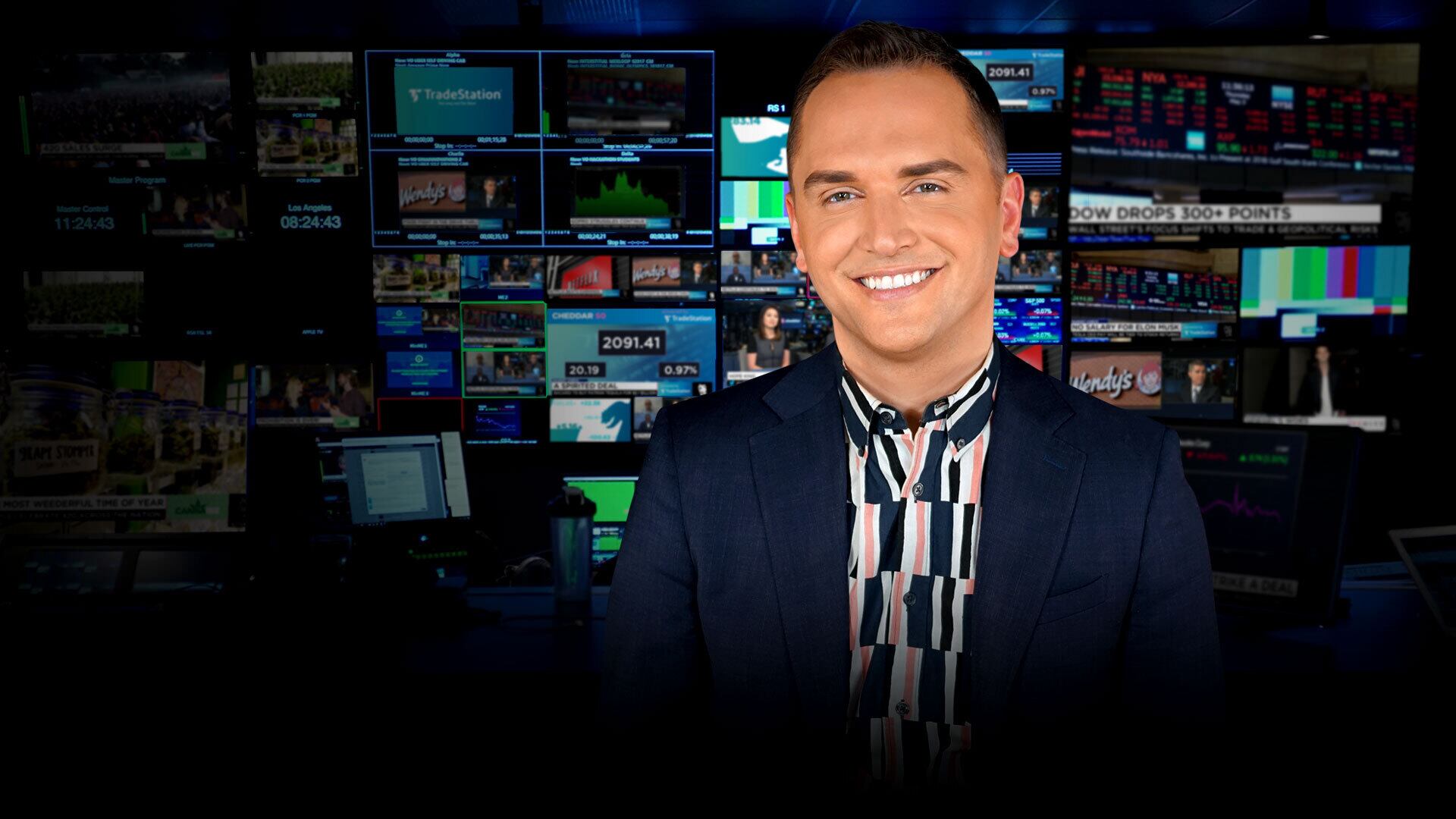
Lila Snyder, CEO of Bose, joins Cheddar News anchor Hena Doba to discuss her journey to the top of the corporate world, the business of selling top of the line speakers, and how new technologies such as machine learning are shaking up the industry.
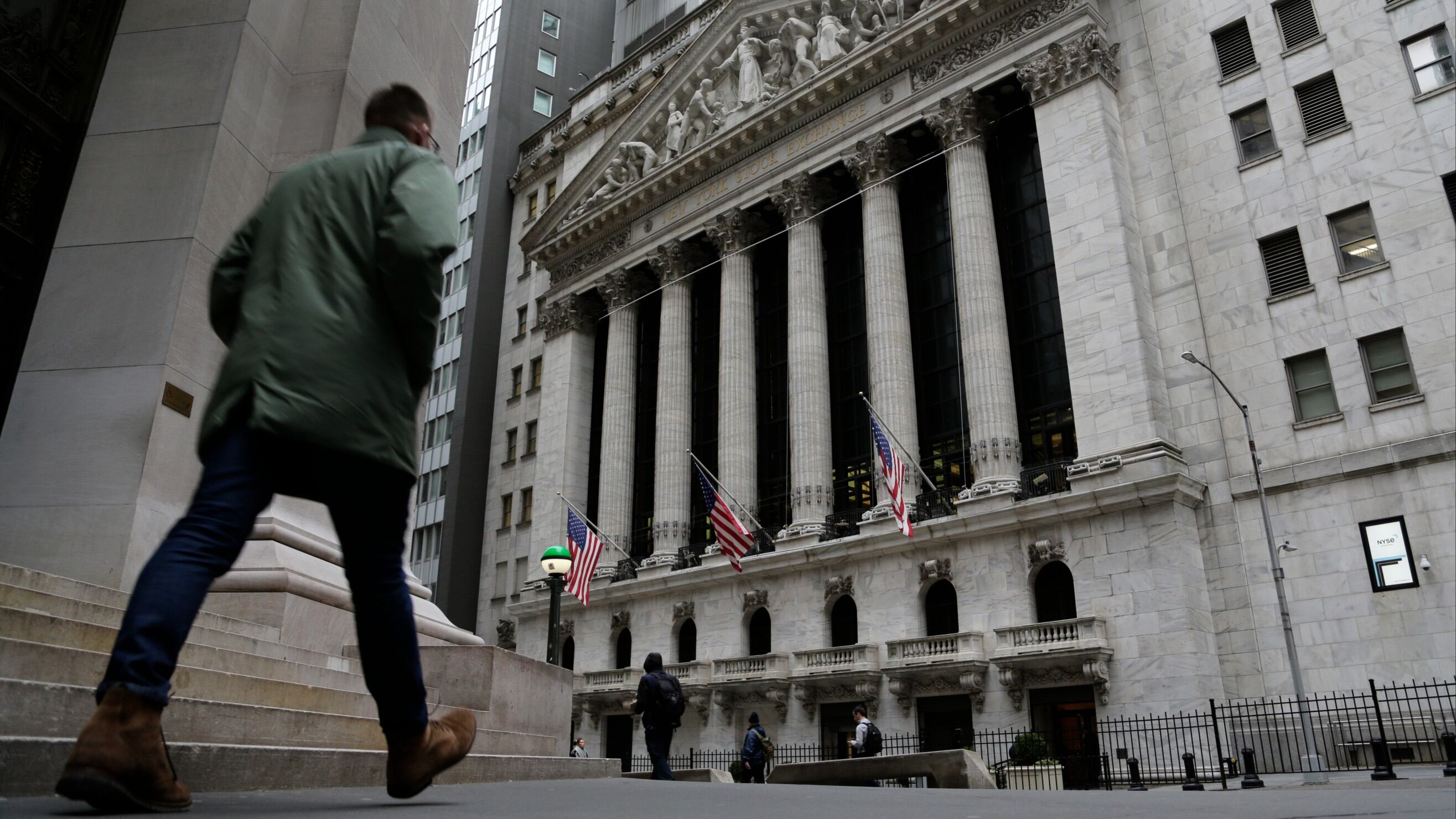
Stocks drifted ahead of reports that could offer clues on questions that have kept Wall Street at a standstill, including on where the economy and corporate profits are heading.
Aidan McClean, co-founder and CEO of UFODRIVE, joined Cheddar News to discuss how his company plans to shake up the car rental market with a digital experience. "There are no lines, there are no paperwork, there is no key collection ... no pushy insurance or pushy fuel options," he said. "You simply arrive for your electric car, use your smartphone and drive away."
Nearly half of Americans report having to side hustle to make ends meet, according to a survey from LendingTree. Jane Oates, president of WorkingNation, joined Cheddar News to discuss the state of play as families are having a difficult time with inflation and high-interest rates.
Melissa Armo, founder and owner of The Stock Swoosh, joined Cheddar News to discuss this week's markets which were little changed in trading as investors digested the latest corporate earnings results as concerns over a coming recession grow.
Peter Krull, a partner and director of sustainable investing at Prime Capital Investment Advisors company Earth Equity Advisors, joined Cheddar News to give some tips on green investments.
Investment in space was down 53% over the first three months of the year, according to a report from investment fund Space Capital. Chad Anderson, founder and managing partners of Space Capital, joined Cheddar News to discuss the funding downturn that's hit the lowest level in 14 quarters for the space industry.