The governor's race is on the ballot in Utah this year. Despite the vitriol commonly seen spewing between candidates in races across the country, the two major-party candidates here, Republican Lieutenant Governor Spencer Cox and Democratic challenger Chris Peterson have linked arms for an unconventional campaign ad, displaying a united front.
The promotion provides a look at civil discourse between two opposing candidates and the ideas they share on how to move the state forward. The candidates both agree that, through the commercial, Americans can see that those with opposing views can still tackle the toughest problems without being disrespectful toward one another.
“It really is the foundation of our country and these democratic principles that we hold so dear," Cox told Cheddar. "For 240 years we’ve been figuring out ways to get along, even when we disagree; and it just feels, in the current climate, like it’s more important than ever that we remind people that we are Americans first.”
While civility between politicians is not at the level it had been in some previous years, these candidates hope to inspire other lawmakers nationwide to take a more active approach to restore it in politics.
For Peterson, the divisive path America has traveled down is a threat to democracy.
“I worry that we're losing sight of the fact that we’re all one nation and not separate political tribes,” he said.
Spencer is calling on Americans to practice the same civility they expect from elected officials.
“That means being more civil on Facebook, on Twitter. Not surrounding ourselves with voices like ours. Not degrading and demeaning the other side but really trying to listen to learn and listen to understand,” Cox said.
The pair’s unconventional method of reaching the voters in Utah has even opened up the possibility of the two working together once a winner is declared — the results both have agreed to accept once announced.
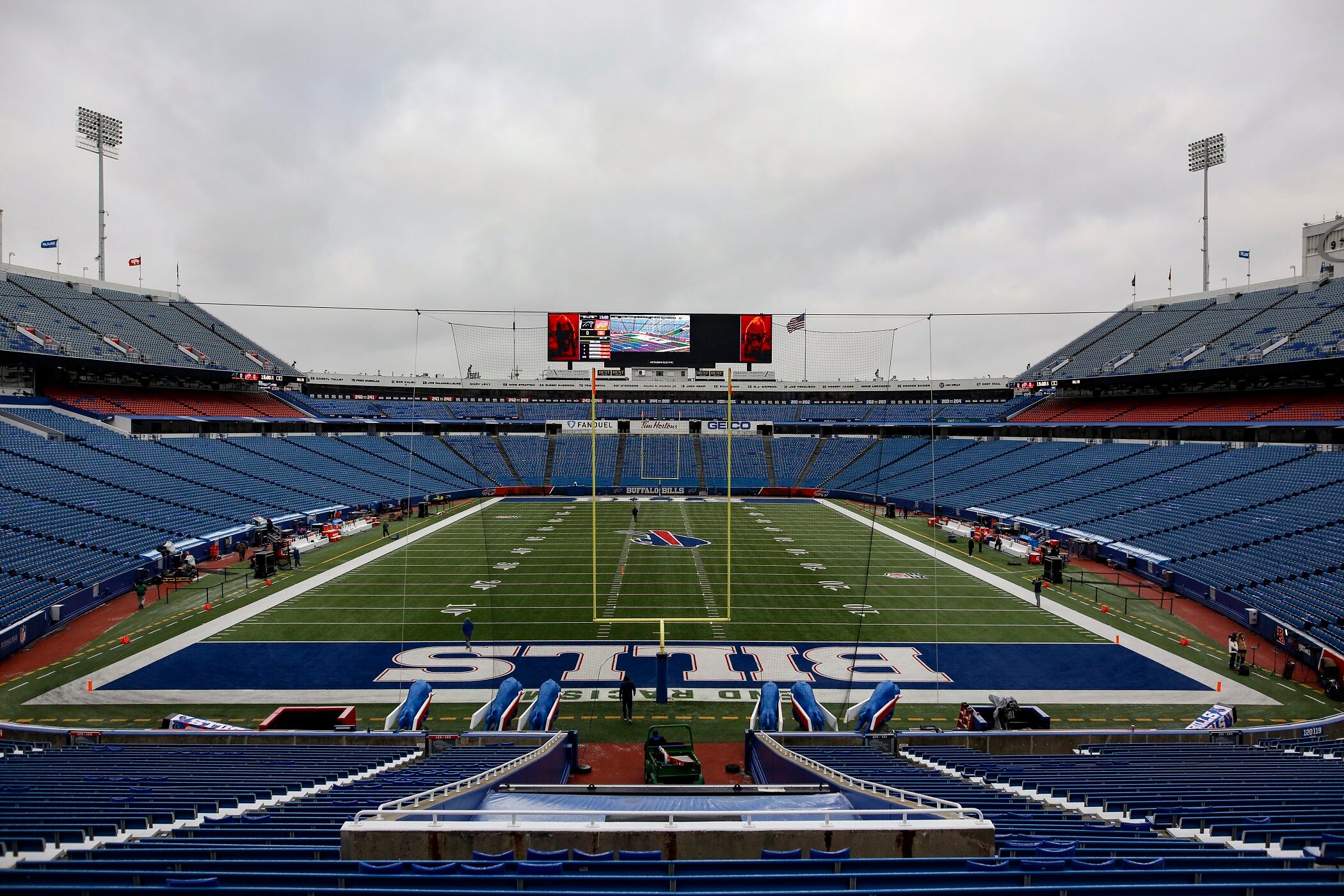
State and county taxpayers will be asked to commit a record $850 million in public funds toward construction of the Buffalo Bills’ new stadium as part of a 30-year lease agreement.
As the war enters its second month, Russia may be changing course on its strategy in Ukraine. After suffering heavy losses, forces around the capital city of Kyiv appear to have stopped offensive operations and are now shifting their focus to taking over the south and east of the country. Terrell Starr, a foreign affairs reporter at The Atlantic Council, breaks down the latest from Kyiv. "Logistically this war has been a disaster. They have far more troops than [the] Ukrainian army has. What they don't have is good planning. The planning has been incredibly poor," he said.
Catching you up on what you Need to Know on Mar 28, 2022, with peace talks resuming in Ukraine as early as today, Colorado wildfires causing evacuations, Shanghai, China, ramping up restrictions once again, the Oscars debacle between Will Smith and Chris Rock, and more.
Volatility continues to be the name of the game when it comes to crypto. Bitcoin, the most valuable digital token, saw a small jump today - one of several small rallies throughout the month of March. Caitlin Cook, vice president of crypto education company Onramp Academy, joins Cheddar News' Closing Bell to discuss.
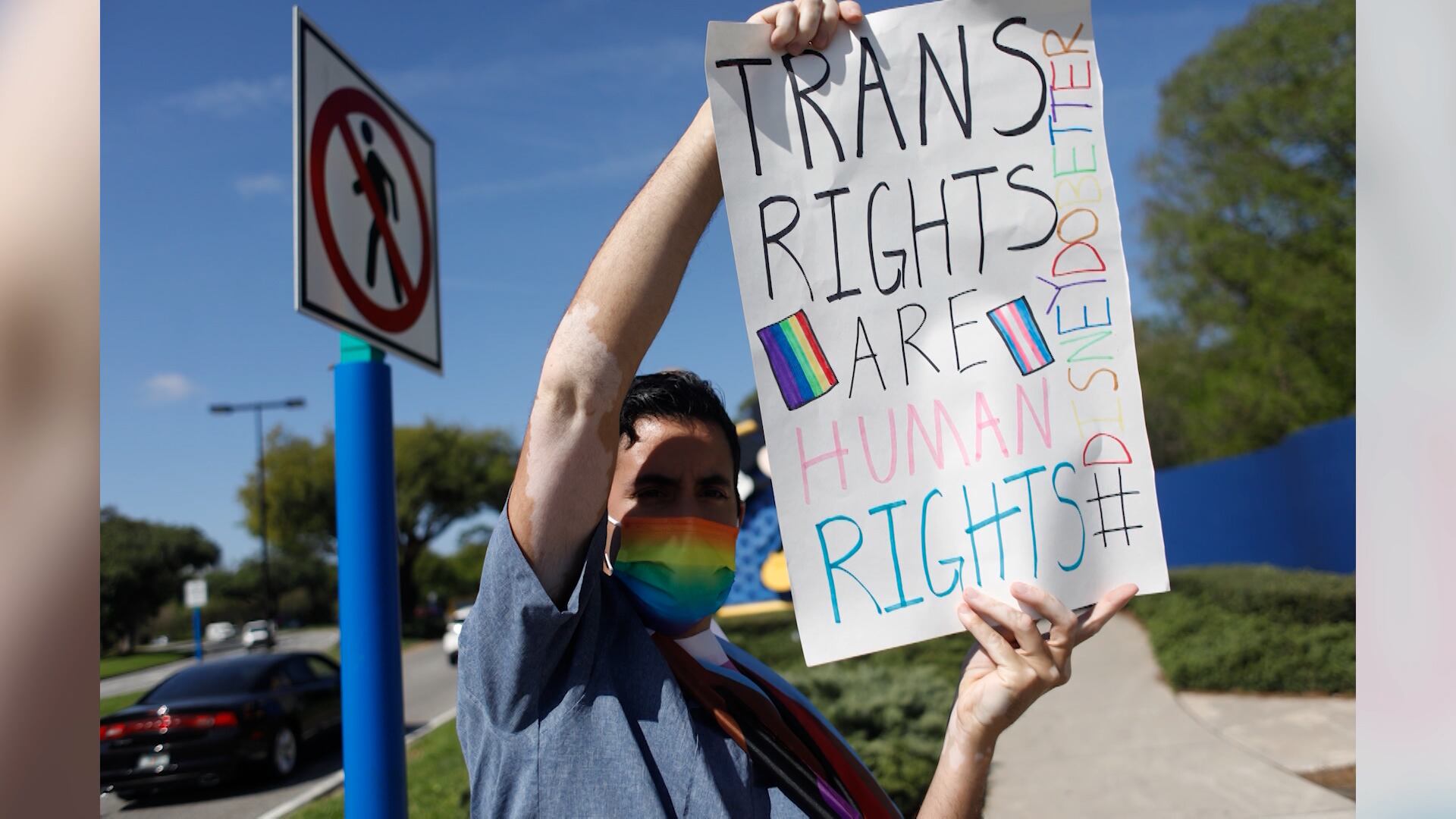
As of March 2022, almost 200 Anti-LGBT+ bills have been introduced in state governments across the country — especially directed at the transgender community. Human Rights Campaign State Legislative Director and Senior Counsel Cathryn Oakley joined Cheddar News to discuss the deluge of legislation. "Unfortunately we are seeing these bills come at transgender youth from every conceivable direction," she said. "Every support that a trans kid has, whether that's their parents, whether that's their family, whether that's their teachers or their guidance counselors or their coaches, whether it's their teammates or the librarians and the books that they read, whether it's curriculum, whether it's even just the ability to acknowledge that LGBTQ people have existed throughout history and are important in the fabric of modern American society. The bills that we are seeing filed across the country are targeting all of those pieces."
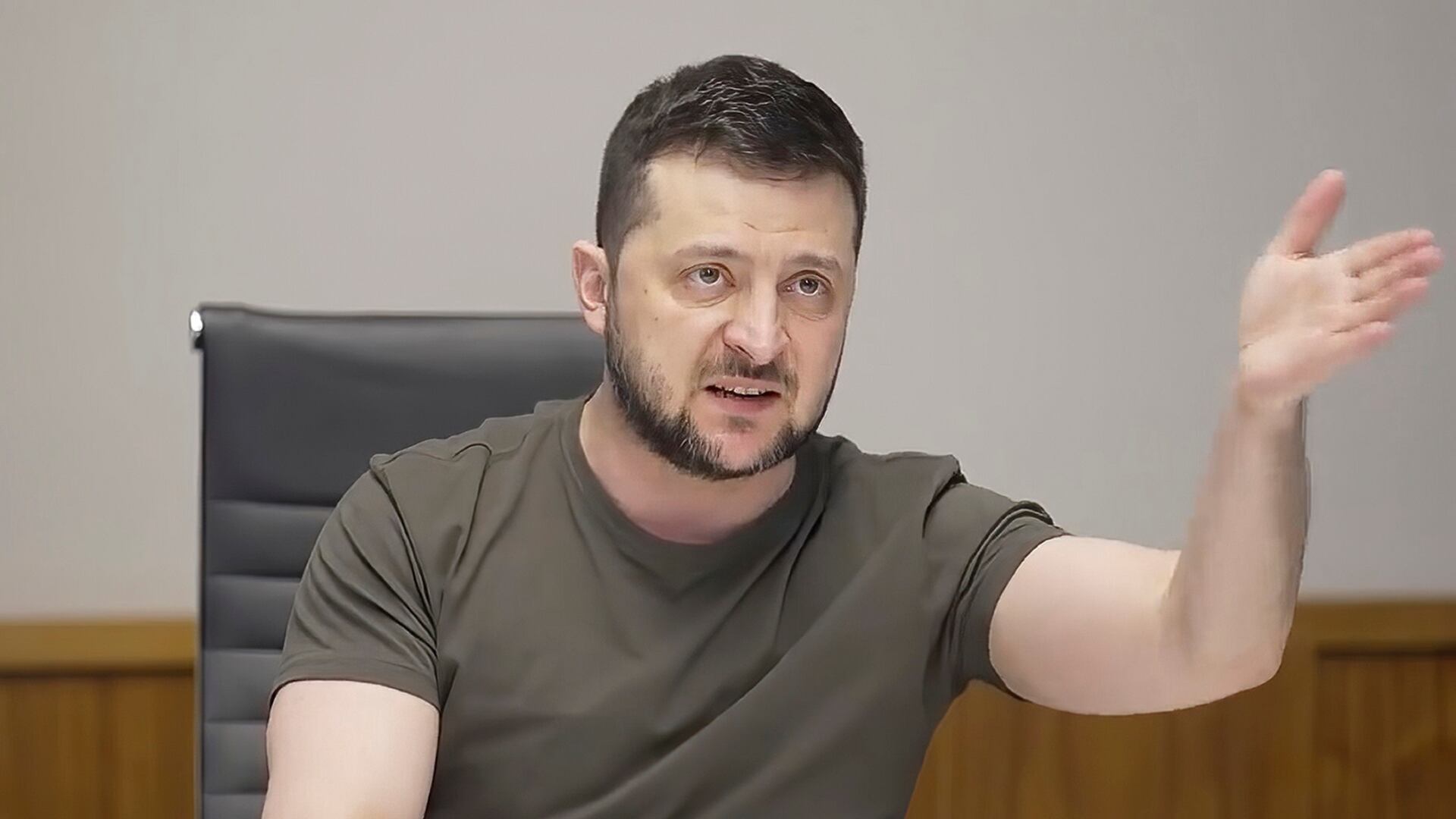
President Volodymyr Zelenskyy last week seemed to have put out a video that urged Ukrainians to put down their arms and surrender to Russia. It was later revealed that it was a “deepfake,” a computer-generated video to mimic the Ukrainian leader. Cheddar News speaks with security expert Morgan Wright about how the technology is being used in the war in Ukraine.