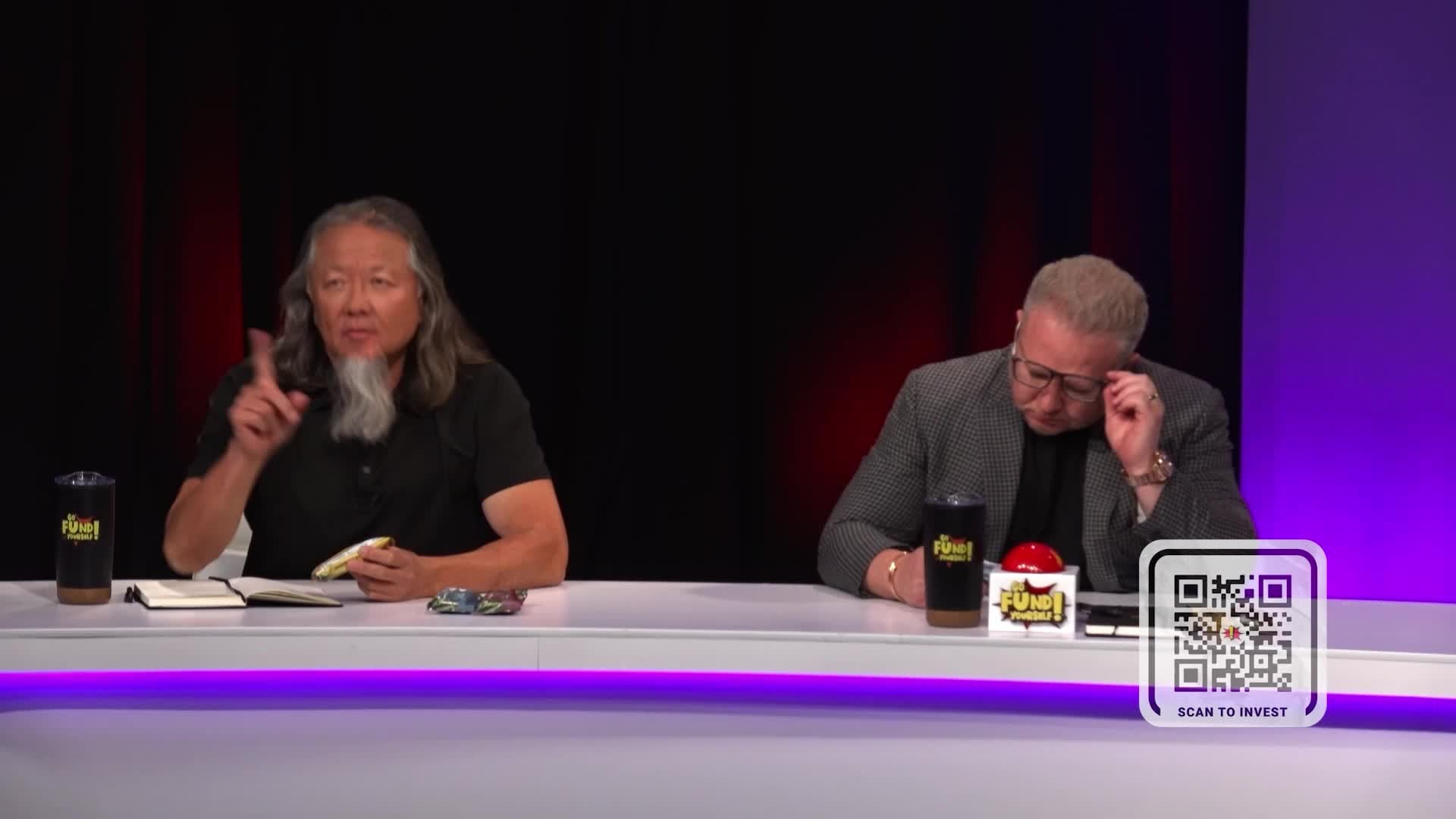
The governor's race is on the ballot in Utah this year. Despite the vitriol commonly seen spewing between candidates in races across the country, the two major-party candidates here, Republican Lieutenant Governor Spencer Cox and Democratic challenger Chris Peterson have linked arms for an unconventional campaign ad, displaying a united front.
The promotion provides a look at civil discourse between two opposing candidates and the ideas they share on how to move the state forward. The candidates both agree that, through the commercial, Americans can see that those with opposing views can still tackle the toughest problems without being disrespectful toward one another.
“It really is the foundation of our country and these democratic principles that we hold so dear," Cox told Cheddar. "For 240 years we’ve been figuring out ways to get along, even when we disagree; and it just feels, in the current climate, like it’s more important than ever that we remind people that we are Americans first.”
While civility between politicians is not at the level it had been in some previous years, these candidates hope to inspire other lawmakers nationwide to take a more active approach to restore it in politics.
For Peterson, the divisive path America has traveled down is a threat to democracy.
“I worry that we're losing sight of the fact that we’re all one nation and not separate political tribes,” he said.
Spencer is calling on Americans to practice the same civility they expect from elected officials.
“That means being more civil on Facebook, on Twitter. Not surrounding ourselves with voices like ours. Not degrading and demeaning the other side but really trying to listen to learn and listen to understand,” Cox said.
The pair’s unconventional method of reaching the voters in Utah has even opened up the possibility of the two working together once a winner is declared — the results both have agreed to accept once announced.
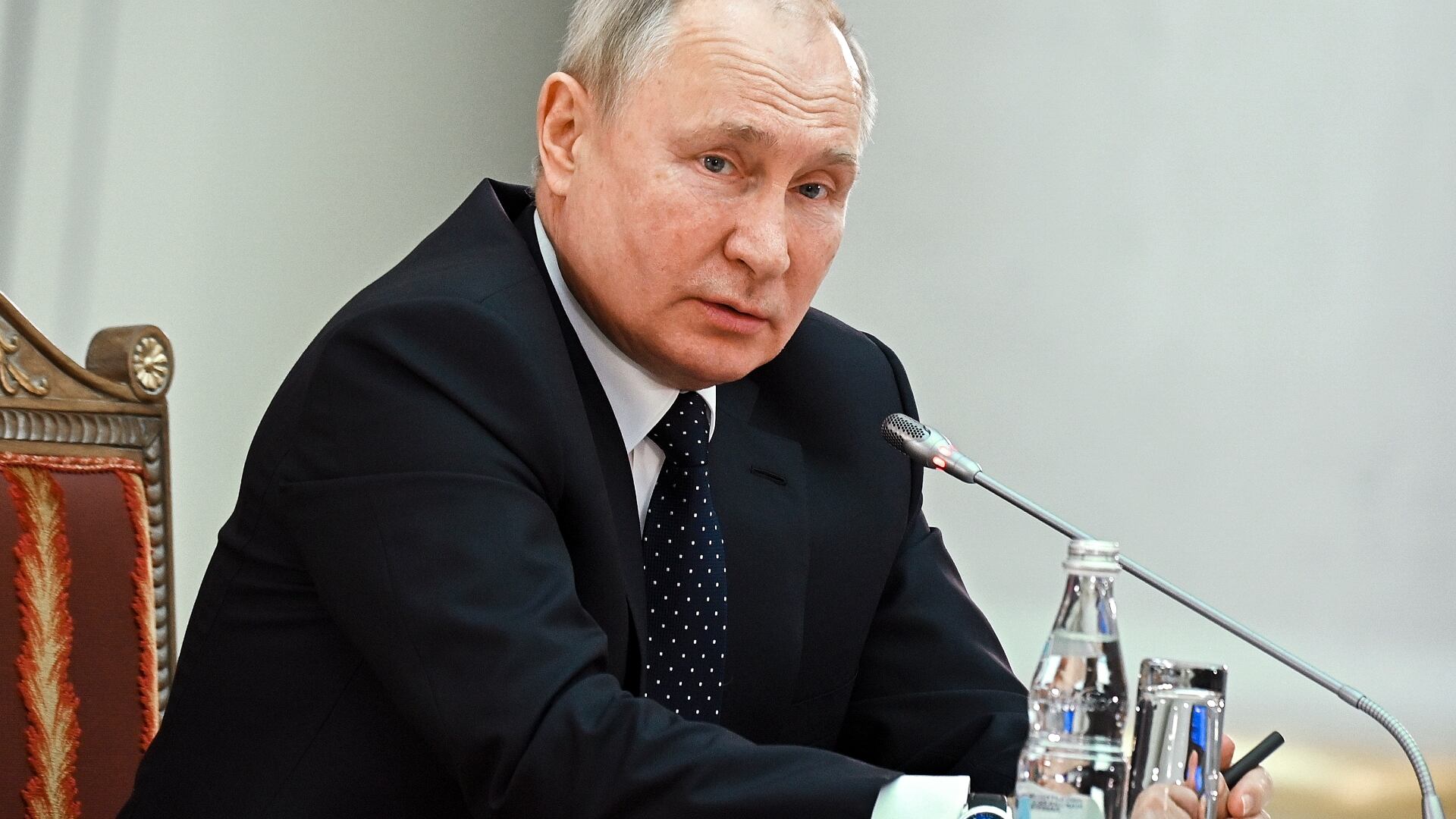
Matt Hayden, vice president of govtech solutions at Exiger and a former assistant secretary of cyber at Department of Homeland Security, joined Cheddar to discuss the surprise phone call initiated by Russian President Vladimir Putin to President Joe Biden, ahead of January security talks about the rising tensions over Ukraine. "We're hoping to hear that we're able to talk about the aggression and the leadup of the Ukrainian militarization," Hayden said. "But we're also looking to hear is how the Kremlin leveraged their talking points to try to test their negotiation stance with the United States leading into this January 10th meeting."
The No Surprises Act begins implementation on January 1, 2022. The legislation is meant to curb the practice of unexpected billing for care from providers the patient was unaware were out-of-network from their insurance. Patricia Kelmar, director of health care campaigns for U.S. PIRG joined Cheddar to describe the hundreds, sometimes thousands, of dollars charged to unsuspecting patients and how things will change under the new law. "If we are picking an in-network doctor and an in-network hospital, we should not see those added costs from anesthesiologists, radiologists, scrub-in surgeons," she said. "The other area it protects you is in air ambulances — not ground ambulances, unfortunately — but the helicopters or the airplanes you might need to transport you in an emergency situation."
President Joe Biden and Russian President Vladmir Putin are expected to have another conversation surrounding escalating tensions between Russia and Ukraine. Ariel Cohen, senior fellow at the Atlantic Council, joined Cheddar's Ken Buffa to discuss the ongoing tensions and why Putin's request for a conversation with Biden comes now. "This is very serious. This is the worst security crisis we had since the collapse of the Soviet Union," Cohen told Cheddar.
Stocks closed mixed on Wednesday, but two indexes - the Dow and the S&P 500 - ended the session with a new record. Akshata Bailkeri, Equity Analyst at Bruderman Asset Management, joins Cheddar News' Closing Bell, where she says there is a consensus for robust consumer spreading in 2022, especially as the Omicron variant is proving to be milder than other COVID-19 strains.
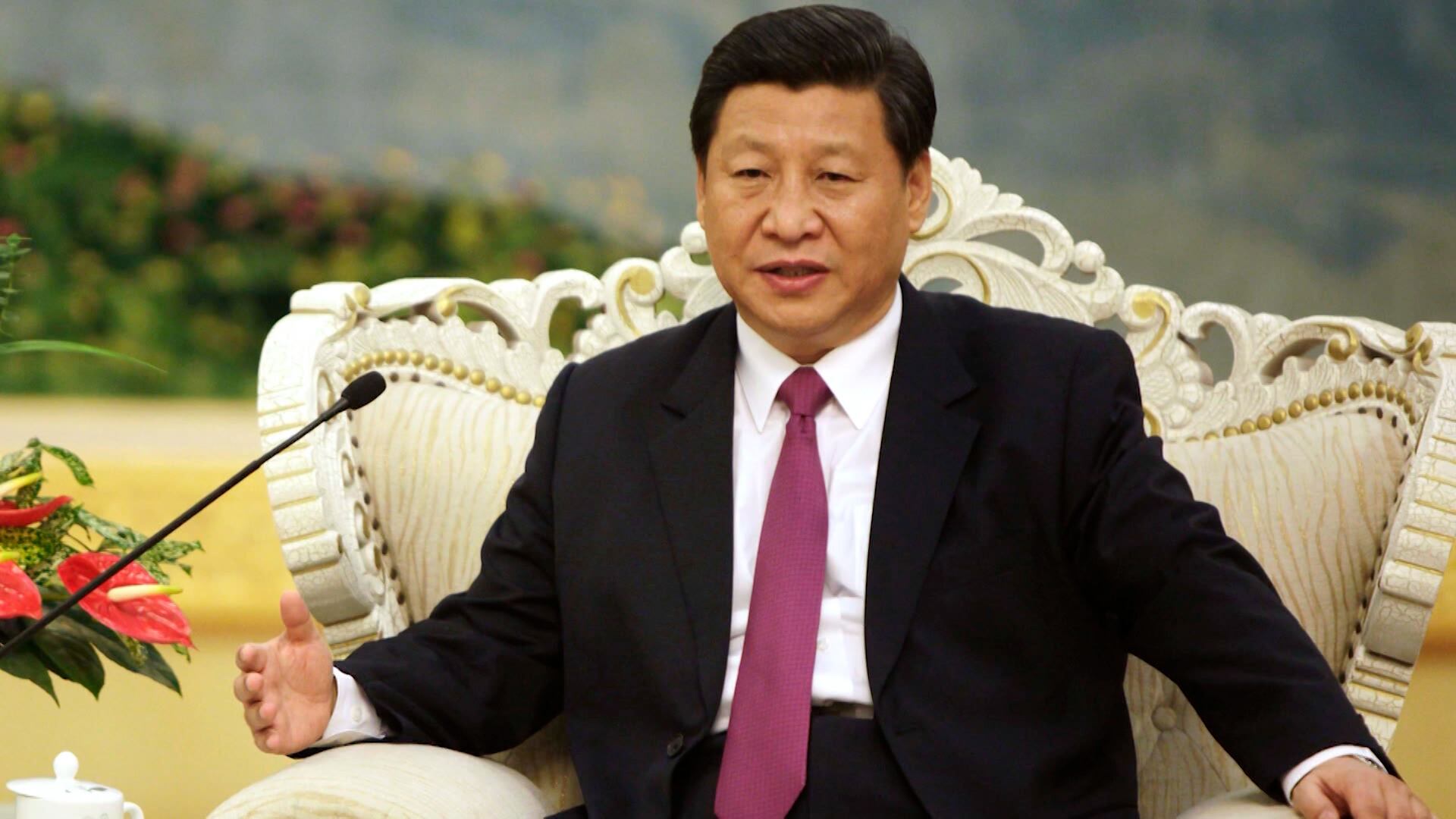
John Quelch, Dean of Miami Herbert Business School, joins Cheddar News' Closing Bell, where he says the retail giant is acting in accordance to President Biden's new law banning goods from China's Xinjiang region. Quelch also elaborates on the importance of China in Walmart's overall strategy.