Using Art to Advertise with The California Sunday Magazine and Dropbox Paper
When Dropbox wanted to advertise their product, "Dropbox Paper," they were looking to tap into the young creatives market. Dropbox turned to The California Sunday Magazine, but instead of taking out an ad in their paper, Dropbox went a more creative route by creating an ad that illustrates the process of using Dropbox Paper.
Dropbox Paper teamed up with the weekend magazine to show how creatives can collaborate from all corners of the world through the cloud. The project resulted in three unique films, created by 25 individuals, across 3 continents, and 6 different time zones. These team members never met, but were still able to create together.
Chas Edwards, President and Publisher of The California Sunday Magazine, joins Cheddar to explain how this initiative is an illustration of where the advertising world is going. Consumers don't want to be served ads, they want to consume more content.
Meta, Facebook’s parent company, hired a Republican consulting firm called Targeted Victory to “orchestrate a nationwide campaign” against TikTok, The Washington Post reported on Wednesday.
Mortgage rates reach sky-high levels amid the spring prime time for house buying. Lawrence Yun, the chief economist for the National Association of Realtors, joined Cheddar News to talk about what buyers should be looking for this season. “The only way to make affordability better is to assure that we have increased supply assure that the home builders are not facing any artificial barriers," he said. "We need to construct more homes, also construct more apartment buildings, because rents are rising very fast for the renters."
A federal judge has given the go-ahead for a class-action lawsuit against Facebook parent company Meta over allegations it exaggerated its advertising reach and overcharged advertisers. Jon Swartz, a senior reporter for MarketWatch, joined Cheddar News to give his take on the impact the legal action might have on the social media giant. "Remember Facebook is the ultimate Teflon company in tech. FTC investigates, it's constantly being accused of anything from the left to the right in terms of misinformation, yet it continues because it's the biggest brand of its kind and number one in terms of what it tries to do. It continues to benefit," he said. "So it's going to take something magnificent, not a class action suit, but something bigger and beyond that to knock them off the rails."
If you have a minute, Protégé thinks it might be enough to get your talent noticed by stars and industry movers like DJ Khaled. Jackson Jhin, co-founder and CEO of the platform, talked to Cheddar about how the services might better democratize access to performing arts like music and acting. "You have 60 seconds to send a video to the best experts in each industry and send it to people who otherwise would have been inaccessible," he noted. For a wide-ranging fee, applicants can submit their work to garner feedback from folks like Jason Alexander or Scooter Braun — with a money-back guarantee, according to Jhin.
Job openings hovered at a near-record level in February, little changed from the previous month, continuing a trend that Federal Reserve officials see as a driver of inflation.
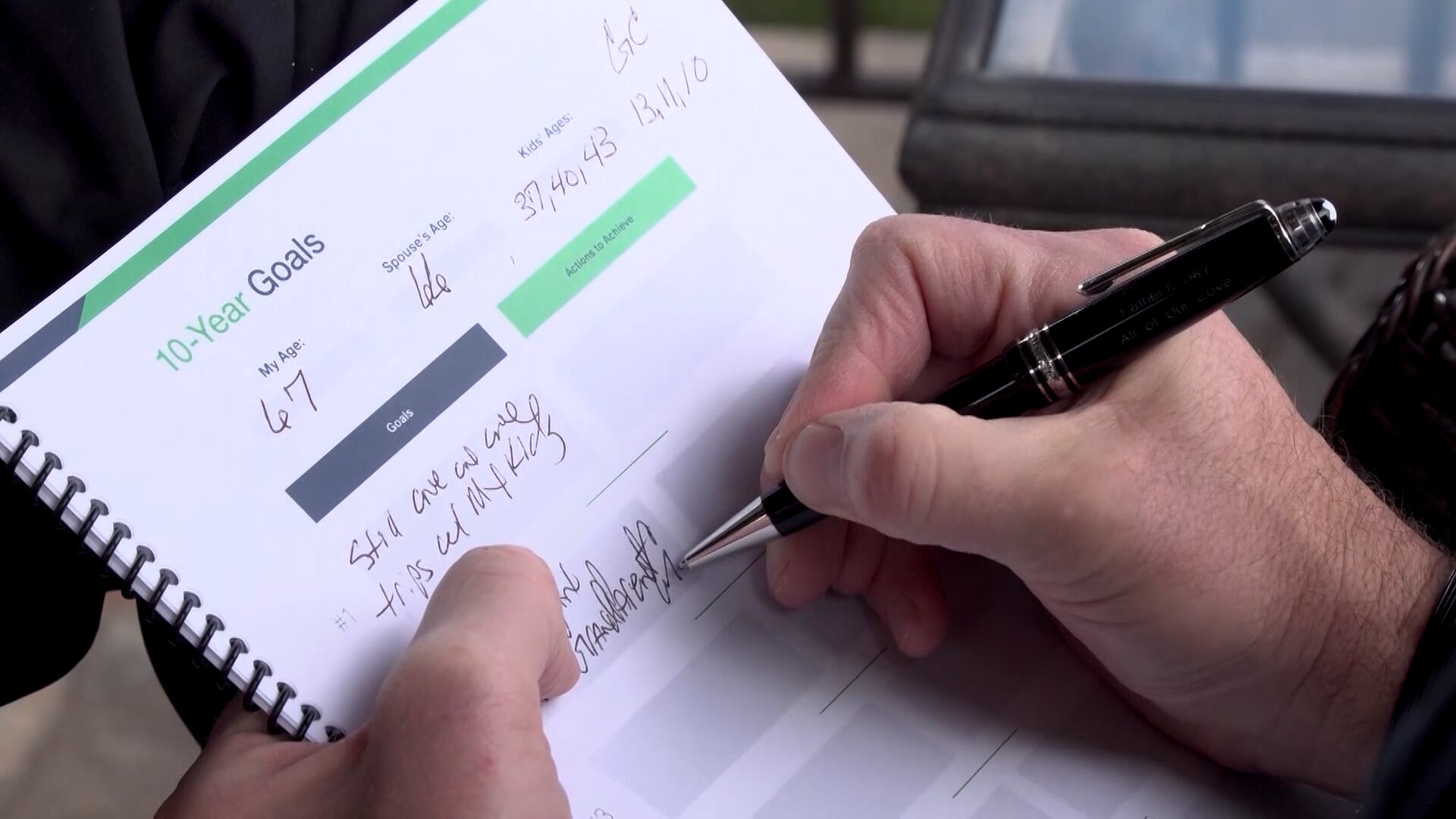
Ron Carson, CEO and Founder of Carson Wealth, sits down with Cheddar's Hena Doba to share how the blueprinting process keeps him on track to achieve goals and live life by his own design.
Around 4.4 Million Americans have either quit their jobs or changed them this past February. The high turnover comes as the Bureau of Labor reported that there were more than 11.3 million job openings despite 6.7 million people getting hired.
The office real estate market might be in trouble, as vacancy rates in major cities remain across the country, even as COVID restrictions continue to fall away. Ryan Severino, the chief economist for real estate and investment management firm JLL, joined Cheddar's Opening Bell to discuss the latest office trends and why some may be concerning for the broader economy. "There are knock-on ramifications for a lot of the ancillary industries that support office workers," he said. "If you think about coffee shops, places that someone might go out to get lunch or a drink or dinner after work, those are obviously still feeling the brunt of people not being physically back in office spaces the way that they were before the pandemic."