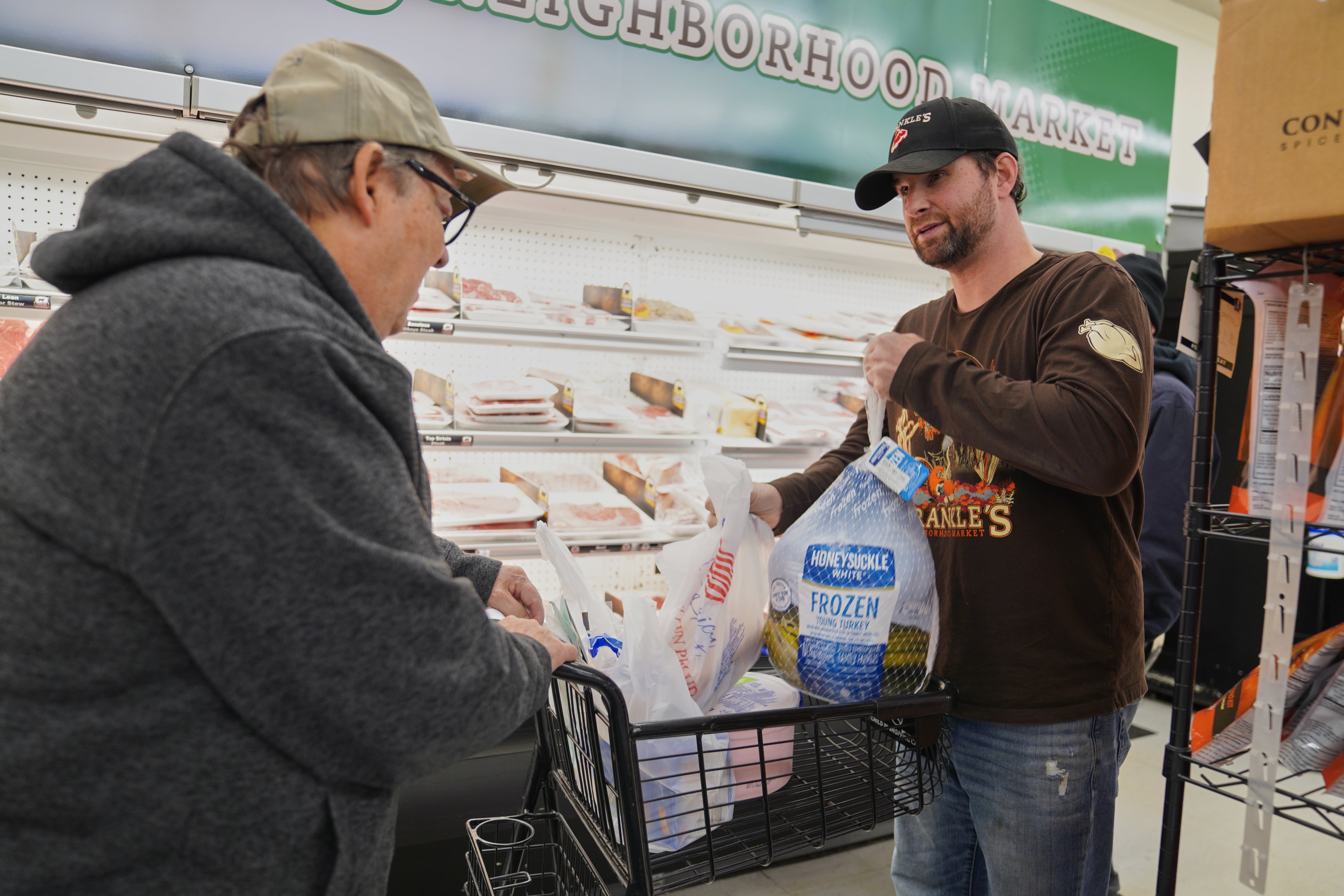
The U.S. Department of Agriculture is proposing a new rule to narrow what products qualify for a "Product of USA” or “Made in the USA” label. Now only meat, poultry and egg products from animals "born, raised, slaughtered, and processed in the United States" will make the grade.
Right now, companies can put that label on meat from animals that were raised in a foreign country but slaughtered in the U.S., or meat that was butchered in a different country but repackaged here.
The agency said the change delivers on President Joe Biden's executive order to promote American products and producers, and another order from the administration calling for government action to increase competition in the meat and poultry supply chain.
“American consumers expect that when they buy a meat product at the grocery store, the claims they see on the label mean what they say,” said Agriculture Secretary Tom Vilsack in a press release. “These proposed changes are intended to provide consumers with accurate information to make informed purchasing decisions."
However, the label will continue to be voluntary, and producers still won't need approval by the USDA's Food Safety and Inspection Service (FSIS). Companies just need to keep supporting documentation on file for an inspector to verify at their discretion.
As commercial options tighten, more travelers are turning to private aviation. Wheels Up CEO George Mattson breaks down capacity and demand challenges.
Layoffs, hiring slowdowns, and shifting skill demands dominate this year’s job talk. LinkedIn’s Kory Kantenga explains what workers should watch for next.
Retailers face tariffs and cost challenges this holiday season. Wells Fargo's Lauren Murphy shares insights on pricing, promotions, and shopping trends.
Dateability, founded by sisters Jacqueline and Alexa Child, is the only dating app for disabled and chronically ill communities, fostering love without limits.
Some small grocery stores and neighborhood convenience stores are eager for the U.S. government shutdown to end and for their customers to start receiving federal food aid again. Late last month, the Trump administration froze funding for the SNAP benefits that about 42 million Americans use to buy groceries. The U.S. Department of Agriculture says about 74% of the assistance was spent last year at superstores like Walmart and supermarkets like Kroger. Around 14% went to smaller stores that are more accessible to SNAP beneficiaries. A former director of the United Nations World Food Program says SNAP is not only a social safety net for families but a local economic engine that supports neighborhood businesses.
Andy Baehr, Head of Product at CoinDesk Indices, breaks down crypto’s Black Friday crash, Bitcoin dipping under $100K, and what’s driving the market rout.