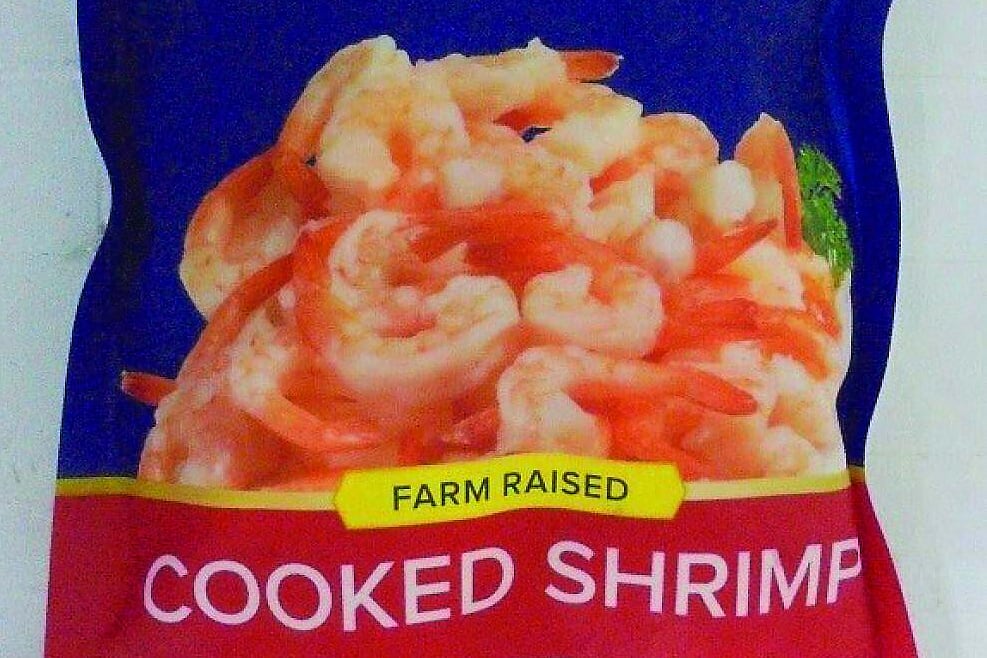
The U.S. Department of Agriculture is proposing a new rule to narrow what products qualify for a "Product of USA” or “Made in the USA” label. Now only meat, poultry and egg products from animals "born, raised, slaughtered, and processed in the United States" will make the grade.
Right now, companies can put that label on meat from animals that were raised in a foreign country but slaughtered in the U.S., or meat that was butchered in a different country but repackaged here.
The agency said the change delivers on President Joe Biden's executive order to promote American products and producers, and another order from the administration calling for government action to increase competition in the meat and poultry supply chain.
“American consumers expect that when they buy a meat product at the grocery store, the claims they see on the label mean what they say,” said Agriculture Secretary Tom Vilsack in a press release. “These proposed changes are intended to provide consumers with accurate information to make informed purchasing decisions."
However, the label will continue to be voluntary, and producers still won't need approval by the USDA's Food Safety and Inspection Service (FSIS). Companies just need to keep supporting documentation on file for an inspector to verify at their discretion.
Hear from Gabino & Stephen Roche on Saphyre’s institutional AI platform that centralizes pre‑ and post‑trade data, redefining settlement speed and accuracy.
Elon Musk’s X has reached a tentative settlement with former employees of the company then known as Twitter who’d sued for $500 million in severance pay.
Federal Reserve governor Lisa Cook late Wednesday said she wouldn’t leave her post after Trump on social media called on her to resign over an accusation from one his officials that she committed mortgage fraud.
Explore how Guident’s cutting-edge software is shaping the future of autonomous vehicles with CEO Harald Braun. Safety, control & AI at the wheel of innovation.
Wondercraft co-founder Oskar Serrander discusses the booming AI audio industry, deepfake risks, and the growing market for synthetic, AI-generated content.