The number of Americans applying for unemployment benefits fell for the sixth straight week as the U.S. economy, held back for months by the coronavirus pandemic, reopens rapidly.
Jobless claims fell by 9,000 to 376,000 from 385,000 the week before, the Labor Department reported Thursday. The number of people signing up for benefits exceeded 900,000 in early January and has fallen more or less steadily ever since. Still, claims are high by historic standards. Before the pandemic brought economic activity to a near-standstill in March 2020, weekly applications were regularly coming in below 220,000.
Nearly 3.5 million people were receiving traditional state unemployment benefits the week of May 29, down by 258,000 from 3.8 million the week before.
Businesses are reopening rapidly as the rollout of vaccines allows Americans to feel more comfortable returning to restaurants, bars and shops. The Labor Department reported Tuesday that job openings hit a record 9.3 million in April. Layoffs dropped to 1.4 million, lowest in records dating back to 2000; 4 million quit their jobs in April, another record and a sign that they are confident enough in their prospects to try something new.
“As life normalizes and the service sector continues to gain momentum, we expect initial jobless claims to continue to trend lower,″ said Joshua Shapiro, chief U.S. economist at the economic and financial consulting firm Maria Fiorini Ramirez, Inc.
In May, the U.S. economy generated 559,000 million new jobs, and the unemployment rate dropped to 5.8% from 6.1% in April. Many economists expected to see even faster job growth. The United States is still short 7.6 million jobs from where it stood in February 2020.
But employers are posting vacancies faster than would-be applicants can fill them. Many Americans are contending with health and childcare issues related to COVID-19 and with career uncertainty after the coronavirus recession wiped out many jobs for good. Some are taking their time looking for work because expanded federal jobless benefits pay more than their old jobs.
Many states are scheduled to begin dropping the federal benefits this month. Altogether, 15.3 million people were receiving some type of jobless aid the week of May 22; a year earlier, the number exceeded 30 million.
Kevin Book, Managing Director at Clearview Energy Partners, breaks down the factors that impact the price of gas and what this means for renewable energy initiatives.
Kelsey Sutton, streaming editor at Adweek, talks about the offers going on during Disney+ Day and what the entertainment giant is doing to boost subscriber growth.
We are just one day away from what has been called the most influential tech event in the world. CES 2022 will officially kick off on Wednesday in Las Vegas, but the annual tech summit is being impacted by COVID-19, like so many other recent events. The Consumer Technology Association originally planned for a hybrid event to take place from January 5-8, with some in-person events and some virtual; however, a few big-name companies announced they will not be attending in-person, so the CTA decided to shorten the event by one day, with it now ending on Friday. Consumer electronics senior analyst Will Greenwald joins Cheddar News' Closing Bell to discuss.
Stocks closed mixed Tuesday, with the Dow hitting a record close, but the tech-heavy Nasdaq remained under pressure as bond yields continue to rise. Meanwhile, the S&P 500 closed lower, just shy of a record high. Nancy Prial, Co-CEO & Senior Portfolio Manager of Essex Investment Management joins Cheddar News' Closing Bell to discuss today's close, market predictions for 2022, and more.
This year - for the first time in five years - store openings might actually top announced store closings. Reports show that we're seeing companies opening up new locations by the dozens, and by the hundreds. The need for customers to touch and feel its' products is only one factor in the equation. John Harmon, senior analyst at Coresight Research, joins Cheddar News' Closing Bell to discuss.
Harry Yeh, Managing Director at Quantum Fintech Group, joins Cheddar News' Closing Bell, where he explains why his firm has a target estimate of $400,000 for Bitcoin this year.
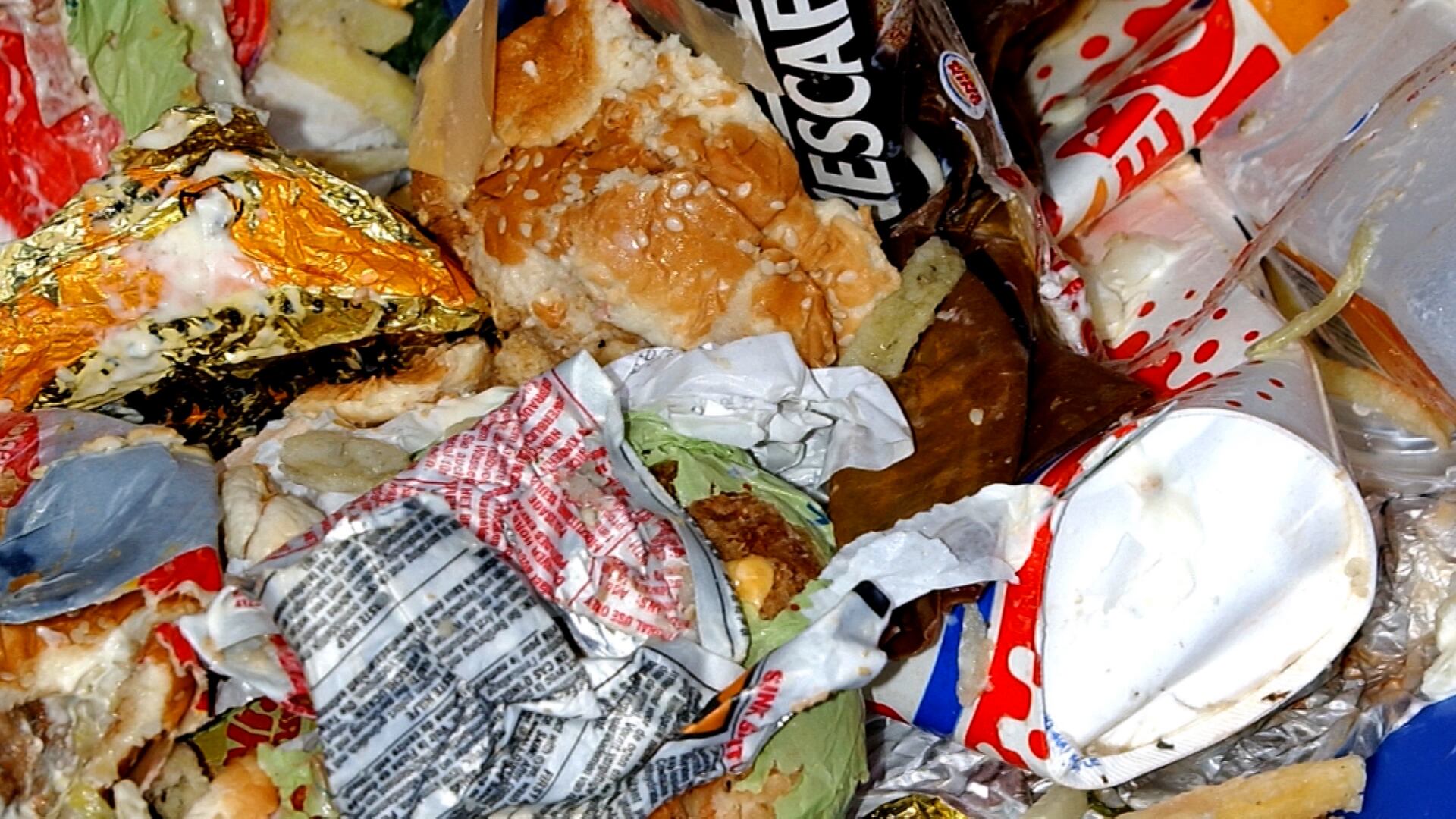
California's new composting law will affect what residents do in their kitchens. As of this week, Californians will have to recycle excess food in an effort to reduce emissions caused by food waste. Cities and counties will turn recycled food into compost or use it as a renewable energy source. California's new law is the largest mandatory residential food waste recycling program in the country. Rachel Wagoner, Director of the California Department of Resources, Recycling and Recovery called the law 'the biggest change to trash' since recycling started in the 1980s. She joined Cheddar Climate to discuss.
Like the big changeover to e-commerce for retail, the COVID-19 pandemic has moved car buying trends to the digital showroom. Karl Brauer, an executive analyst at iSeeCars.com, joined Cheddar to talk about the "mindset shift" in consumers and businesses to order-based systems in the United States (something more common in other countries). While more than 60 percent of consumers still prefer to visit dealerships in-person, Brauer noted that consumers are better off ordering a car to spec, which would also help improve supply constraints. "It's really bad right now to be building cars and not really knowing who's going to buy them or when they're going to sell," he said. Manufacturing a car to order would maximize the efficiency of obtaining materials through the supply chain rather than "shotgunning it" at dealerships.
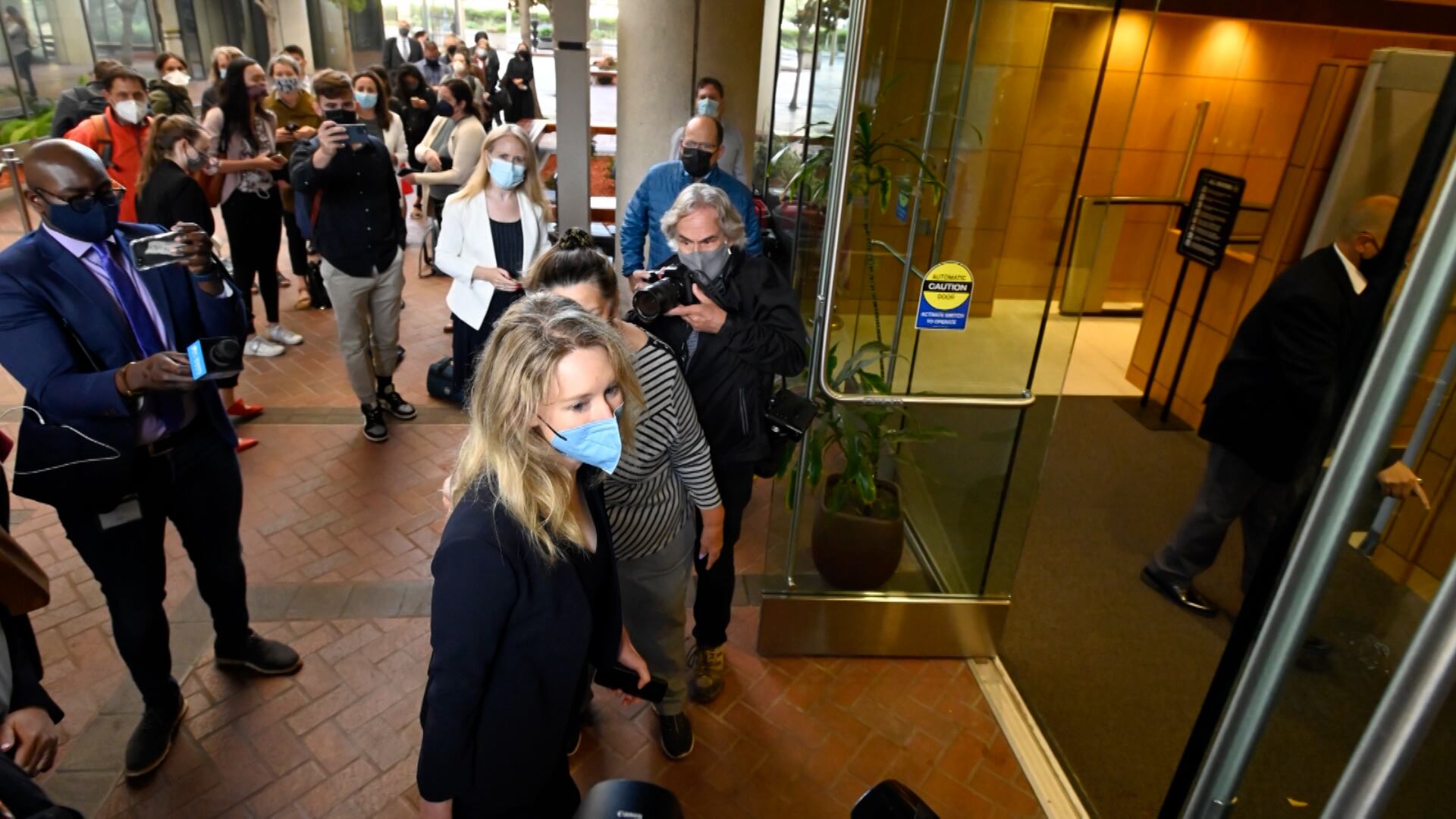
Mark MacDougall, attorney and former prosecutor with the criminal division of the Department of Justice, joined Cheddar to discuss the fraud conviction of Theranos founder Elizabeth Holmes. MacDougall addressed Holmes' stance that what she did was no different than any other Silicon Valley startup's approach to business and how this will shake out for the industry going forward. "I can't imagine it doesn't have some salutary effect on entrepreneurs and people involved in new ventures going forward," he said. Holmes was found guilty on 4 of 11 counts, with each carrying a maximum of 20 years in prison, but MacDougall explained that the lengthy prison sentences were unlikely.