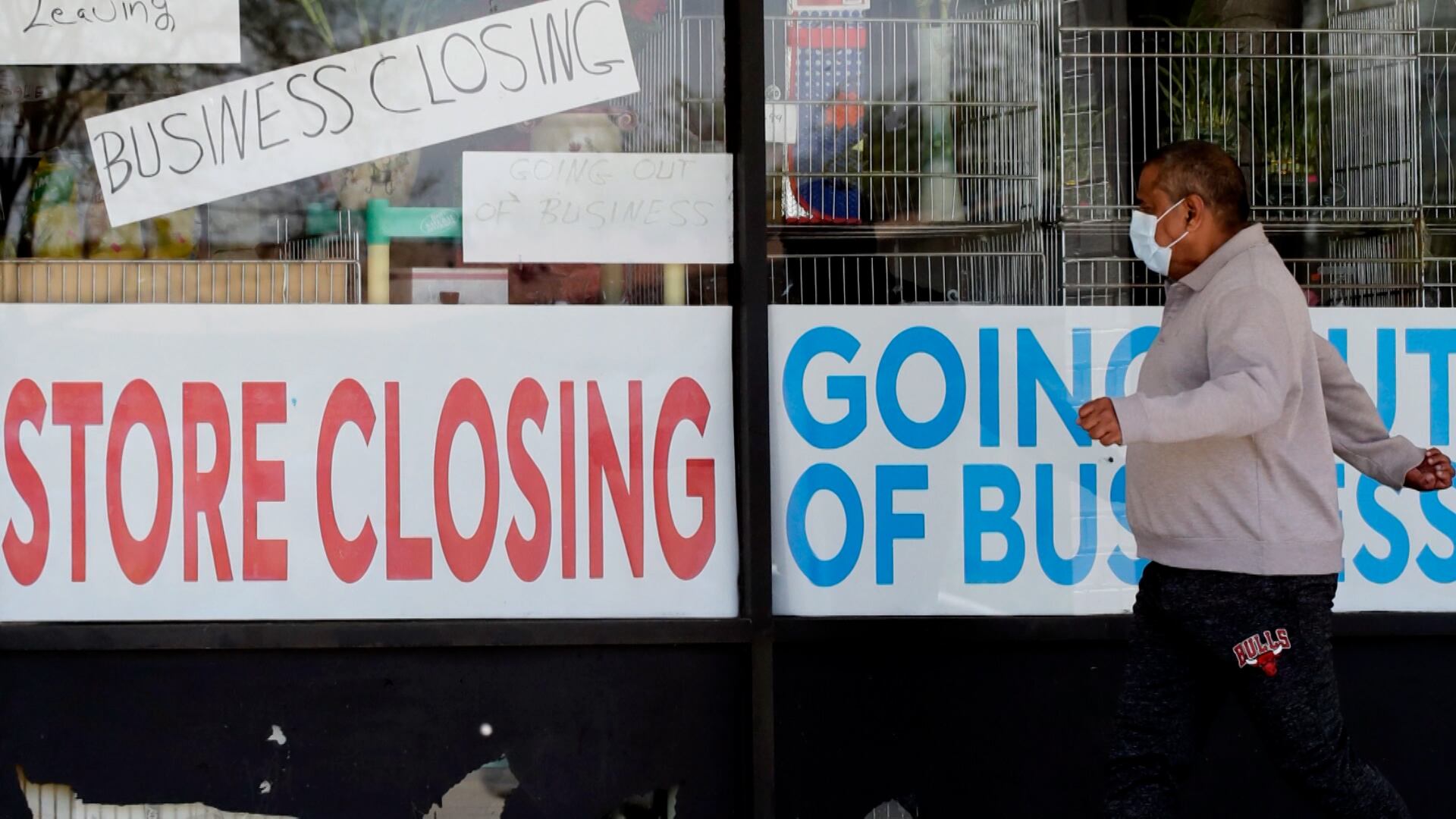
The number of Americans applying for unemployment benefits fell for the sixth straight week as the U.S. economy, held back for months by the coronavirus pandemic, reopens rapidly.
Jobless claims fell by 9,000 to 376,000 from 385,000 the week before, the Labor Department reported Thursday. The number of people signing up for benefits exceeded 900,000 in early January and has fallen more or less steadily ever since. Still, claims are high by historic standards. Before the pandemic brought economic activity to a near-standstill in March 2020, weekly applications were regularly coming in below 220,000.
Nearly 3.5 million people were receiving traditional state unemployment benefits the week of May 29, down by 258,000 from 3.8 million the week before.
Businesses are reopening rapidly as the rollout of vaccines allows Americans to feel more comfortable returning to restaurants, bars and shops. The Labor Department reported Tuesday that job openings hit a record 9.3 million in April. Layoffs dropped to 1.4 million, lowest in records dating back to 2000; 4 million quit their jobs in April, another record and a sign that they are confident enough in their prospects to try something new.
“As life normalizes and the service sector continues to gain momentum, we expect initial jobless claims to continue to trend lower,″ said Joshua Shapiro, chief U.S. economist at the economic and financial consulting firm Maria Fiorini Ramirez, Inc.
In May, the U.S. economy generated 559,000 million new jobs, and the unemployment rate dropped to 5.8% from 6.1% in April. Many economists expected to see even faster job growth. The United States is still short 7.6 million jobs from where it stood in February 2020.
But employers are posting vacancies faster than would-be applicants can fill them. Many Americans are contending with health and childcare issues related to COVID-19 and with career uncertainty after the coronavirus recession wiped out many jobs for good. Some are taking their time looking for work because expanded federal jobless benefits pay more than their old jobs.
Many states are scheduled to begin dropping the federal benefits this month. Altogether, 15.3 million people were receiving some type of jobless aid the week of May 22; a year earlier, the number exceeded 30 million.
Amy Landers, Director of the Intellectual Property Concentration at Drexel University, breaks down what the Google-Sonos lawsuit means for consumers and addresses concerns about big corporations monopolizing patents within specific industries.
Kris Ruby, CEO of Ruby Media Group, talks about the challenges brands have retaining customers and how crypto is becoming a popular reward among brands.
While the pandemic caused financial troubles for many, the unique circumstances of the last two years proved helpful to many Americans. Whether it was the federal government's stimulus checks, expanded unemployment insurance, or general lockdowns, recent data reveals that the covid-19 pandemic helped many reach financial security. Neale Godfrey, Financial Expert and New York Times #1 Best Selling Author joined Cheddar's Opening Bell to discuss.
Take-Two Interactive is set to buy Zynga for $12.7 billion. The deal marks the latest blockbuster acquisition in the video game industry. The massive deal will bring the maker of popular mobile games like 'Farmville' and 'Words with Friends' under the scope of Take-Two, the company behind 'Grand Theft Auto' and 'NBA 2K.' Kenny Rovello, President & Co-Founder of Arkadium, joined Cheddar's Opening Bell to discuss.
GameStop is getting into the NFT and crypto space. The video game retailer announced the launch of an entire division aimed at creating a marketplace for NFTs and other crypto partnerships. The move comes as part of a turnaround plan by GameStop which has struggled in recent years as gamers shift away from physical game releases. Patrick McConlogue, CEO, Overline & Former Citadel Investment Group Engineer joined Cheddar's Opening Bell.
Philip Levine, Former Mayor of Miami Beach & Cruise Industry Expert, breaks down the challenges cruise operators are facing as COVID-19 cases rise, and provides insight on what the future of the industry may look like.
Jill Klindt, CFO of Workiva, talks about the challenges corporations have implementing ESG initiatives and how CFO's can build a trusted sustainable future.
Matt Orton, Chief Market Strategist at Carillon Tower Advisers, talks about the near-term risks to the market as Fed monetary policy accelerates and highlights areas of the tech sector that may be under-valued.
John Petrides, Portfolio Manager at Tocqueville Asset Management, provides insight on the strength of the Financial sector and highlights opportunities companies have to boost the labor market.
Darren Schuringa, Founder and CEO of ASYMmetric ETFs, talks about the ripple effect inflation has on the market and highlights the areas of tech with growth potential.