The United States set another record for the number of air travelers since the pandemic set in, although passenger numbers remain far below 2019 levels.
Nearly 1.67 million people were screened at U.S. airport checkpoints on Sunday, according to the Transportation Security Administration. That was the highest number screened since March 12 of last year when air travel began to plummet.
However, it was still 35% below the number of airport travelers reported on the comparable Sunday in 2019, according to TSA figures.
Airlines started to see an increase in bookings around mid-February, and the TSA has screened at least 1 million people every day since March 11. Vacation destinations have been most popular — business travel, which is more profitable for airlines, remains drastically reduced.
Government restrictions are also sharply limiting international travel, another lucrative piece of the airline business.
Nearly 50 U.S. and U.K. travel-industry groups urged President Joe Biden and British Prime Minister Boris Johnson to lift restrictions on travel between the two countries. The groups said in a letter Monday that it would be ideal if the two leaders would announce “the full reopening of the U.S.-UK air travel market for both U.S. and UK citizens” before the G7 meeting in early June.
Airline executives are cautiously optimistic about summer travel as more Americans get vaccinated against COVID-19. The Centers for Disease Control and Prevention says it is safe for vaccinated people to travel within the United States, although it continues to warn against travel to most foreign countries.
Last week, the TSA extended its requirement that airline passengers wear face masks. That rule was set to expire May 11, but TSA extended it through mid-September.
Travelers should expect planes to be more full. Over the weekend, Delta Air Lines stopped blocking off middle seats. It was the last U.S. airline to limit seating as a safety precaution.
As commercial options tighten, more travelers are turning to private aviation. Wheels Up CEO George Mattson breaks down capacity and demand challenges.
Layoffs, hiring slowdowns, and shifting skill demands dominate this year’s job talk. LinkedIn’s Kory Kantenga explains what workers should watch for next.
Retailers face tariffs and cost challenges this holiday season. Wells Fargo's Lauren Murphy shares insights on pricing, promotions, and shopping trends.
Dateability, founded by sisters Jacqueline and Alexa Child, is the only dating app for disabled and chronically ill communities, fostering love without limits.
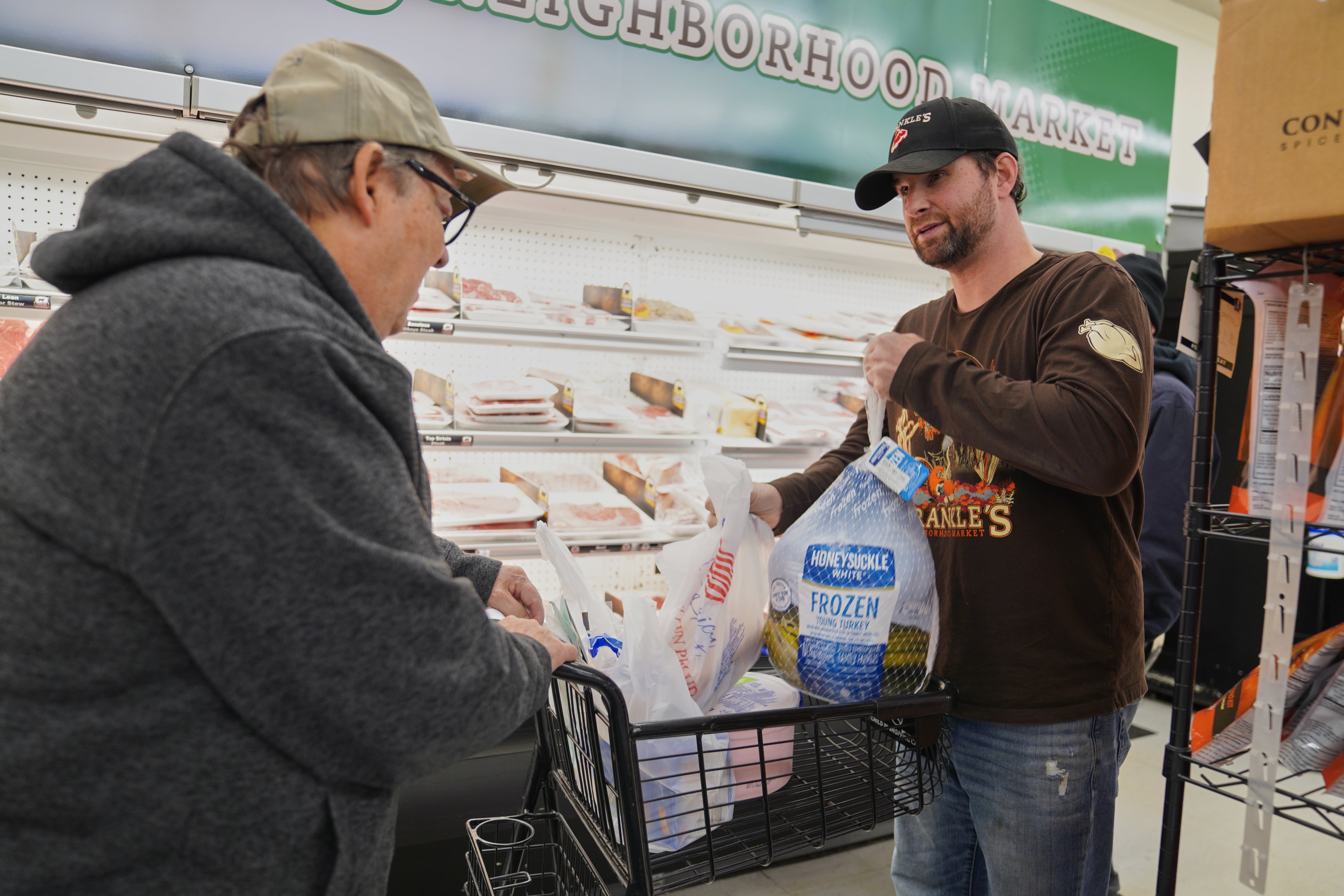
Some small grocery stores and neighborhood convenience stores are eager for the U.S. government shutdown to end and for their customers to start receiving federal food aid again. Late last month, the Trump administration froze funding for the SNAP benefits that about 42 million Americans use to buy groceries. The U.S. Department of Agriculture says about 74% of the assistance was spent last year at superstores like Walmart and supermarkets like Kroger. Around 14% went to smaller stores that are more accessible to SNAP beneficiaries. A former director of the United Nations World Food Program says SNAP is not only a social safety net for families but a local economic engine that supports neighborhood businesses.
Andy Baehr, Head of Product at CoinDesk Indices, breaks down crypto’s Black Friday crash, Bitcoin dipping under $100K, and what’s driving the market rout.