By Matthew Daly
The government will require heavy trucks and buses to include automatic emergency braking equipment within five years, the federal traffic safety agency said Thursday, estimating it will prevent nearly 20,000 crashes save at least 155 lives a year.
The announcement by the National Highway Traffic Safety Administration follows a similar move last month for all new passenger cars and light trucks. The actions represent the traffic safety agency’s latest efforts to regulate electronic systems that take on certain tasks that drivers themselves have normally handled. NHTSA has been reluctant in the past to impose such regulations, saying the technology would change during the time it took to enact new rules.
Ann Carlson, the safety agency’s chief counsel, said Thursday that automatic emergency braking systems will reduce the frequency and severity of rear-end crashes, as well as rollovers and accidents involving loss of driver control.
“Advanced driver assistance systems like AEB have the power to save lives,” she said at a news conference. The new requirement "is an important step forward in improving safety on our nation’s roadways by reducing — and ultimately eliminating — preventable tragedies that harm Americans.''
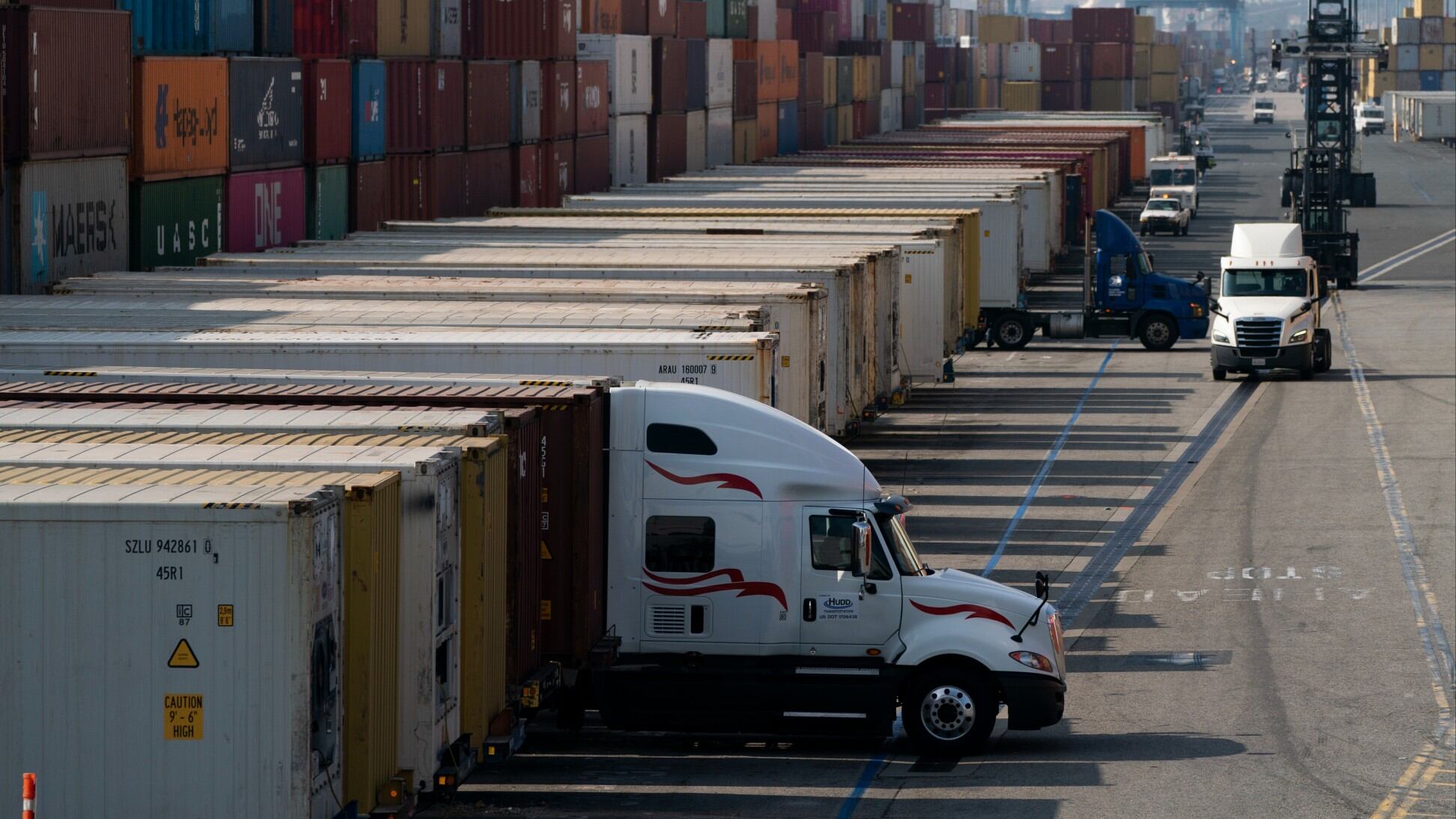
The proposed rule applies to new trucks and buses weighing at least 10,000 pounds and is expected to become final next year. The heaviest trucks — those over 26,000 pounds — will be required to install the braking system three years after the rule becomes final, while vehicles weighing between 10,000 and 26,000 pounds will have until 2028.
AEB systems use forward-facing cameras and sensor technologies to detect when a crash is imminent. The system automatically applies the brakes if the driver has not done so, or, if needed, applies additional braking force to supplement the driver’s actions. The proposed standard would require the technology to work at speeds ranging from 6 to 50 miles per hour.
The American Trucking Associations, the industry's largest lobbying group, welcomed the announcement.
“The trucking industry supports the use of proven safety technology like automatic emergency braking,” said Dan Horvath, the group's vice president of safety policy. “With NHTSA’s recent regulation requiring AEB on all new passenger vehicles, this proposal for heavy duty trucks is timely and appropriate.''
According to NHTSA statistics, there are about 60,000 rear-end crashes a year in which a heavy truck or bus is the striking vehicle. Once implemented, NHTSA estimates the proposed rule will prevent more than 19,000 crashes, save 155 lives and prevent nearly 9,000 injuries annually.
The agency says the rule on new passengers vehicles and light trucks will dramatically reduce rear-end crashes, saving at least 360 lives per year. It also is projected to cut injuries by at least 24,000 annually and reduce property damage.
The Transportation Department, which includes NHTSA, called the proposal an important step in the broader goal of reducing roadway deaths. The number of people killed on U.S. roads declined slightly last year, to 42,795, but still represents a national crisis, the agency said.
The announcements on automatic emergency brakes follow a provision in the 2021 infrastructure law requiring automatic braking in all vehicles, passenger and commercial.
As of December, a total of 15 automakers had included the technology standard on most or all new models. General Motors said automatic emergency braking will be standard on nearly all its vehicles by the end of the model year.
Automatic braking systems are not flawless. NHTSA has opened three investigations into systems from Tesla, Honda and Freightliner that activated the brakes for no apparent reason.