By Julie Watson and Carla K. Johnson
More than three months into the U.S. vaccination drive, many of the numbers paint an increasingly encouraging picture, with 70% of Americans 65 and older receiving at least one dose of the vaccine and COVID-19 deaths dipping below 1,000 a day on average for the first time since November.
Also, dozens of states have thrown open vaccinations to all adults or are planning to do so in a matter of weeks. And the White House said 27 million doses of both the one-shot and two-shot vaccines will be distributed next week, more than three times the number when President Joe Biden took office two months ago.
Still, Dr. Anthony Fauci, the government's top infectious disease expert, said Wednesday he isn’t ready to declare victory.
“I'm often asked, are we turning the corner?” Fauci said at a White House briefing. “My response is really more like we are at the corner. Whether or not we're going to be turning that corner still remains to be seen.”
What's giving Fauci pause, he said, is that new cases remain at a stubbornly high level, at more than 50,000 per day.
Nonetheless, the outlook in the U.S. stands in stark contrast to the deteriorating situation in places like Brazil, which reported more than 3,000 COVID-19 deaths in a single day for the first time Tuesday, and across Europe, where another wave of infections is leading to new lockdowns.
The gloom in Europe is compounded because the vaccine rollout on the continent has been slowed by production delays and questions about the safety and effectiveness of AstraZeneca's shot.
Public health experts in the U.S. are taking every opportunity to warn that relaxing social distancing and other preventive measures could easily lead to another surge.
Dr. Eric Topol, head of the Scripps Research Translational Institute, sees red flags in states lifting mask mandates, air travel roaring back and spring break crowds partying out of control in Florida.
“We’re getting closer to the exit ramp,” Topol said. “All we’re doing by having reopenings is jeopardizing our shot to get, finally, for the first time in the American pandemic, containment of the virus.”
Across the country are unmistakable signs of progress.
More than 43% of Americans 65 and older — the most vulnerable age group, accounting for an outsize share of the nation's more than 540,000 coronavirus deaths — have been fully vaccinated, according to the CDC. The number of older adults showing up in emergency rooms with COVID-19 is down significantly. Vaccinations overall have ramped up to 2.5 million to 3 million shots per day.
Deaths per day in the U.S. from COVID-19 have dropped to an average of 940, down from an all-time high of over 3,400 in mid-January.
Minnesota health officials on Monday reported no new deaths from COVID-19 for the first time in nearly a year. And in New Orleans, the Touro Infirmary hospital was not treating a single case for the first time since March 2020.
And Fauci cited two recent studies that show negligible levels of coronavirus infections among fully vaccinated health care workers in Texas and California.
“I emphasize how we need to hang in there for just a little while longer,” Dr. Rochelle Walensky, director of the Centers for Disease Control and Prevention, said Wednesday. That's because “the early data are really encouraging.”
Nationwide, new cases and the number of people hospitalized with COVID-19 have plummeted over the past two months, though Walensky remains concerned that such progress seemed to stall in the past couple of weeks. New cases are running at more than 53,000 a day on average, down from a peak of a quarter-million in early January.
That's uncomfortably close to levels seen during the COVID-19 wave of last summer.
Biden has pushed for states to make all adults eligible to be vaccinated by May 1. A least a half-dozen states, including Texas, Arizona and Georgia, are opening up vaccinations to everyone over 16. At least 20 other states have pledged to do so in the next few weeks.
Microsoft, which employs more than 50,000 people at its global headquarters in suburban Seattle, has said it will start bringing back workers on March 29 and reopen installations that have been closed for nearly a year.
New York City's 80,000 municipal employees, who have been working remotely during the pandemic, will return to their offices starting May 3.
Still, experts see reason to worry as more Americans start traveling and socializing again.
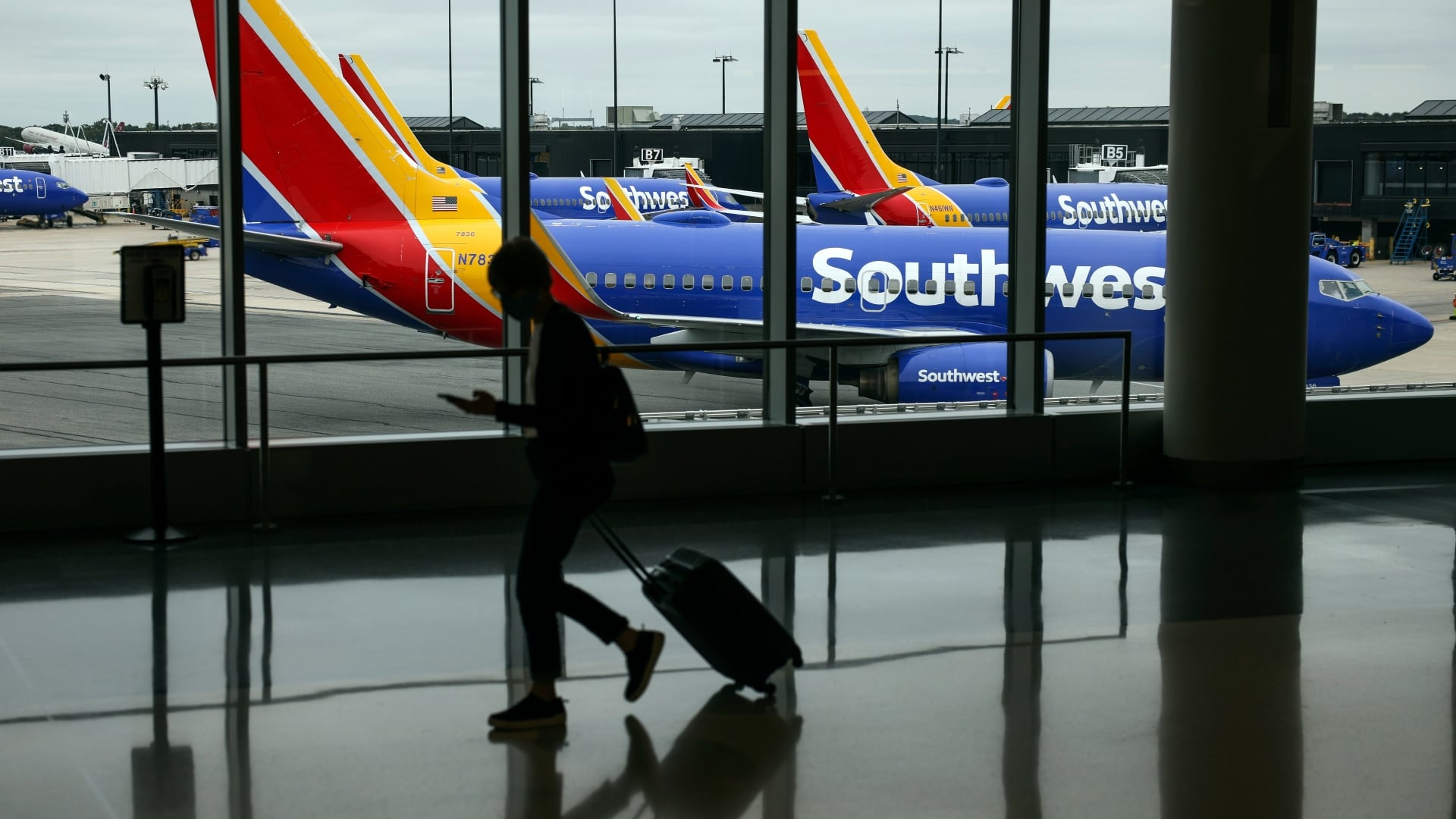
The number of daily travelers at U.S. airports has consistently topped 1 million over the past week and a half amid spring break at many colleges.
Also, states such as Michigan and New Jersey are seeing rising cases.
National numbers are an imperfect indicator. The favorable downward trend in some states can conceal an increase in case numbers in others, particularly smaller ones, said Ali Mokdad, professor of health metrics sciences at the University of Washington in Seattle.
And the more contagious variant that originated in Britain has now been identified in nearly every state, he said.
___
AP journalists Terry Tang and Suman Naishadham contributed from Phoenix. Ricardo Alonso-Zaldivar contributed from Washington.
Updated on March 24, 2021, at 2:34 p.m. ET with the latest information.