A U.S. military fighter jet shot down an unknown object flying off the coast of Alaska on Friday on orders from President Joe Biden, White House officials said.
The object was flying at about 40,000 feet and posed a “reasonable threat” to the safety of civilian flights, said John Kirby, White House National Security Council spokesman. He described the object as roughly the size of a small car and said it was shot down near the U.S.-Canada border.
It was the second time in a week U.S. officials had downed some type of flying object over the U.S. On Saturday fighter jets fired a missile into a suspected Chinese spy balloon off the coast of South Carolina.
There were few answers about the object, and the White House drew distinctions between the two episodes. Kirby said it wasn't yet known who owned it, and he did not say it was a balloon. Officials also couldn't say if there was any surveillance equipment on it. Kirby didn't know yet where it came from or what its purpose was.
Still, it posed enough of a concern that U.S. officials felt it best to knock it out of the sky.
“We’re going to remain vigilant about our airspace," Kirby said. "The president takes his obligations to protect our national security interests as paramount."
Kirby said fighter pilots visually examining the object ascertained it was not manned. The president was briefed on the presence of the object Thursday evening after two fighter jets surveilled it.
The object fell into frigid waters and officials expected they could recover debris faster than from last week's massive balloon.
The development came almost a week after the U.S. shot down a suspected Chinese spy balloon off the Carolina coast after it traversed sensitive military sites across North America. China insisted the flyover was an accident involving a civilian craft and threatened repercussions.
Biden issued the order but had wanted the balloon downed even earlier. He was advised that the best time for the operation would be when it was over water. Military officials determined that bringing it down over land from an altitude of 60,000 feet would pose an undue risk to people on the ground.
China responded that it reserved the right to “take further actions” and criticized the U.S. for “an obvious overreaction and a serious violation of international practice.”
As negotiations drag on in Washington, DC over President Biden's social spending bills, Senate Democrats have introduced a new idea to fund Biden's plans: taxing the unrealized capital gains held by billionaires. Barron's reporter Sabrina Escobar joins Cheddar News' Closing Bell, where she explains what's in the billionaire tax proposal, who it will impact, and why it's on the table.
Hunter Walker joins Cheddar News to talk about his report in Rolling Stone that revealed how members of Congress and the White House helped plan the protest that turned violent on January 6.
Jill and Carlo discuss the pending approval for Pfizer's vaccine for kids, the state of anti-Semitism three years after Tree of Life, potential criminal charges in the 'Rust' prop gun shooting and more.
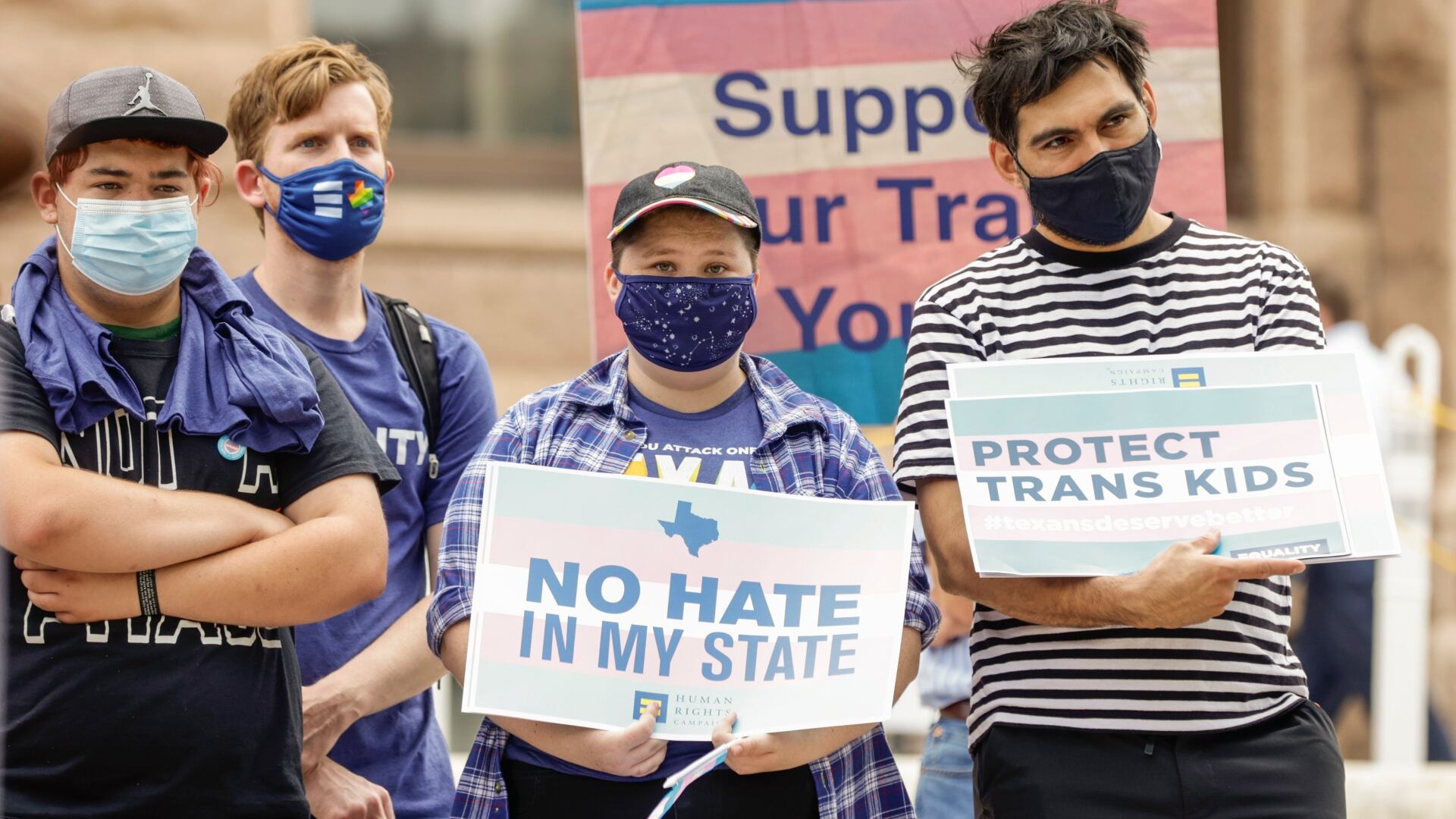
Texas Governor Greg Abbott, a Republican, signed a bill into law on Tuesday that restricts transgender students from playing on sports teams that correspond with their gender identity. Democratic State Representative Mary E. Gonzalez joined Cheddar to discuss the ramifications for transgender youth the new law represents. She also disputed the bill's proponents who argue that the measure is a matter of fairness for girls in sports, noting that various medical groups have affirmed that transgender athletes do not inherently hold an advantage over cisgender ones.
COP26 been dealt a blow as Chinese President Xi Jinping and Russian President Vladimir Putin, whose countries are responsible for a third of the world's annual greenhouse gas emissions, will not be in attendance. Bertrand Piccard, Chairman and Founder of the Solar Impulse Foundation, joins Cheddar Climate, where he discusses what he expects to see when the summit commences in Glasgow.
Social media platforms TikTok, Snapchat, and YouTube are facing questions in DC about consumer protections, data security, and product safety for young users. Emily Birnbaum, tech lobbying and influence reporter at Politico, joined Cheddar to provide some background into what led to the congressional hearing and the potential outcome. Birnbaum noted that social media platforms have been attempting to distance themselves from Facebook and the ongoing bad press it garnered in recent months.