By Zeke Miller and Colleen Long
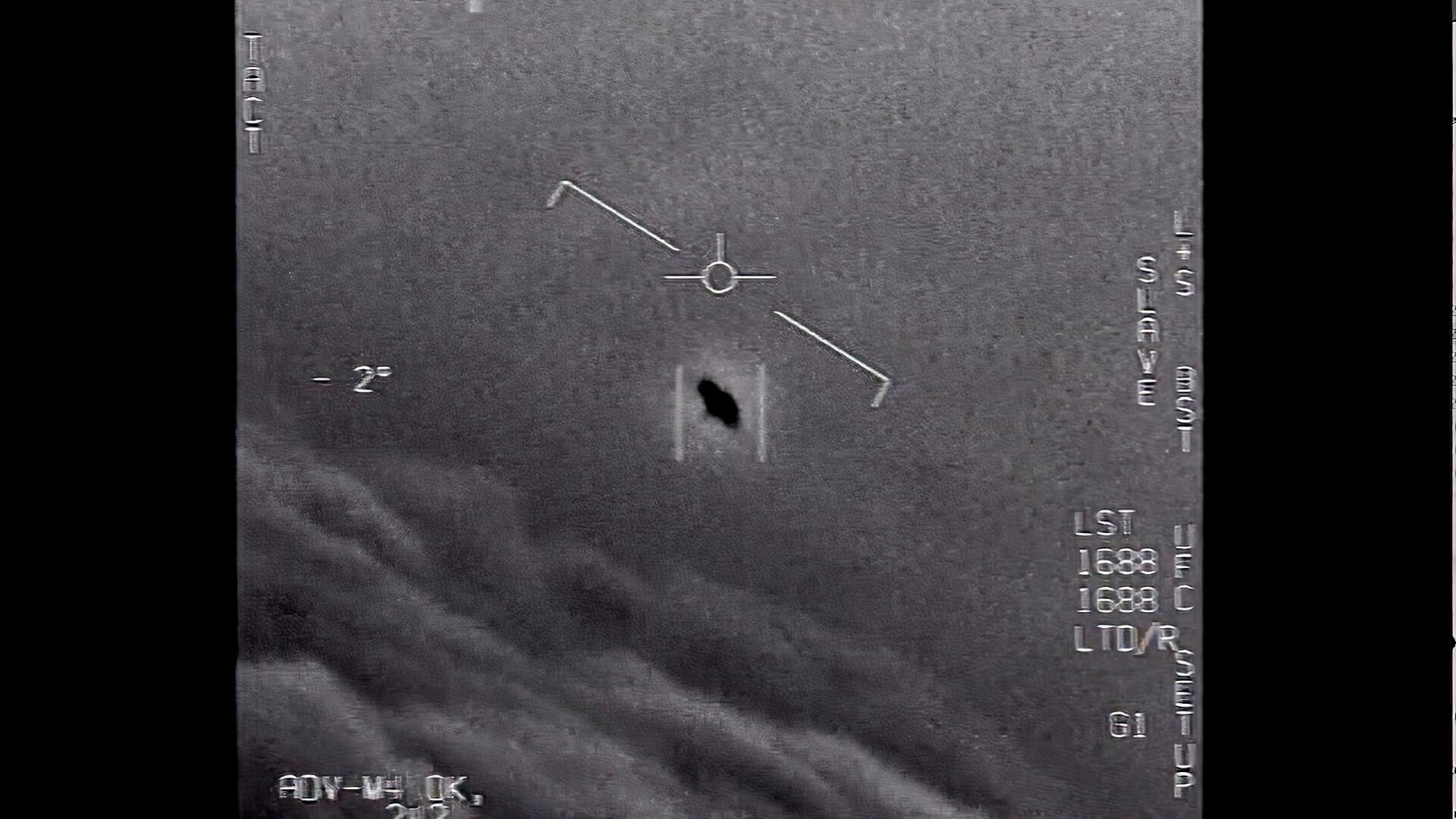
A U.S. military fighter jet shot down an unknown object flying off the coast of Alaska on Friday on orders from President Joe Biden, White House officials said.
The object was flying at about 40,000 feet and posed a “reasonable threat” to the safety of civilian flights, said John Kirby, White House National Security Council spokesman. He described the object as roughly the size of a small car and said it was shot down near the U.S.-Canada border.
It was the second time in a week U.S. officials had downed some type of flying object over the U.S. On Saturday fighter jets fired a missile into a suspected Chinese spy balloon off the coast of South Carolina.
There were few answers about the object, and the White House drew distinctions between the two episodes. Kirby said it wasn't yet known who owned it, and he did not say it was a balloon. Officials also couldn't say if there was any surveillance equipment on it. Kirby didn't know yet where it came from or what its purpose was.
Still, it posed enough of a concern that U.S. officials felt it best to knock it out of the sky.
“We’re going to remain vigilant about our airspace," Kirby said. "The president takes his obligations to protect our national security interests as paramount."
Kirby said fighter pilots visually examining the object ascertained it was not manned. The president was briefed on the presence of the object Thursday evening after two fighter jets surveilled it.
The object fell into frigid waters and officials expected they could recover debris faster than from last week's massive balloon.
The development came almost a week after the U.S. shot down a suspected Chinese spy balloon off the Carolina coast after it traversed sensitive military sites across North America. China insisted the flyover was an accident involving a civilian craft and threatened repercussions.
Biden issued the order but had wanted the balloon downed even earlier. He was advised that the best time for the operation would be when it was over water. Military officials determined that bringing it down over land from an altitude of 60,000 feet would pose an undue risk to people on the ground.
The balloon was part of a large surveillance program that China has been conducting for “several years,” the Pentagon has said.
China responded that it reserved the right to “take further actions” and criticized the U.S. for “an obvious overreaction and a serious violation of international practice.”