The African American community is dealing with two crises: the disproportionate impact of the coronavirus pandemic, and systemic racism that has been, once again, laid bare in the aftermath of the George Floyd killing.
But exacerbating both of those crises is a third, more insidious problem, according to Marc Morial, president and CEO of the National Urban League: persistent income inequality that means "when people even get back to work, that paycheck doesn't go far enough to help them make ends meet."
Morial spoke to Cheddar on Monday and called for the Senate to immediately take up the HEROES Act, the stimulus bill passed by the House last month that would extend enhanced unemployment benefits for those who lost their jobs amid the pandemic. Those enhanced benefits are currently scheduled to lapse on July 1.
"It's a fantasy to believe that without continued fiscal intervention by the Congress, and continued monetary intervention by the Fed, that we can get back on our feet economically," he said.
Even if the Senate were to move on the HEROES Act (and it's a big if — the GOP-controlled upper chamber has not been in a rush to take up the bill, with some members calling it "dead on arrival"), lawmakers still need to take action to address the underlying issues that made income inequality a problem long before the coronavirus reached our shores, Morial said.
He called on Congress to raise the federal minimum wage from $7.25 to a "living wage" of $15, and expand the child tax credit. Those two actions would go a long way toward helping to get us out of the "40-year ditch" we've dug ourselves, he said.
"It's going to take a commitment by the public and private sectors to move us beyond it."
As commercial options tighten, more travelers are turning to private aviation. Wheels Up CEO George Mattson breaks down capacity and demand challenges.
Layoffs, hiring slowdowns, and shifting skill demands dominate this year’s job talk. LinkedIn’s Kory Kantenga explains what workers should watch for next.
Retailers face tariffs and cost challenges this holiday season. Wells Fargo's Lauren Murphy shares insights on pricing, promotions, and shopping trends.
Dateability, founded by sisters Jacqueline and Alexa Child, is the only dating app for disabled and chronically ill communities, fostering love without limits.
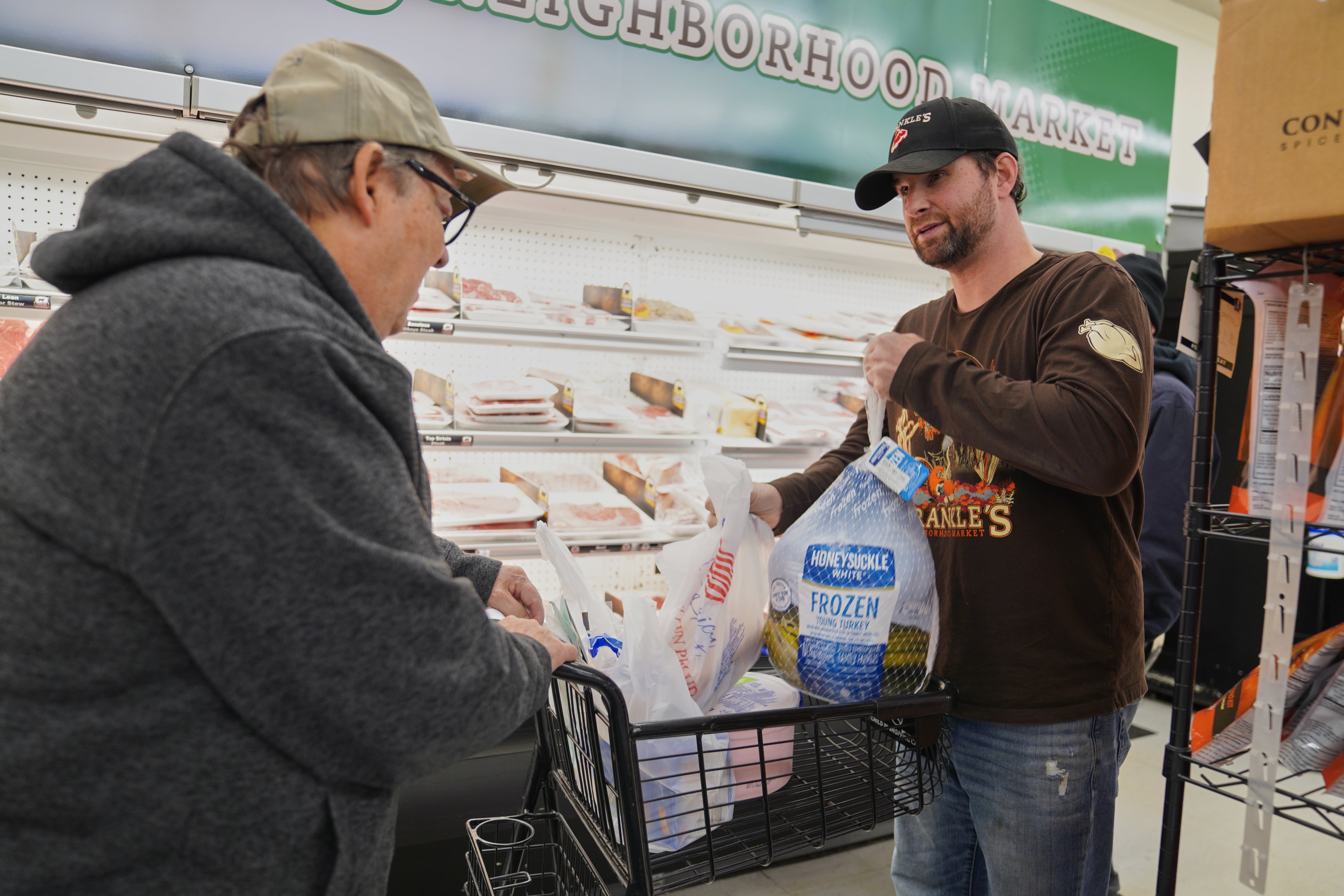
Some small grocery stores and neighborhood convenience stores are eager for the U.S. government shutdown to end and for their customers to start receiving federal food aid again. Late last month, the Trump administration froze funding for the SNAP benefits that about 42 million Americans use to buy groceries. The U.S. Department of Agriculture says about 74% of the assistance was spent last year at superstores like Walmart and supermarkets like Kroger. Around 14% went to smaller stores that are more accessible to SNAP beneficiaries. A former director of the United Nations World Food Program says SNAP is not only a social safety net for families but a local economic engine that supports neighborhood businesses.
Andy Baehr, Head of Product at CoinDesk Indices, breaks down crypto’s Black Friday crash, Bitcoin dipping under $100K, and what’s driving the market rout.