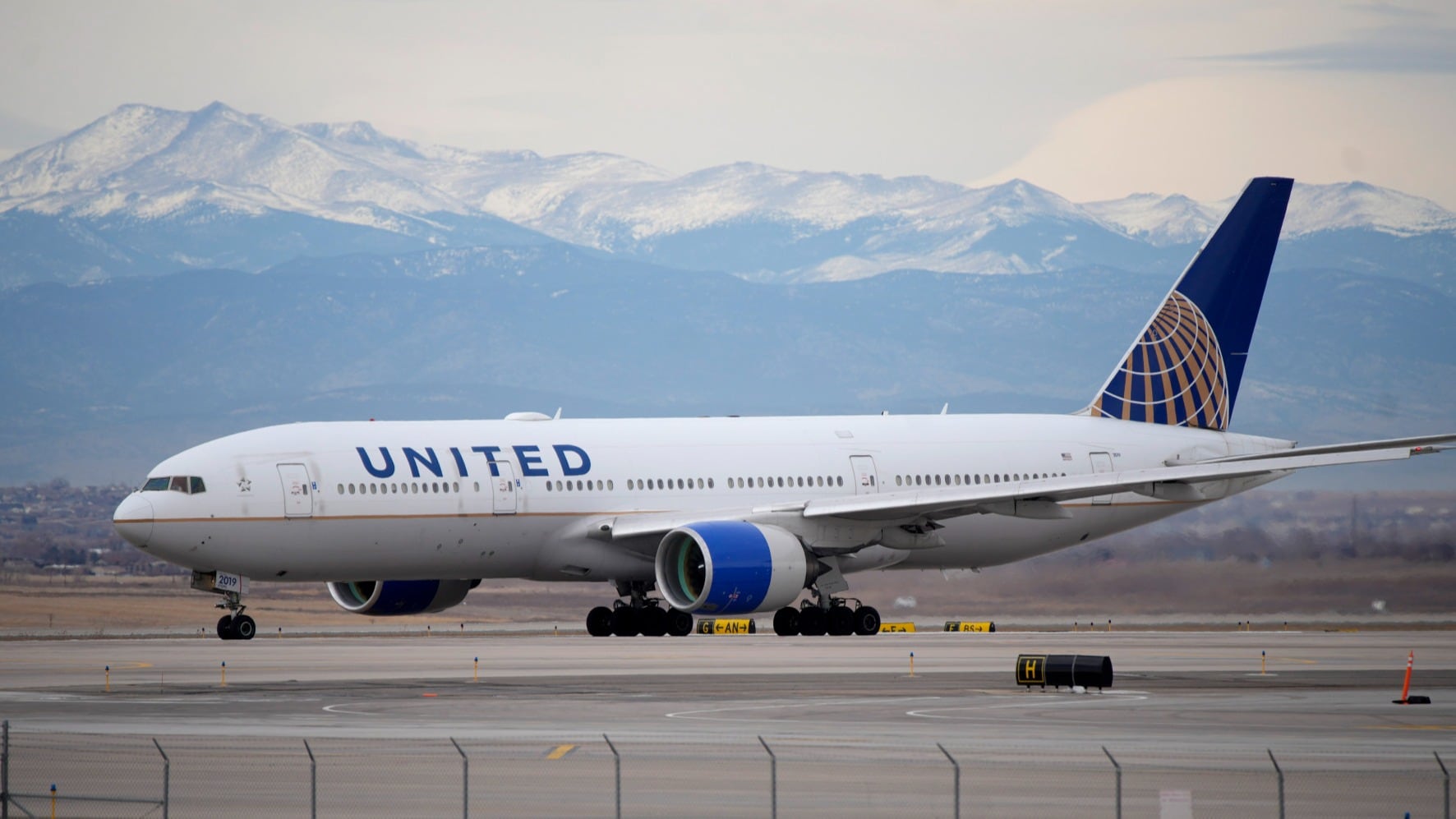
United Airlines is launching a venture fund designed to support startups that are working on making jet fuel more sustainable and decarbonizing air travel. Air Canada, Boeing, GE Aerospace, JPMorgan Chase, and Honeywell are also partnering in the effort.
"Solving climate change is doable but it requires hard work and real leadership," said United Airlines CEO Scott Kirby in a statement. "This fund is unique. It's not about offsets or things that are just greenwashing. Instead, we're creating a system that drives investment to build a new industry around sustainable aviation fuel, essentially from scratch."
Over the past two years, United has invested in multiple companies associated with "sustainable aviation fuel" (SAF) such as Cemvita, Dimensional Energy, and NEXT Renewable Fuels. SAF is any jet fuel that produces fewer greenhouse gasses. Right now, these alternatives must be blended with conventional jet fuels to meet regulations. The goal is to increase this ratio.
United Airlines itself has invested in the future production of three billion gallons of SAF.
To accelerate the transition, United will give customers the option to contribute to the fund whenever they buy a ticket, with the first 10,000 contributes to receive 500 bonus miles. The default contribution is set at $3.50. At that rate, if all 152 million people who flew on United in 2022 contributed, United said it would generate 40 million gallons of alternative fuel annually.
Helping this effort along is a new tax credit through the Inflation Reduction Act, which United said will accelerate investments in SAF infrastructure and supply and help lower costs.
The company said it aims to be 100 percent green by 2050 without relying on carbon offsets.