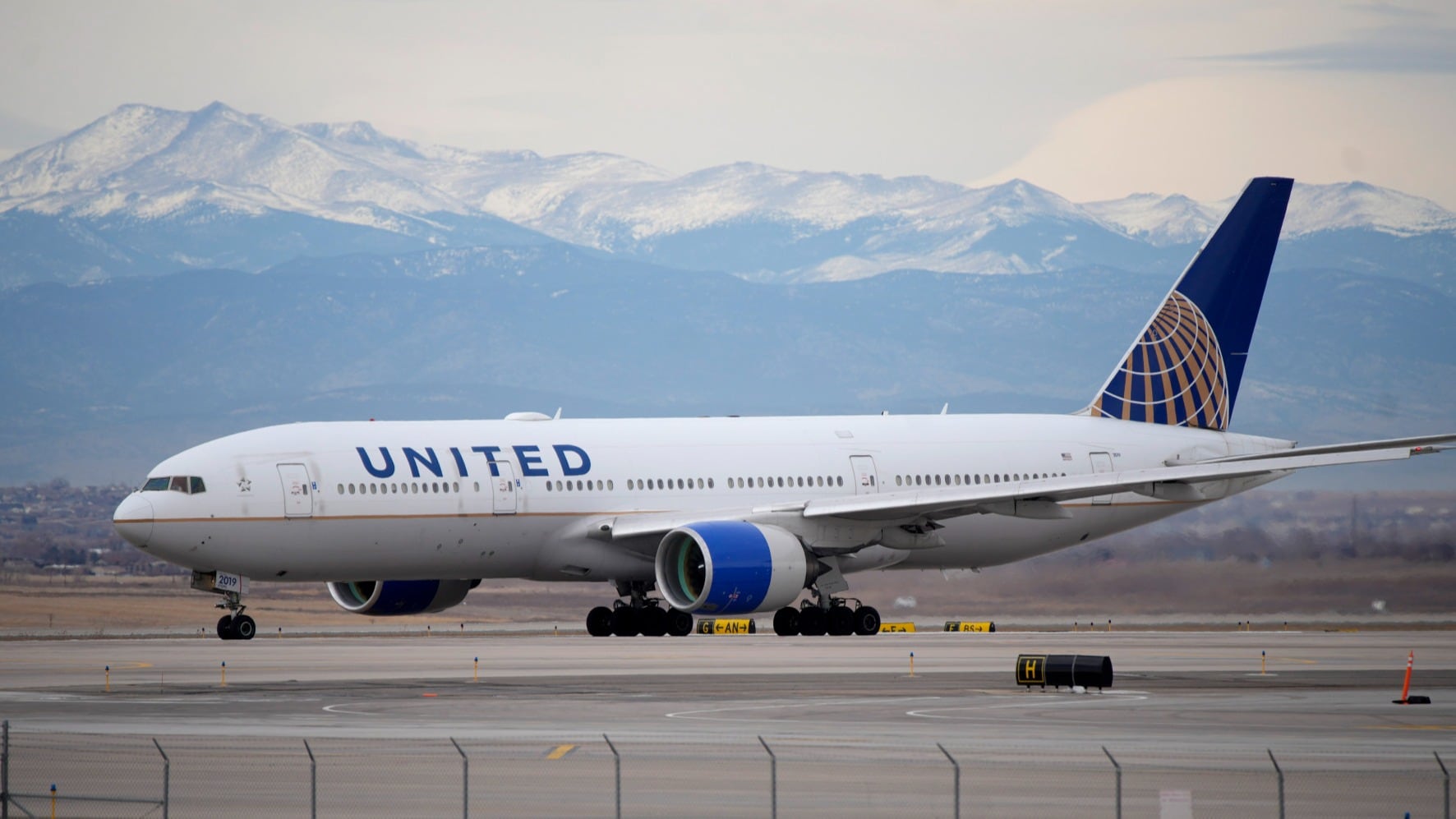
A United Airlines jetliner taxis to a runway for take off from Denver International Airport, Dec. 27, 2022. (AP Photo/David Zalubowski)
United Airlines is launching a venture fund designed to support startups that are working on making jet fuel more sustainable and decarbonizing air travel. Air Canada, Boeing, GE Aerospace, JPMorgan Chase, and Honeywell are also partnering in the effort.
"Solving climate change is doable but it requires hard work and real leadership," said United Airlines CEO Scott Kirby in a statement. "This fund is unique. It's not about offsets or things that are just greenwashing. Instead, we're creating a system that drives investment to build a new industry around sustainable aviation fuel, essentially from scratch."
Over the past two years, United has invested in multiple companies associated with "sustainable aviation fuel" (SAF) such as Cemvita, Dimensional Energy, and NEXT Renewable Fuels. SAF is any jet fuel that produces fewer greenhouse gasses. Right now, these alternatives must be blended with conventional jet fuels to meet regulations. The goal is to increase this ratio.
United Airlines itself has invested in the future production of three billion gallons of SAF.
To accelerate the transition, United will give customers the option to contribute to the fund whenever they buy a ticket, with the first 10,000 contributes to receive 500 bonus miles. The default contribution is set at $3.50. At that rate, if all 152 million people who flew on United in 2022 contributed, United said it would generate 40 million gallons of alternative fuel annually.
Helping this effort along is a new tax credit through the Inflation Reduction Act, which United said will accelerate investments in SAF infrastructure and supply and help lower costs.
The company said it aims to be 100 percent green by 2050 without relying on carbon offsets.
A new poll finds U.S. adults are more likely than they were a year ago to think immigrants in the country legally benefit the economy. That comes as President Donald Trump's administration imposes new restrictions targeting legal pathways into the country. The Associated Press-NORC Center for Public Affairs Research survey finds Americans are more likely than they were in March 2024 to say it’s a “major benefit” that people who come to the U.S. legally contribute to the economy and help American companies get the expertise of skilled workers. At the same time, perceptions of illegal immigration haven’t shifted meaningfully. Americans still see fewer benefits from people who come to the U.S. illegally.
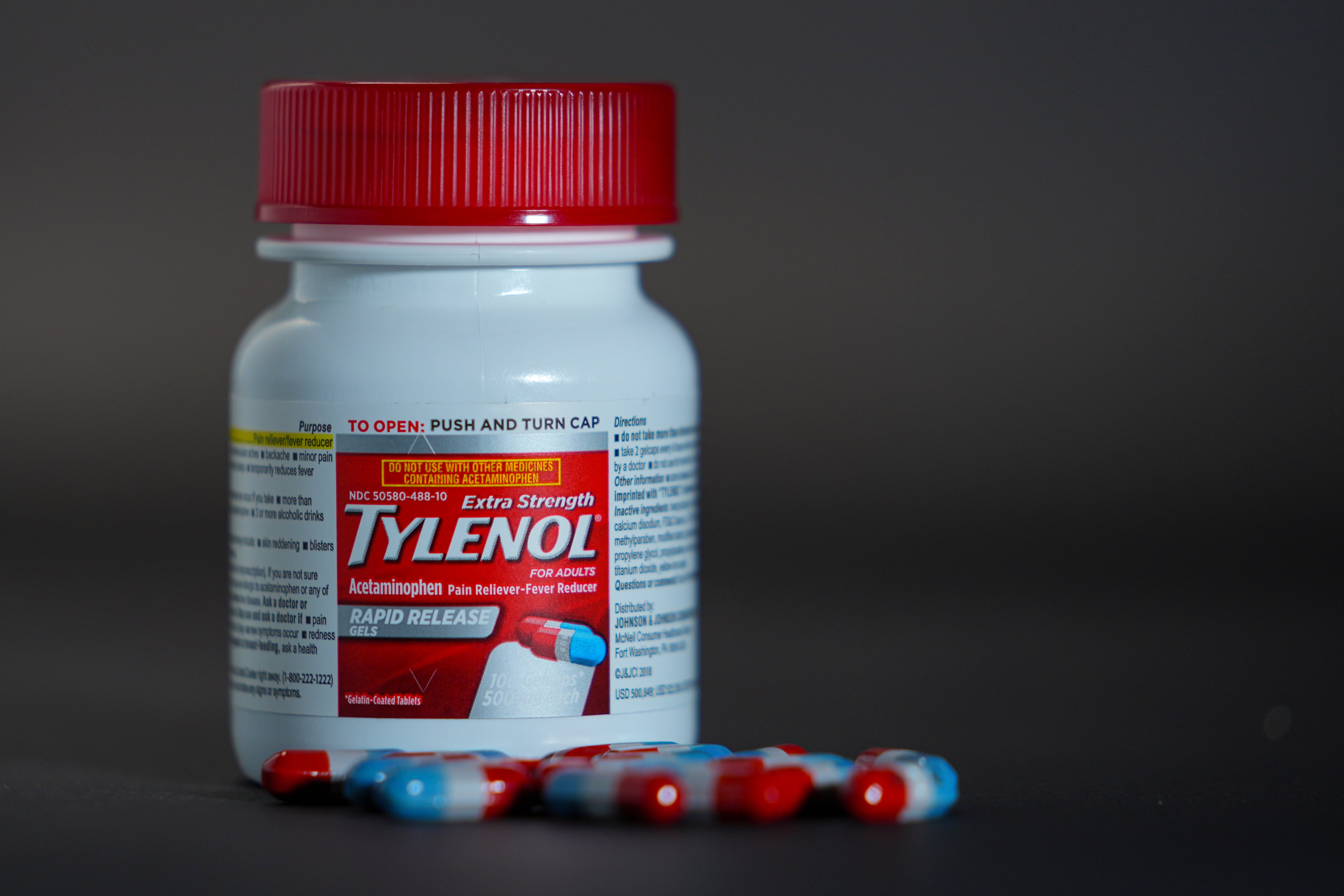
Shares of Tylenol maker Kenvue are bouncing back sharply before the opening bell a day after President Donald Trump promoted unproven and in some cases discredited ties between Tylenol, vaccines and autism. Trump told pregnant women not to use the painkiller around a dozen times during the White House news conference Monday. The drugmaker tumbled 7.5%. Shares have regained most of those losses early Tuesday in premarket trading.
Scott Trench, host of the BiggerPockets Money Podcast, explores how recent rate cuts, high borrowing costs, and mortgage rates are reshaping U.S. real estate.
A look into how disruption, AI, and global economic trends are transforming the modern supply chain with Jeremy Jansen, Head of Supply Chain at Wells Fargo.
Delta CSO Amelia DeLuca reveals at the Fast Co. Innovation Festival how tech, sustainable aviation fuel, and smart operations are revolutionizing air travel.
Chipmaker Nvidia will invest $100 billion in OpenAI as part of a partnership that will add at least 10 gigawatts of Nvidia AI data centers to ramp up the computing power for the owner of the artificial intelligence chatbot ChatGPT.
Two of the nation’s biggest real estate services companies are combining in a deal that will bring Century 21, Compass and several other major brokerage brands under the same umbrella.