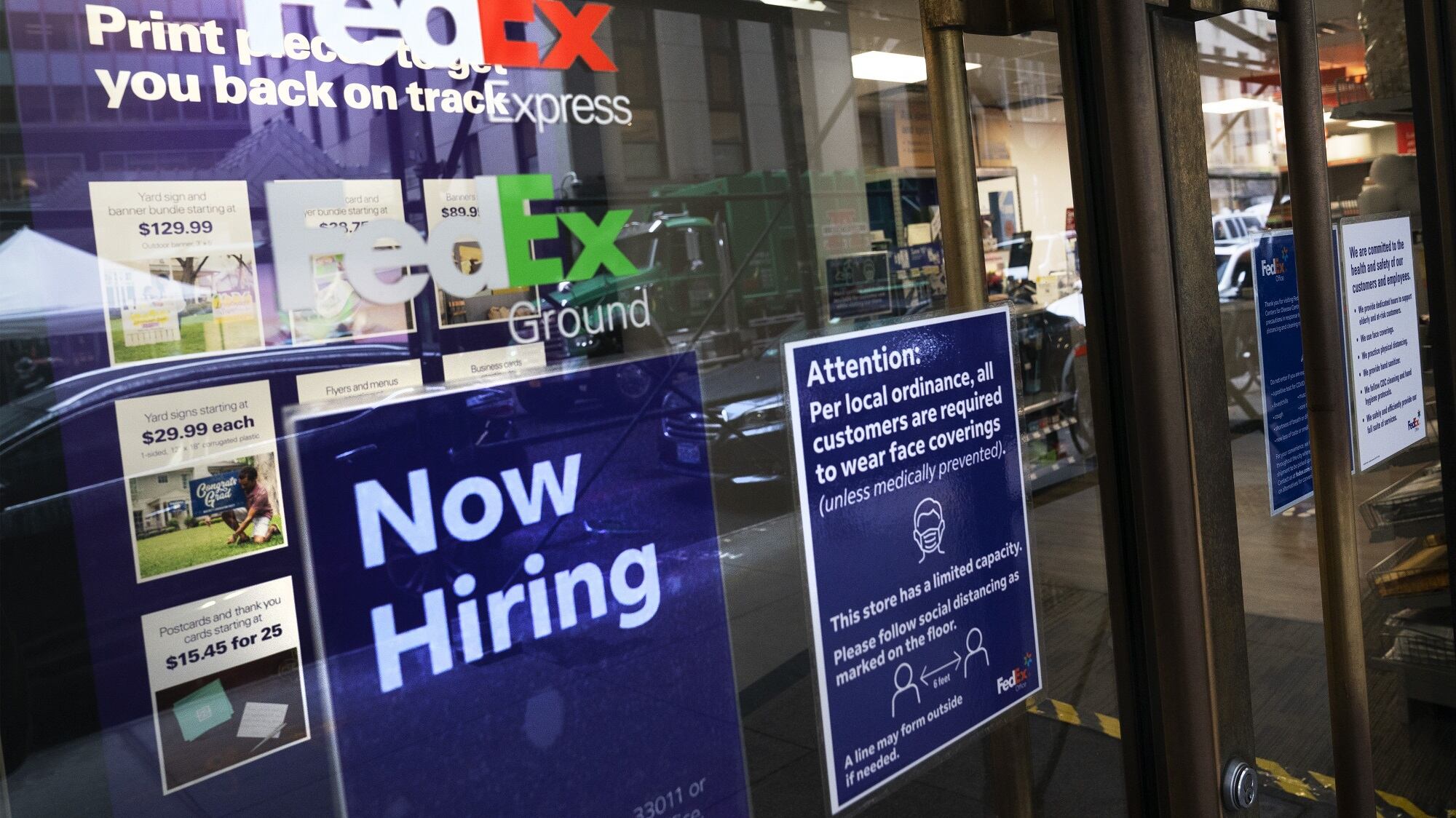
A sign in the window of a FedEx office reads, "Now Hiring," Monday, Oct. 26, 2020 in New York. (AP Photo/Mark Lennihan)
By Christopher Rugaber
U.S. employers added 638,000 jobs in October, a solid pace though far fewer than needed to regain most of the jobs lost to the pandemic recession just as new viral cases are setting record highs.
The gain suggested that a tentative economic recovery may remain intact even in the face of a surging viral outbreak.
The report Friday from the Labor Department said the unemployment rate fell to 6.9% from 7.9% in September. But eight months after the virus struck the United States, the economy still has recovered barely half the 22 million jobs that were lost to the pandemic.
The job market and the overall economy are under intense pressure from the accelerating pandemic. On Thursday, the nation broke another record in the seven-day rolling average for new cases, hitting nearly 90,000. Daily new cases were also on track for another day above 100,000, with surging numbers reported all around the country, including a combined nearly 25,000 in Texas, Illinois and Florida.
The economy, which had rebounded sharply in the July-September quarter as businesses reopened from virus-related shutdowns, is now expanding more slowly. Many businesses, especially restaurants and bars that had made use of outdoor seating, face a dim future as the weather turns colder. Consumers may also pull back again on shopping, traveling and other activities to avoid contracting the virus.
Friday's report follows the expiration of government stimulus for struggling individuals, businesses and state and local governments and the failure of Congress to provide further aid.
Consumer spending on services like restaurants, health care and haircuts is rising much more slowly this fall after having rebounded in May and June. It remains 7% below the pre-pandemic level — a decline that threatens many labor-intensive parts of the economy. The restaurant reservations website OpenTable shows, for example, that just three-quarters of restaurants are now taking reservations, a decline from three weeks ago.
The slowdown has coincided with the waning of $1,200 checks that were sent to most adults in the spring and a $600-a-week federal jobless benefit that expired in July. That was followed by an additional $300 that lasted through mid-September. A study by JPMorgan Chase found that Americans spent roughly two-thirds of such money by the end of August.
“The economy is on its own against the virus,” said AnnElizabeth Konkel, an economist at the job-posting website Indeed. “Accelerating cases are an ever-present threat during winter, and a virus surge means economic uncertainty for businesses. Until that uncertainty is eliminated, the labor market will struggle to return to what it used to be.”
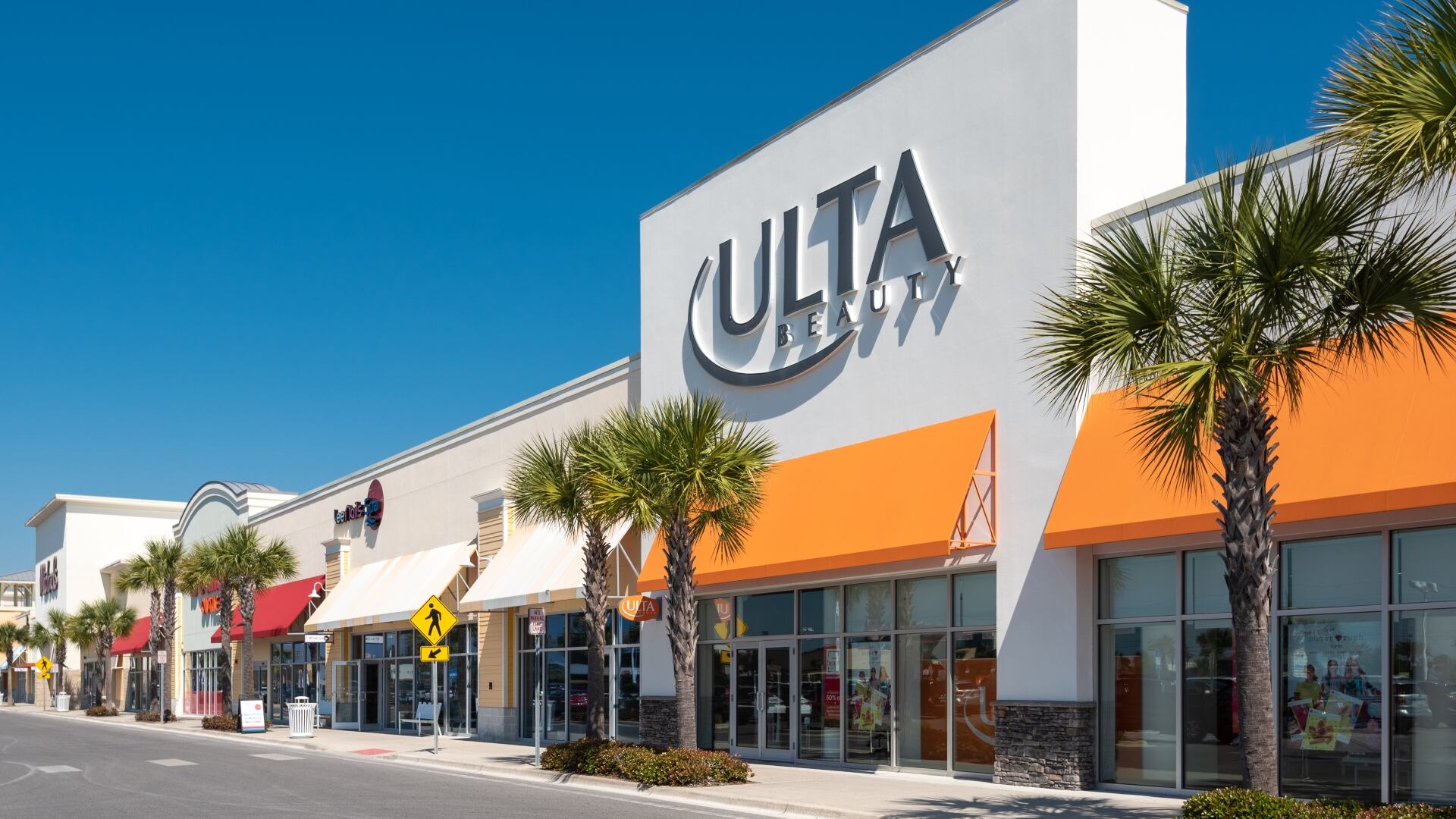
In efforts to help support black-owned brands. Ulta Beauty says it will make a commitment to not only give these brand shelf space but also help them navigate the ins and outs of growing a business. Last week, the beauty retailer announced in order to reach those goals, the company will spend $50 million on diversity and inclusion programs, including an accelerated program to mentor entrepreneurs of color. CEO of Ulta Beauty, Dave Kimbell, joined Cheddar to discuss more.
Inflation remains hot as the January PPI has increased by 1 percent, twice what analysts had been expecting with a jump of 9.7 over the year. Beth Ann Bovino, the U.S. chief economist, for S&P Global Ratings, joined Cheddar News to discuss the rapid pace of inflation alongside higher wages, predicting the Federal Reserve will act quickly and forcefully this year. "They haven't changed their forecast, yet, that's gonna come out soon. But we expect that a March rate hike is basically pretty much baked in the cake," she said. "We think six rate hikes in total for 2022."
For black history month, Cheddar is highlighting black business leaders who are driving the need for representation forward. On February 10, the U.S. Chamber of Commerce hosted an event called 'Developing the Black-Owned Business Ecosystem.' The virtual event was organized under the lobbying group's two initiatives -- the Equality of Opportunity Initiative, and the Coalition to Back Black Businesses. The event highlighted the developments needed to develop more black-owned businesses in the U.S. Dr. Anthony Wilbon, Dean of the School of Business at Howard University, joined Cheddar News' Closing Bell to discuss his experience as a speaker at the event.
Black spending power reached a record $1.6 Trillion in a 2021 report from the University of Georgia Selig Center for Economic Growth. Ayesha Selden, certified financial planner, breaks down why real estate is the key to closing the racial wealth gap and how Black Americans are using social media to improve financial literacy. "If we look at home ownership as being a primary driver of wealth, when you look at the equity that Americans have in their homes, that equity can be used to buy additional assets like other rental properties. That equity can be used to educate our children," Selden said, noting that lower rates of home ownership meant Black Americans tend to incur more debt on average for their student loans.
A new survey from Etoro suggests that talking crypto might actually help Americans on the dating scene find love...or at least land another date. The survey found that 74% of respondents would be more interested in going on a second date with a person that pays the bill in Bitcoin. Callie Cox, Etoro's U.S. investment analyst, joined Cheddar News to discuss.