Members of the United Nations adopted the first-ever treaty to protect marine life in the high seas on Monday, with the U.N.'s chief hailing the historic agreement as giving the ocean “a fighting chance.”
Delegates from the 193 member nations burst into applause and then stood up in a sustained standing ovation when Singapore’s ambassador on ocean issues, Rena Lee, who presided over the negotiations, banged her gavel after hearing no objections to the treaty’s approval.
Oceans produce most of the oxygen we breathe and absorb carbon dioxide, which makes them increasingly critical in reducing carbon emissions that fuel global warming. Yet, currently only 1% of the vast ocean areas are protected.
A treaty to protect biodiversity in waters outside national boundaries, known as the high seas, covering nearly half of earth’s surface, had been under discussion for more than 20 years, but efforts repeatedly stalled until March. That's when delegates to an intergovernmental conference established by the U.N. General Assembly agreed on a treaty which was then subject to legal scrutiny and translated into the U.N.’s six official languages.
The new treaty will be opened for signatures on Sept. 20, during the annual meeting of world leaders at the General Assembly, and it will take effect once it is ratified by 60 countries.
The treaty will create a new body to manage conservation of ocean life and establish marine protected areas in the high seas. It also establishes ground rules for conducting environmental impact assessments for commercial activities in the oceans.
Secretary-General Antonio Guterres told delegates that the adoption of the treaty comes at a critical time, with the oceans under threat on many fronts.
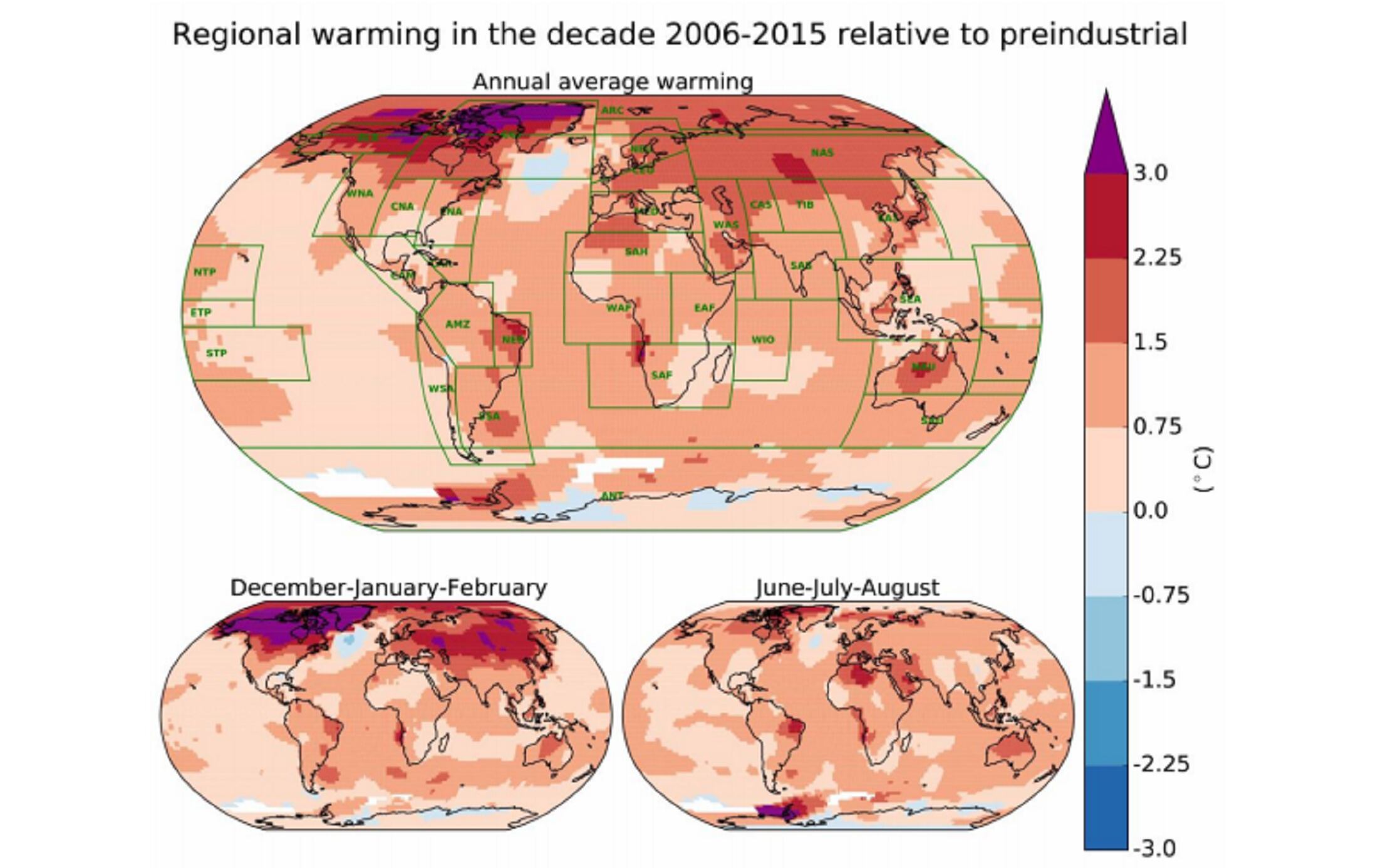
Climate change is disrupting weather patterns and ocean currents, raising sea temperatures, “and altering marine ecosystems and the species living there,” he said, and marine biodiversity “is under attack from overfishing, over-exploitation and ocean acidification.”
“Over one-third of fish stocks are being harvested at unsustainable levels,” the U.N. chief said. “And we are polluting our coastal waters with chemicals, plastics and human waste.”
Guterres said the treaty is vital to address these threats and he urged all countries to spare no efforts to ensure that it is signed and ratified as soon as possible, stressing that “this is critical to addressing the threats facing the ocean.”
The treaty also establishes principles to share “marine genetic resources” discovered by scientists in international waters, a key demand of developing countries who insisted that the fruits of such discoveries could not be solely controlled by richer countries with money to finance expeditions to look for potentially new lucrative ingredients for medicine and cosmetics.
After the treaty’s approval, the Group of 77, the U.N. coalition of 134 mainly developing nations and China, called it “an exceedingly important day for biodiversity,” praising their successful struggle to achieve benefit-sharing in the final text as well as funding to help implement the treaty when ratified.
The Alliance of Small Island States, some of whose members fear that climate change and rising seas can obliterate their countries, said they have been championing a treaty for decades, and its adoption will have far-reaching implications “on our livelihoods, cultures and economies.”
But Russia said it “distances itself from the consensus on the text of the agreement” which it called “unacceptable,” saying it “undermines the provisions of the most important acting international agreements, including the U.N. Convention on the Law of the Sea.”
Sergey Leonidchenko, who heads the Russian Mission’s legal section, told delegates the treaty “does not reach a reasonable balance between conserving and sustainably using the resources of the ocean.” As an example, he said, “checks and balances against politicizing marine conservation areas have not made it into the text.”
The treaty’s adoption follows a separate historic accord reached by world governments in Montreal in December that includes a commitment to protect 30% of land and water considered important for biodiversity by 2030, known as 30 by 30.
Rebecca Hubbard, director of the High Seas Alliance representing over 50 non-governmental organizations and the International Union for the Conservation of Nature, praised countries “for moving one step closer towards putting this political accord into action in the water.”
“Countries must now ratify it as quickly as possible to bring it into force so that we can protect our ocean, build our resilience to climate change and safeguard the lives and livelihoods of billions of people,” she said.
Greenpeace’s Chris Thorne called the treaty “a win for all life on this planet.”
“The science is clear, we must protect 30% of the oceans by 2030 to give the oceans a chance to recover and thrive," he said.