By Laura Ungar
A UK patient with a severely weakened immune system had COVID-19 for almost a year and a half, scientists reported, underscoring the importance of protecting vulnerable people from the coronavirus.
There’s no way to know for sure whether it was the longest-lasting COVID-19 infection because not everyone gets tested, especially on a regular basis like this case.
But at 505 days, “it certainly seems to be the longest reported infection," said Dr. Luke Blagdon Snell, an infectious disease expert at the Guy’s & St. Thomas' NHS Foundation Trust.
Snell's team plans to present several “persistent” COVID-19 cases at an infectious diseases meeting in Portugal this weekend.
Their study investigated which mutations arise — and whether variants evolve — in people with super long infections. It involved nine patients who tested positive for the virus for at least eight weeks. All had weakened immune systems from organ transplants, HIV, cancer or treatment for other illnesses. None were identified for privacy reasons.
Repeated tests showed their infections lingered for an average of 73 days. Two had the virus for more than a year. Previously, researchers said, the longest-known case that was confirmed with a PCR test lasted 335 days.
Persistent COVID-19 is rare and different from long COVID.
“In long COVID, it’s generally assumed the virus has been cleared from your body but the symptoms persist,” Snell said. “With persistent infection, it represents ongoing, active replication of the virus.”
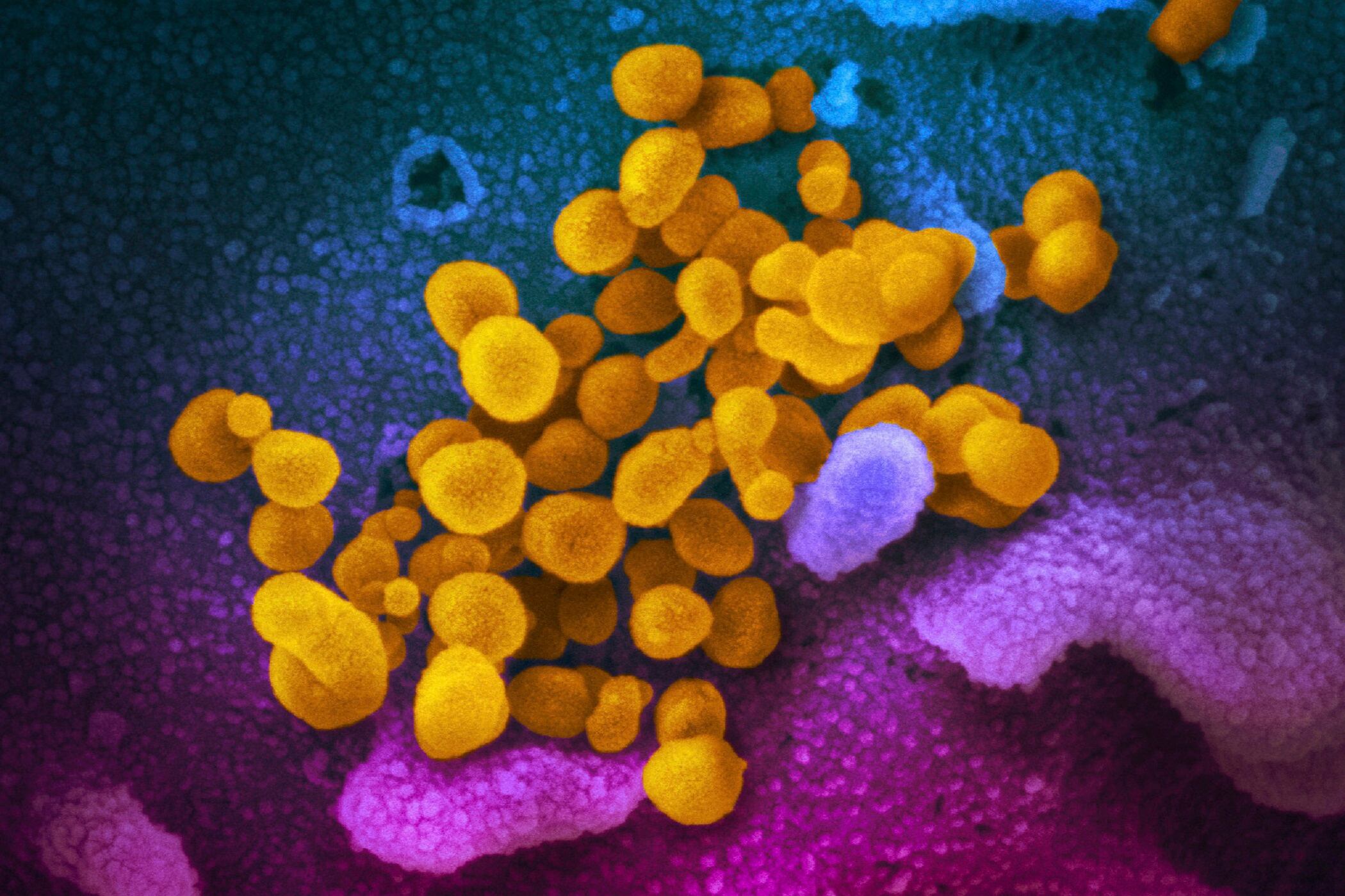
Each time researchers tested patients, they analyzed the genetic code of the virus to make sure it was the same strain and that people didn't get COVID-19 more than once. Still, genetic sequencing showed that the virus changed over time, mutating as it adapted.
The mutations were similar to the ones that later showed up in widespread variants, Snell said, although none of the patients spawned new mutants that became variants of concern. There's also no evidence they spread the virus to others.
The person with the longest known infection tested positive in early 2020, was treated with the antiviral drug remdesiver and died sometime in 2021. Researchers declined to name the cause of death and said the person had several other illnesses.
Five patients survived. Two cleared the infection without treatment, two cleared it after treatment and one still has COVID-19. At the last follow-up earlier this year, that patient’s infection had lasted 412 days.
Researchers hope more treatments will be developed to help people with persistent infections beat the virus.
“We do need to be mindful that there are some people who are more susceptible to these problems like persistent infection and severe disease,” Snell said.
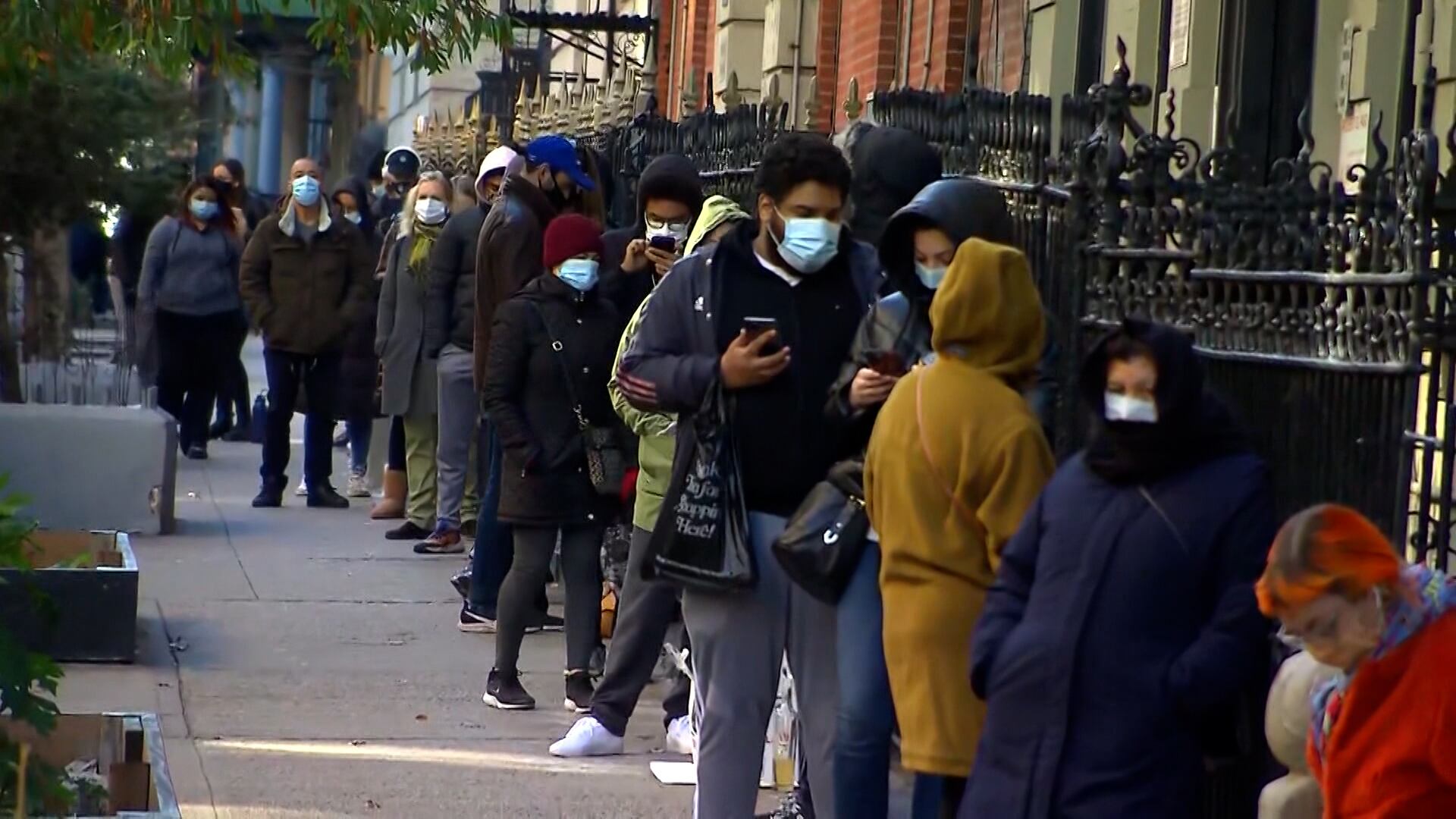
Although persistent infections are rare, experts said there are many people with compromised immune systems who remain at risk of severe COVID-19 and who are trying to stay safe after governments lifted restrictions and masks started coming off. And it's not always easy to know who they are, said Dr. Wesley Long, a pathologist at Houston Methodist in Texas, who was not part of the research.
“Masking in crowds is a considerate thing to do and a way we can protect others,” he said.
___
The Associated Press Health and Science Department receives support from the Howard Hughes Medical Institute’s Department of Science Education. The AP is solely responsible for all content.