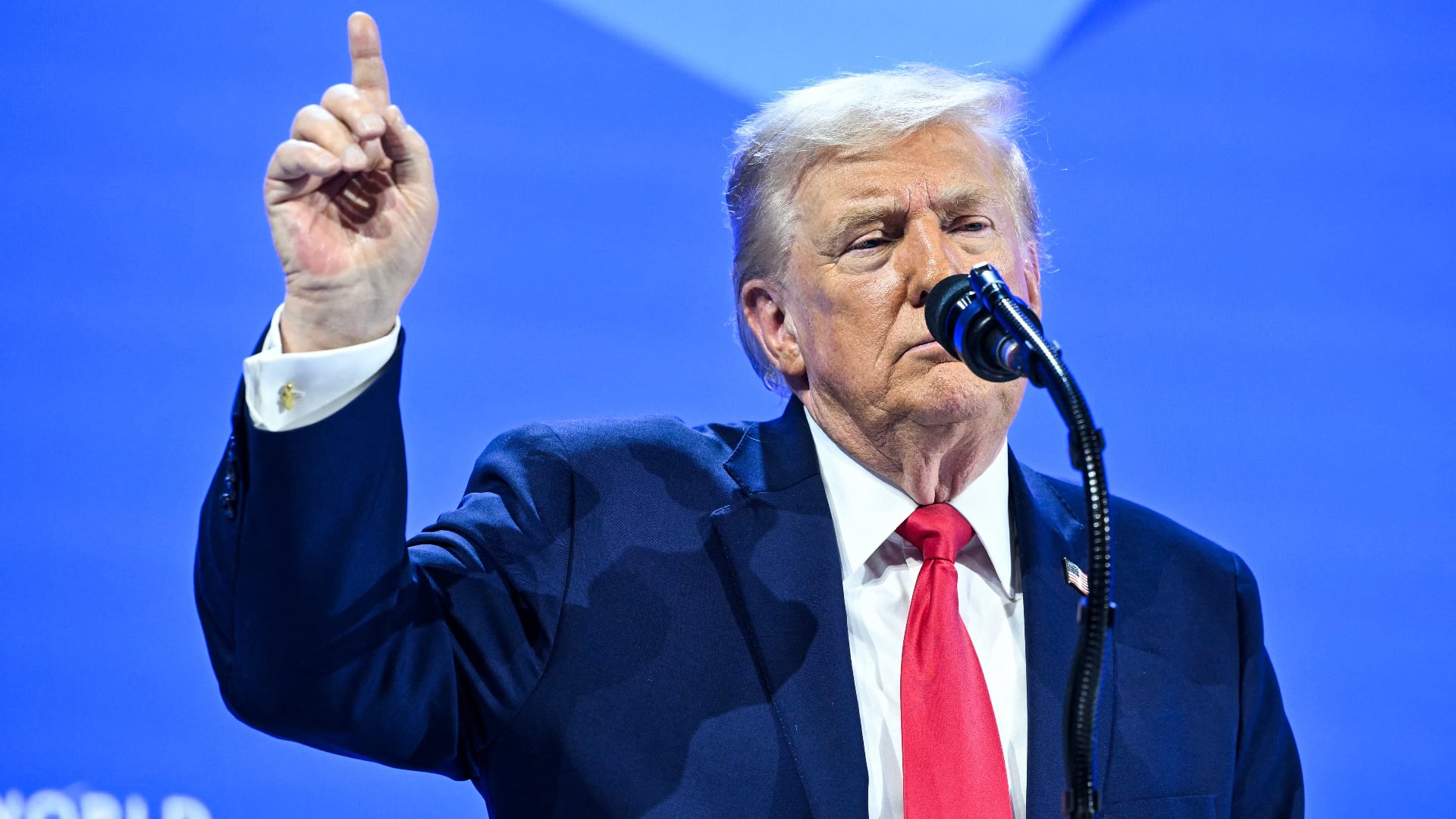
*By Christian Smith* South Koreans responded with a mix of optimism and worry Tuesday after President Trump announced he would suspend joint military exercises with South Korea as Kim Jong-un considers how to dismantle North Korea's nuclear arsenal. President Moon Jae-In of South Korea [watched on TV and smiled](https://www.facebook.com/KoreaClickers/photos/rpp.181274814520/10156484091904521/?type=3&theater) as the American president and the North Korean leader met in Singapore. But Trump's unexpected announcement that he would stop joint military drills made some of America's allies in South Korea uneasy, according to Martyn Williams, editor at NorthKoreaTech.org. "The right wing in South Korea is already not very pleased with these military drills stopping taking place," Williams said in an interview with Cheddar. The president's statement, which appeared to be an off-the-cuff comment in a discussion with reporters after his meeting with Kim, was not part of the joint statement signed by the two leaders. The United States and South Korea conduct regular war games to prepare for the possibility of a conflict with North Korea, and there are about 28,500 U.S. troops stationed in South Korea. Trump had said he hoped to strike a deal with Kim to eliminate North Korea's nuclear program, and touted the "very comprehensive" statement the leaders agreed to at the summit. But Williams said denuclearization will take more negotiations. "I think it was a good first step, but what comes next is the most important thing," Williams said. For full interview, [click here](https://cheddar.com/videos/the-winners-and-losers-of-the-north-korea-summit).