*By Christian Smith*
South Koreans responded with a mix of optimism and worry Tuesday after President Trump announced he would suspend joint military exercises with South Korea as Kim Jong-un considers how to dismantle North Korea's nuclear arsenal.
President Moon Jae-In of South Korea [watched on TV and smiled](https://www.facebook.com/KoreaClickers/photos/rpp.181274814520/10156484091904521/?type=3&theater) as the American president and the North Korean leader met in Singapore. But Trump's unexpected announcement that he would stop joint military drills made some of America's allies in South Korea uneasy, according to Martyn Williams, editor at NorthKoreaTech.org.
"The right wing in South Korea is already not very pleased with these military drills stopping taking place," Williams said in an interview with Cheddar.
The president's statement, which appeared to be an off-the-cuff comment in a discussion with reporters after his meeting with Kim, was not part of the joint statement signed by the two leaders. The United States and South Korea conduct regular war games to prepare for the possibility of a conflict with North Korea, and there are about 28,500 U.S. troops stationed in South Korea.
Trump had said he hoped to strike a deal with Kim to eliminate North Korea's nuclear program, and touted the "very comprehensive" statement the leaders agreed to at the summit. But Williams said denuclearization will take more negotiations.
"I think it was a good first step, but what comes next is the most important thing," Williams said.
For full interview, [click here](https://cheddar.com/videos/the-winners-and-losers-of-the-north-korea-summit).
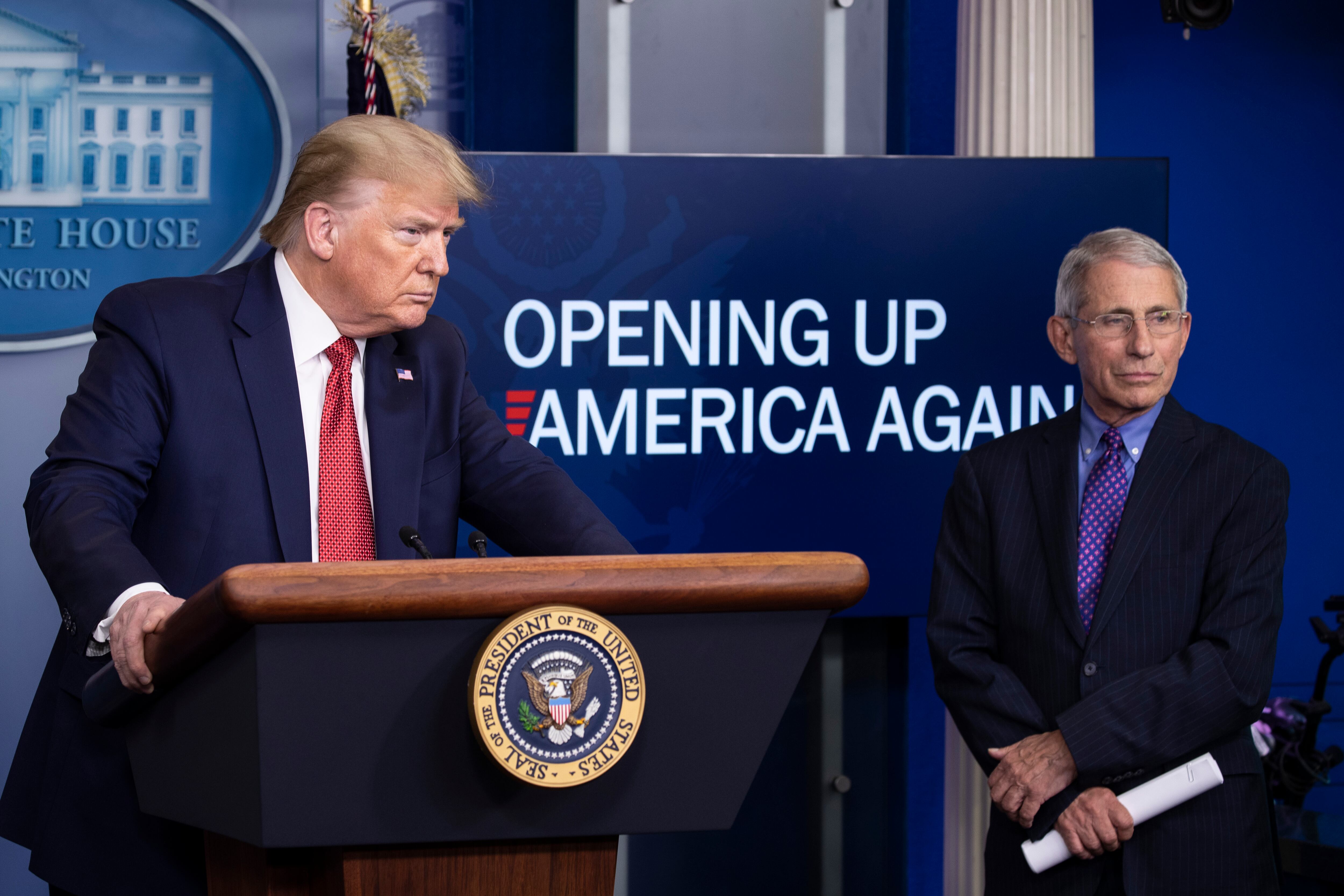
Dr. Beth Cameron, who is currently vice president of global biology programs at the Nuclear Threat Initiative, was previously a senior director in the White House pandemic office under the National Security Council.
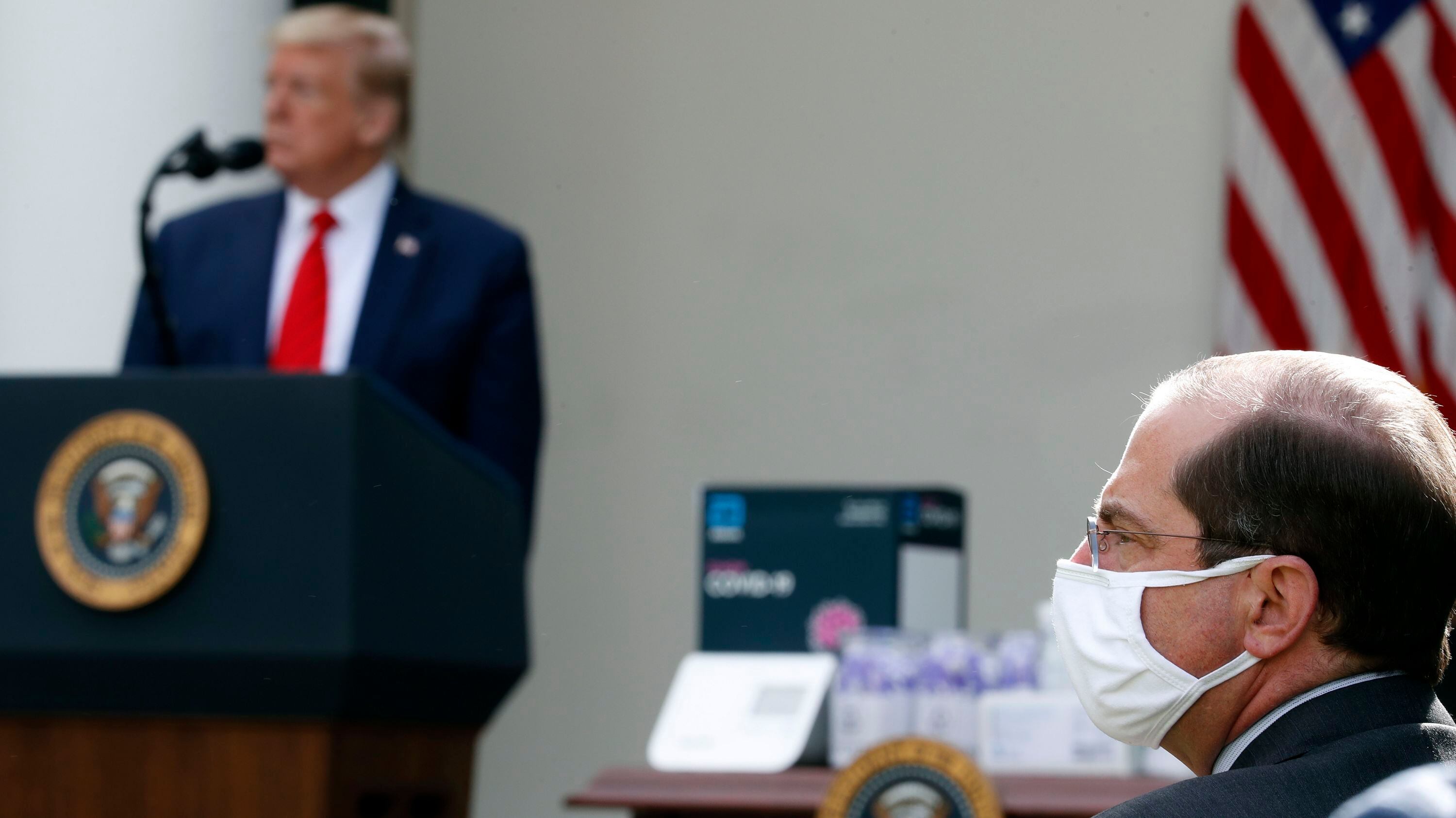
The White House is requiring everyone who enters the West Wing to wear a mask or face covering.
Tesla CEO Elon Musk confirmed on Twitter Monday that the company has restarted its California factory in violation of local government orders.
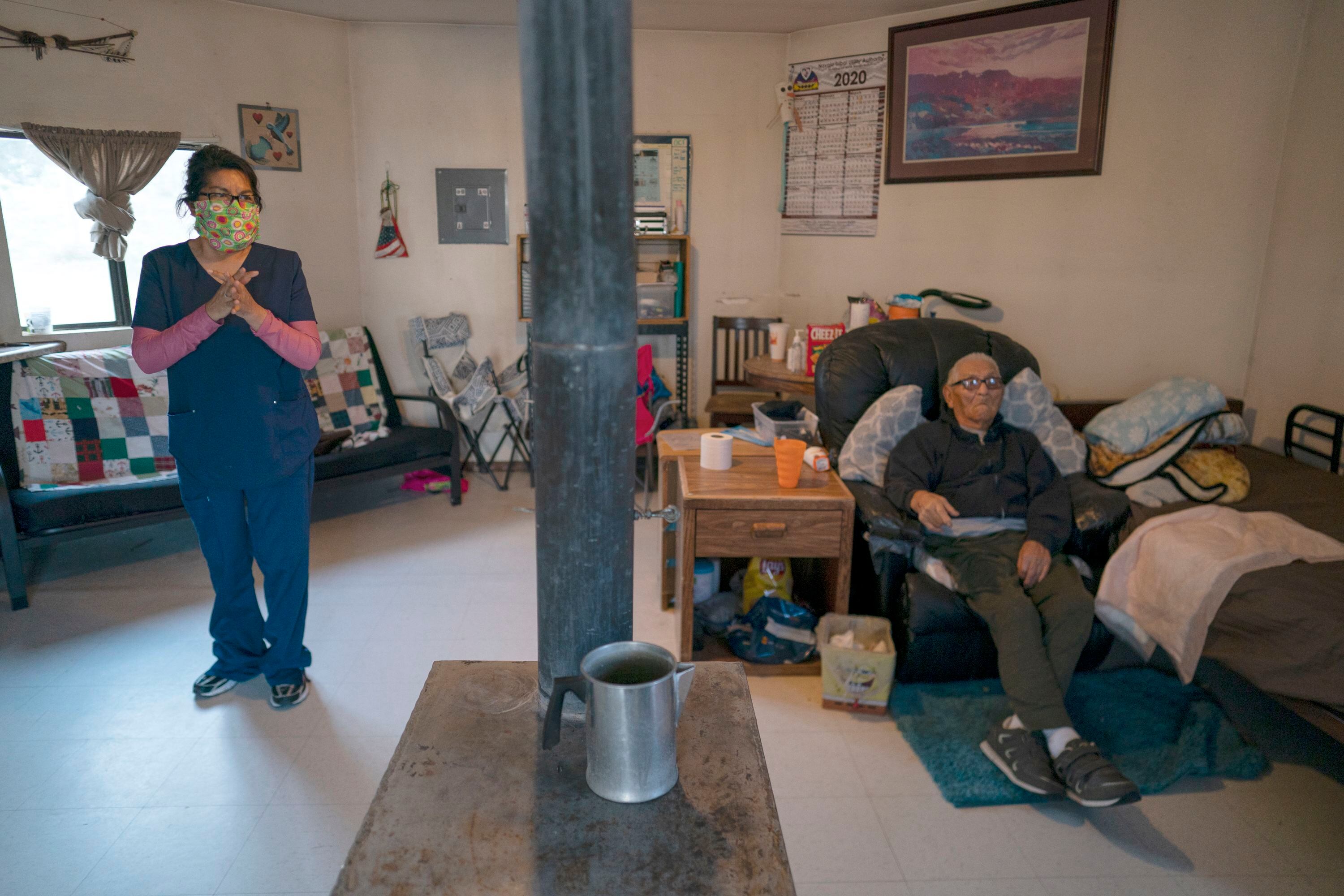
The Navajo reservation spans three western U.S. states and has some of the highest rates of coronavirus in the country. With roughly 175,000 people living there, the tribe has seen 3,122 cases. At least 100 people have died.
Stocks are dipping in early trading on Wall Street Monday and giving back some of the strong gains made last week.
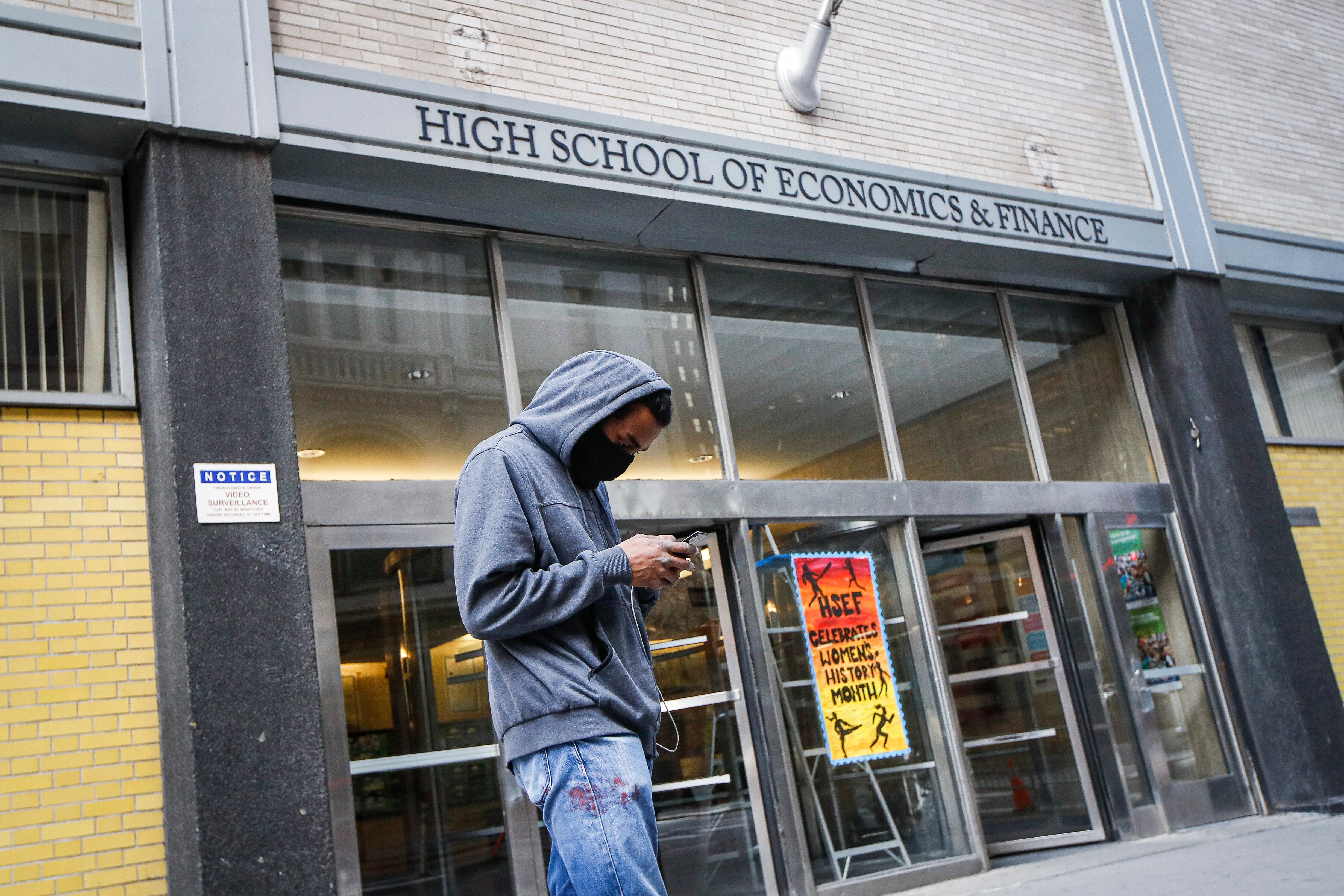
Coronavirus has forced New York City teachers to fundamentally change how they educate students. Now they're fighting for their own vision of how and when schools should reopen.
From Wall Street to Silicon Valley, these are the top stories that moved markets and had investors, business leaders, and entrepreneurs talking this week on Cheddar.
Businesses from coast-to-coast were forced to closed their doors when the coronavirus outbreak arrived in the U.S. Practically overnight, 33 million Americans (so far) suddenly lost their livelihoods. Cheddar is speaking to some of these workers who have found themselves unexpectedly unemployed in today's turbulent environment.
Unprecedented pressure from the coronavirus pandemic has forced the closure of roughly 35 percent of food pantries in New York City, just as the number of residents facing food insecurity has surged by about 800,000 to two million.
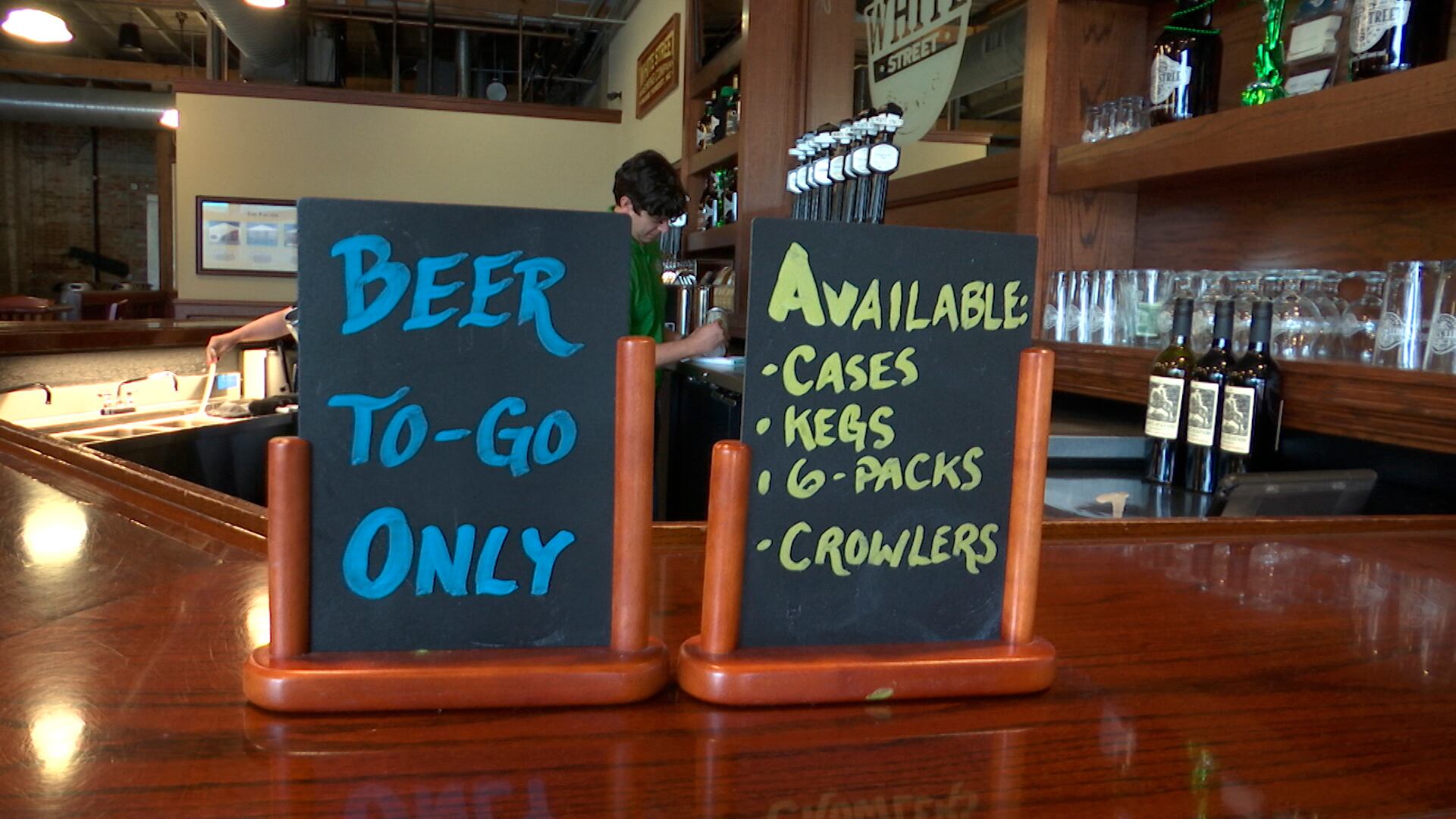
To restaurants and bars struggling to stay open for food delivery and pick-up, the ability to add high-margin cocktails and mixed drinks to the check has provided a crucial revenue stream.