*By Christian Smith*
South Koreans responded with a mix of optimism and worry Tuesday after President Trump announced he would suspend joint military exercises with South Korea as Kim Jong-un considers how to dismantle North Korea's nuclear arsenal.
President Moon Jae-In of South Korea [watched on TV and smiled](https://www.facebook.com/KoreaClickers/photos/rpp.181274814520/10156484091904521/?type=3&theater) as the American president and the North Korean leader met in Singapore. But Trump's unexpected announcement that he would stop joint military drills made some of America's allies in South Korea uneasy, according to Martyn Williams, editor at NorthKoreaTech.org.
"The right wing in South Korea is already not very pleased with these military drills stopping taking place," Williams said in an interview with Cheddar.
The president's statement, which appeared to be an off-the-cuff comment in a discussion with reporters after his meeting with Kim, was not part of the joint statement signed by the two leaders. The United States and South Korea conduct regular war games to prepare for the possibility of a conflict with North Korea, and there are about 28,500 U.S. troops stationed in South Korea.
Trump had said he hoped to strike a deal with Kim to eliminate North Korea's nuclear program, and touted the "very comprehensive" statement the leaders agreed to at the summit. But Williams said denuclearization will take more negotiations.
"I think it was a good first step, but what comes next is the most important thing," Williams said.
For full interview, [click here](https://cheddar.com/videos/the-winners-and-losers-of-the-north-korea-summit).
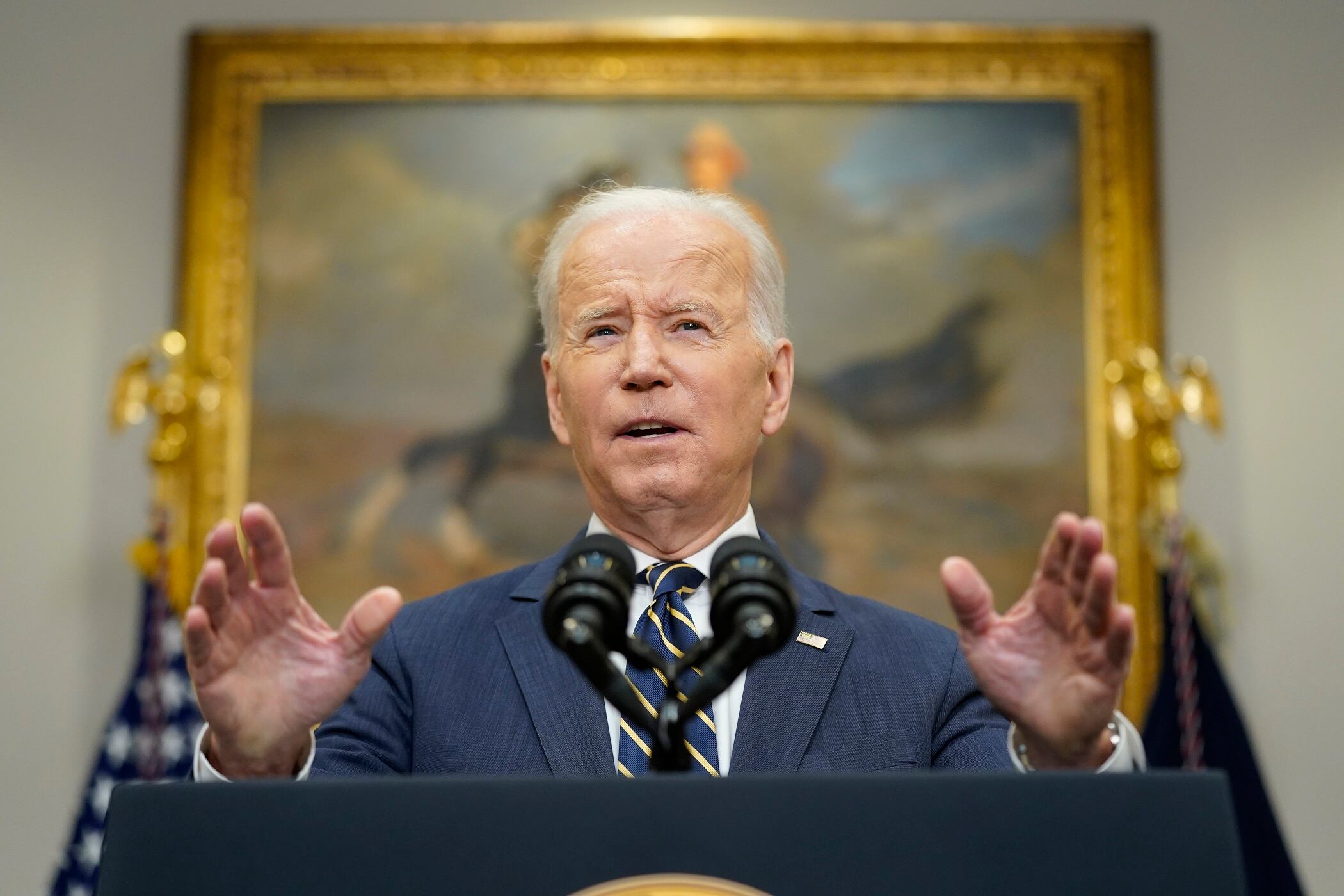
President Joe Biden announced Friday that along with the European Union and the Group of Seven countries, the U.S. will revoke “most favored nation” trade status for Russia over its invasion of Ukraine.
The consumer price index jumped 7.9 percent in February, marking a 40-year high for inflation in the U.S. This report comes less than a week ahead of the Fed's all important meeting. Kayla Bruun, Economic Analyst, Morning Consult, joined Cheddar's Opening Bell to discuss.
Markets opened lower amid hotter-than-expected inflation data, which surged to its highest level in nearly 40 years. Lisa Erickson, Senior Vice President and Co-Head, Public Markets Group, U.S. Bank joined Cheddar's Opening Bell to discuss the significance of this figure ahead of the Federal Reserve's FOMC meeting.
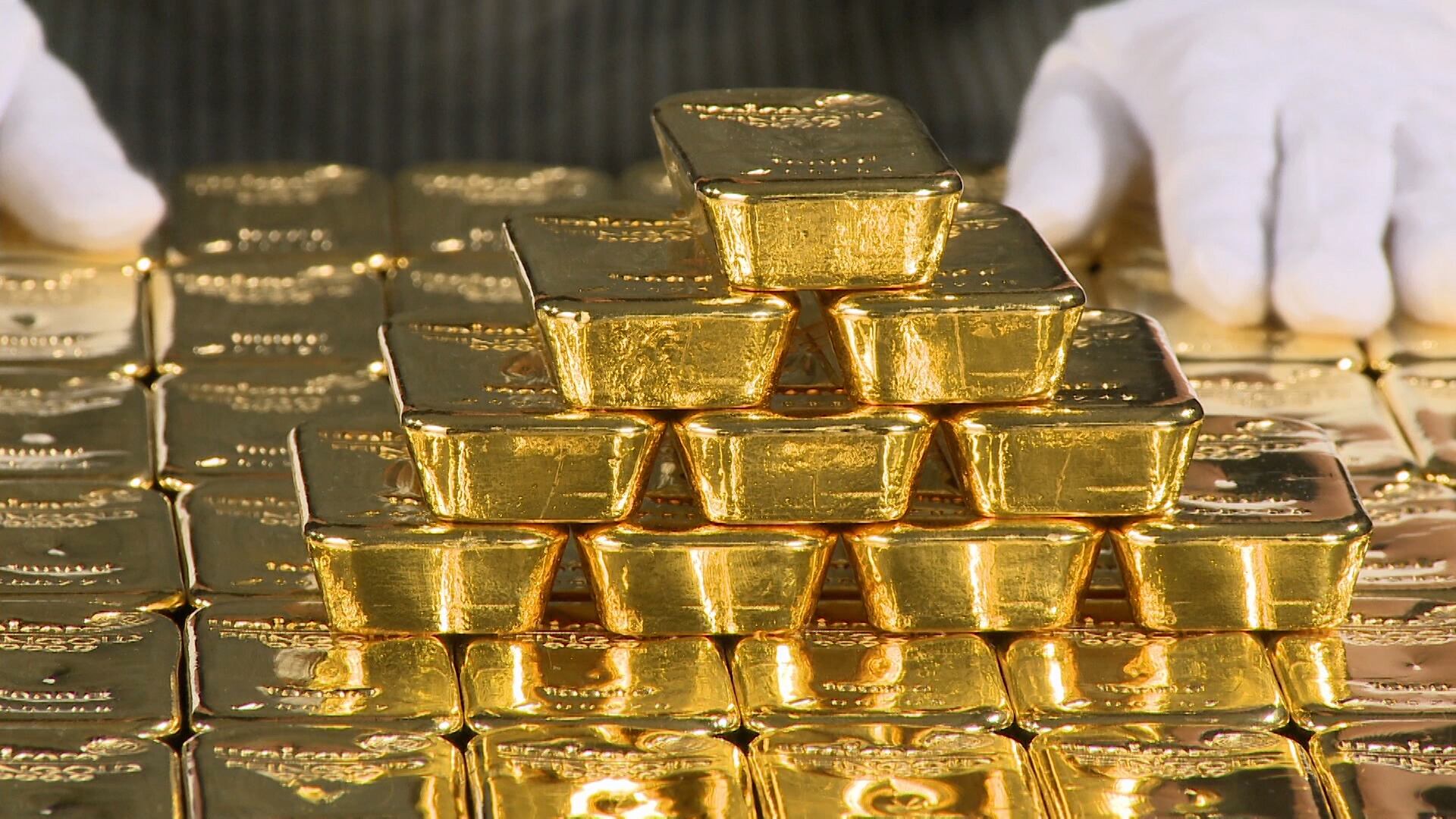
As the Russia-Ukraine war disrupts the global economy, sending markets on a roller coaster ride, gold remains hovering around $2,000 an ounce. Often seen as a safe haven in times of economic crisis, Jason Cozens, founder and CEO of gold-as-currency platform Glint Pay, joined Cheddar’s Opening Bell to discuss the latest gold rush, how the war is impacting prices, and how people can use Glint to trade in the precious metal. “You know the stock markets and cryptocurrencies are risky investments," he stated. "Whereas gold is just reliable money. It's no one else's liability if you own."
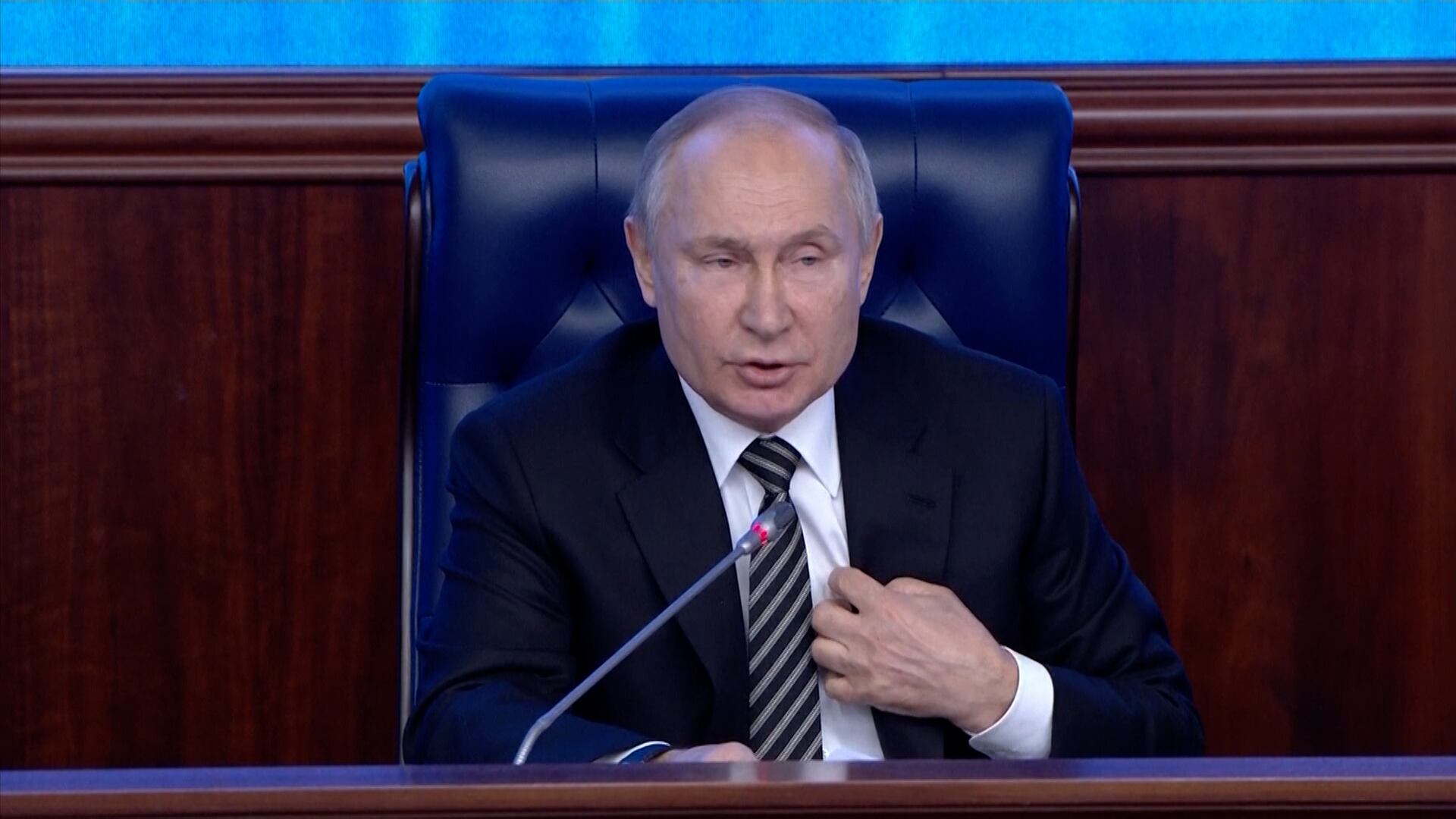
As Western sanctions weigh on Russia's economy, the country is at the risk of defaulting on its debt. Fitch ratings agency has downgraded Russia's debt for the second time in a week, warning a "sovereign default is imminent." Jesse Wheeler, Economic Analyst at Morning Consult, explains what that means, and how it could have ripple effects across the global economy.
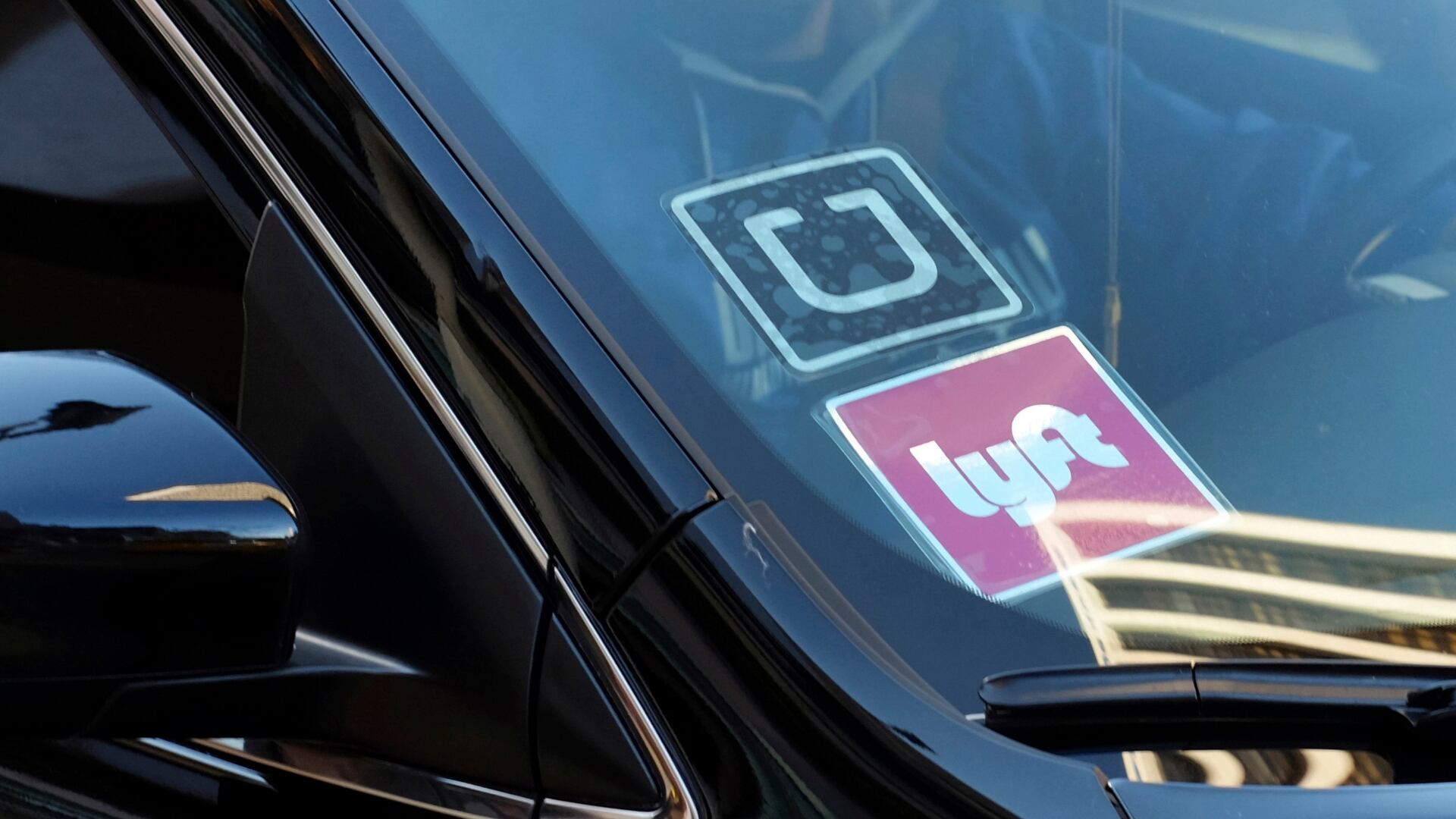
Uber Lyft and Doordash are all set to spend $1 million dollars on a campaign and efforts to stop lawmakers from classifying their gig workers as employees. The campaign features TV and online ads highlighting Washington area workers who say they prefer the flexibility of being an independent contractor rather than following the model of a company employee. Professor at NYU. Stern School of Business and author of the sharing economy, Arun Sundararajan, joined Cheddar to discuss more.
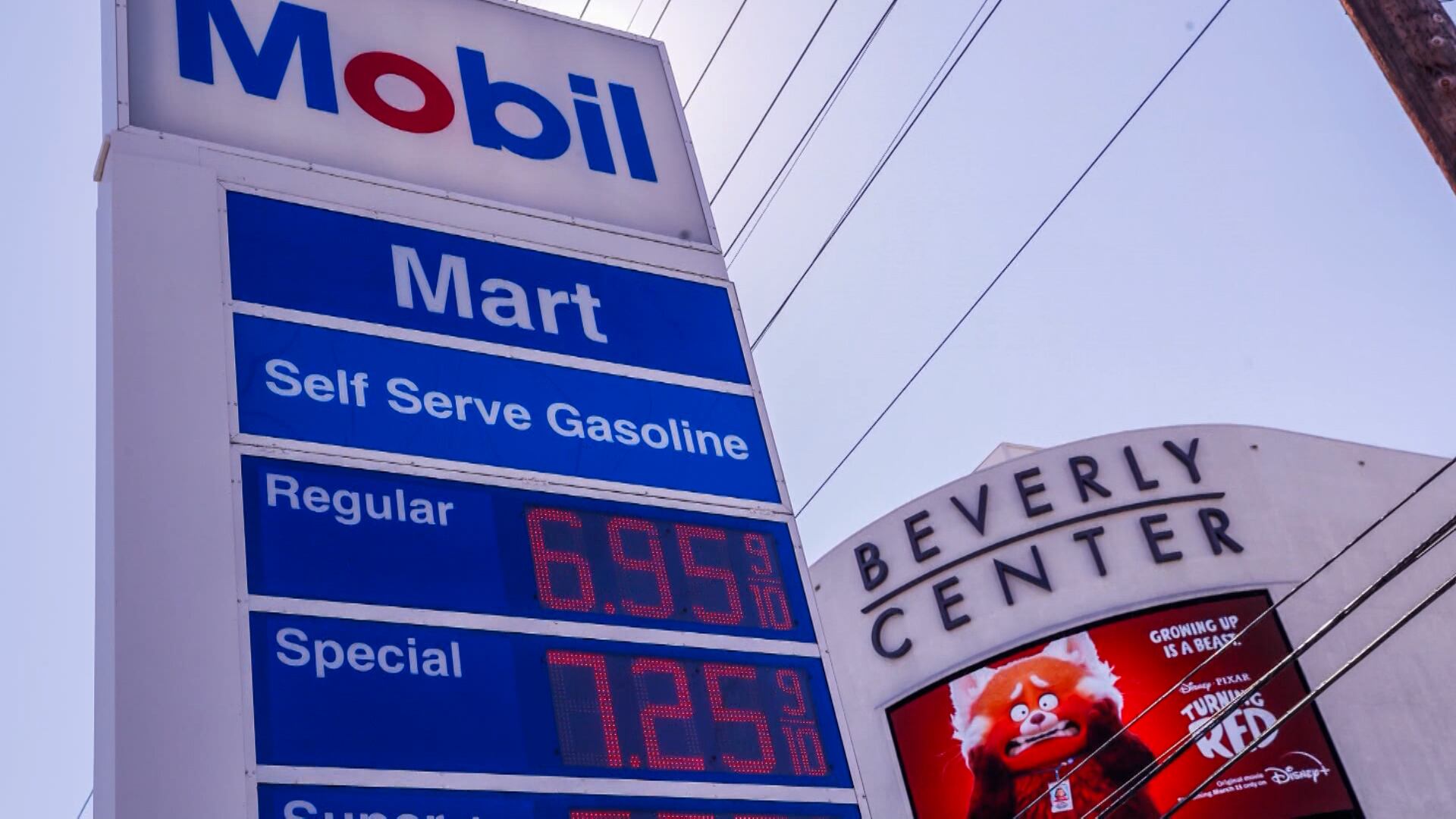
President Biden is looking at unlikely partners to buy oil, after banning all Russian energy imports. Among them is Venezuela, a regime that has been sanctioned by the U.S. since 2019. Ariel Cohen of the Atlantic Council explains to Cheddar News why that might not be a bad choice.