*By Christian Smith*
South Koreans responded with a mix of optimism and worry Tuesday after President Trump announced he would suspend joint military exercises with South Korea as Kim Jong-un considers how to dismantle North Korea's nuclear arsenal.
President Moon Jae-In of South Korea [watched on TV and smiled](https://www.facebook.com/KoreaClickers/photos/rpp.181274814520/10156484091904521/?type=3&theater) as the American president and the North Korean leader met in Singapore. But Trump's unexpected announcement that he would stop joint military drills made some of America's allies in South Korea uneasy, according to Martyn Williams, editor at NorthKoreaTech.org.
"The right wing in South Korea is already not very pleased with these military drills stopping taking place," Williams said in an interview with Cheddar.
The president's statement, which appeared to be an off-the-cuff comment in a discussion with reporters after his meeting with Kim, was not part of the joint statement signed by the two leaders. The United States and South Korea conduct regular war games to prepare for the possibility of a conflict with North Korea, and there are about 28,500 U.S. troops stationed in South Korea.
Trump had said he hoped to strike a deal with Kim to eliminate North Korea's nuclear program, and touted the "very comprehensive" statement the leaders agreed to at the summit. But Williams said denuclearization will take more negotiations.
"I think it was a good first step, but what comes next is the most important thing," Williams said.
For full interview, [click here](https://cheddar.com/videos/the-winners-and-losers-of-the-north-korea-summit).
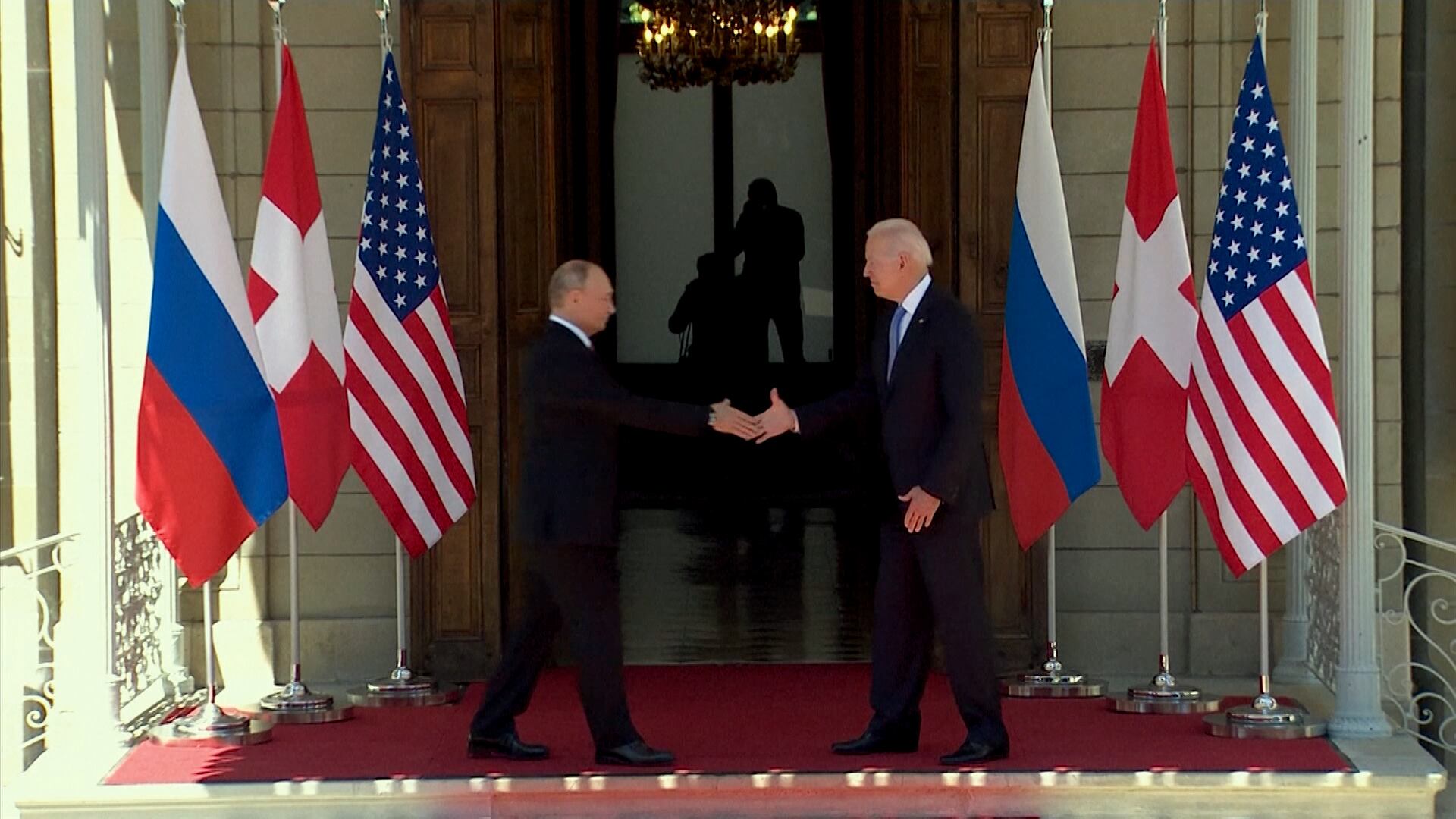
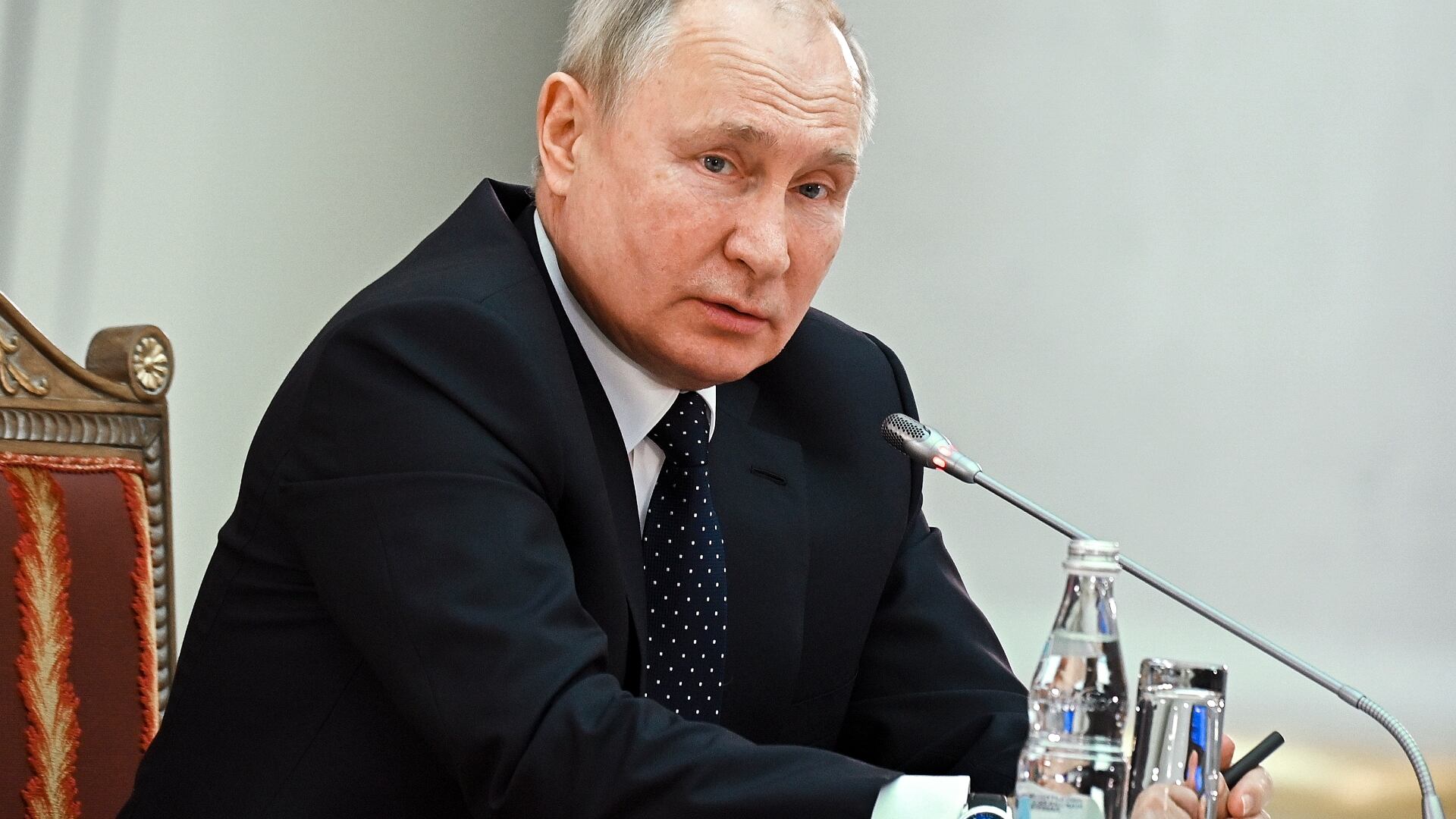
Matt Hayden, vice president of govtech solutions at Exiger and a former assistant secretary of cyber at Department of Homeland Security, joined Cheddar to discuss the surprise phone call initiated by Russian President Vladimir Putin to President Joe Biden, ahead of January security talks about the rising tensions over Ukraine. "We're hoping to hear that we're able to talk about the aggression and the leadup of the Ukrainian militarization," Hayden said. "But we're also looking to hear is how the Kremlin leveraged their talking points to try to test their negotiation stance with the United States leading into this January 10th meeting."
The No Surprises Act begins implementation on January 1, 2022. The legislation is meant to curb the practice of unexpected billing for care from providers the patient was unaware were out-of-network from their insurance. Patricia Kelmar, director of health care campaigns for U.S. PIRG joined Cheddar to describe the hundreds, sometimes thousands, of dollars charged to unsuspecting patients and how things will change under the new law. "If we are picking an in-network doctor and an in-network hospital, we should not see those added costs from anesthesiologists, radiologists, scrub-in surgeons," she said. "The other area it protects you is in air ambulances — not ground ambulances, unfortunately — but the helicopters or the airplanes you might need to transport you in an emergency situation."
President Joe Biden and Russian President Vladmir Putin are expected to have another conversation surrounding escalating tensions between Russia and Ukraine. Ariel Cohen, senior fellow at the Atlantic Council, joined Cheddar's Ken Buffa to discuss the ongoing tensions and why Putin's request for a conversation with Biden comes now. "This is very serious. This is the worst security crisis we had since the collapse of the Soviet Union," Cohen told Cheddar.
Stocks closed mixed on Wednesday, but two indexes - the Dow and the S&P 500 - ended the session with a new record. Akshata Bailkeri, Equity Analyst at Bruderman Asset Management, joins Cheddar News' Closing Bell, where she says there is a consensus for robust consumer spreading in 2022, especially as the Omicron variant is proving to be milder than other COVID-19 strains.
John Quelch, Dean of Miami Herbert Business School, joins Cheddar News' Closing Bell, where he says the retail giant is acting in accordance to President Biden's new law banning goods from China's Xinjiang region. Quelch also elaborates on the importance of China in Walmart's overall strategy.