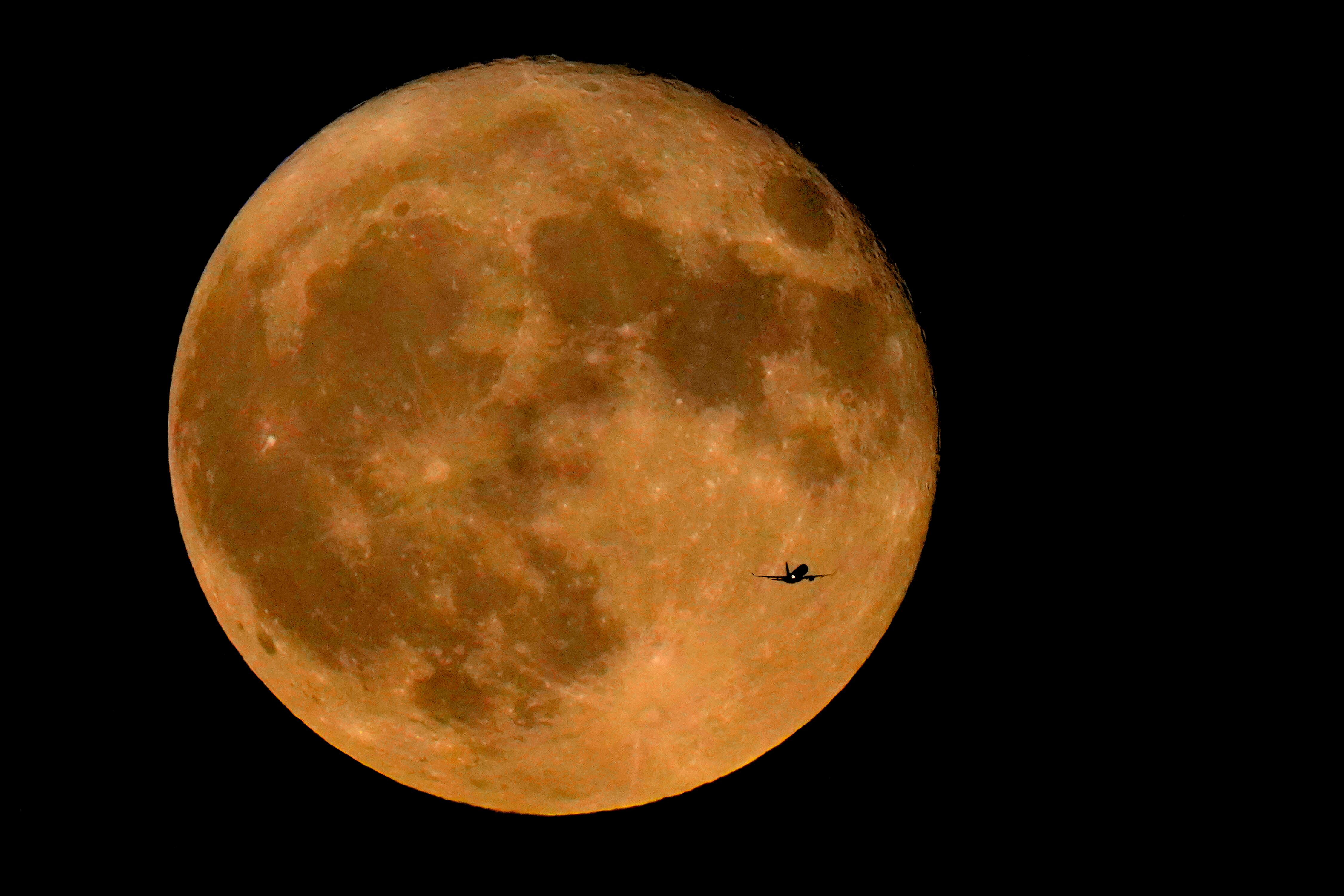
The cosmos is offering up a double feature in August: a pair of supermoons culminating in a rare blue moon.
Catch the first show Tuesday evening as the full moon rises in the southeast, appearing slightly brighter and bigger than normal. That’s because it will be closer than usual, just 222,159 miles (357,530 kilometers) away, thus the supermoon label.
The moon will be even closer the night of Aug. 30 — a scant 222,043 miles (357,344 kilometers) distant. Because it’s the second full moon in the same month, it will be what's called a blue moon.
“Warm summer nights are the ideal time to watch the full moon rise in the eastern sky within minutes of sunset. And it happens twice in August,” said retired NASA astrophysicist Fred Espenak, dubbed Mr. Eclipse for his eclipse-chasing expertise.
The last time two full supermoons graced the sky in the same month was in 2018. It won’t happen again until 2037, according to Italian astronomer Gianluca Masi, founder of the Virtual Telescope Project.
Masi will provide a live webcast of Tuesday evening’s supermoon, as it rises over the Coliseum in Rome.
“My plans are to capture the beauty of this ... hopefully bringing the emotion of the show to our viewers,” Masi said in an email.
“The supermoon offers us a great opportunity to look up and discover the sky,” he added.
This year’s first supermoon was in July. The fourth and last will be in September. The two in August will be closer than either of those.
Provided clear skies, binoculars or backyard telescopes can enhance the experience, Espenak said, revealing such features as lunar maria — the dark plains formed by ancient volcanic lava flows — and rays emanating from lunar craters.
According to the Old Farmer’s Almanac, the August full moon is traditionally known as the sturgeon moon. That’s because of the abundance of that fish in the Great Lakes in August, hundreds of years ago.
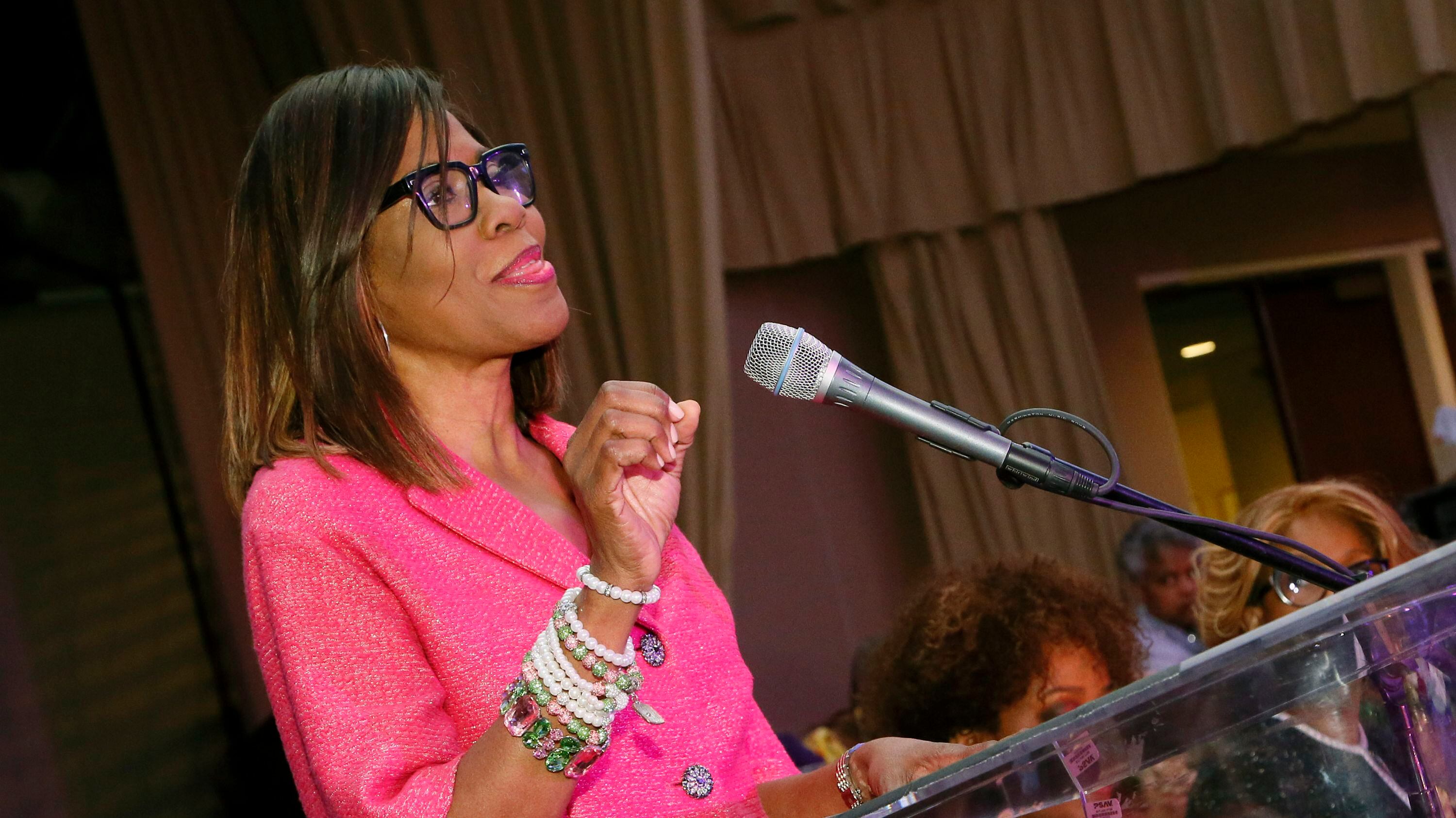
Dr. Patrice Harris, speaking to Cheddar the day after her tenure at the American Medical Association ended, leaves the nation’s largest association of physicians at a time of remarkable upheaval for the medical community.
New Zealand appears to have eradicated the coronavirus for now after health officials said the last known infected person has recovered.
Federal health authorities have received reports of nearly 26,000 nursing home residents dying from COVID-19, according to materials prepared for the nation's governors. That number is partial and likely to go higher.
President Donald Trump has announced that the U.S. will be terminating its relationship with the World Health Organization.
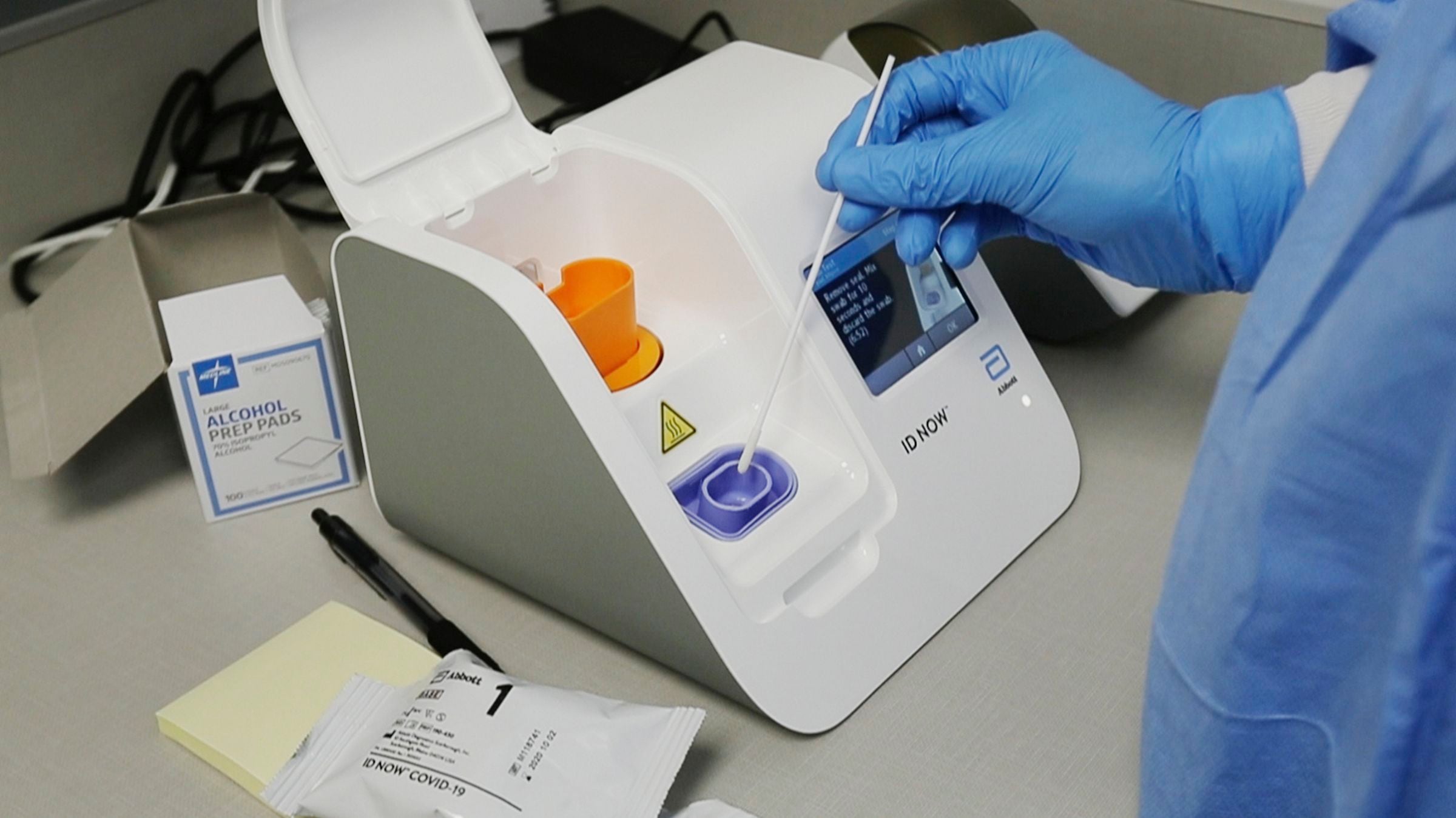
Phil Ginsburg, Abbott's Head of Infectious Disease, told Cheddar that new data shows the ID Now quick-results test for coronavirus is accurate if used as intended.
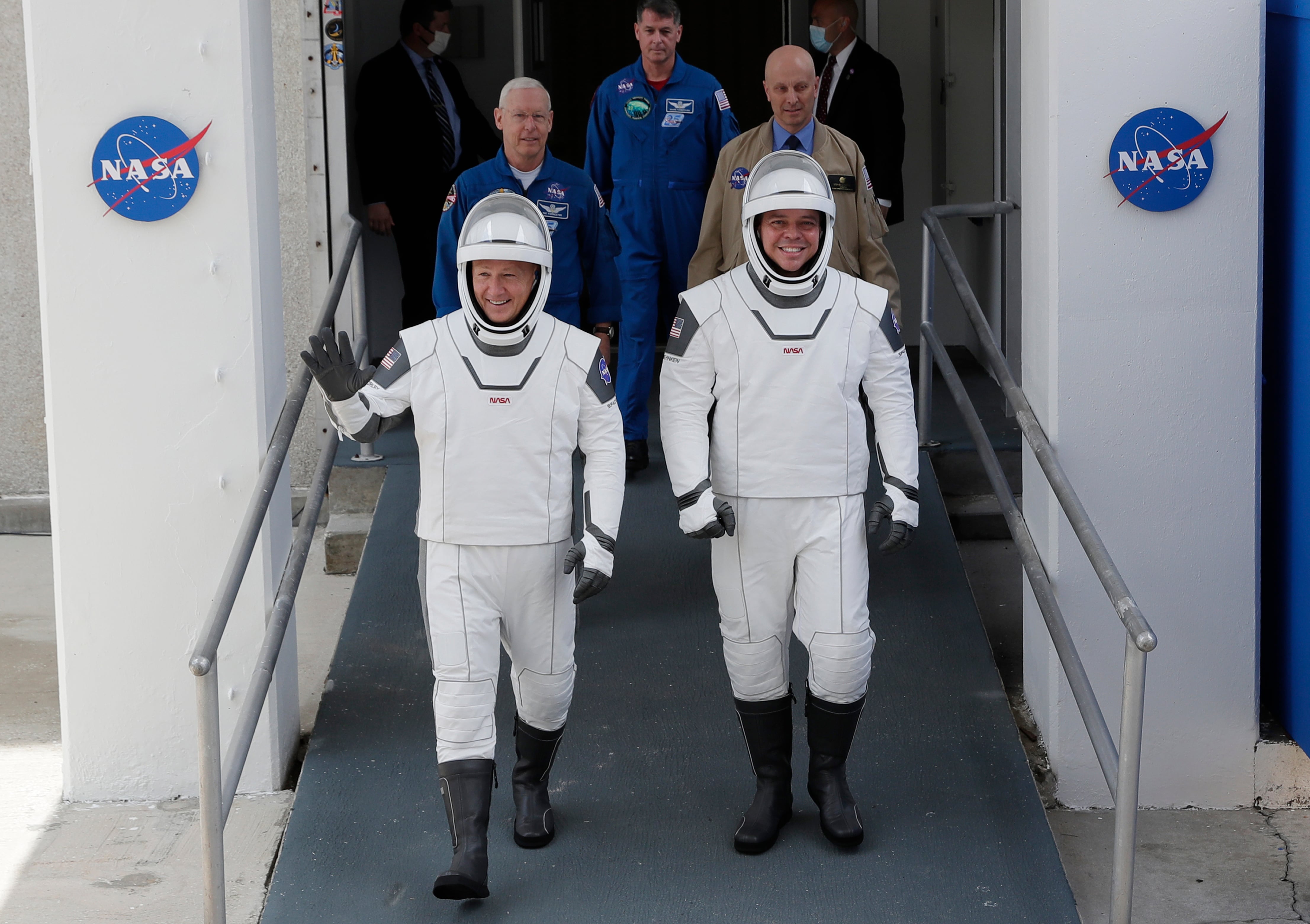
The launch of a SpaceX rocket ship with two NASA astronauts on a history-making flight into orbit has been called off with 16 minutes to go in the countdown because of the danger of lightning.
Visitation to National Park Service sites has seen a boom in recent years. For five years in a row, the park service has tallied over 300 million visitors per year. It’s an unprecedented spike, and the reason why this is happening now goes deeper than social media alone. While the threat of COVID-19 will likely change those numbers this year, the park service is still figuring out how to regain the balance between preservation and visitation. Cheddar explains the history of crowding in America’s national parks, and the impacts we are seeing from that today.
NASA is rolling out the International Space Station's red carpet for Tom Cruise.
Only about half of Americans say they would get a COVID-19 vaccine if the scientists working furiously to create one succeed.
Forecasters say the odds of acceptable conditions have improved to 60% for Wednesday's planned launch of a SpaceX Falcon rocket with two NASA astronauts.