President Trump is facing sharp rebukes from many sides Friday, following the announcement that U.S. will impose tariffs on $300 billion worth of Chinese imports.
Stocks tumbled Friday, China has said it will retaliate against new tariffs, and trade groups across industries have come out in fierce opposition to the move, which is the latest escalation in the now years-long trade dispute between the U.S. and China.
"We're concerned these additional tariffs will further erode our reputation as a reliable supplier, and our farmers, workers, and consumers will suffer more," Craig Allen, the president of the US-China Business Council, said in a statement.
The announcement of additional tariffs came after two days of seemingly fruitless high-level trade talks in Shanghai. Negotiators included U.S. Trade Representative Robert Lighthizer, Treasury Secretary Steven Mnuchin, and China's Vice Premier Liu He.
"Unfortunately, it seems that when we take two steps forward, we then take two steps backward," Kip Eideberg, a vice president at the Association of Equipment Manufacturers, told Cheddar Friday.
The sudden escalation sent waves across markets. In the U.S., the Dow, the S&P 500, and the Nasdaq Composite all opened down on Friday. The FTSE 100 Index — better known as the "Footsie" — in London fell by roughly 2.2 percent, and both the Nikkei Index in Tokyo and the Hang Seng Index in Hong Kong closed the day down over 2 percent.
On Thursday, Trump said that a 10 percent tariff would be levied on $300 billion worth of Chinese goods. That would essentially blanket all Chinese imports, which totaled roughly $558 billion in 2018, with tariffs. Trump later told reporters that the established tariffs could be increased beyond 25 percent if progress is not made in negotiations.
"I can always do much more or I can do less, depending on what happens with respect to a deal," Trump said on the White House lawn Thursday after making the announcement. "It can be lifted up to well beyond 25 percent. But we're not looking to do that, necessarily."
In response, the Chinese Foreign Ministry said it "deplores and firmly opposes" the new tariffs, adding that China will take necessary countermeasures to defend its interests.
"We do not want a trade war, but we are not afraid of fighting one," Hua Chunying, a foreign ministry spokesperson, said on Friday. "China does not accept any maximum pressure, threat, or blackmail."
Several trade groups came out in strong opposition to Trump's tariff, arguing that such a strategy ultimately hurts U.S. businesses and consumers.
"These additional tariffs will only threaten U.S. jobs and raise costs for American families on everyday goods," David French, the senior vice president for government relations at the National Retail Federation, said in a statement. "The tariffs imposed over the past year haven't worked, and there's no evidence another tax increase on American businesses and consumers will yield new results."
The Consumer Technology Association (CTA) said that the new tariffs are essentially a tax on American's favorite technology products, stressing that tariffs are paid for by U.S. consumers and not China. "Retaliatory tariffs, whether 10% or 25%, are bad policy," Gary Shapiro, the president and CEO of CTA, said.
Trump, nonetheless, claimed on Thursday said that his strategy is working, claiming that "our people haven't paid … frankly, it hasn't cost our consumer anything; it costs China."
People's Daily, the official Chinese government's newspaper, said in an editorial on Friday that "some American politicians once again found ants in their pants and tried to destroy the potential for cooperation."
The New York Times and President Donald Trump are fighting again. The news outlet said Wednesday it won't be deterred by Trump's “false and inflammatory language” from writing about the 79-year-old president's health. The Times has done a handful of stories on that topic recently, including an opinion column that said Trump is “starting to give President Joe Biden vibes.” In a Truth Social post, Trump said it might be treasonous for outlets like the Times to do “FAKE” reports about his health and "we should do something about it.” The Republican president already has a pending lawsuit against the newspaper for its past reports on his finances.
OpenAI has appointed Slack CEO Denise Dresser as its first chief of revenue. Dresser will oversee global revenue strategy and help businesses integrate AI into daily operations. OpenAI CEO Sam Altman recently emphasized improving ChatGPT, which now has over 800 million weekly users. Despite its success, OpenAI faces competition from companies like Google and concerns about profitability. The company earns money from premium ChatGPT subscriptions but hasn't ventured into advertising. Altman had recently announced delays in developing new products like AI agents and a personal assistant.
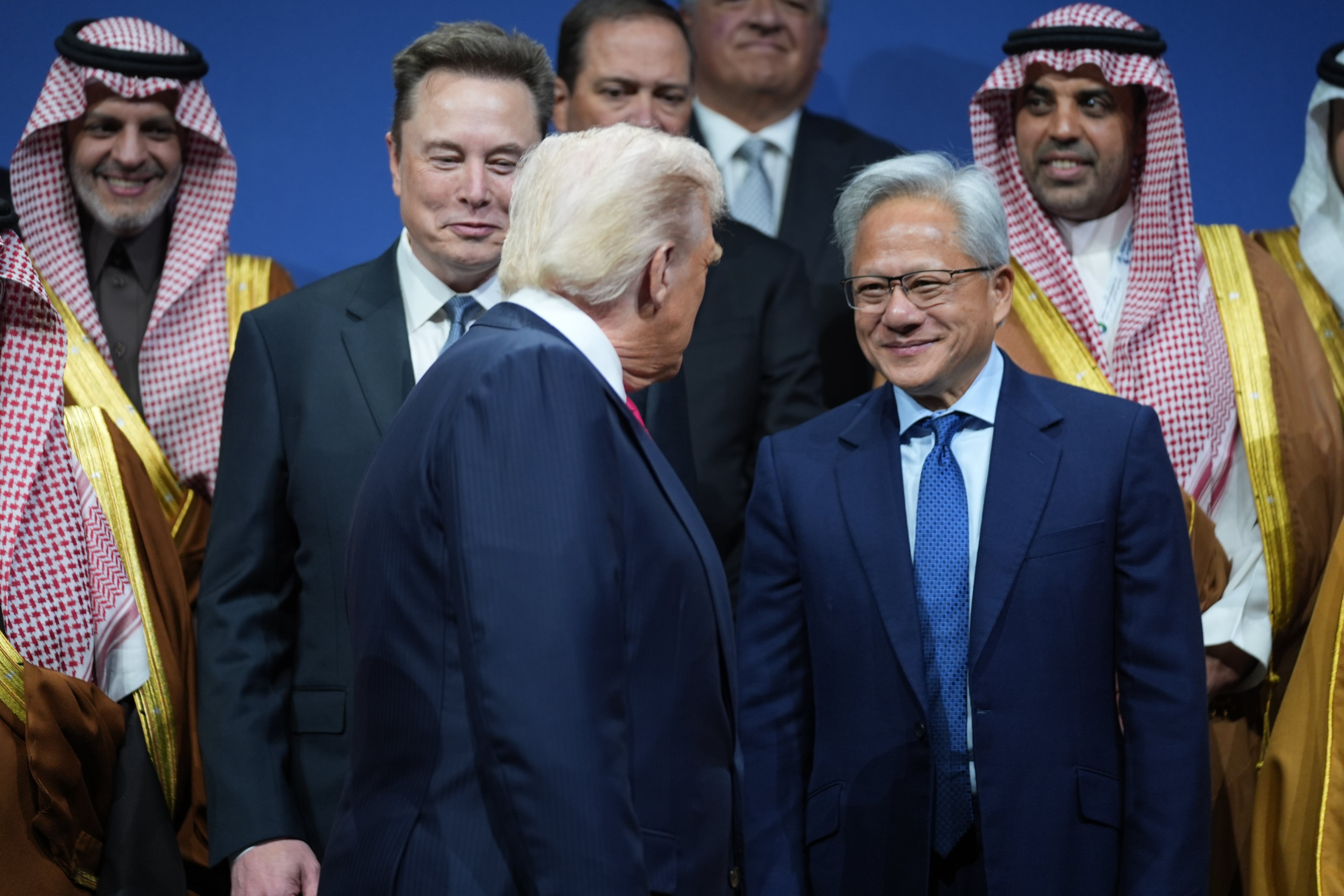
President Donald Trump says he will allow Nvidia to sell its H200 computer chip used in the development of artificial intelligence to “approved customers” in China. Trump said Monday on his social media site that he had informed China’s leader Xi Jinping and “President Xi responded positively!” There had been concerns about allowing advanced computer chips into China as it could help them to compete against the U.S. in building out AI capabilities. But there has also been a desire to develop the AI ecosystem with American companies such as chipmaker Nvidia.
U.S. sports betting is booming as NFL and college football fuel massive activity. BetMGM CEO Adam Greenblatt breaks down trends, growth, and what’s next.
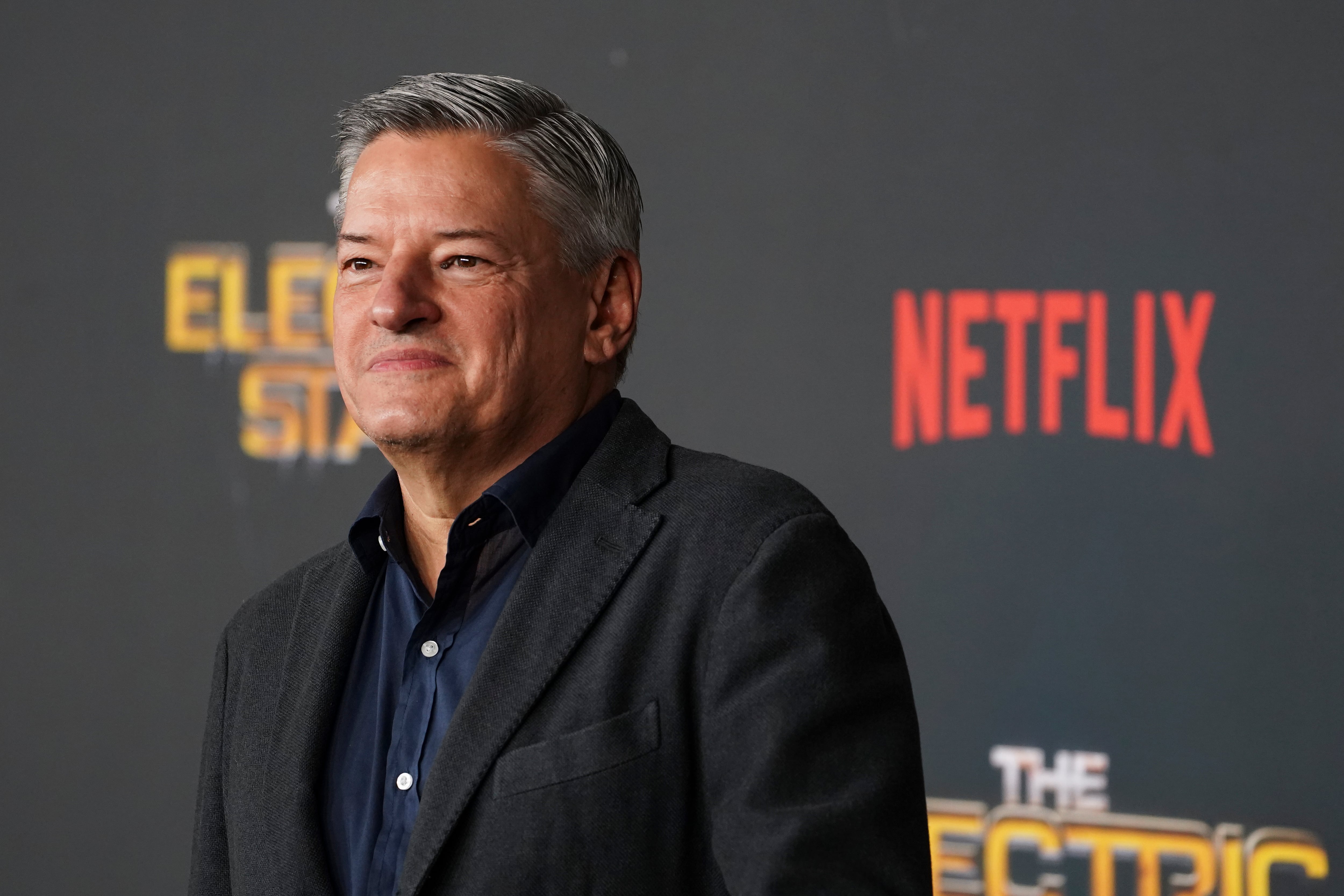
President Donald Trump says a deal struck by Netflix last week to buy Warner Bros. Discovery “could be a problem” because of the size of the combined market share. The Republican president says he will be involved in the decision about whether federal regulators should approve the deal. Trump commented Sunday when he was asked about the deal as he walked the red carpet at the Kennedy Center Honors. The $72 billion deal would bring together two of the biggest players in television and film and potentially reshape the entertainment industry.
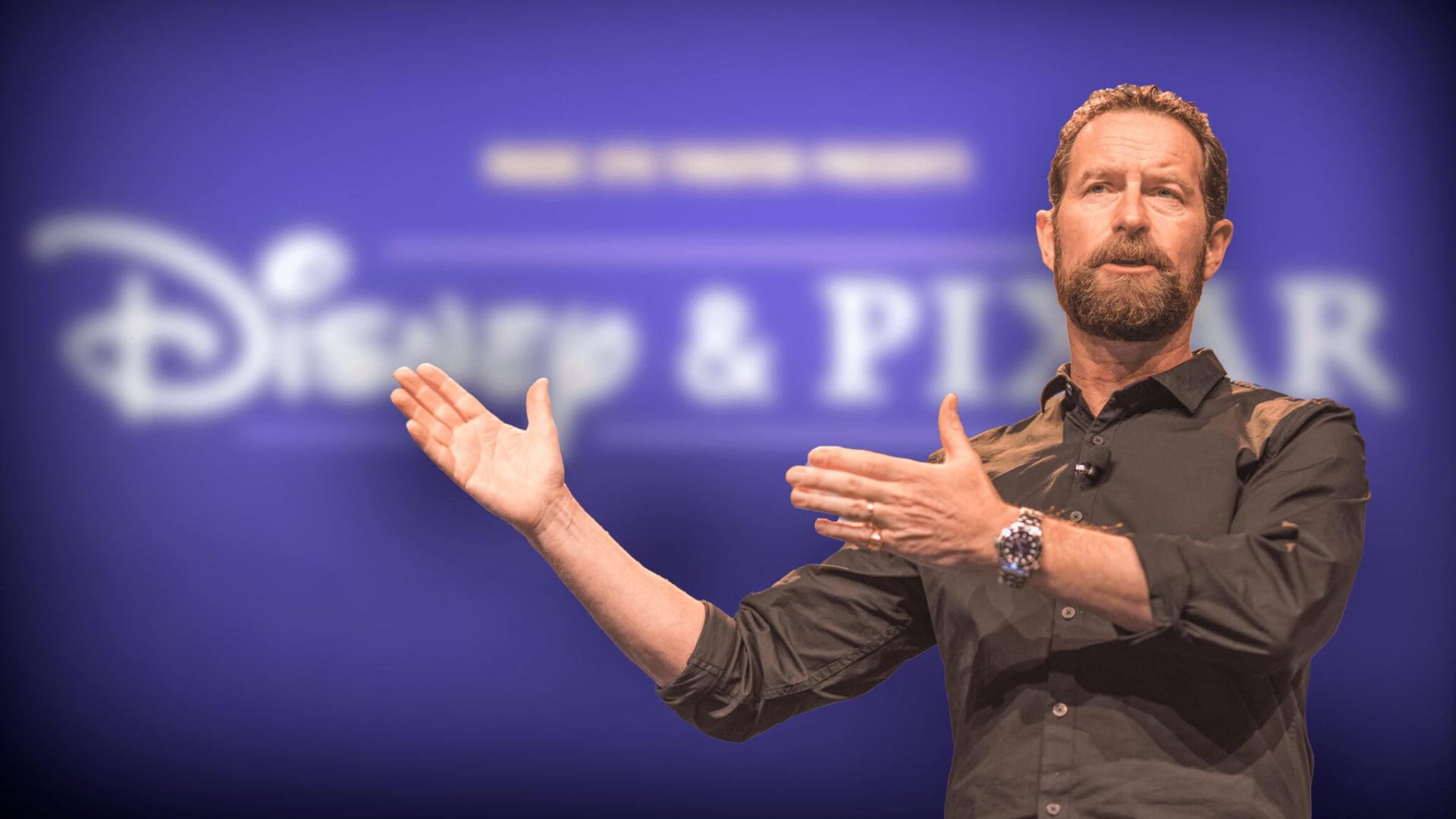
Disney's changes to a program for disabled visitors are facing challenges in federal court and through a shareholder proposal. The Disability Access Service program, which allows disabled visitors to skip long lines, was overhauled last year. Disney now mostly limits the program to those with developmental disabilities like autism who have difficulty waiting in lines. The changes have sparked criticism from some disability advocates. A shareholder proposal submitted by disability advocates calls for an independent review of Disney's disability policies. Disney plans to block this proposal, claiming it's misleading. It's the latest struggle by Disney to accommodate disabled visitors while stopping past abuses by some theme park guests.
With a merger this big, creators, studios, and theaters all face uncertain futures. Here’s what experts are worried about and what good could come from it.
With disengagement rising and hybrid work shifting, 'Everybody Matters' author Bob Chapman explains why treating people well could define the future of work.
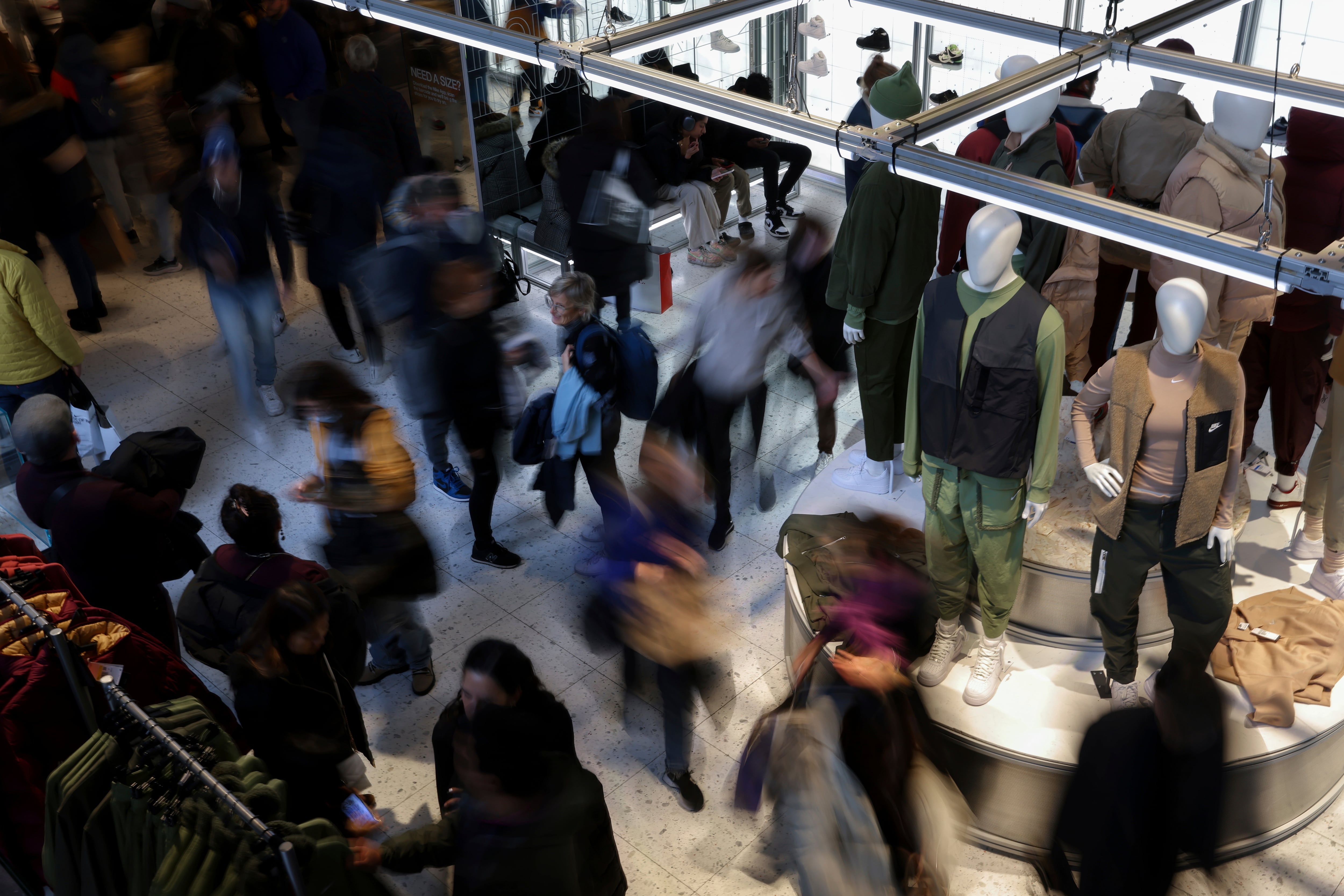
We sat down with Ali Furman, U.S. Consumer Markets Industry Leader at consulting firm PwC to ask what trends she garnered from the initial data this year.