By Kevin Freking
President Donald Trump on Wednesday vetoed the annual defense policy bill, following through on threats to veto a measure that has broad bipartisan support in Congress and potentially setting up the first override vote of his presidency.
The bill affirms 3% pay raises for U.S. troops and authorizes more than $740 billion in military programs and construction.
The action came while Trump was holed up at the White House, stewing about his election loss and escalating his standoff with Republicans as he pushed fraudulent conspiracy theories and tried to pressure them to back his efforts to overturn the results.
The House was poised to return Monday, and the Senate on Tuesday, to consider votes to override the president’s veto.
Trump's move provoked swift condemnation, with House Speaker Nancy Pelosi calling it “an act of staggering recklessness that harms our troops, endangers our security and undermines the will of the bipartisan Congress.”
Sen. Jim Inhofe, R-Okla., chairman of the Senate Armed Services Committee, avoided any criticism of Trump, but called the NDAA “absolutely vital to our national security and our troops. ... Our men and women who volunteer to wear the uniform shouldn’t be denied what they need — ever.”
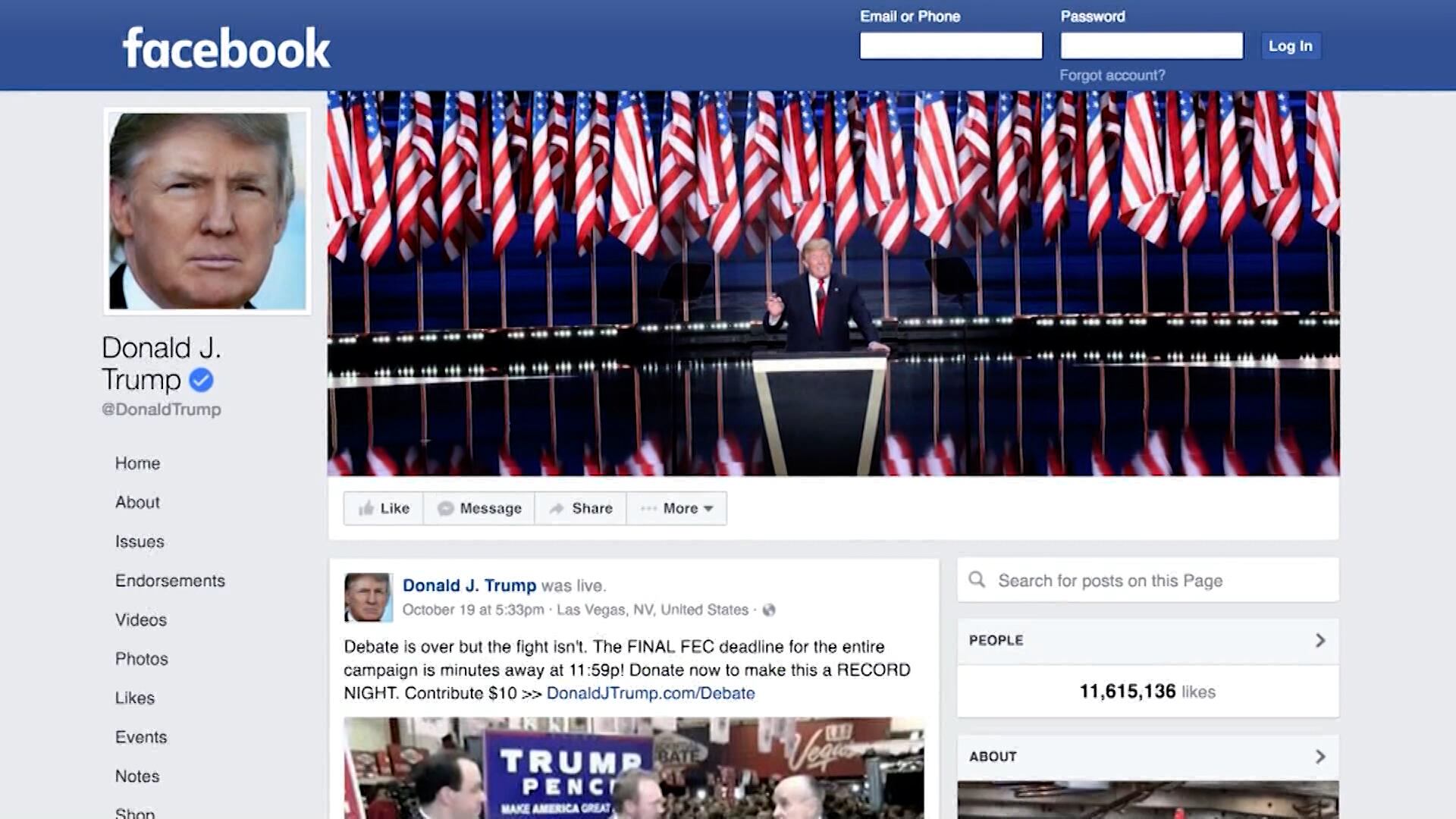
Long before issuing the veto, Trump offered a series of rationales for rejecting it. He has called for lawmakers to include limits on social media companies he claimed are biased against him — and to strip out language that allows for the renaming of military bases such as Fort Benning and Fort Hood that honor Confederate leaders. Without going into detail, he has claimed the biggest winner from the defense bill would be China.
In his veto message to the House, Trump cited those objections and stated that the measure “fails to include critical national security measures, includes provisions that fail to respect our veterans and our military’s history, and contradicts efforts by my Administration to put America first in our national security and foreign policy actions. It is a ‘gift’ to China and Russia.”
He also wrote: “Numerous provisions of the Act directly contradict my Administration’s foreign policy, particularly my efforts to bring our troops home.
Both the House and Senate passed the measure by margins large enough to override a veto from the president. Trump had vetoed eight bills previously, but those vetoes were sustained because supporters did not gain the two-thirds vote needed in each chamber for the bill to become law without Trump’s signature.
In advance of the veto, Senate Majority Leader Mitch McConnell, R-Ky., has said the bill would help deter Chinese aggression. Other GOP backers of the measure, including Sen. John Thune of South Dakota, the second-ranking Senate leader, and Rep. Mike Gallagher of Wisconsin, a member of the House Armed Services Committee, have tweeted that the bill would counter threats from countries such as China.
Sen. Jack Reed of Rhode Island, the top Democrat on the Armed Services Committee, said Trump’s declaration that China was the biggest winner in the defense bill was false. Reed also noted the shifting explanations Trump had given for the veto.
“President Trump clearly hasn’t read the bill, nor does he understand what’s in it,” Reed said. “There are several bipartisan provisions in here that get tougher on China than the Trump Administration has ever been.”
The measure guides Pentagon policy and cements decisions about troop levels, new weapons systems and military readiness, military personnel policy, and other military goals. Many programs can only go into effect if the bill is approved, including military construction.
McConnell, in a rare break with Trump, had urged passage despite Trump’s threat to veto it. McConnell said it was important for Congress to continue its nearly six-decade-long streak of passing the defense policy bill.
Updated on December 23, 2020, at 4:48 p.m. ET with the latest information.