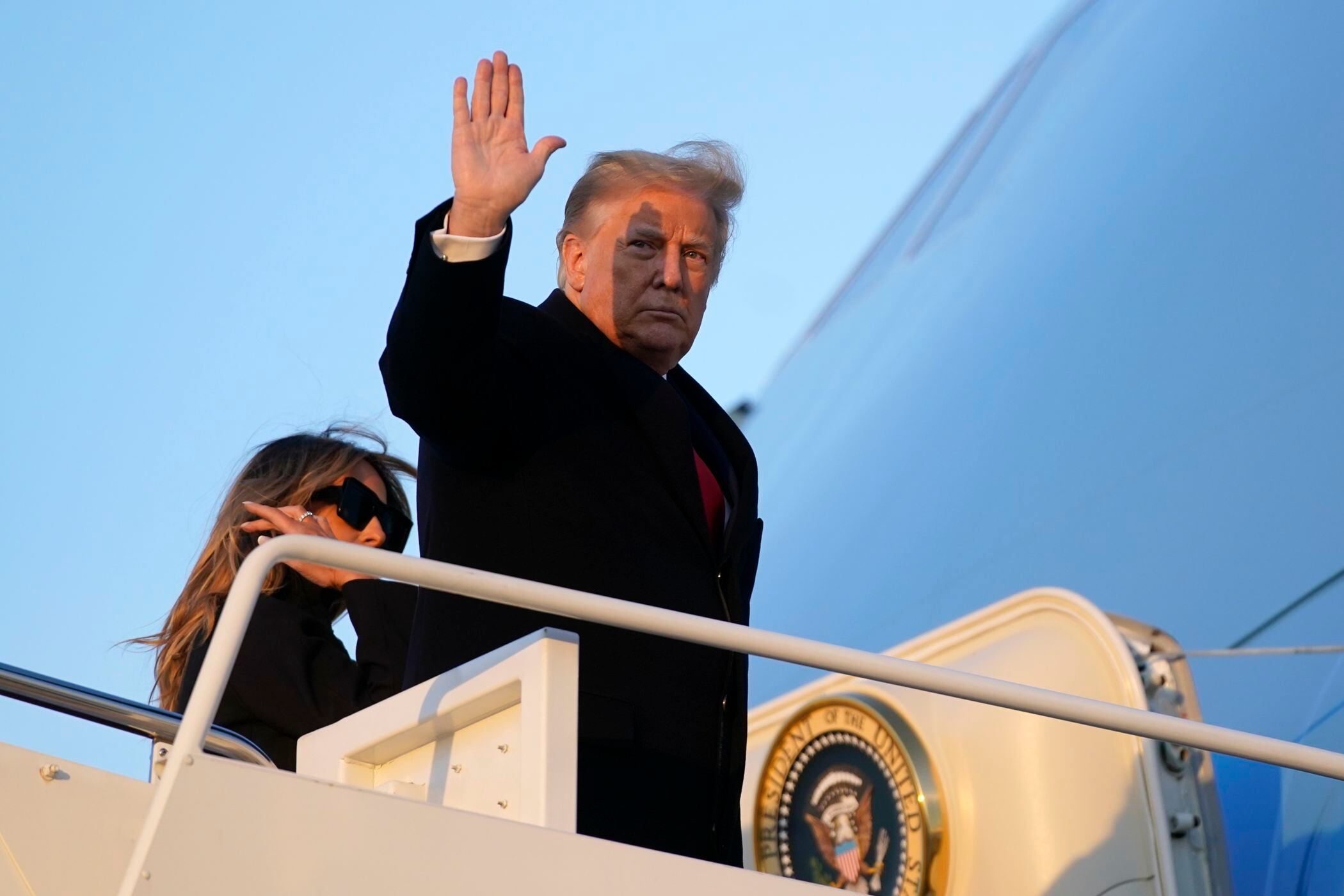
President Donald Trump waves as he boards Air Force One at Andrews Air Force Base, Md., Wednesday, Dec. 23, 2020. Trump is traveling to his Mar-a-Lago resort in Palm Beach, Fla. (AP Photo/Patrick Semansky)
By Kevin Freking
President Donald Trump on Wednesday vetoed the annual defense policy bill, following through on threats to veto a measure that has broad bipartisan support in Congress and potentially setting up the first override vote of his presidency.
The bill affirms 3% pay raises for U.S. troops and authorizes more than $740 billion in military programs and construction.
The action came while Trump was holed up at the White House, stewing about his election loss and escalating his standoff with Republicans as he pushed fraudulent conspiracy theories and tried to pressure them to back his efforts to overturn the results.
The House was poised to return Monday, and the Senate on Tuesday, to consider votes to override the president’s veto.
Trump's move provoked swift condemnation, with House Speaker Nancy Pelosi calling it “an act of staggering recklessness that harms our troops, endangers our security and undermines the will of the bipartisan Congress.”
Sen. Jim Inhofe, R-Okla., chairman of the Senate Armed Services Committee, avoided any criticism of Trump, but called the NDAA “absolutely vital to our national security and our troops. ... Our men and women who volunteer to wear the uniform shouldn’t be denied what they need — ever.”
Long before issuing the veto, Trump offered a series of rationales for rejecting it. He has called for lawmakers to include limits on social media companies he claimed are biased against him — and to strip out language that allows for the renaming of military bases such as Fort Benning and Fort Hood that honor Confederate leaders. Without going into detail, he has claimed the biggest winner from the defense bill would be China.
In his veto message to the House, Trump cited those objections and stated that the measure “fails to include critical national security measures, includes provisions that fail to respect our veterans and our military’s history, and contradicts efforts by my Administration to put America first in our national security and foreign policy actions. It is a ‘gift’ to China and Russia.”
He also wrote: “Numerous provisions of the Act directly contradict my Administration’s foreign policy, particularly my efforts to bring our troops home.
Both the House and Senate passed the measure by margins large enough to override a veto from the president. Trump had vetoed eight bills previously, but those vetoes were sustained because supporters did not gain the two-thirds vote needed in each chamber for the bill to become law without Trump’s signature.
In advance of the veto, Senate Majority Leader Mitch McConnell, R-Ky., has said the bill would help deter Chinese aggression. Other GOP backers of the measure, including Sen. John Thune of South Dakota, the second-ranking Senate leader, and Rep. Mike Gallagher of Wisconsin, a member of the House Armed Services Committee, have tweeted that the bill would counter threats from countries such as China.
Sen. Jack Reed of Rhode Island, the top Democrat on the Armed Services Committee, said Trump’s declaration that China was the biggest winner in the defense bill was false. Reed also noted the shifting explanations Trump had given for the veto.
“President Trump clearly hasn’t read the bill, nor does he understand what’s in it,” Reed said. “There are several bipartisan provisions in here that get tougher on China than the Trump Administration has ever been.”
The measure guides Pentagon policy and cements decisions about troop levels, new weapons systems and military readiness, military personnel policy, and other military goals. Many programs can only go into effect if the bill is approved, including military construction.
McConnell, in a rare break with Trump, had urged passage despite Trump’s threat to veto it. McConnell said it was important for Congress to continue its nearly six-decade-long streak of passing the defense policy bill.
Updated on December 23, 2020, at 4:48 p.m. ET with the latest information.
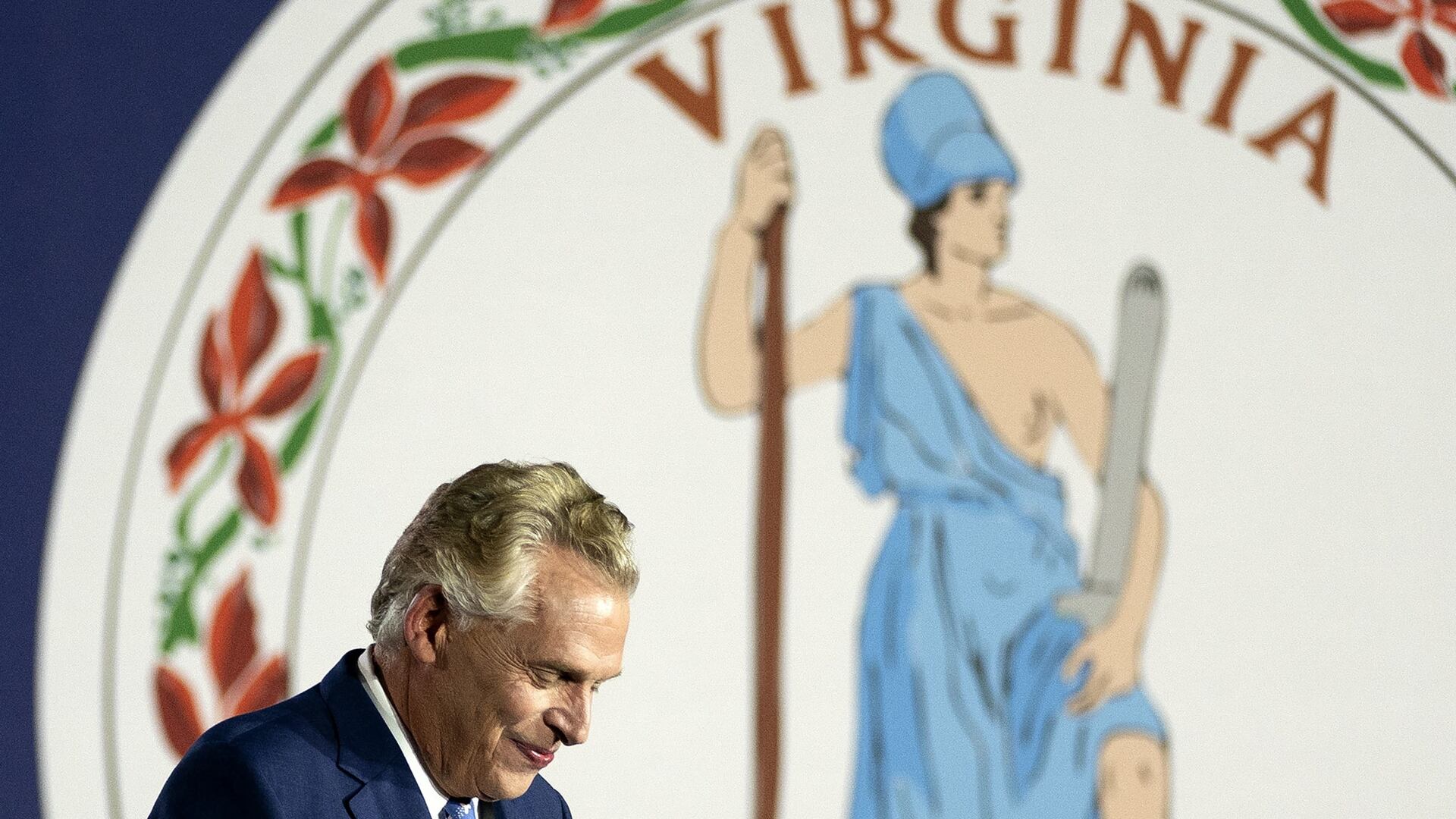
Going into election day on Tuesday, many of us had an inkling it might not be a great day for Democrats. History tells us the president's party tends to lose congressional seats, governorships and state legislature seats in off-year and midterm elections. Tuesday turned out to be a big wake-up call for democrats. Not only did Terry McAuliffe lose in the Virginia governor's race, Gov. Phil Murphy won re-election by an incredibly slim margin. Both races saw continued Democratic losses in rural areas and a shift of suburban voters back to the GOP. Liz Landers, chief political correspondent at Vice News, joins Cheddar Politics to discuss.
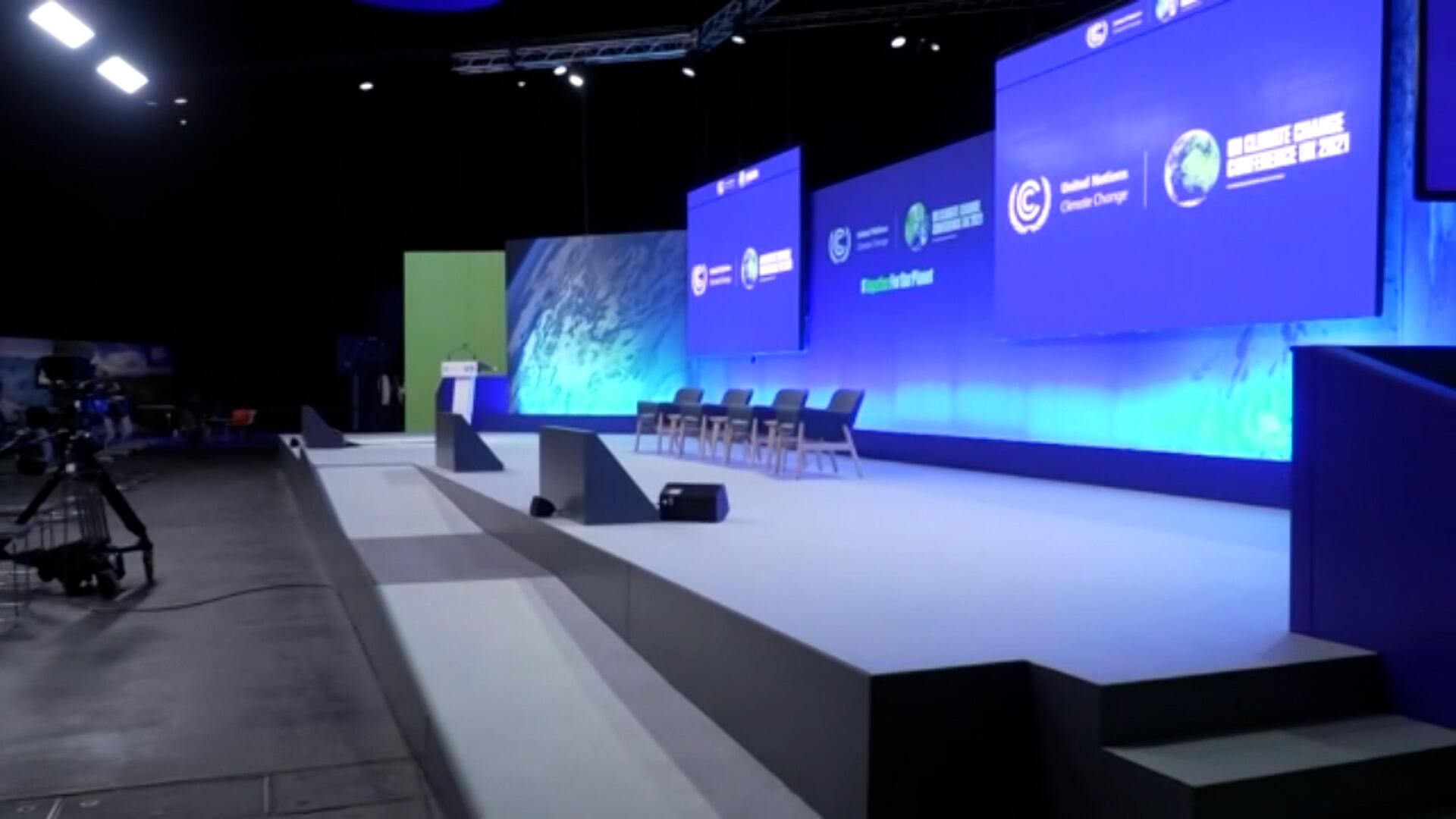
Week one of UN climate summit is coming to an end, world leaders made a number of promises to save the planet. President Biden attended the first two days of the meeting.
Alan Neuhauser, vice president of Silverline Communications, joined Cheddar Politics to talk more about the pledges that came out from the summit and their significance.
It's been a busy week for the Supreme Court. It heard arguments on three of the most watched cases in the docket for this term. The court heard arguments in two cases challenging the Texas abortion law on Monday - one filed by abortion providers and the other by the justice department. Instead of weighing in on the constitutionality of the matter itself, justices focused on the unusual structure of the law that enables citizens to enforce the law, not the state government.
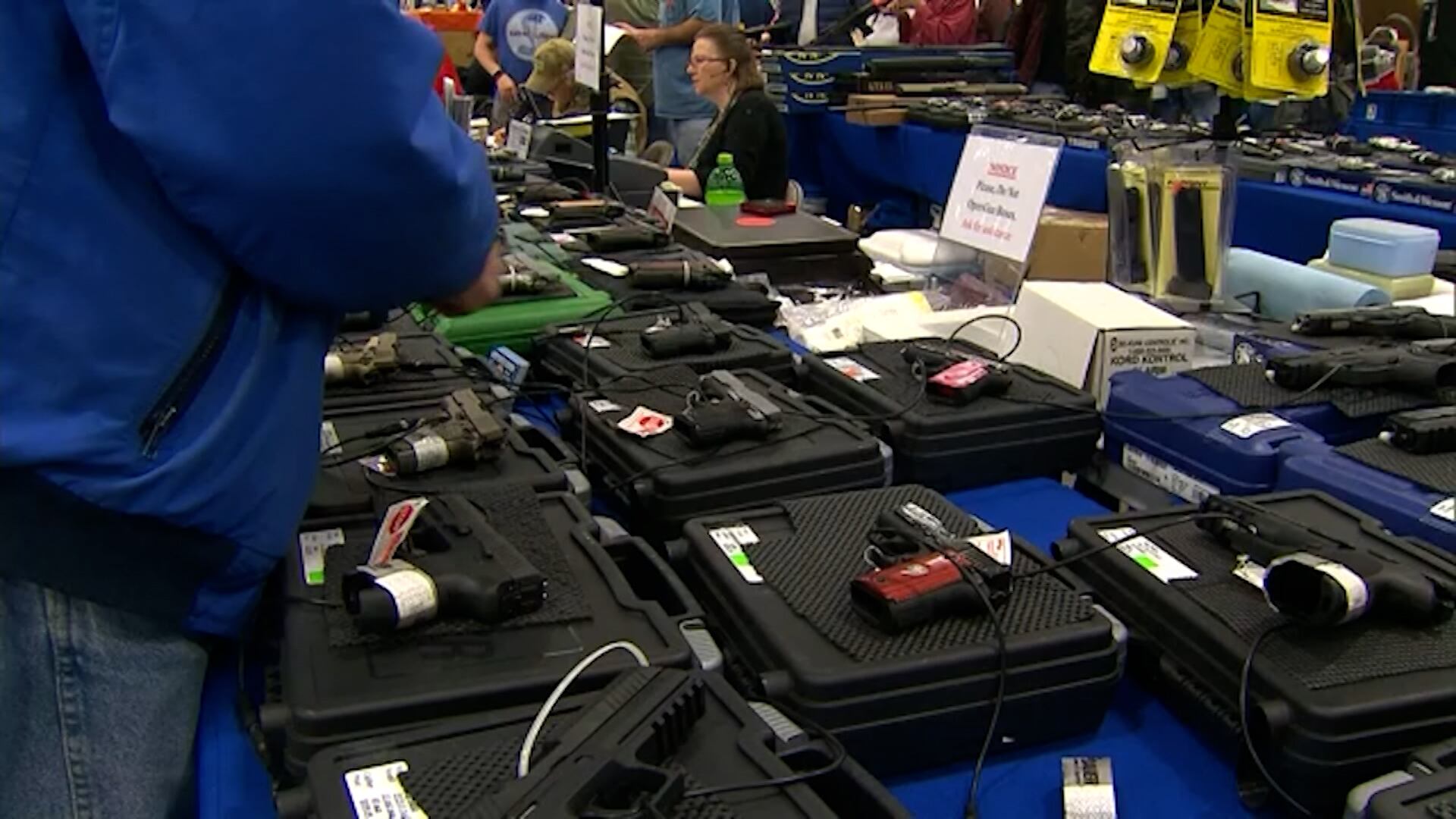
On Wednesday, the court heard arguments in the biggest Second Amendment case in more than a decade. The dispute is over a New York gun law that requires people seeking a license to carry a handgun in public to show a "proper cause." The challengers in this case claim the law inhibits their constitutional Second Amendment rights.
Amy Howe, co-founder of SCOTUSBlog, joined Cheddar Politics to break the cases down.
This is the first installment of Cheddar Changemakers, where we spotlight young activists making a difference in the world and speaking up on issues regarding mental health, voting, and climate change.
Republicans are considered, and often act like, the party opposed to action on climate change. They've made a point of fighting even modest regulations on businesses related to stemming the worst effects of climate change. But Republicans aren't a monolith on climate change, and our next guest reminds us that "conservation" and "conservative" have the same word root.
Quill Robinson, VP of government affairs at the American Conservation Coalition, joins Cheddar Politics to discuss.
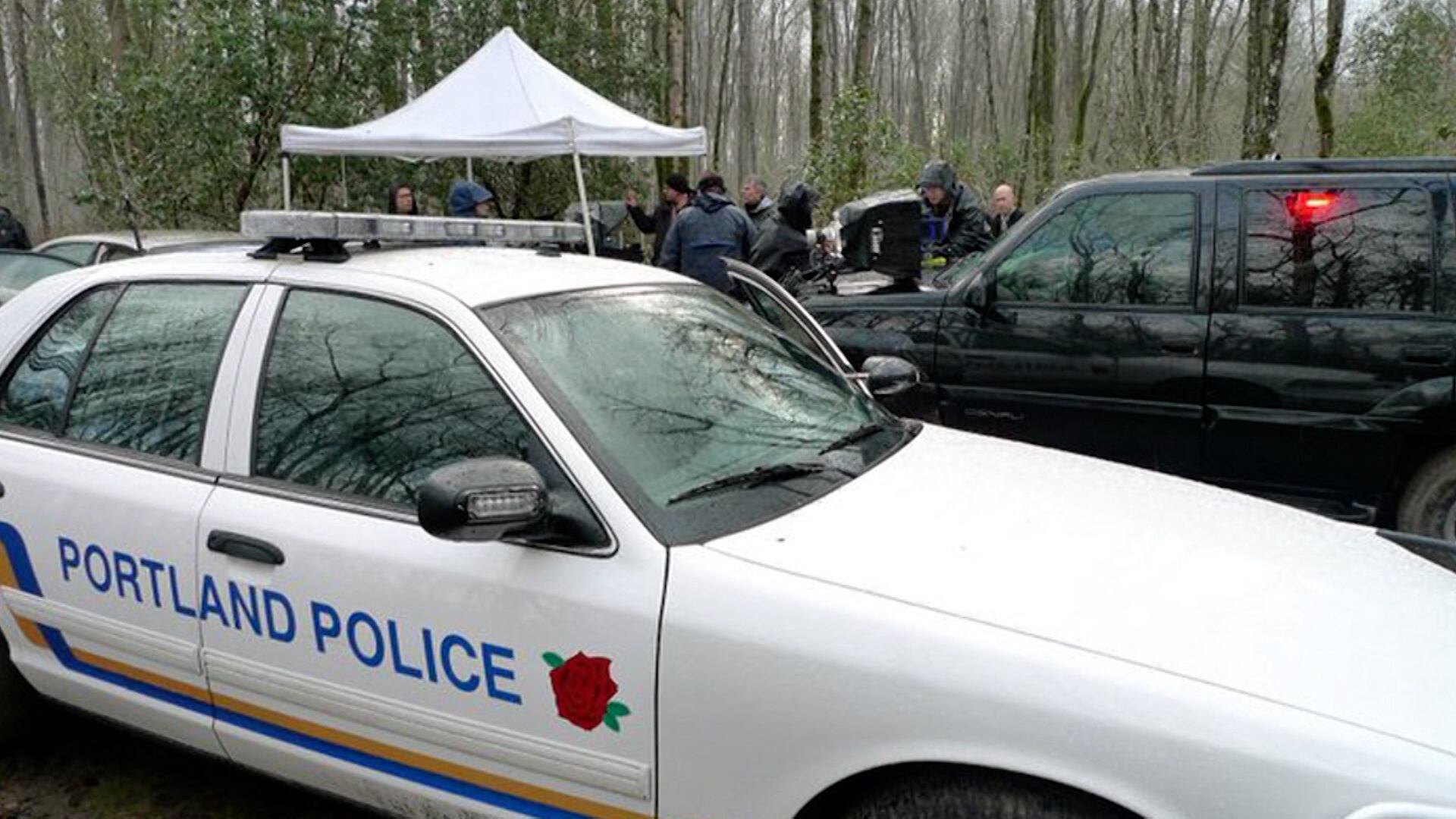
The mayor of Portland, Oregon, Ted Wheeler joined Cheddar News Wrap to discuss his plans to get an increase in the city's police budget for more personnel, changes to public safety response, and more body cameras. The Democratic mayor addressed the growth in violent crimes amid the pandemic, but noted the need for officers who take their roles seriously. We want officers who understand that policing is an important responsibility, it's a high calling," he said. "We also want a police bureau that is accountable and responsible to the public it serves."
More American tech companies continue to pull their businesses out of China as the Communist Party cracks down on firms — both foreign and domestic. Yahoo and Fortnite have become the latest companies to withdraw from the country, and the withdrawals come just days after Microsoft announced it would take LinkedIn offline. Shehzad Qazi, managing director at China Beige Book International, joined Cheddar to provide some insight into how the crackdowns in China would also impact the tech companies at home in the United States.
A new report out by the Center for Countering Digital Hate shows how just ten publishers are responsible for the bulk of climate change misinformation on social media--and companies like Facebook and Google are making money off them. Imran Ahmed, CEO of the Center for Countering Digital Hate, joined Cheddar to discuss.
'The Good Liars' are Jason Selvig and Davram Stiefler, a comedy duo that's been shaking up the political world for years. They're out with a new mockumentary, 'The Supporters,' following the 2020 election. Jason Selvig & Davram Stiefler, Stunt Comedians and creators of 'The Good Liars' joined Cheddar News to discuss.