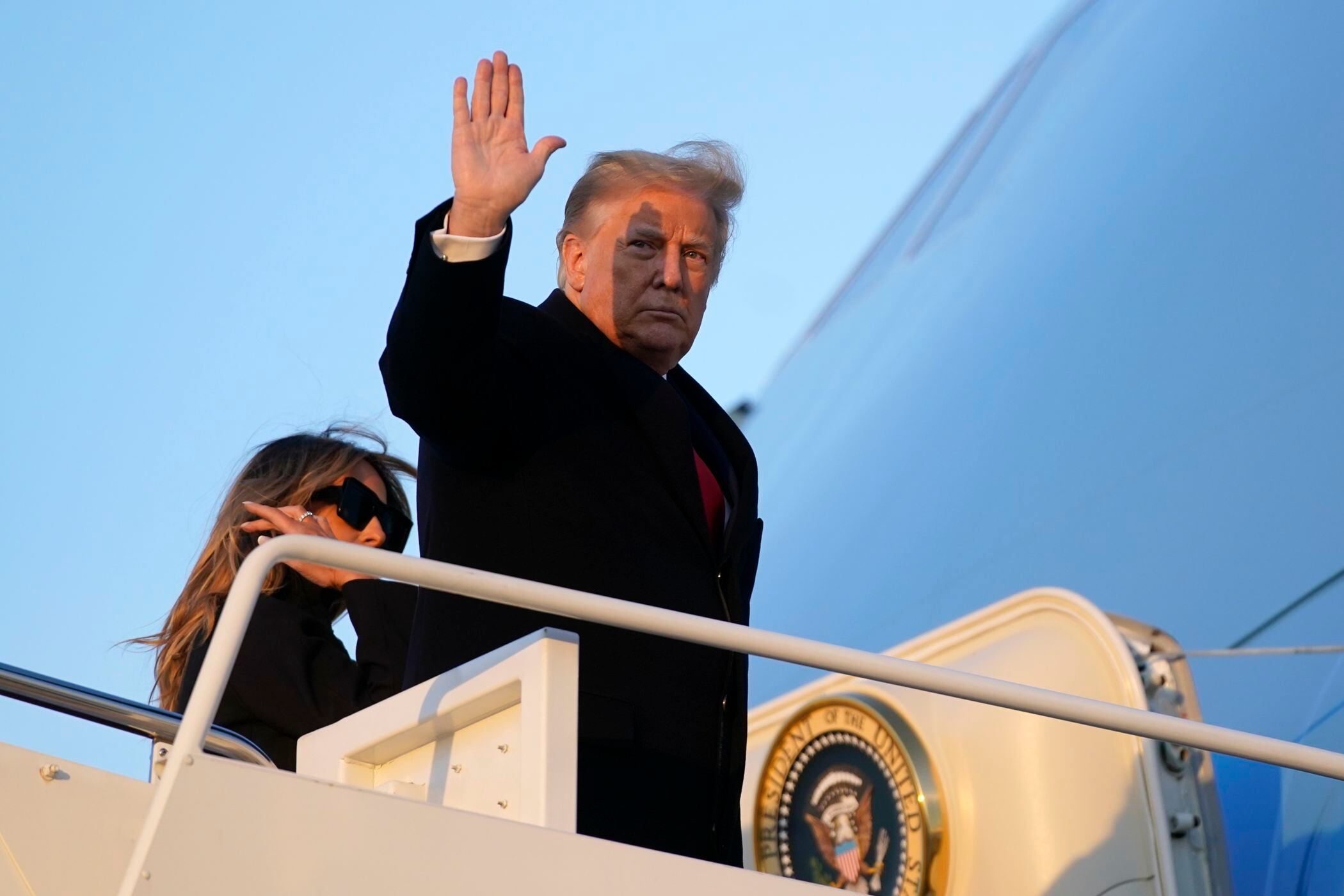
President Donald Trump waves as he boards Air Force One at Andrews Air Force Base, Md., Wednesday, Dec. 23, 2020. Trump is traveling to his Mar-a-Lago resort in Palm Beach, Fla. (AP Photo/Patrick Semansky)
By Kevin Freking
President Donald Trump on Wednesday vetoed the annual defense policy bill, following through on threats to veto a measure that has broad bipartisan support in Congress and potentially setting up the first override vote of his presidency.
The bill affirms 3% pay raises for U.S. troops and authorizes more than $740 billion in military programs and construction.
The action came while Trump was holed up at the White House, stewing about his election loss and escalating his standoff with Republicans as he pushed fraudulent conspiracy theories and tried to pressure them to back his efforts to overturn the results.
The House was poised to return Monday, and the Senate on Tuesday, to consider votes to override the president’s veto.
Trump's move provoked swift condemnation, with House Speaker Nancy Pelosi calling it “an act of staggering recklessness that harms our troops, endangers our security and undermines the will of the bipartisan Congress.”
Sen. Jim Inhofe, R-Okla., chairman of the Senate Armed Services Committee, avoided any criticism of Trump, but called the NDAA “absolutely vital to our national security and our troops. ... Our men and women who volunteer to wear the uniform shouldn’t be denied what they need — ever.”
Long before issuing the veto, Trump offered a series of rationales for rejecting it. He has called for lawmakers to include limits on social media companies he claimed are biased against him — and to strip out language that allows for the renaming of military bases such as Fort Benning and Fort Hood that honor Confederate leaders. Without going into detail, he has claimed the biggest winner from the defense bill would be China.
In his veto message to the House, Trump cited those objections and stated that the measure “fails to include critical national security measures, includes provisions that fail to respect our veterans and our military’s history, and contradicts efforts by my Administration to put America first in our national security and foreign policy actions. It is a ‘gift’ to China and Russia.”
He also wrote: “Numerous provisions of the Act directly contradict my Administration’s foreign policy, particularly my efforts to bring our troops home.
Both the House and Senate passed the measure by margins large enough to override a veto from the president. Trump had vetoed eight bills previously, but those vetoes were sustained because supporters did not gain the two-thirds vote needed in each chamber for the bill to become law without Trump’s signature.
In advance of the veto, Senate Majority Leader Mitch McConnell, R-Ky., has said the bill would help deter Chinese aggression. Other GOP backers of the measure, including Sen. John Thune of South Dakota, the second-ranking Senate leader, and Rep. Mike Gallagher of Wisconsin, a member of the House Armed Services Committee, have tweeted that the bill would counter threats from countries such as China.
Sen. Jack Reed of Rhode Island, the top Democrat on the Armed Services Committee, said Trump’s declaration that China was the biggest winner in the defense bill was false. Reed also noted the shifting explanations Trump had given for the veto.
“President Trump clearly hasn’t read the bill, nor does he understand what’s in it,” Reed said. “There are several bipartisan provisions in here that get tougher on China than the Trump Administration has ever been.”
The measure guides Pentagon policy and cements decisions about troop levels, new weapons systems and military readiness, military personnel policy, and other military goals. Many programs can only go into effect if the bill is approved, including military construction.
McConnell, in a rare break with Trump, had urged passage despite Trump’s threat to veto it. McConnell said it was important for Congress to continue its nearly six-decade-long streak of passing the defense policy bill.
Updated on December 23, 2020, at 4:48 p.m. ET with the latest information.
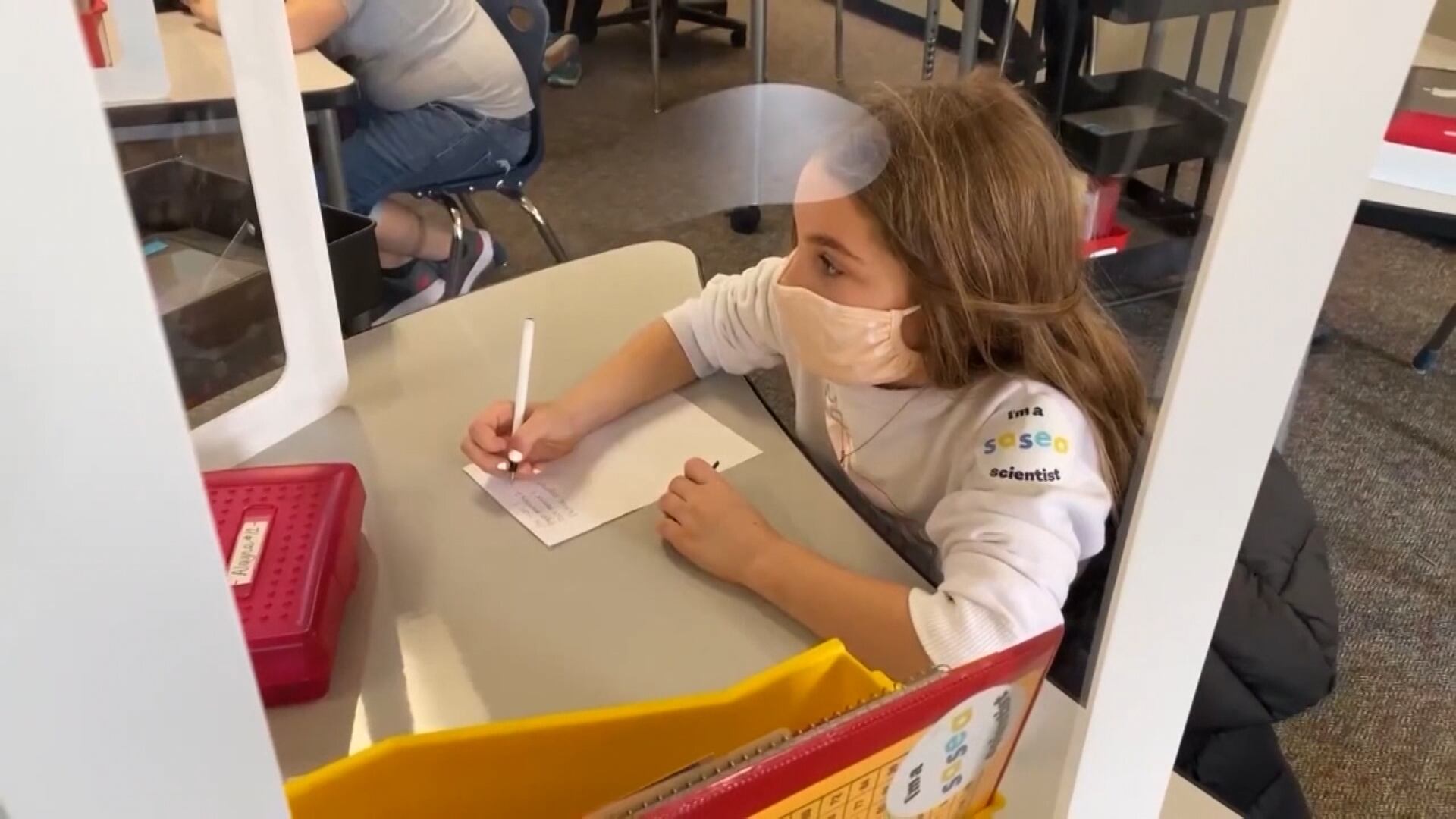
After the Chicago teachers union voted to work remotely due to what they say is a lack of safety protocols amid the COVID-19 surge, the school system canceled classes on Wednesday, citing harm that remote learning has done to the city's children. Randi Weingarten, president of the American Federation of Teachers, joined Cheddar to discuss the issues surrounding the latest dispute between educators and schools. She said that the return to in-person learning would likely be halted until more COVID tests could be provided for districts. "This is a terrible situation for everybody, and we need the testing, and we need the masks," she said. "It's the omicron surge that has created this disruption, and we are trying to do the best we can. And this is the only school district that has this kind of action right now." The teachers might not be returning to their schools for at least two weeks amid the ongoing tensions.
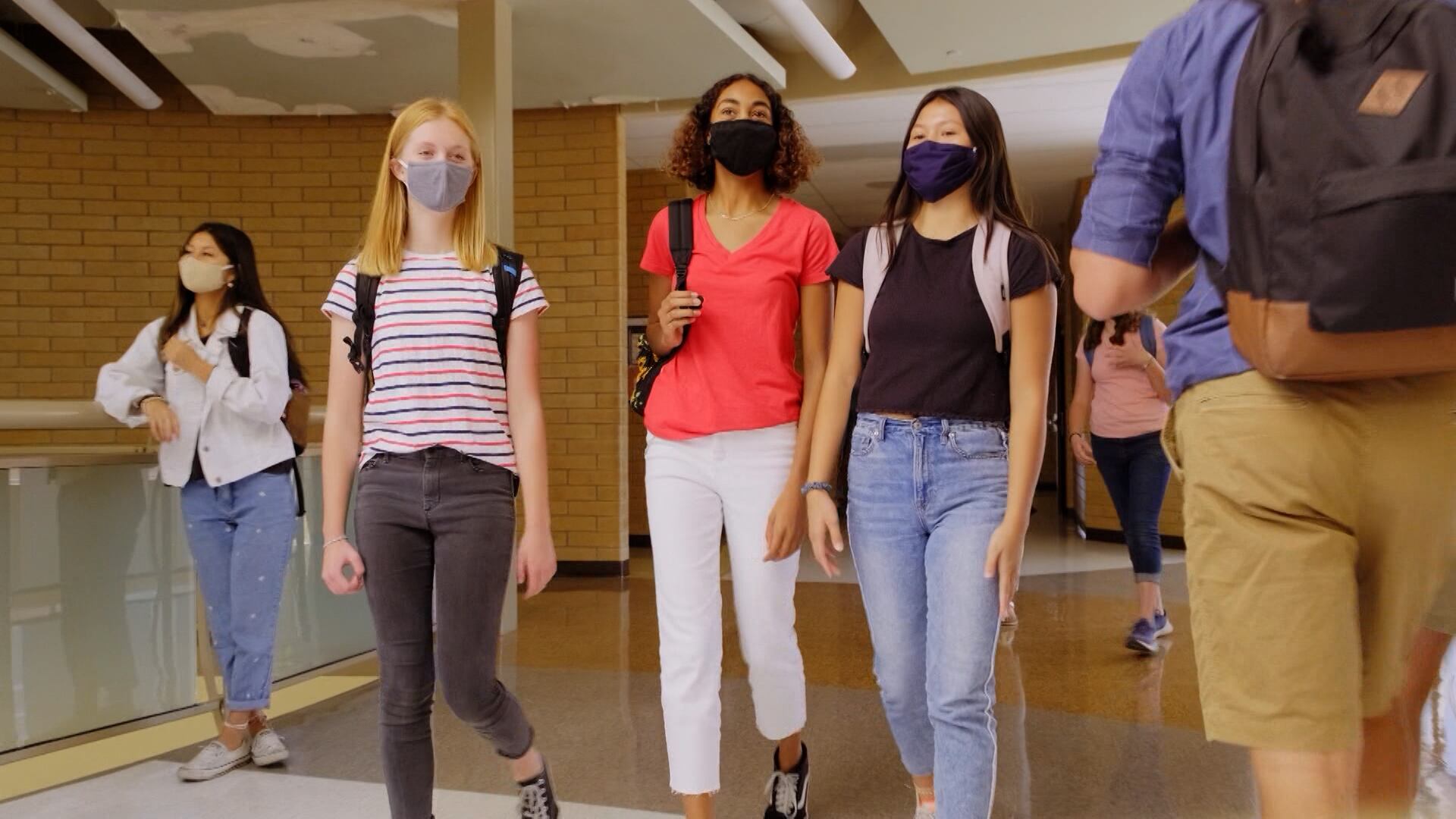
Illinois State Senator Robert Martwick joins Cheddar News to discuss the new bill he co-sponsored allowing students in the state to take 5 mental health days without a doctor's note.
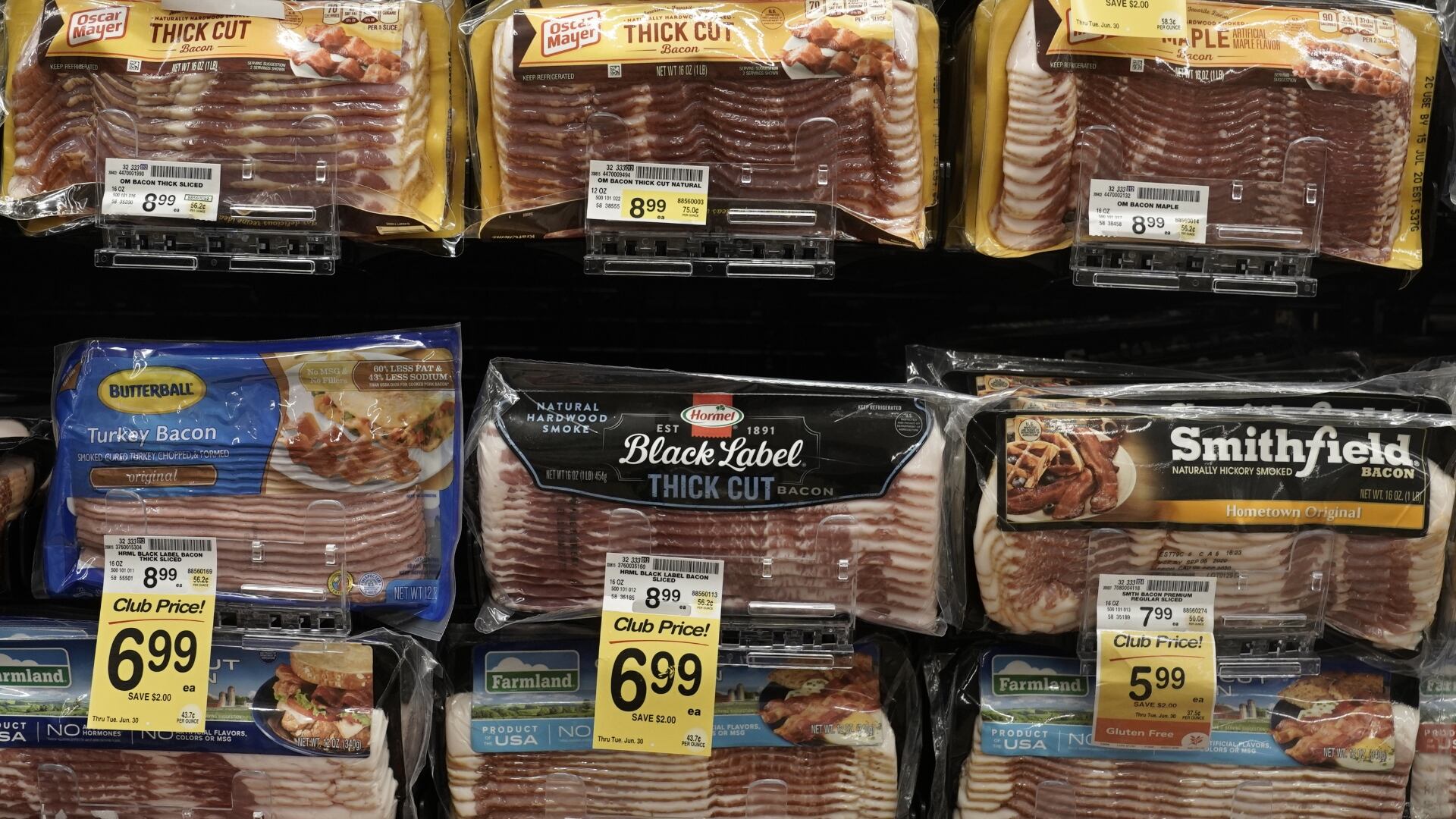
On Monday, President Biden announced his new plan to take on inflation by taking down the big meat monopolies - turning to the federal government's antitrust authorities to investigate the major meatpackers that control a significant share of the market. The White House plans to devote one billion dollars to aiding independent meat and poultry producers in an effort to undercut the few powerful meat producers that have control of the sector. Austin Frerick, deputy director of Thurman Arnold Project at Yale, joins Cheddar News to discuss.
As the pandemic drags on, so does the widespread great resignation. In November alone, 4.5 million Americans quit their jobs, marking a new record high, and showing a 9 percent jump from the month prior. On the flip side, the number of people filing tax paperwork to start new businesses is surging, with over 430,000 new businesses launching in November. Rhett Buttle, the founder of Public Private Strategies and national business advisor to the Biden for President campaign, joined Wake Up with Cheddar to discuss.
New York Attorney General Letitia James is ramping up a civil investigation into The Trump Organization. The AG's office has subpoenaed Ivanka Trump and Donald Trump Jr. They have refused to comply with the subpoenas. Bradley Moss, national security attorney, joins Cheddar News to discuss the next steps in this investigation.
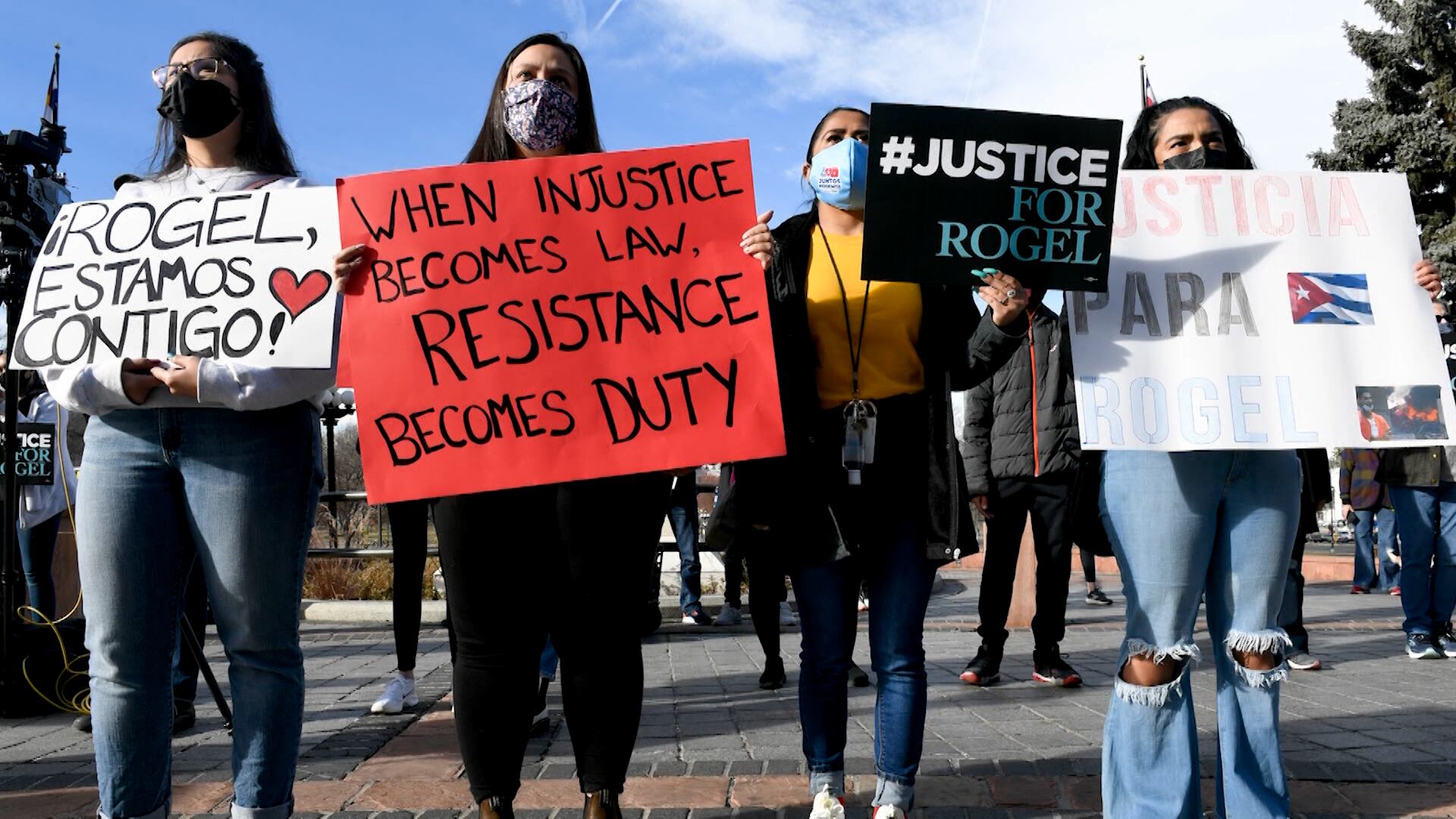
Colorado Gov. Jared Polis has officially reduced the 110-year prison sentence of truck driver Rogel Aguilera-Mederos to 10 years, calling the initial lengthy sentence “unjust.” Dan Gilleon, constitutional attorney at Gilleon Law Firm APC, joined Cheddar to discuss more.
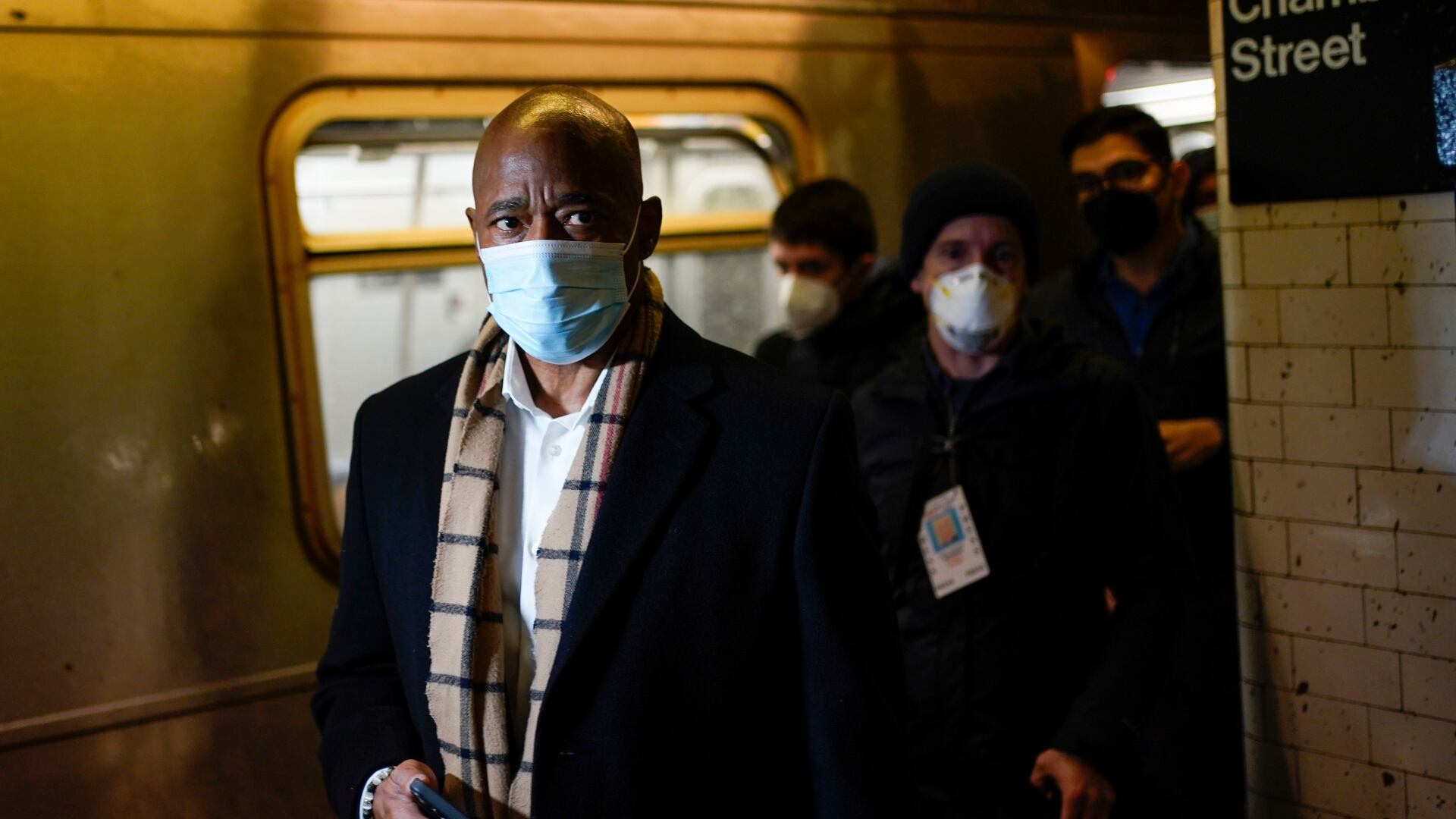
Former Brooklyn Borough President Eric Adams was sworn in as the newest Mayor of New York City. Adams is now expected to work on a number of issues such as crime and coronavirus. Erin Durkin,, reporter at PoliticoNY, joins Cheddar News to discuss more.
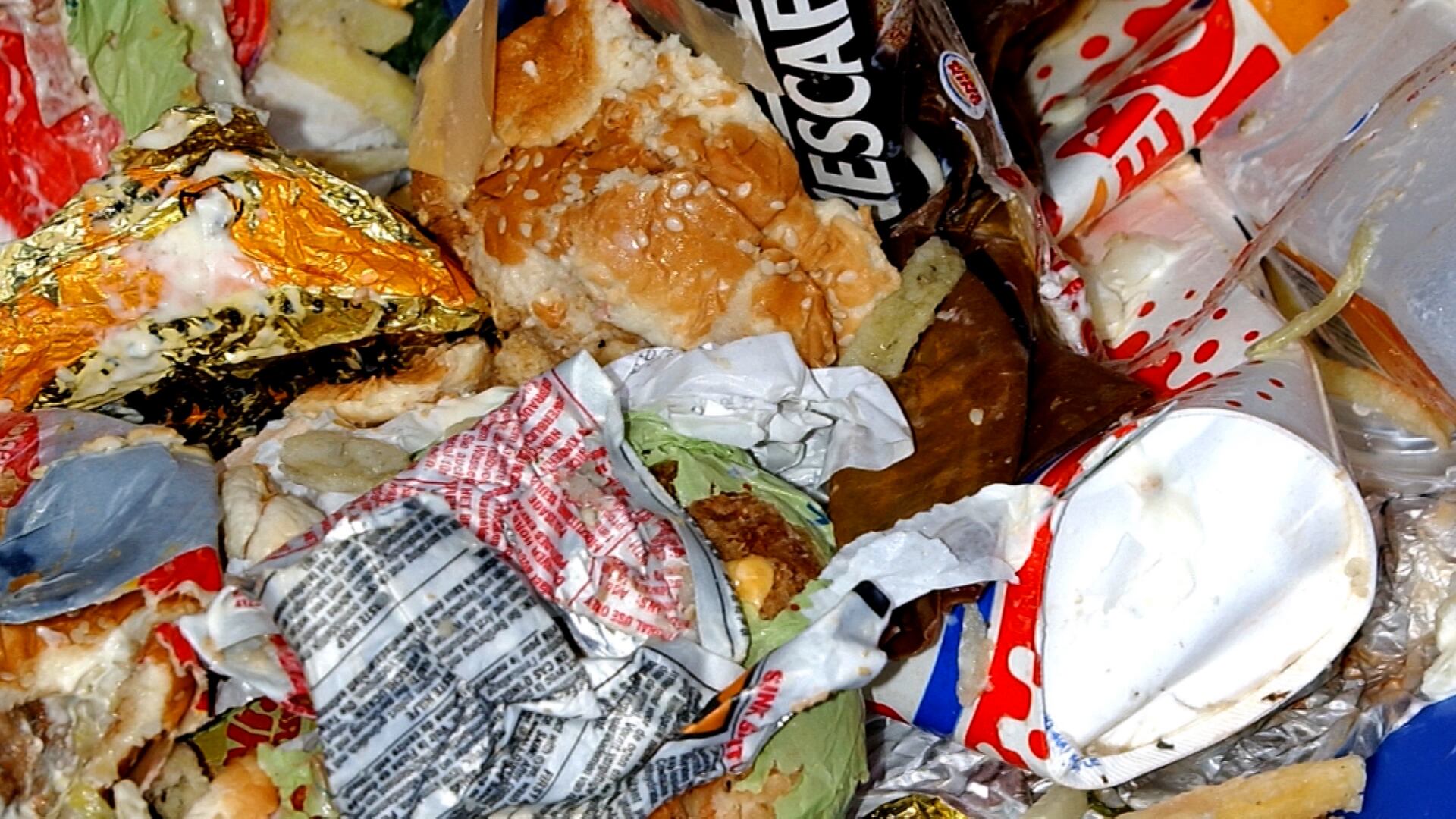
California's new composting law will affect what residents do in their kitchens. As of this week, Californians will have to recycle excess food in an effort to reduce emissions caused by food waste. Cities and counties will turn recycled food into compost or use it as a renewable energy source. California's new law is the largest mandatory residential food waste recycling program in the country. Rachel Wagoner, Director of the California Department of Resources, Recycling and Recovery called the law 'the biggest change to trash' since recycling started in the 1980s. She joined Cheddar Climate to discuss.
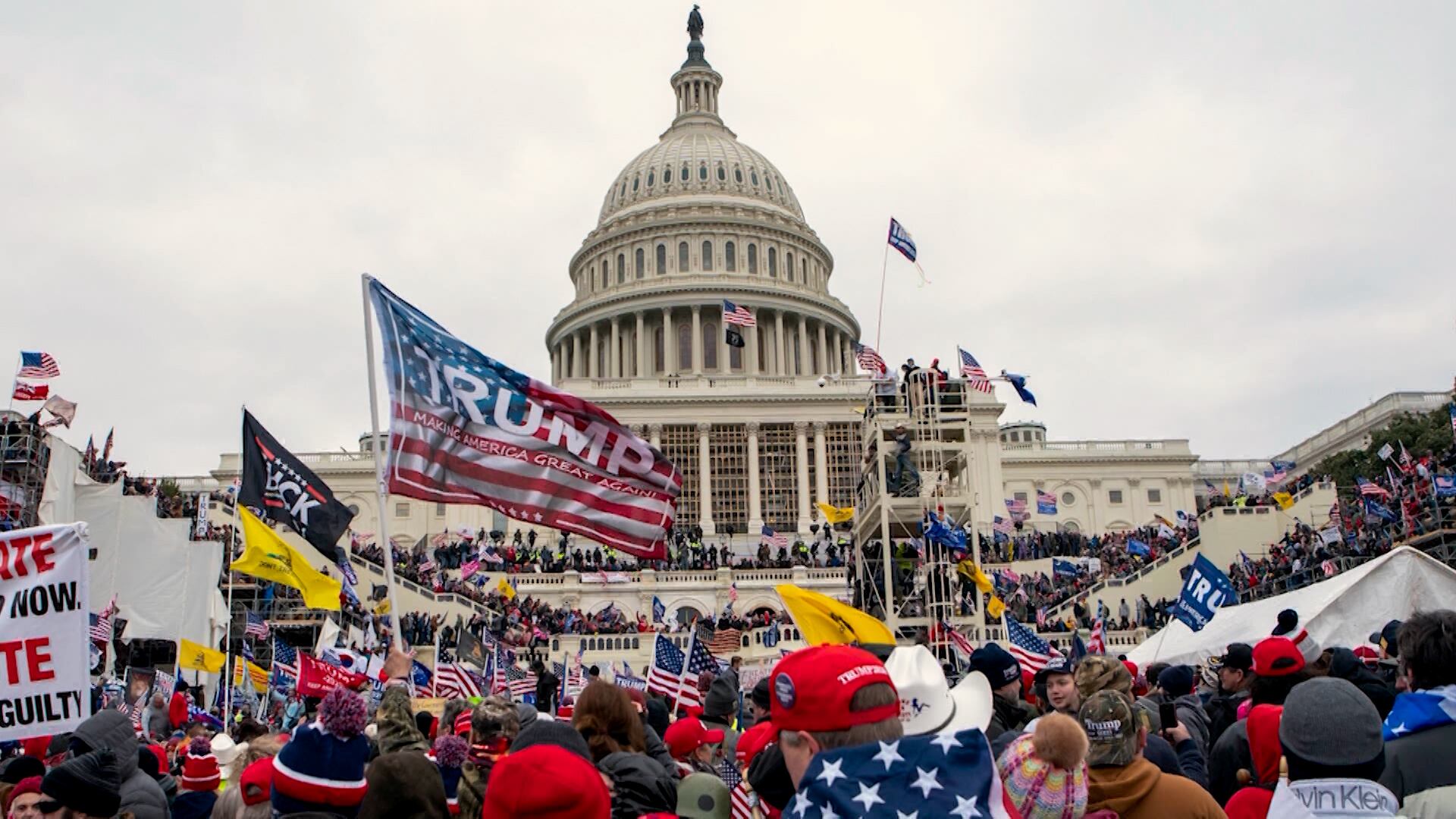
As the U.S. comes up on the first anniversary of the January 6 insurrection.,A.C. Thompson, investigative reporter at ProPublica, joined Cheddar's Baker Machado to discuss updates to American Insurrection by FRONTLINE, ProPublica and Berkeley Journalism’s Investigative Reporting Program. The documentary investigates the attack on the Capitol touched off by the lie that the presidential election was stolen from Donald Trump but with new information gleaned since the event including interviews with lawmakers and law enforcement and the evolution of groups like the Boogaloo Boys and the Proud Boys behind the attack. "In some ways those groups that were kind of the vanguard of January 6 are maybe no longer relevant because their message is everywhere," he said.