The Trump administration last week rescinded a Obama-era rule that asked HUD recipients to measure and consider fixes to racial segregation in their communities.
President Donald Trump then followed up the decision with a tweet that critics say was an explicit appeal to white, suburban voters.
"His tweet was aimed at a strategy of appealing to racial resentment and really people's worst ideas about how our communities should be structured," David Sanchez, director of research and development for the National Community Stabilization Trust, told Cheddar. "Attitudes like that are a big reason why we have such severe segregation by race, class, and opportunity in this country, and unfortunately the president is trying to use those fears to benefit himself politically."
The loss of the rule itself has gotten less attention, in part due to its low profile as more of a regulatory tweak than an aggressive federal policy.
The Affirmatively Furthering Fair Housing Rule that Trump's HUD eliminated asked municipalities and housing authorities to account for racial bias in their communities by writing a report and issuing recommendations, but it did not force municipalities to address segregation directly.
"It was about gathering data," Sanchez said. "It was about getting people talking about segregation. But it wasn't about forcing communities to do anything."
In the long-term, though, he added that cutting the rule will only contribute to the ongoing economic divide between the suburbs and cities.
"It's going to continue to concentrate economic resources, social privilege in certain people who can afford to live in high-opportunity communities," Sanchez said. "In the same way the COVID crisis has supercharged inequality in this country, this is just another step in that direction."
Congressman Barry Loudermilk (R-Ga. 11th District) supports the Georgia Gov. Brian Kemp's plan and says the state is prepared to deal with a possible resurgence.
Stocks are pushing higher Thursday, even though the government said 4.4 million more workers filed for unemployment benefits last week.
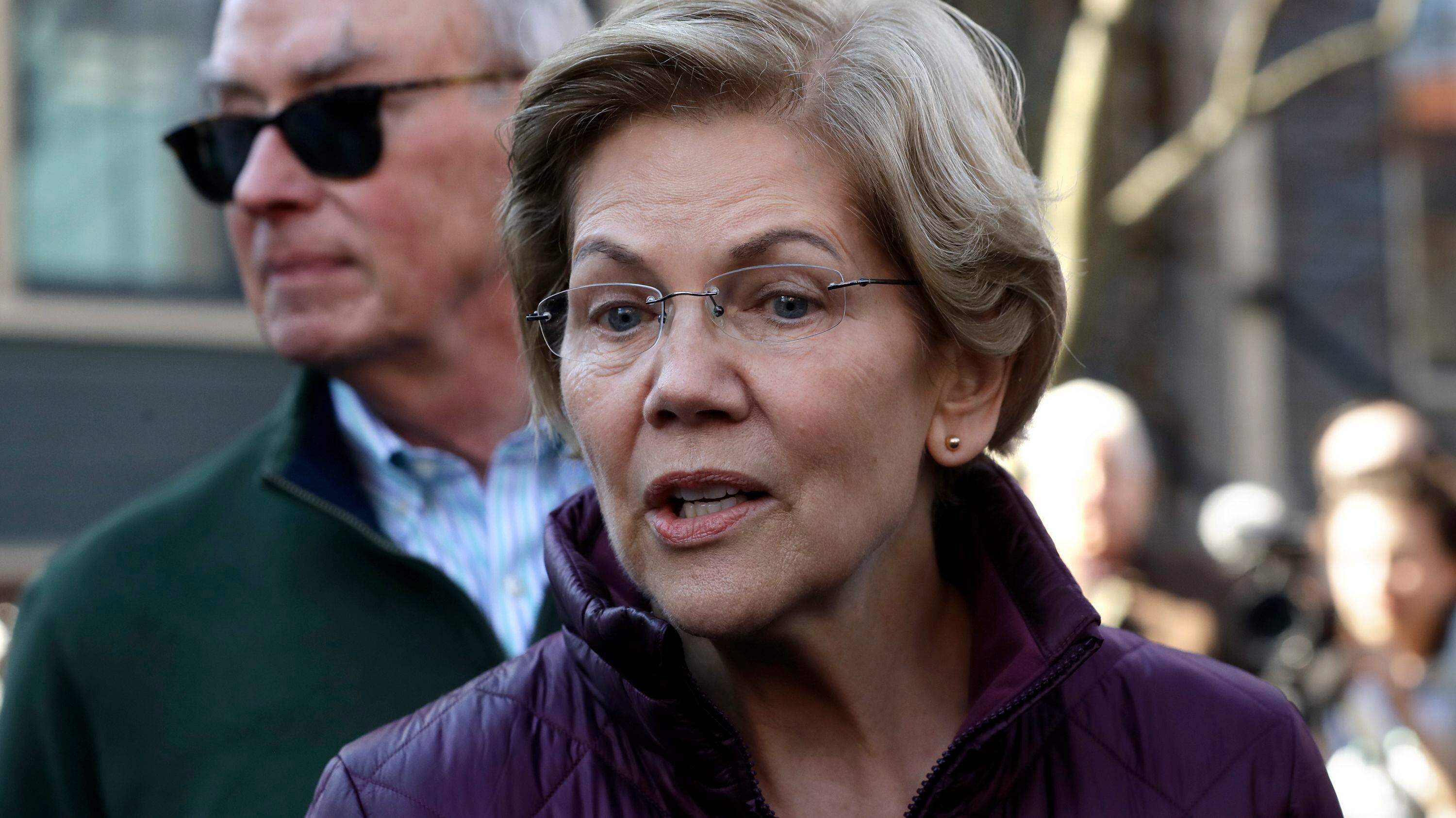
The oldest brother of Sen. Elizabeth Warren, Donald Reed Herring, has died from the coronavirus. The former Democratic presidential candidate said Thursday that her brother died Tuesday evening.
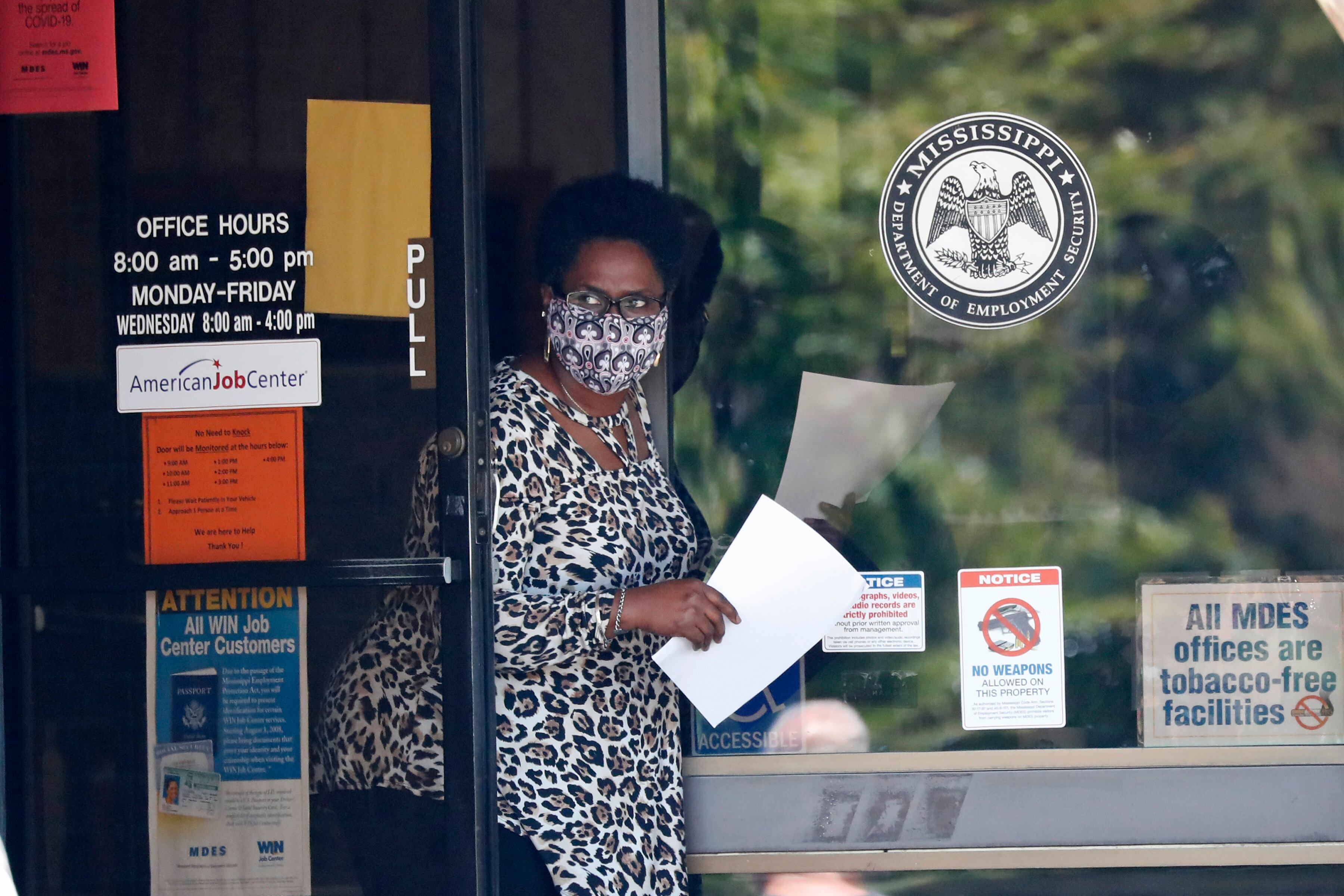
More than 4.4 million laid-off workers applied for U.S. unemployment benefits last week as job cuts escalated across an economy that remains all but shut down, the government said Thursday.
Stocks opened slightly higher Thursday, even after the government said 4.4 million more workers filed for unemployment benefits last week as layoffs sweep the economy.
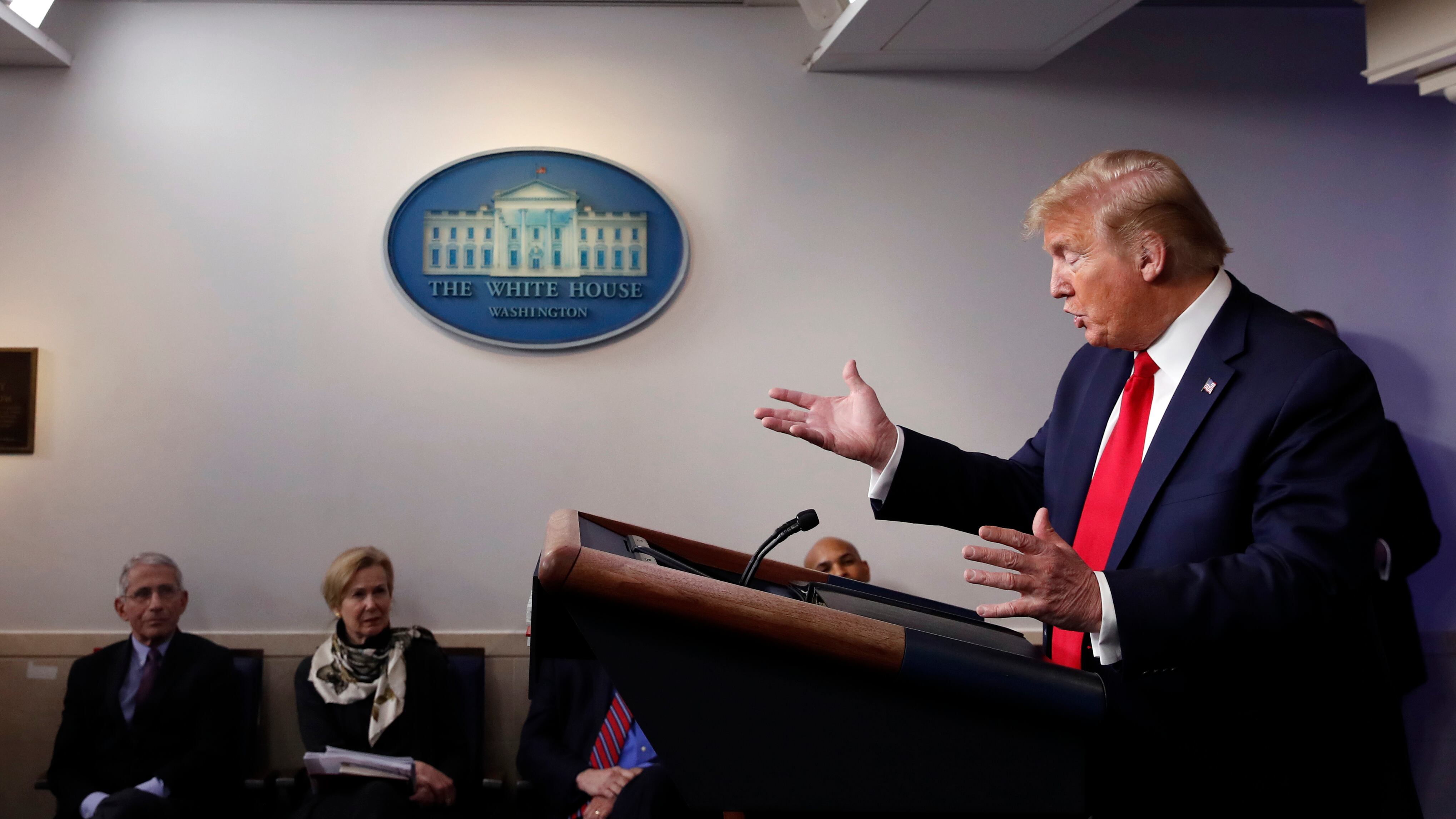
For weeks, the Trump administration played up the dangers of the coronavirus as it sought to convince Americans to disrupt their lives and stay home. Now, as President Donald Trump aims for a swift nationwide reopening, he faces a new challenge: Convincing people it’s safe to come out and resume their normal lives.
A new survey finds Americans remain overwhelmingly in favor of stay-at-home orders and other efforts to slow the spread of the coronavirus. A majority say it won’t be safe to lift such restrictions anytime soon. T
Stocks are closing higher on Wall Street after two days of losses, and the price of oil burst higher a day after a historic plunge.
Stocks around the world are clawing higher on Wednesday, and the S&P 500 climbed toward its first gain of what’s been a dismal week. Even the oil market turned higher.
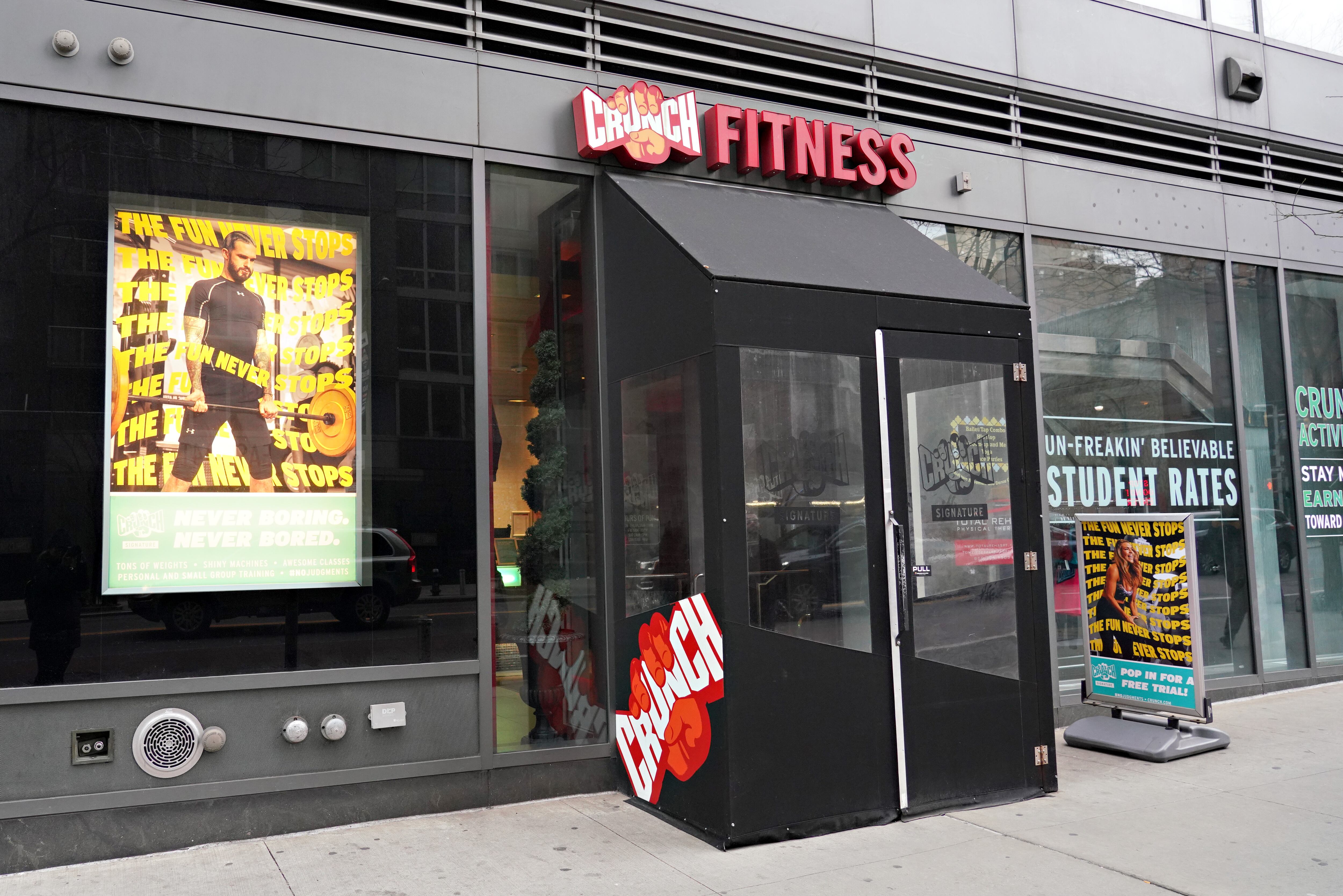
Ben Midgley, CEO of Crunch Fitness Franchise, told Cheddar Wednesday that the company will take a close look at its approach to reopening its facilities.