The Trump administration last week rescinded a Obama-era rule that asked HUD recipients to measure and consider fixes to racial segregation in their communities.
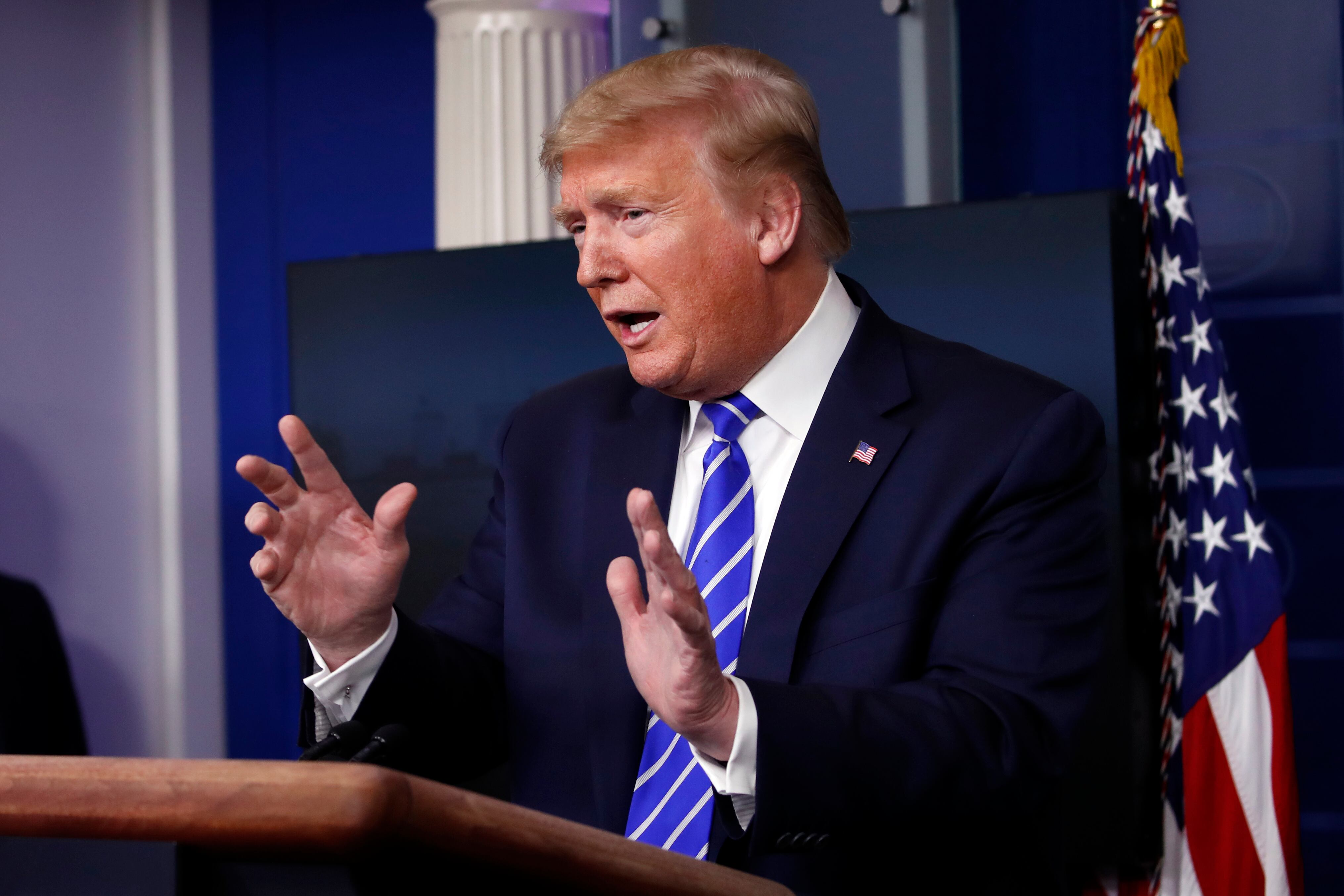
President Donald Trump then followed up the decision with a tweet that critics say was an explicit appeal to white, suburban voters.
"His tweet was aimed at a strategy of appealing to racial resentment and really people's worst ideas about how our communities should be structured," David Sanchez, director of research and development for the National Community Stabilization Trust, told Cheddar. "Attitudes like that are a big reason why we have such severe segregation by race, class, and opportunity in this country, and unfortunately the president is trying to use those fears to benefit himself politically."
The loss of the rule itself has gotten less attention, in part due to its low profile as more of a regulatory tweak than an aggressive federal policy.
The Affirmatively Furthering Fair Housing Rule that Trump's HUD eliminated asked municipalities and housing authorities to account for racial bias in their communities by writing a report and issuing recommendations, but it did not force municipalities to address segregation directly.
"It was about gathering data," Sanchez said. "It was about getting people talking about segregation. But it wasn't about forcing communities to do anything."
In the long-term, though, he added that cutting the rule will only contribute to the ongoing economic divide between the suburbs and cities.
"It's going to continue to concentrate economic resources, social privilege in certain people who can afford to live in high-opportunity communities," Sanchez said. "In the same way the COVID crisis has supercharged inequality in this country, this is just another step in that direction."
New York has reported its lowest number of daily COVID-19 deaths in weeks. The state on Friday reported 422 deaths as of the day before.
The coronavirus first seen in China is now ravaging the U.S., and Asian Americans are continuing to wrestle with a second epidemic: hate. Hundreds of attacks on Asian people have been reported, with few signs of decline.
Stocks are holding steady in early trading Friday as Wall Street nears the end of its tumultuous week.
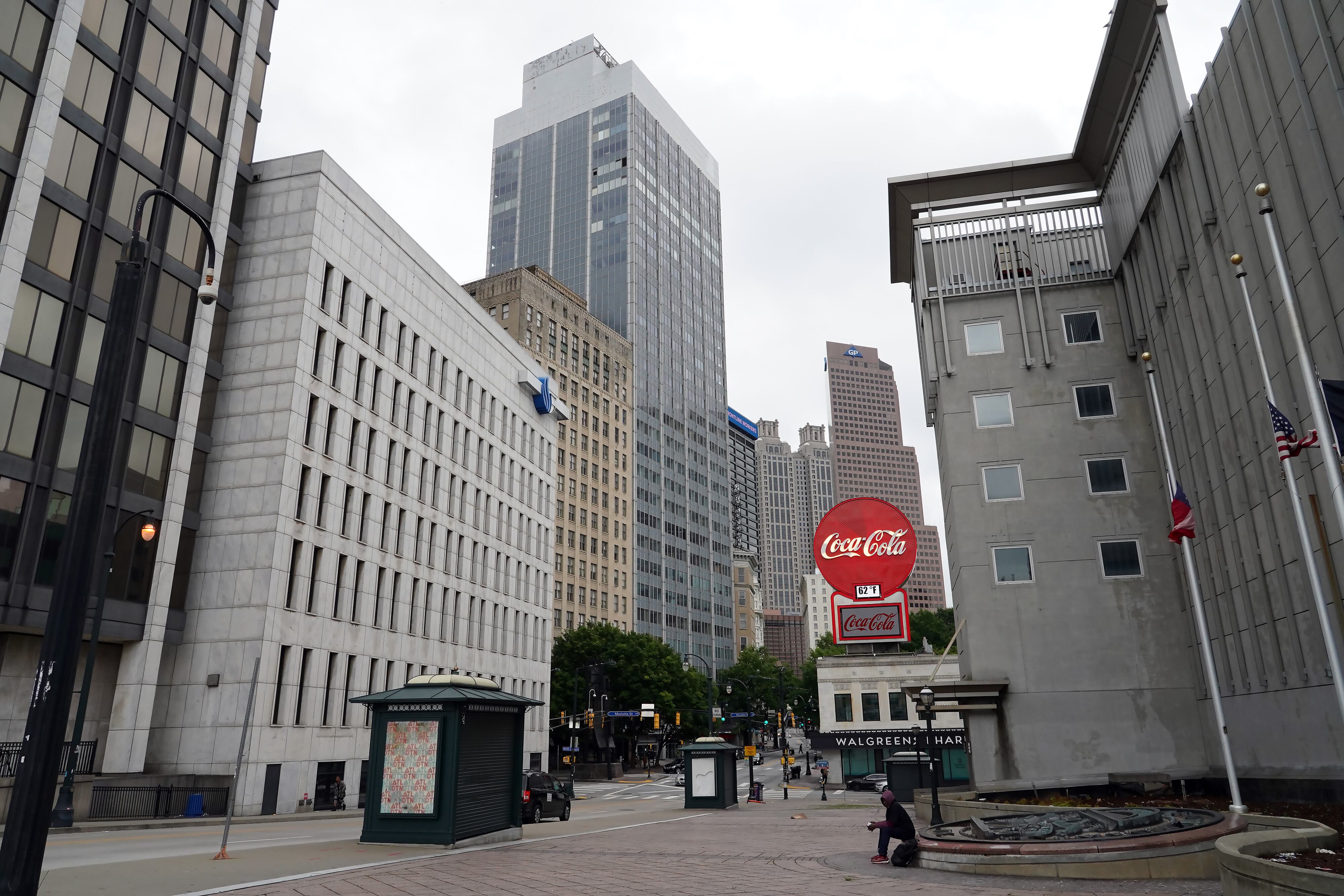
Some businesses in Georgia are reopening as the state's governor eases a month-long shutdown despite fears that a new wave of coronavirus infections could result.
Past studies have not found good evidence that the warmer temperatures and higher humidity of spring and summer will help tamp down spread of the virus.
Congress has delivered a nearly $500 billion infusion of coronavirus spending, almost unanimously rushing new relief to employers and hospitals buckling under the strain of a pandemic that has claimed almost 50,000 American lives and one in six U.S. jobs.
Outspoken New York Gov. Andrew Cuomo came for Senate Majority Leader Mitch McConnell in a press conference Thursday, accusing him of politicizing coronavirus relief efforts
The stock market ended another turbulent day more or less where it started after an early rally got washed away. The S&P 500 ended with a tiny loss Thursday, having given up an early gain of 1.6%.
New York Gov. Andrew Cuomo said Thursday that a state survey of about 3,000 people found that 13.9% had antibodies suggesting they had been exposed to the virus.
Hart Island is a mile-long patch of land in the Long Island Sound off the coast of the Bronx, which normally slips under the radar for most New Yorkers. In recent weeks, the unassuming island made headlines after drones captured aerial images of workers loading simple caskets three-deep into trenches wide enough to fit over 100 bodies.