The Trump administration last week rescinded a Obama-era rule that asked HUD recipients to measure and consider fixes to racial segregation in their communities.
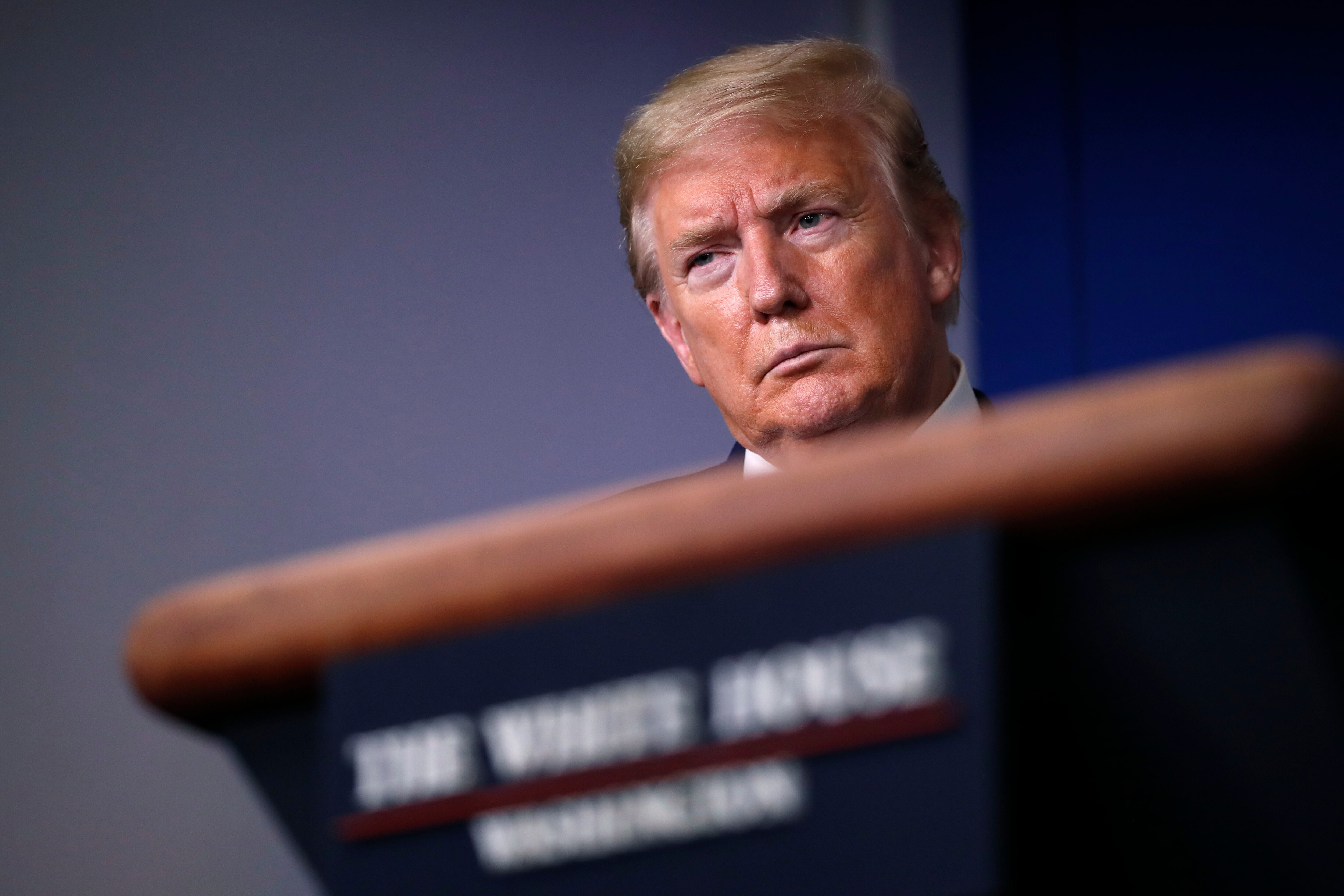
President Donald Trump then followed up the decision with a tweet that critics say was an explicit appeal to white, suburban voters.
"His tweet was aimed at a strategy of appealing to racial resentment and really people's worst ideas about how our communities should be structured," David Sanchez, director of research and development for the National Community Stabilization Trust, told Cheddar. "Attitudes like that are a big reason why we have such severe segregation by race, class, and opportunity in this country, and unfortunately the president is trying to use those fears to benefit himself politically."
The loss of the rule itself has gotten less attention, in part due to its low profile as more of a regulatory tweak than an aggressive federal policy.
The Affirmatively Furthering Fair Housing Rule that Trump's HUD eliminated asked municipalities and housing authorities to account for racial bias in their communities by writing a report and issuing recommendations, but it did not force municipalities to address segregation directly.
"It was about gathering data," Sanchez said. "It was about getting people talking about segregation. But it wasn't about forcing communities to do anything."
In the long-term, though, he added that cutting the rule will only contribute to the ongoing economic divide between the suburbs and cities.
"It's going to continue to concentrate economic resources, social privilege in certain people who can afford to live in high-opportunity communities," Sanchez said. "In the same way the COVID crisis has supercharged inequality in this country, this is just another step in that direction."
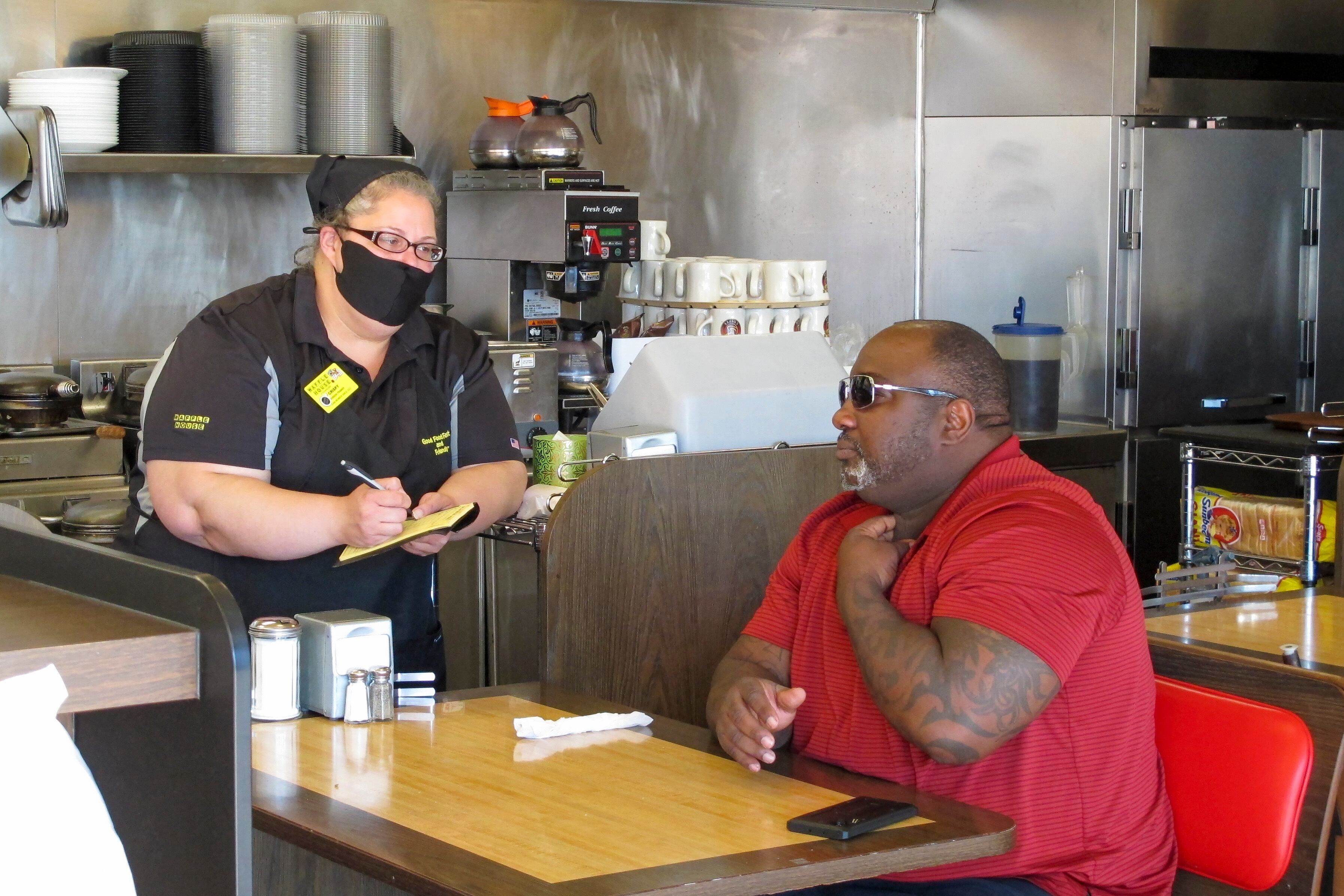
Some Georgia restaurants began reopening dine-in areas in line with an executive order from Gov. Brian Kemp that went into effect Monday.
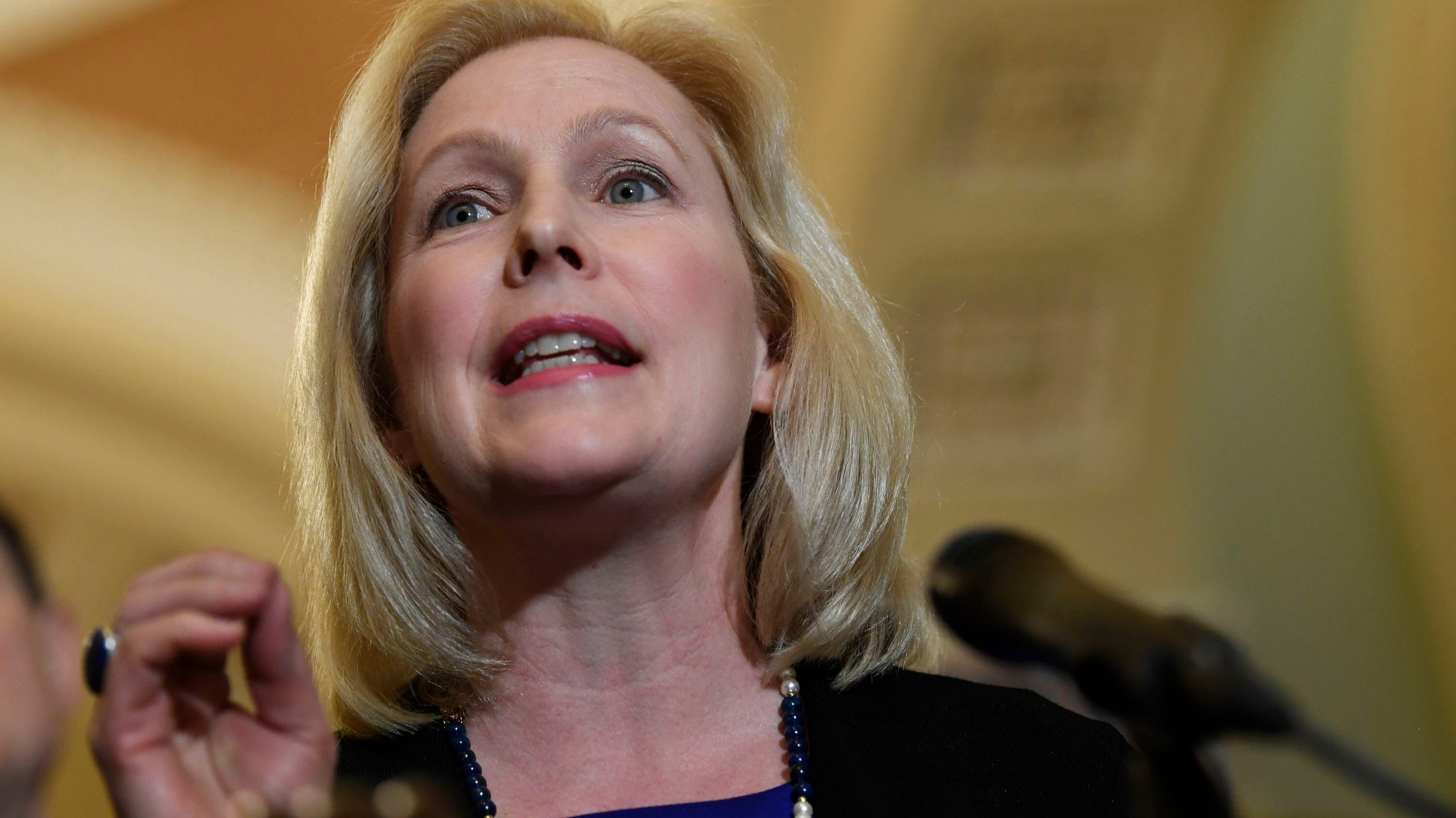
The senator told Cheddar Monday that banking through the U.S. Postal Service will be able to serve more people during the pandemic, specifically low-income families, who are more likely to be unbanked.
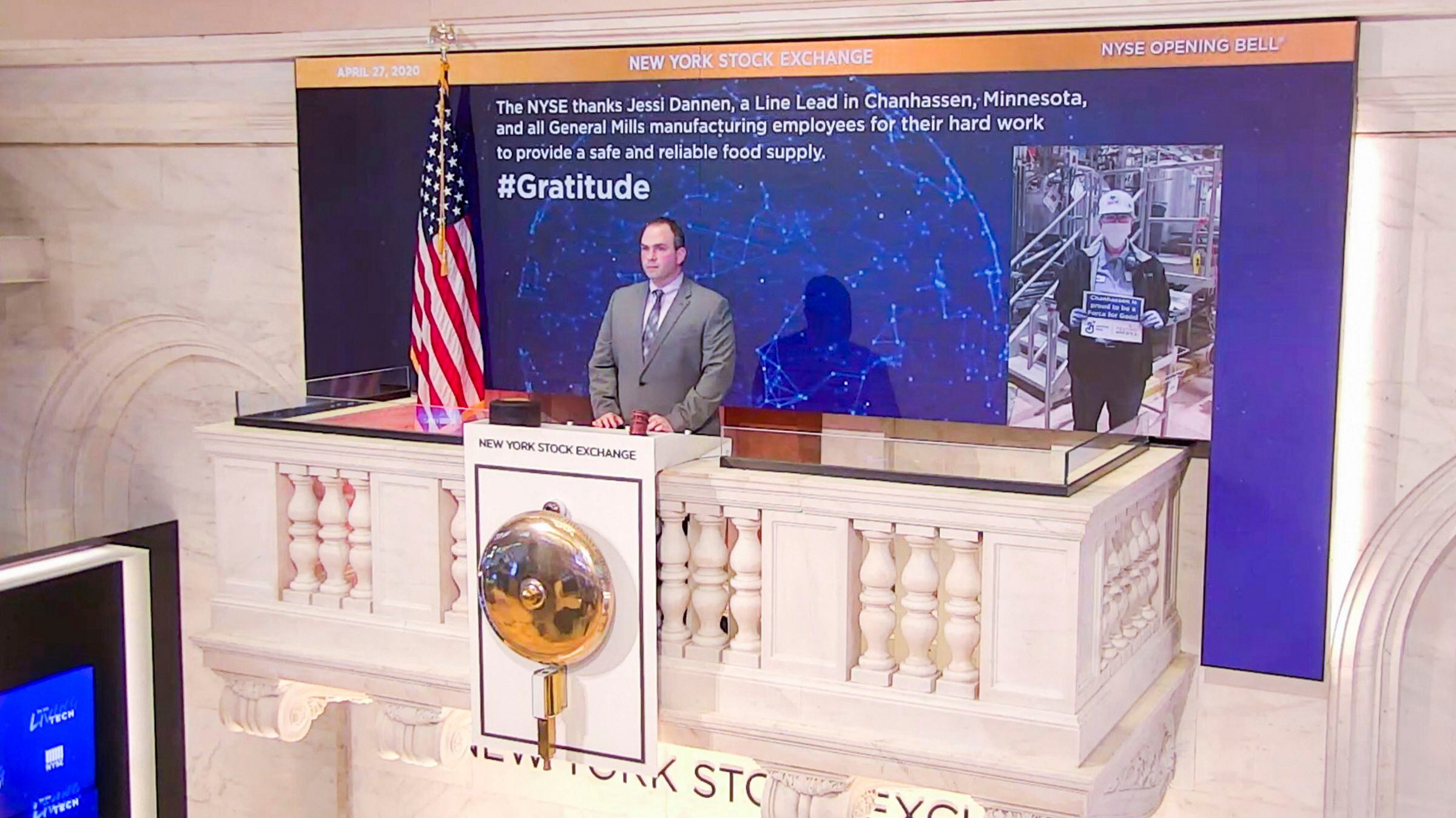
Stocks are closing higher on Wall Street and around the world as governments prepare to gradually lift restrictions they imposed on businesses to slow the sweep of the coronavirus pandemic.
The Trump administration is reviewing new federal plans designed to guide restaurants, schools and others as states look to gradually lift their coronavirus restrictions. The draft guidance from the Centers for Disease Control and Prevention has been sent to Washington and still could change.
New York has canceled its Democratic presidential primary originally scheduled for June 23 amid the coronavirus epidemic in an unprecedented move. The Democratic members of the State’s Board of Elections voted Monday to nix the primary.
Stocks are rising around the world as governments prepare to gradually lift restrictions they imposed on businesses to slow the sweep of the coronavirus pandemic.
From Wall Street to Silicon Valley, these are the top stories that moved markets and had investors, business leaders, and entrepreneurs talking this week on Cheddar.
Stocks are closing out a tumultuous week with broad gains, led by familiar names in technology including Apple. The S&P 500 rose 1.4% Friday but still ended the week lower, breaking a two-week winning streak.
Jay Farner, CEO of Quicken Loans, told Cheddar Friday that the company is focused on educating customers about their available options.
Cheddar spoke with several small business owners across Georgia to find out which factors went into their decision to either reopen this Friday or stay closed until further notice.