The Trump administration last week rescinded a Obama-era rule that asked HUD recipients to measure and consider fixes to racial segregation in their communities.
President Donald Trump then followed up the decision with a tweet that critics say was an explicit appeal to white, suburban voters.
"His tweet was aimed at a strategy of appealing to racial resentment and really people's worst ideas about how our communities should be structured," David Sanchez, director of research and development for the National Community Stabilization Trust, told Cheddar. "Attitudes like that are a big reason why we have such severe segregation by race, class, and opportunity in this country, and unfortunately the president is trying to use those fears to benefit himself politically."
The loss of the rule itself has gotten less attention, in part due to its low profile as more of a regulatory tweak than an aggressive federal policy.
The Affirmatively Furthering Fair Housing Rule that Trump's HUD eliminated asked municipalities and housing authorities to account for racial bias in their communities by writing a report and issuing recommendations, but it did not force municipalities to address segregation directly.
"It was about gathering data," Sanchez said. "It was about getting people talking about segregation. But it wasn't about forcing communities to do anything."
In the long-term, though, he added that cutting the rule will only contribute to the ongoing economic divide between the suburbs and cities.
"It's going to continue to concentrate economic resources, social privilege in certain people who can afford to live in high-opportunity communities," Sanchez said. "In the same way the COVID crisis has supercharged inequality in this country, this is just another step in that direction."
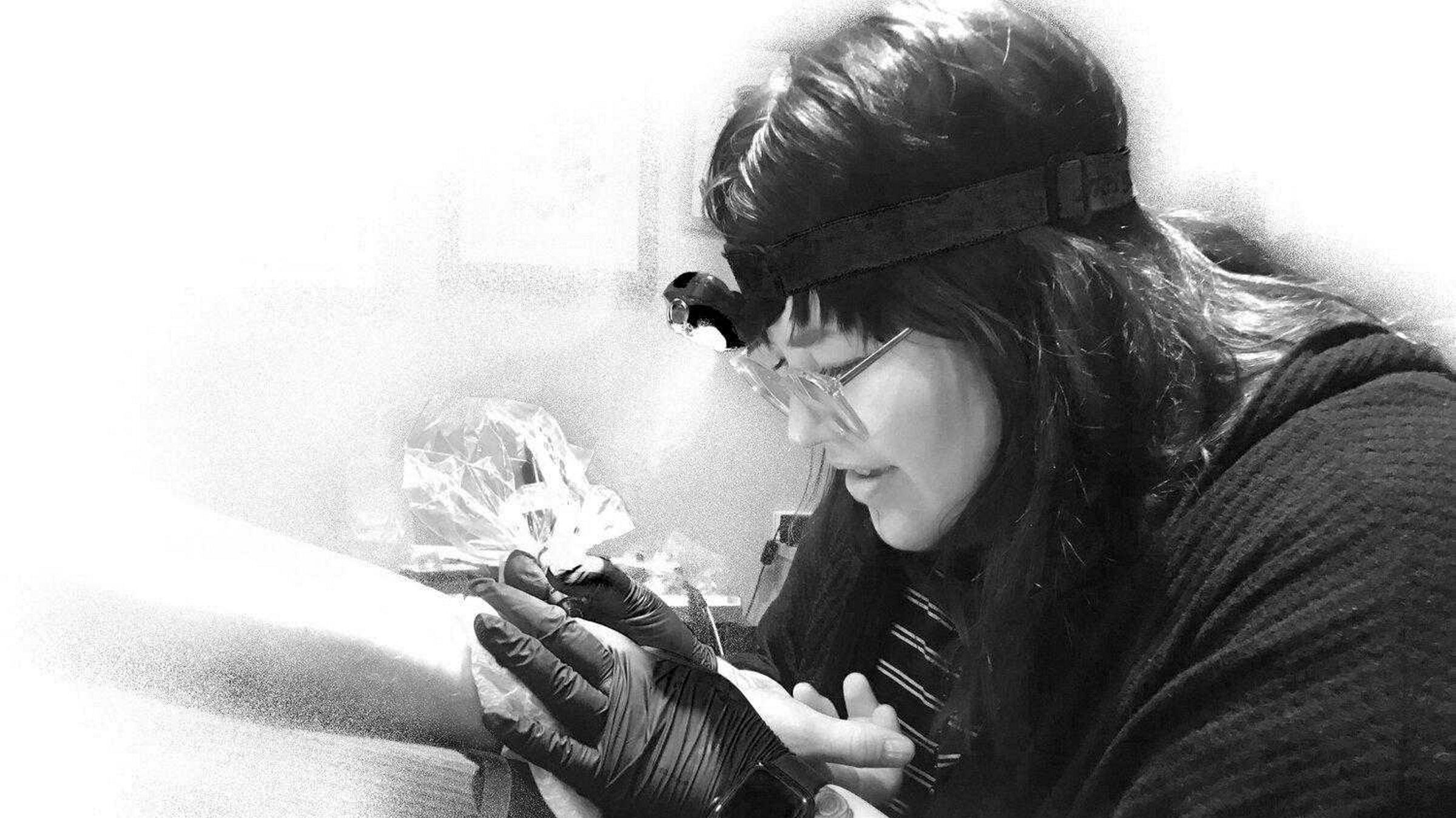
Nokomis Fairbanks started tattooing professionally three years ago and recently set up shop at Oracle Tattoo Guild in Lexington, Kentucky. Today, she has no idea when she will be able to pick up her needle again.
Wall Street rallied for its biggest gain in a week as investors find more reasons to hope that the worst of the economic plunge due to the coronavirus pandemic may have passed.
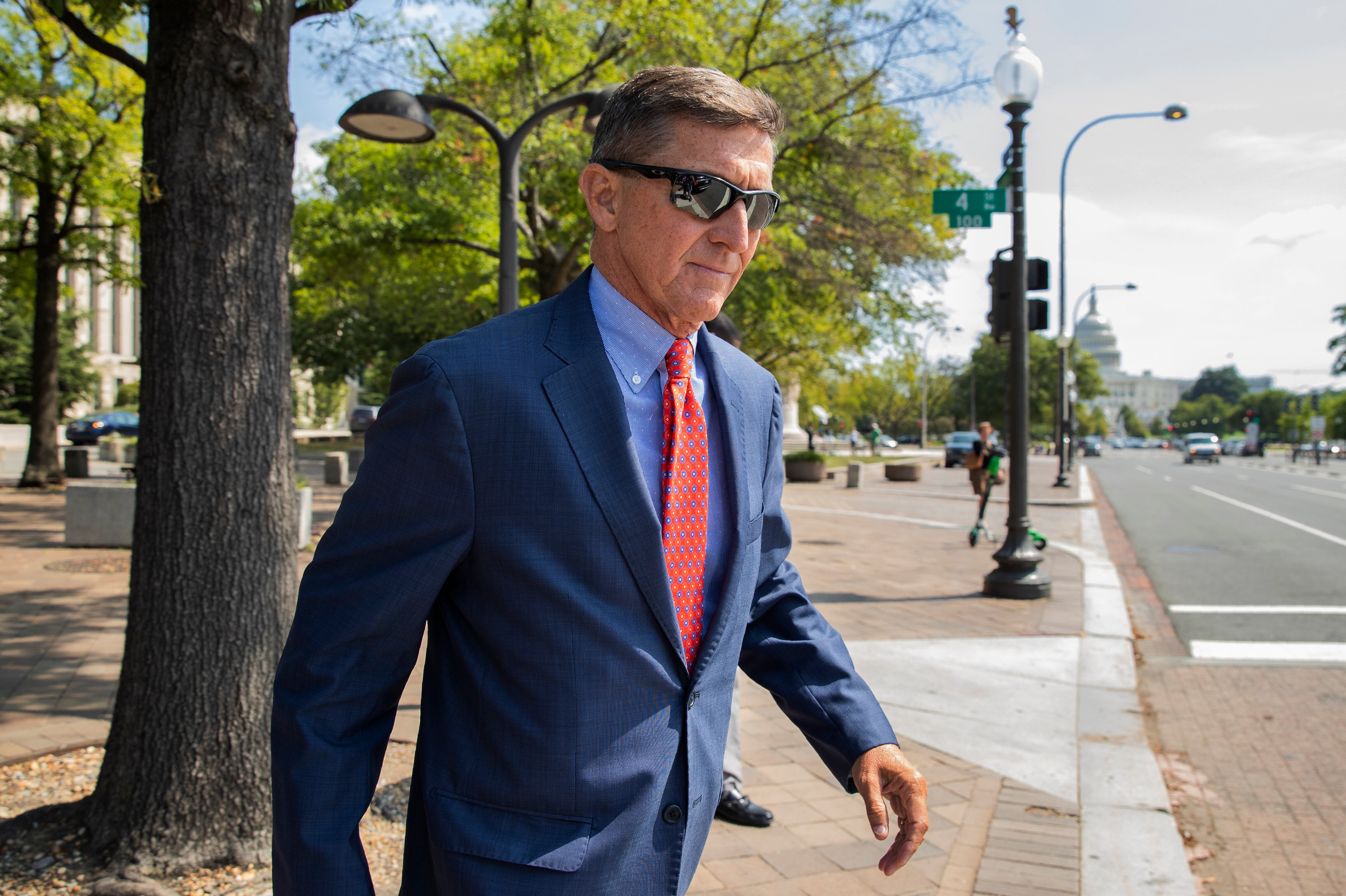
The Justice Department says it's dropping its criminal case against President Donald Trump’s first national security adviser Michael Flynn.
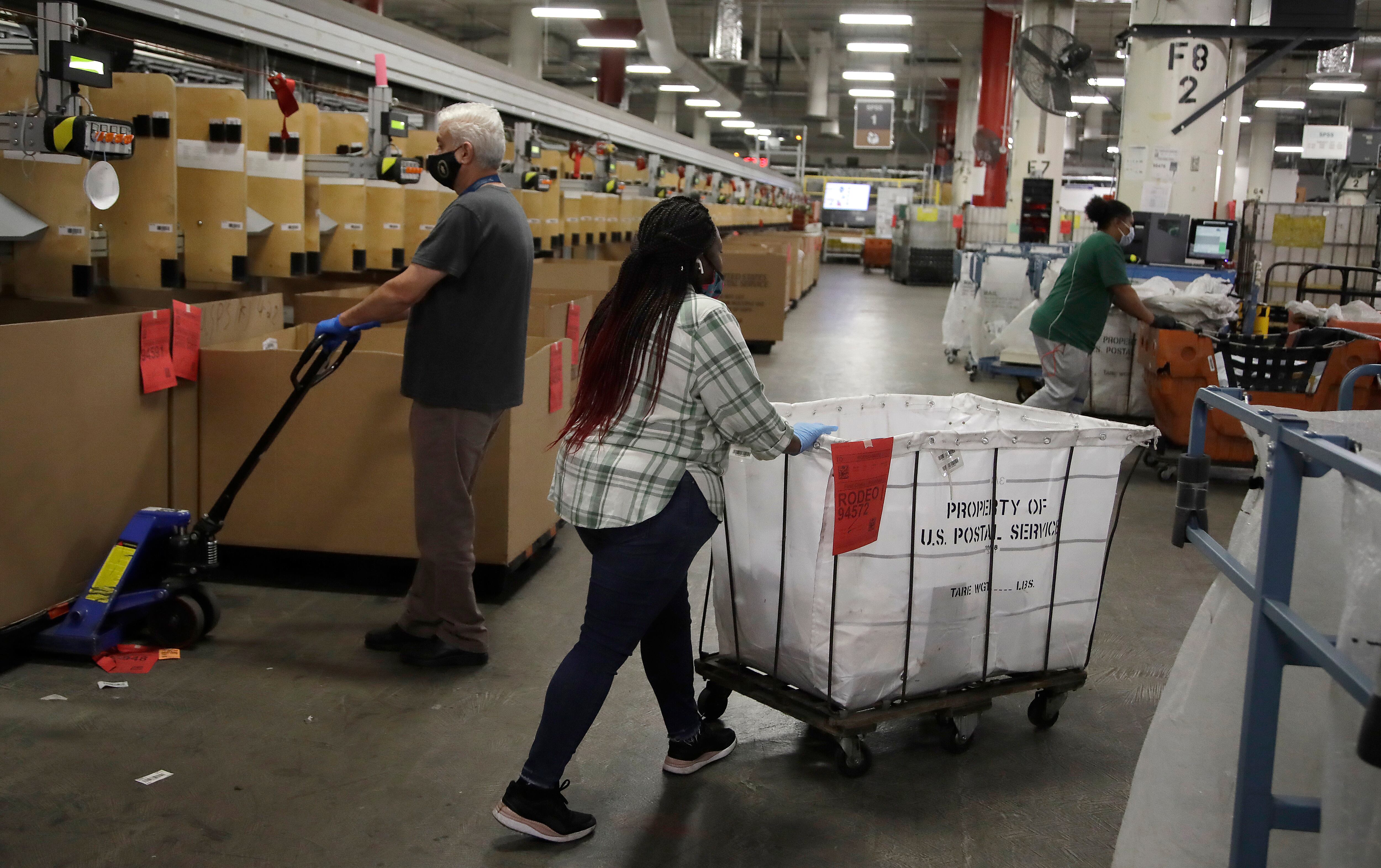
Louis DeJoy, a North Carolina businessman and Trump donor, has been tapped to replace outgoing Postmaster General Megan J. Brennan, an Obama appointee.
The Trump administration has shelved a set of detailed documents created by the nation’s top disease investigators meant to give step-by-step advice to local leaders deciding when and how to reopen public places during the still-raging pandemic.
Stocks climbed in early trading on Wall Street Thursday as reports suggested that even though the economy is still suffering severely, the pace of pain may be decelerating.
President Donald Trump on Wednesday reversed course on plans to wind down his COVID-19 task force, attempting to balance his enthusiasm for “reopening” the country with rising infection rates in parts of the nation.
A late-day slide left stocks mostly lower after a wobbly day of trading, but major technology companies managed to hold on to their gains.
The entrepreneur sued the New York State Board of Elections in April after it canceled the state's presidential primary by stripping Sen. Bernie Sander's name from the ballot.
The U.S. Education Department has finalized campus sexual assault rules that bolster the rights of students who are accused of assault and harassment, reduce legal liabilities for schools and colleges, and narrow the scope of cases they will be required to investigate.