The Trump administration last week rescinded a Obama-era rule that asked HUD recipients to measure and consider fixes to racial segregation in their communities.
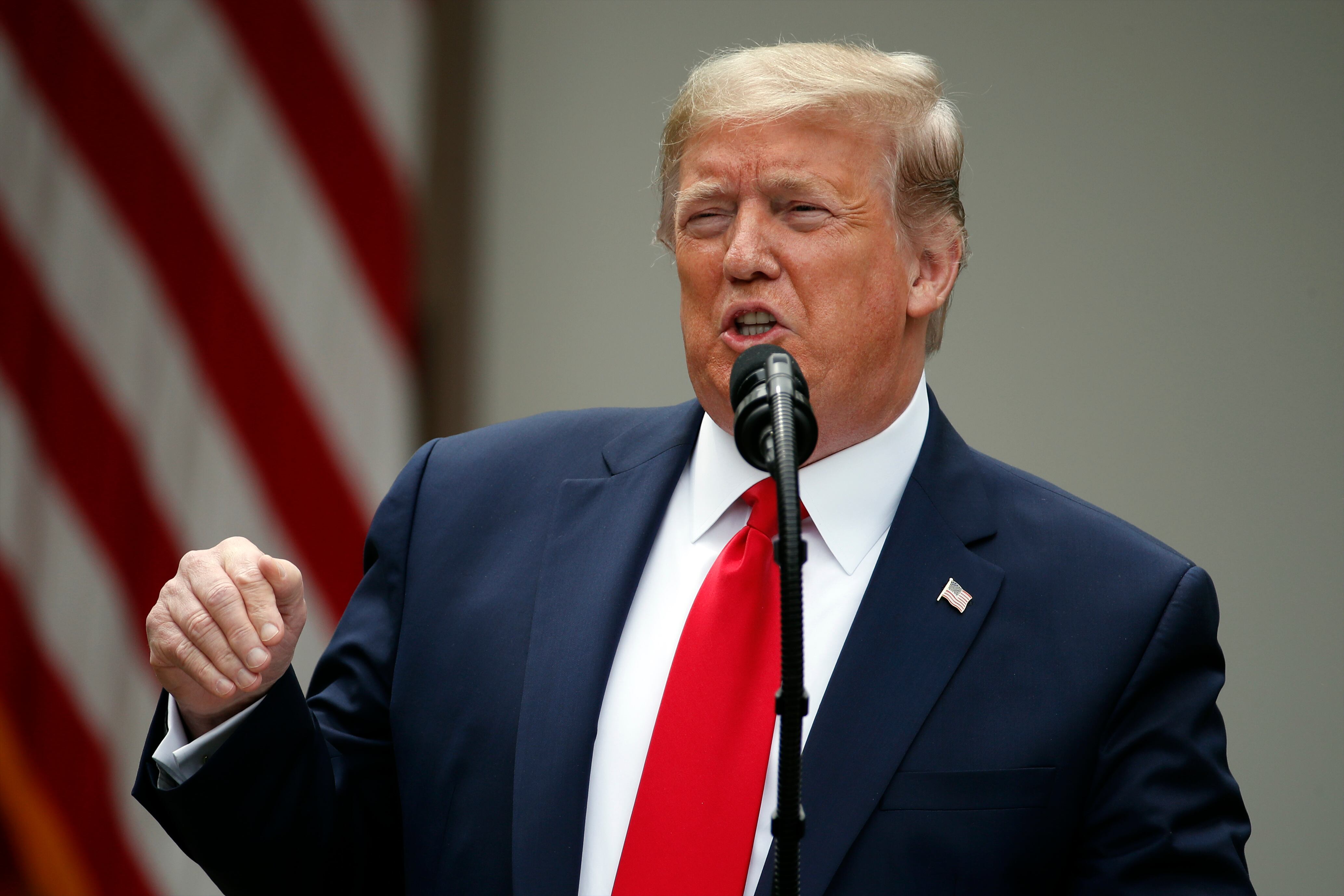
President Donald Trump then followed up the decision with a tweet that critics say was an explicit appeal to white, suburban voters.
"His tweet was aimed at a strategy of appealing to racial resentment and really people's worst ideas about how our communities should be structured," David Sanchez, director of research and development for the National Community Stabilization Trust, told Cheddar. "Attitudes like that are a big reason why we have such severe segregation by race, class, and opportunity in this country, and unfortunately the president is trying to use those fears to benefit himself politically."
The loss of the rule itself has gotten less attention, in part due to its low profile as more of a regulatory tweak than an aggressive federal policy.
The Affirmatively Furthering Fair Housing Rule that Trump's HUD eliminated asked municipalities and housing authorities to account for racial bias in their communities by writing a report and issuing recommendations, but it did not force municipalities to address segregation directly.
"It was about gathering data," Sanchez said. "It was about getting people talking about segregation. But it wasn't about forcing communities to do anything."
In the long-term, though, he added that cutting the rule will only contribute to the ongoing economic divide between the suburbs and cities.
"It's going to continue to concentrate economic resources, social privilege in certain people who can afford to live in high-opportunity communities," Sanchez said. "In the same way the COVID crisis has supercharged inequality in this country, this is just another step in that direction."
Stock indexes edged mostly higher in afternoon trading Friday after President Donald Trump outlined several actions in response to China eroding the autonomy of Hong Kong, but did not mention any moves to upend a trade pact struck with Beijing earlier this year.
President Donald Trump has announced that the U.S. will be terminating its relationship with the World Health Organization.
Some upstate New York business owners who made plans to reopen Friday remain closed amid last-minute confusion over whether their region indeed has the OK to move forward
Twitter has added a warning to one of President Donald Trump's tweets about protests in Minneapolis, saying it violated the platform's rules about “glorifying violence."
Cheering protesters torched a Minneapolis police station that the department abandoned as three days of violent protests spread to nearby St. Paul and angry demonstrations flared across the U.S over the death of George Floyd, a handcuffed black man who pleaded for air as a white police officer kneeled on his neck.
U.S. consumer spending plunged by a record-shattering 13.6% in April as the viral pandemic shuttered businesses, forced millions of layoffs and sent the economy into a deep recession.
Wall Street’s rally ran out of fuel in the last hour of trading on Thursday, and the market fell to its first loss in four days amid worries about rising U.S.-China tensions.
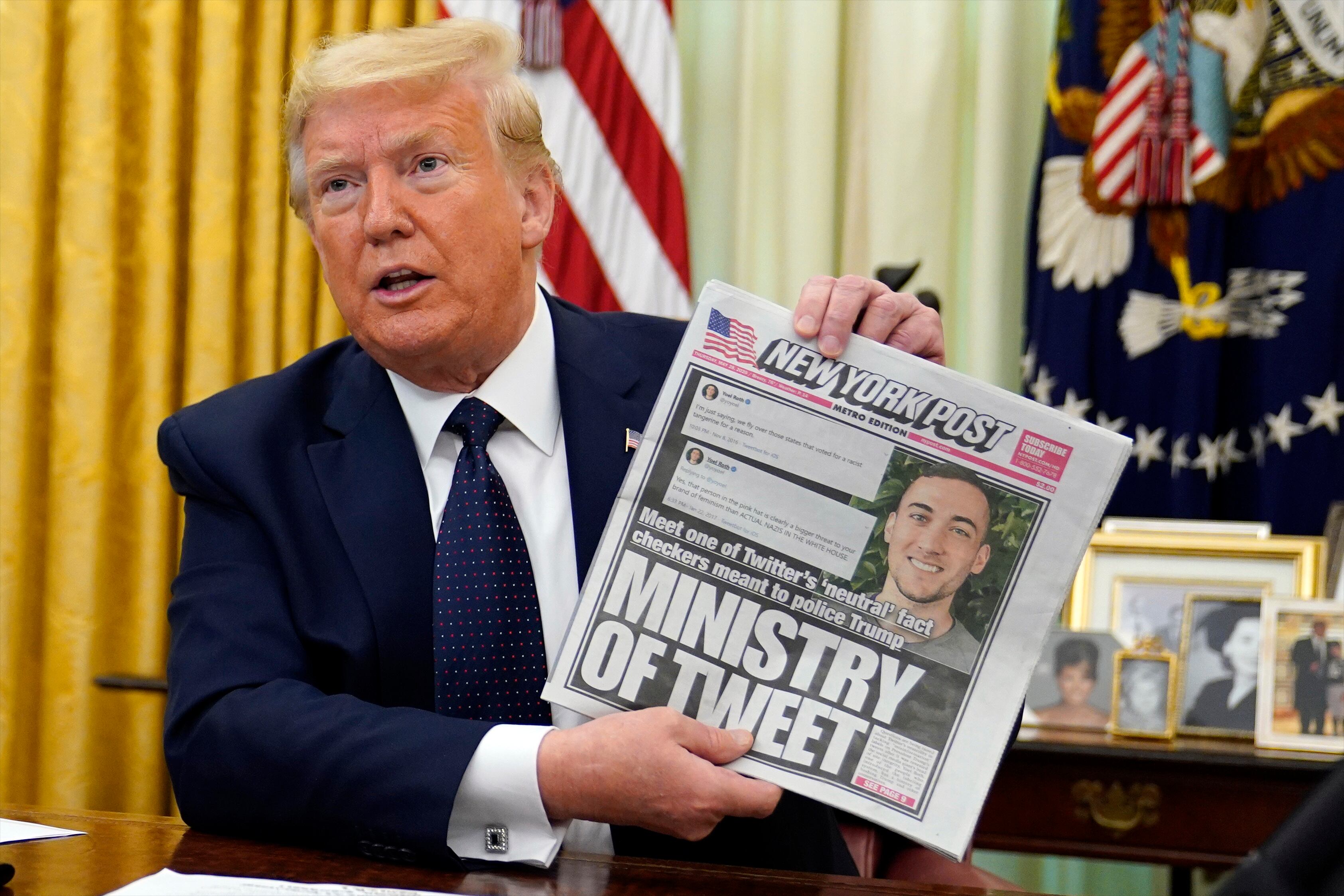
President Donald Trump is escalating his war on social media companies, preparing to sign an executive order Thursday challenging the liability protections that have served as a bedrock for unfettered speech on the internet.
Michigan Secretary of State Jocelyn Benson pushed back against President Trump's attacks on mail-in voting, which have continued for days, leading Twitter to put up its first fact checks on the president's account.
The House has passed an overwhelmingly bipartisan measure to modify a new “paycheck protection” program for businesses that have suffered COVID-related losses.