The Trump administration last week rescinded a Obama-era rule that asked HUD recipients to measure and consider fixes to racial segregation in their communities.
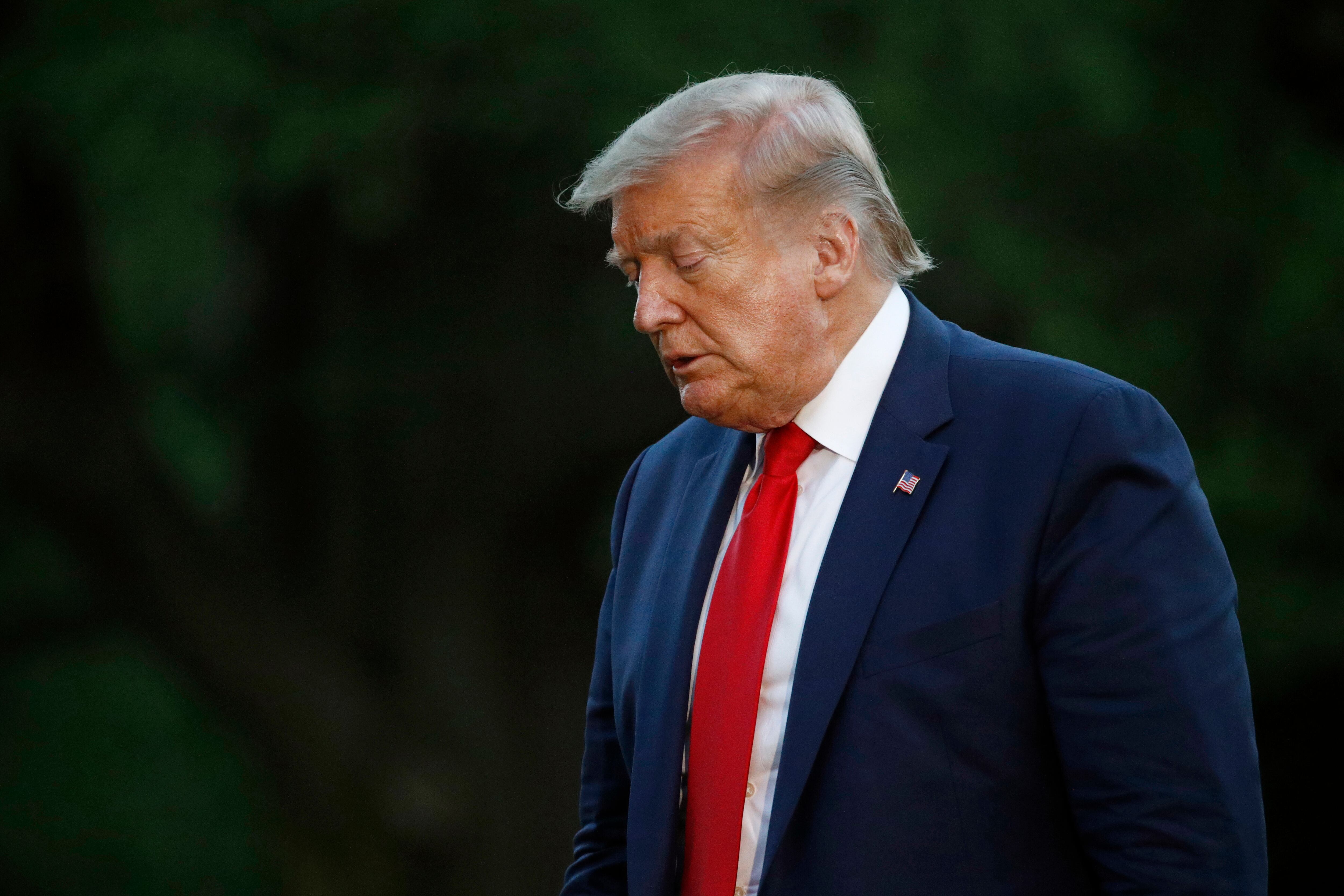
President Donald Trump then followed up the decision with a tweet that critics say was an explicit appeal to white, suburban voters.
"His tweet was aimed at a strategy of appealing to racial resentment and really people's worst ideas about how our communities should be structured," David Sanchez, director of research and development for the National Community Stabilization Trust, told Cheddar. "Attitudes like that are a big reason why we have such severe segregation by race, class, and opportunity in this country, and unfortunately the president is trying to use those fears to benefit himself politically."
The loss of the rule itself has gotten less attention, in part due to its low profile as more of a regulatory tweak than an aggressive federal policy.
The Affirmatively Furthering Fair Housing Rule that Trump's HUD eliminated asked municipalities and housing authorities to account for racial bias in their communities by writing a report and issuing recommendations, but it did not force municipalities to address segregation directly.
"It was about gathering data," Sanchez said. "It was about getting people talking about segregation. But it wasn't about forcing communities to do anything."
In the long-term, though, he added that cutting the rule will only contribute to the ongoing economic divide between the suburbs and cities.
"It's going to continue to concentrate economic resources, social privilege in certain people who can afford to live in high-opportunity communities," Sanchez said. "In the same way the COVID crisis has supercharged inequality in this country, this is just another step in that direction."
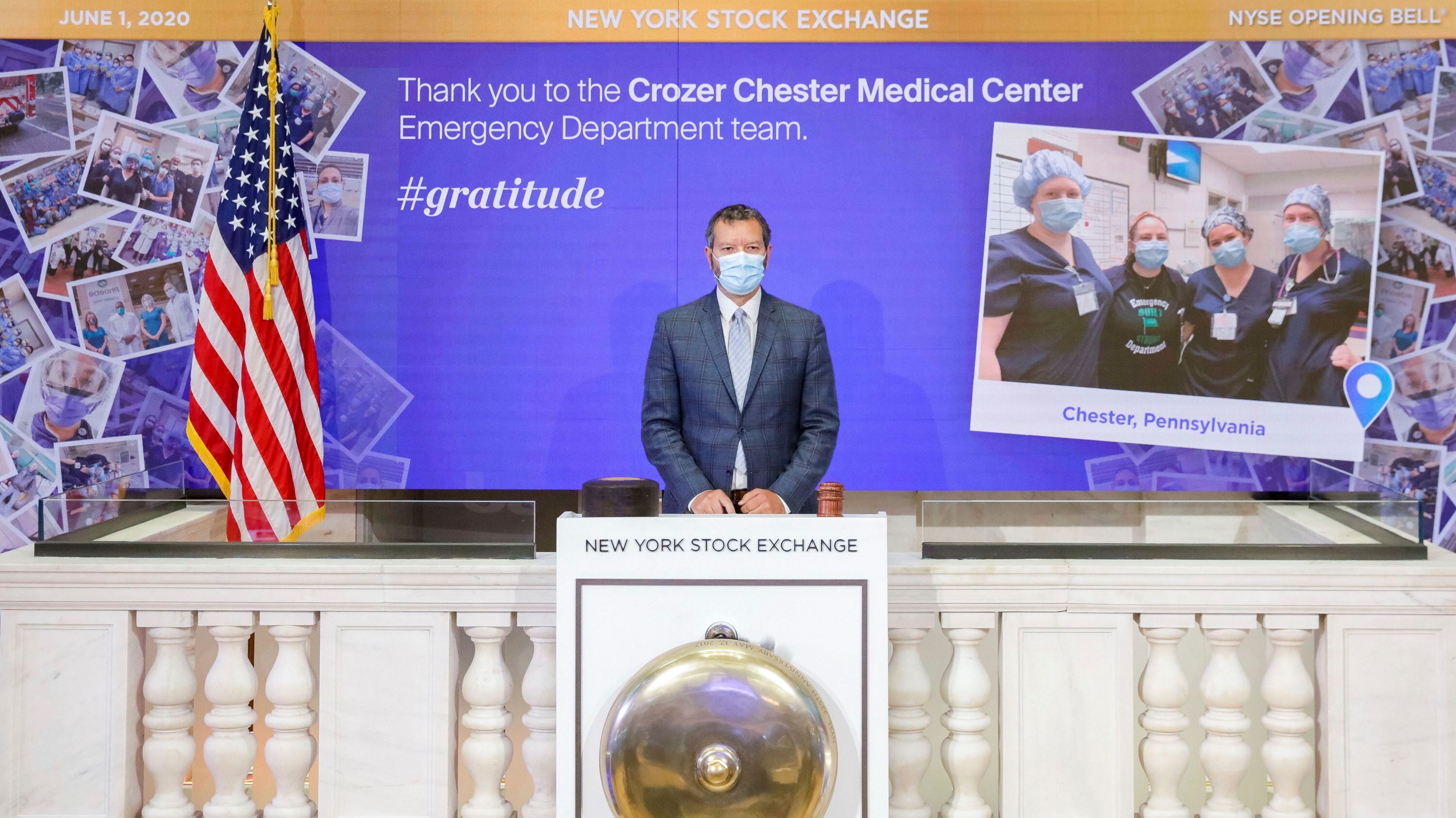
The S&P 500 climbed 0.4% after wavering between small gains and losses in the early going.
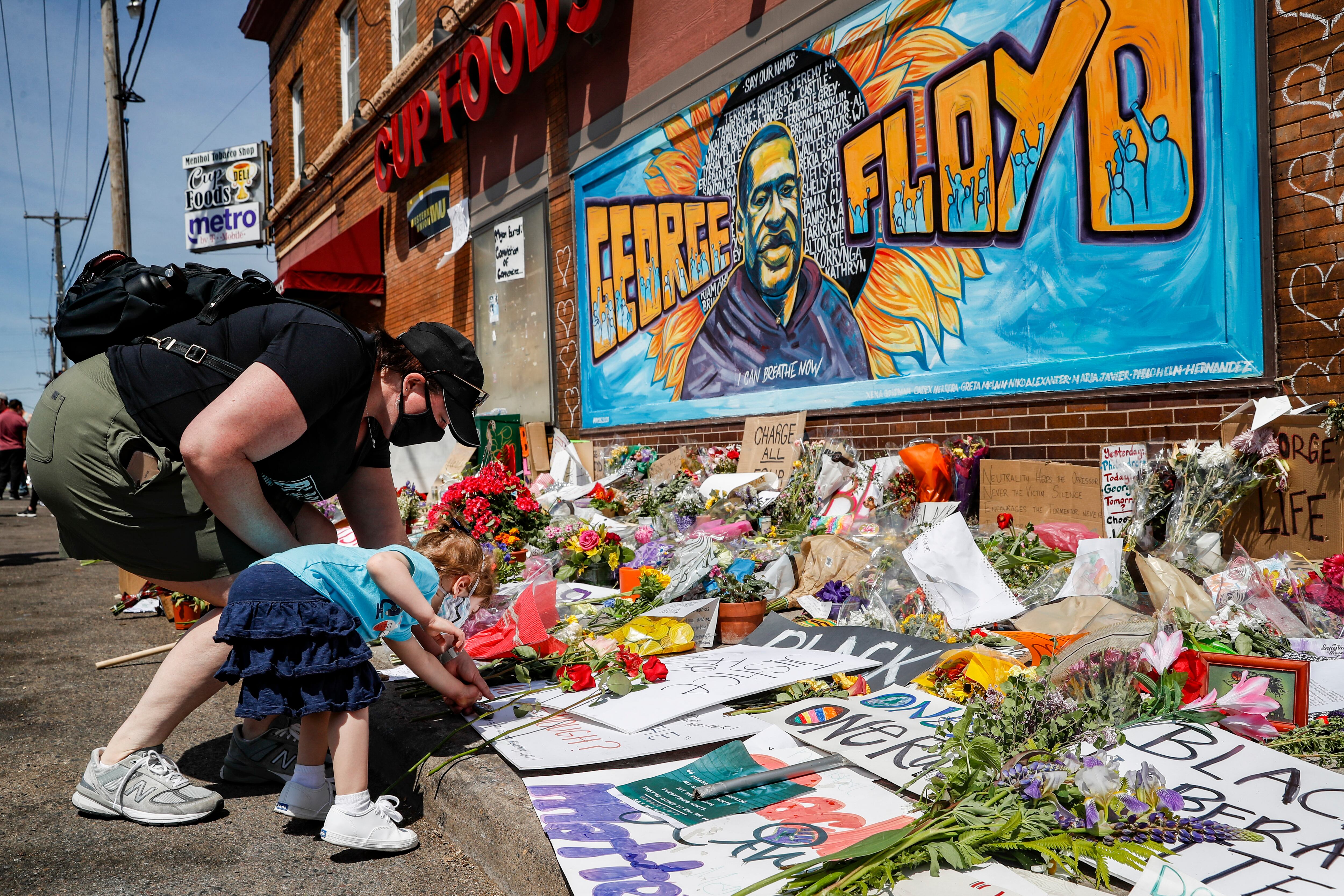
An autopsy commissioned for George Floyd’s family found that Floyd died of asphyxiation due to neck and back compression when a Minneapolis police officer kneeled on his neck for several minutes and ignored his cries of distress, the Floyd family’s attorneys said Monday.
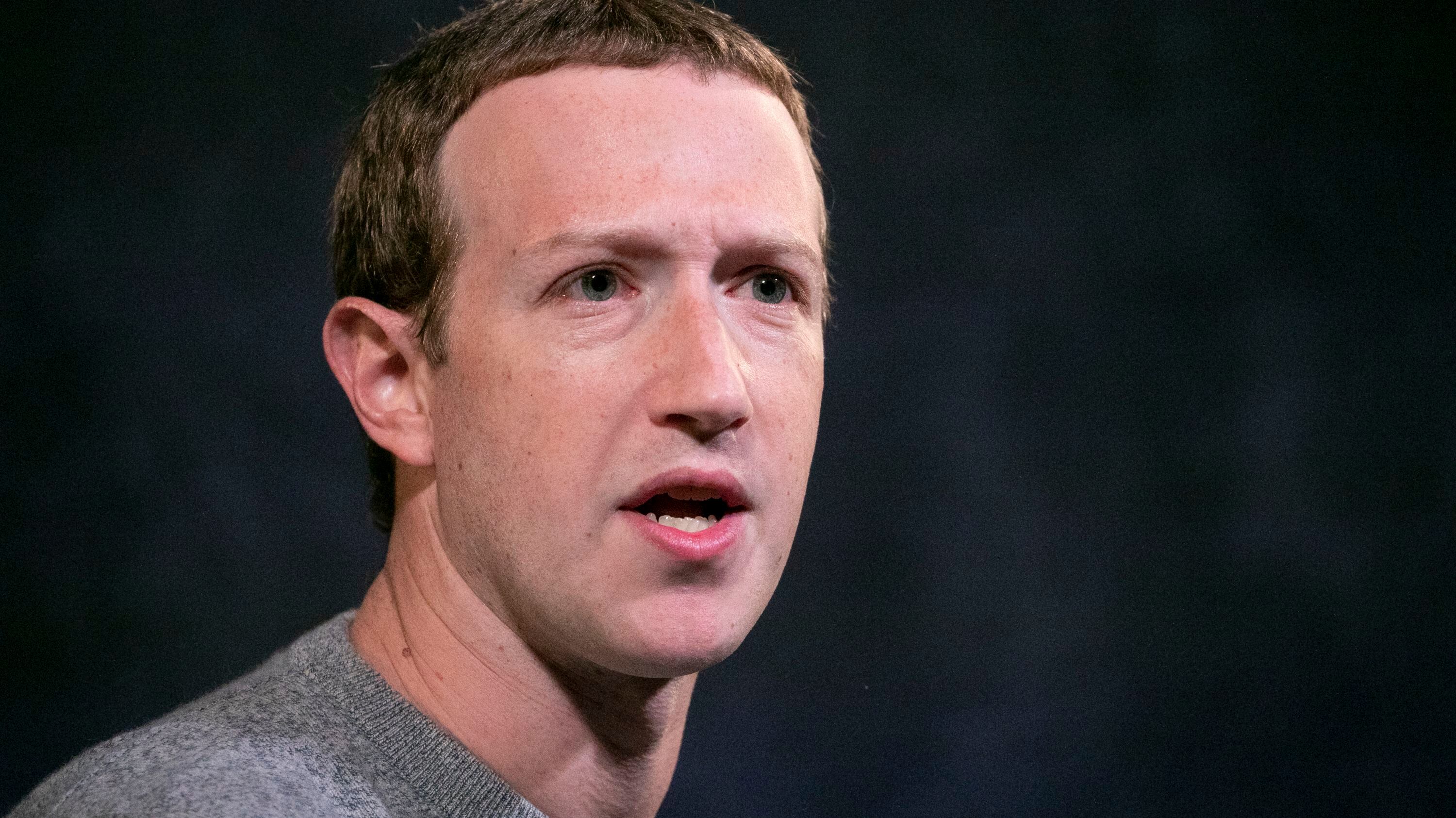
Facebook employees are using Twitter to register their frustration over CEO Mark Zuckerberg’s decision to leave up posts by President Donald Trump that suggested protesters in Minneapolis could be shot.
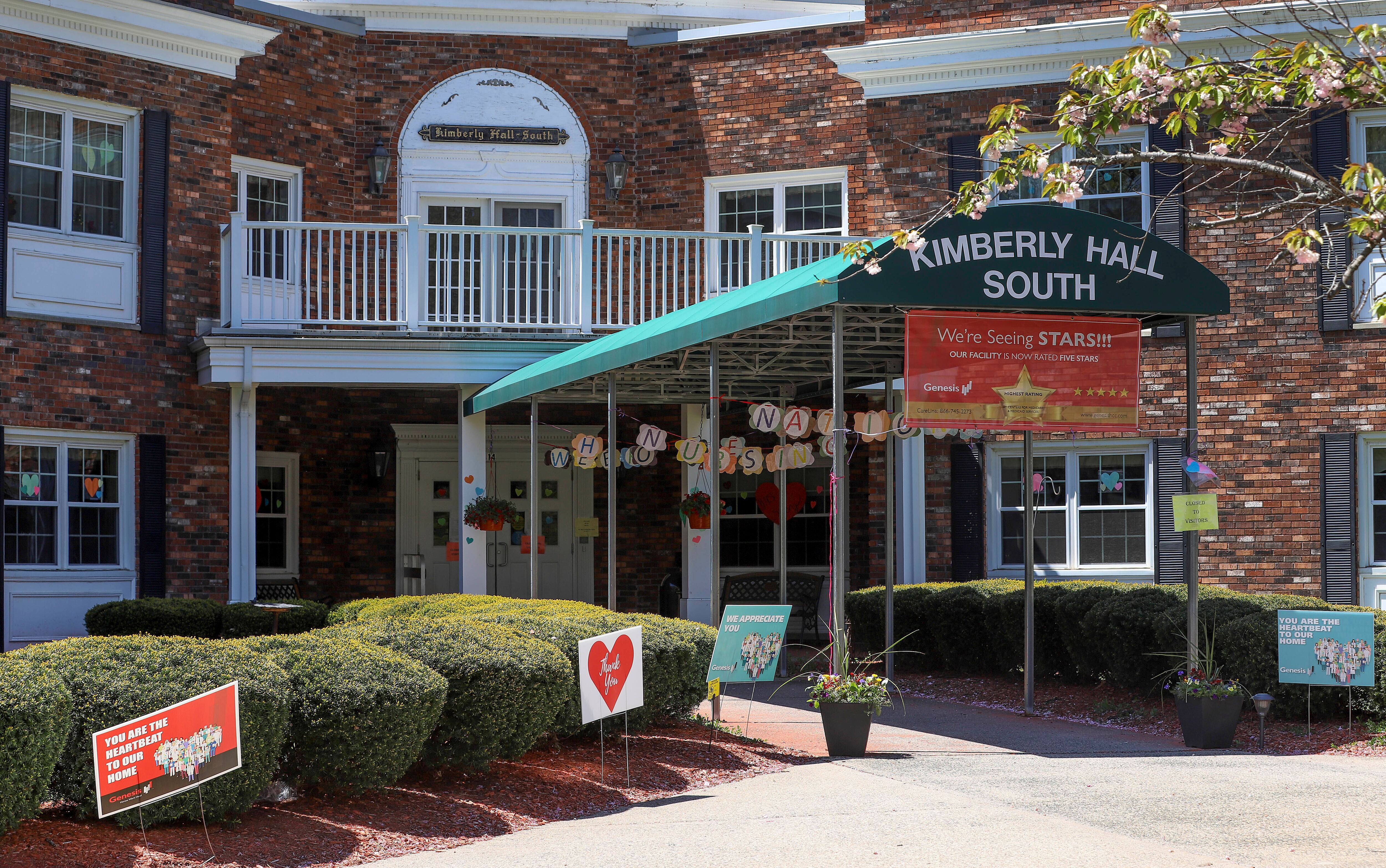
Federal health authorities have received reports of nearly 26,000 nursing home residents dying from COVID-19, according to materials prepared for the nation's governors. That number is partial and likely to go higher.
Leslie Ricard Chambers, deputy executive counsel for Louisiana Governor John Bel Edwards, talked to Cheddar Monday morning, as cities across the country woke up after another night of unrest.
President Donald Trump is deriding the nation’s governors as “weak” and demanding tougher crackdowns on protesters in the aftermath of more violent protests in dozens of American cities.
President Donald Trump spent time in a White House bunker during Friday night's protests outside the executive mansion. Secret Service agents rushed him there as some of the demonstrators were throwing rocks and tugging at police barricades.
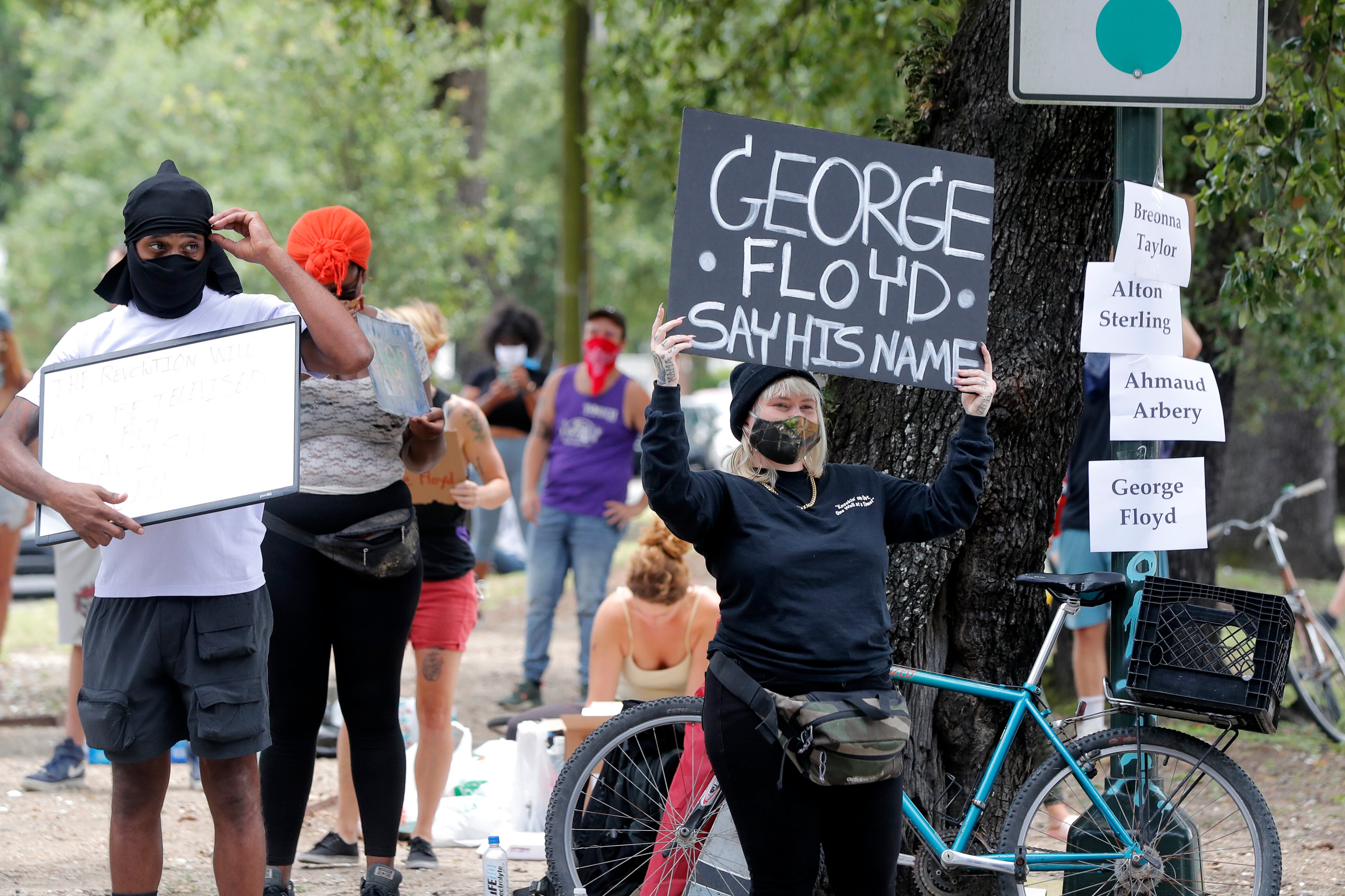
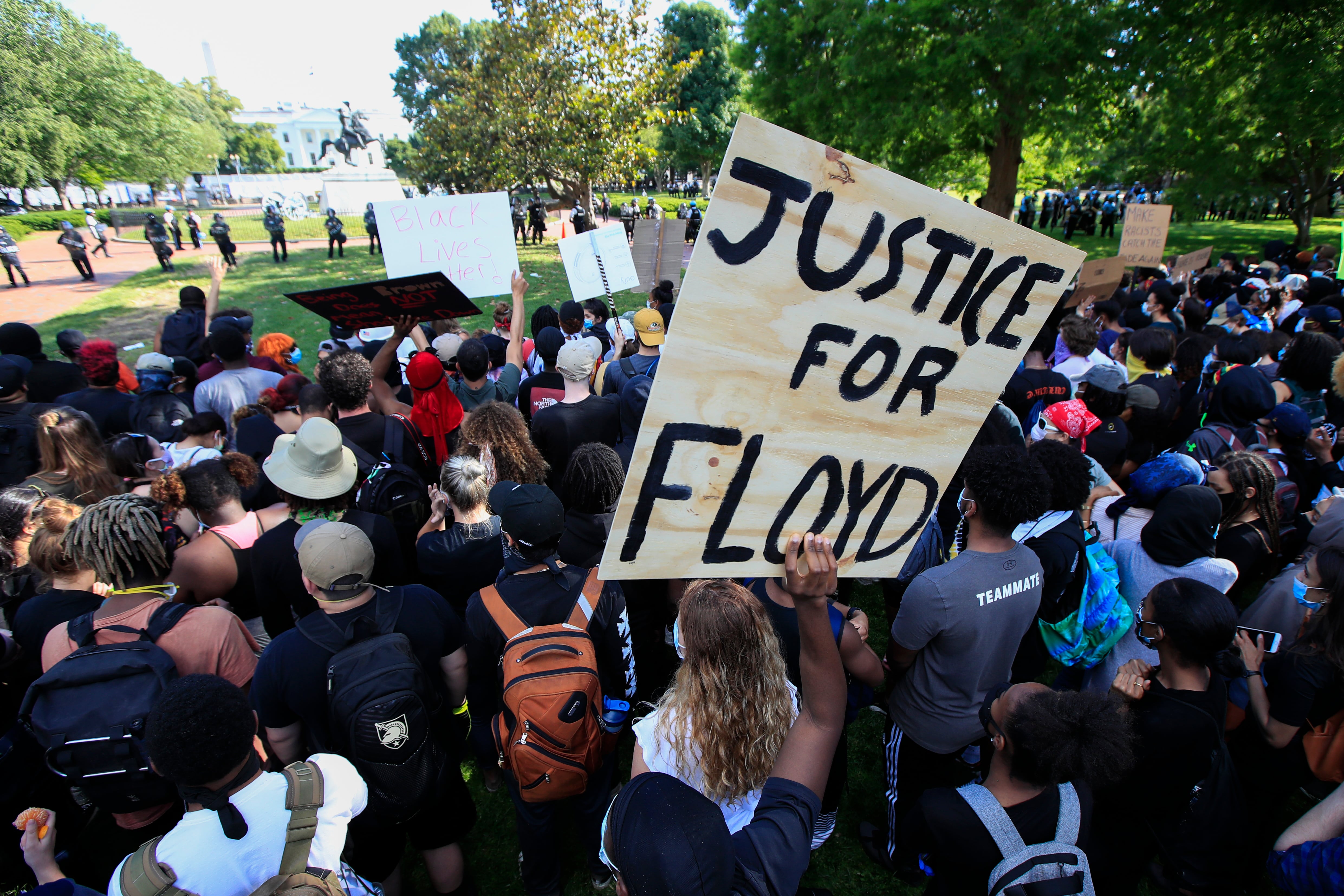
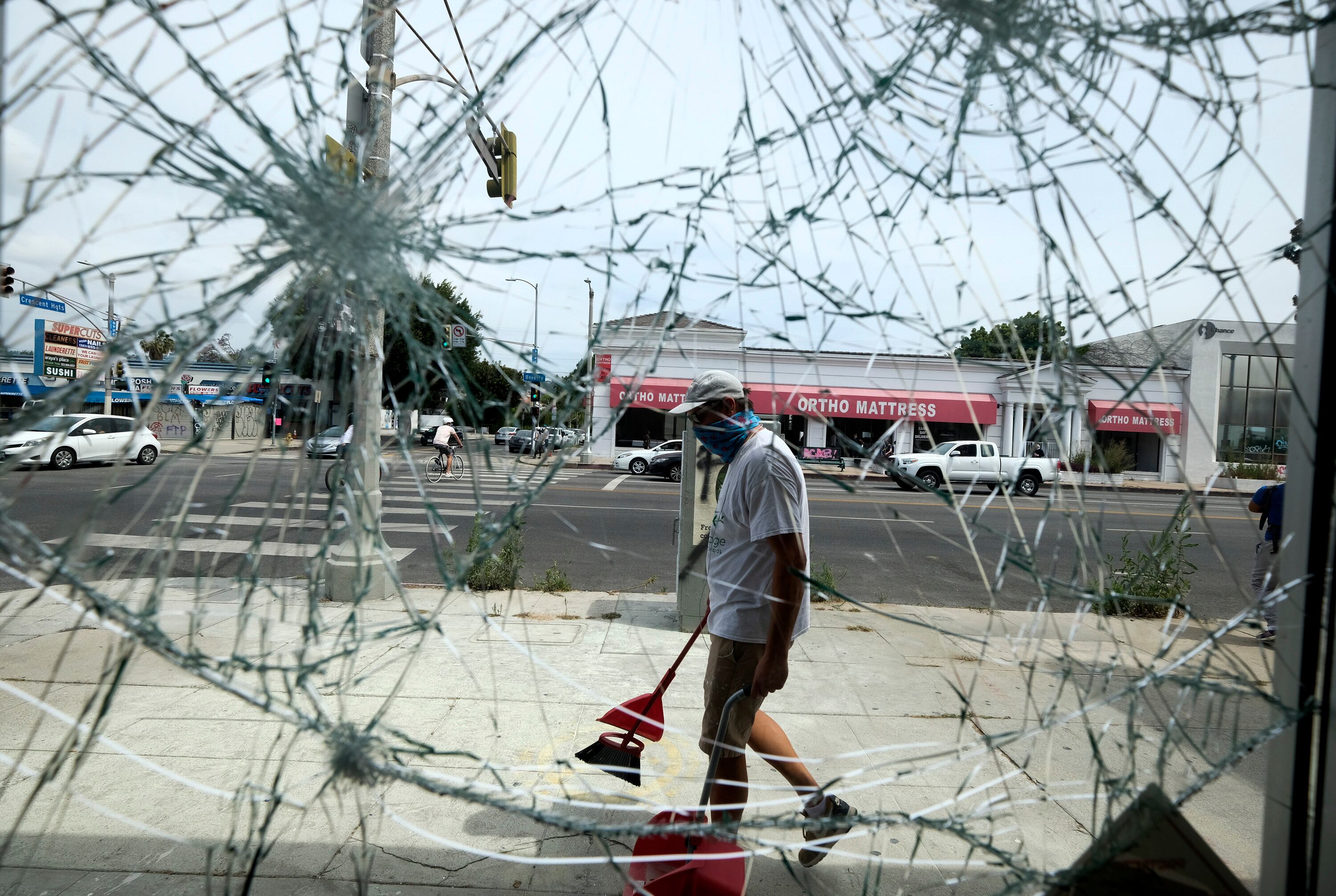
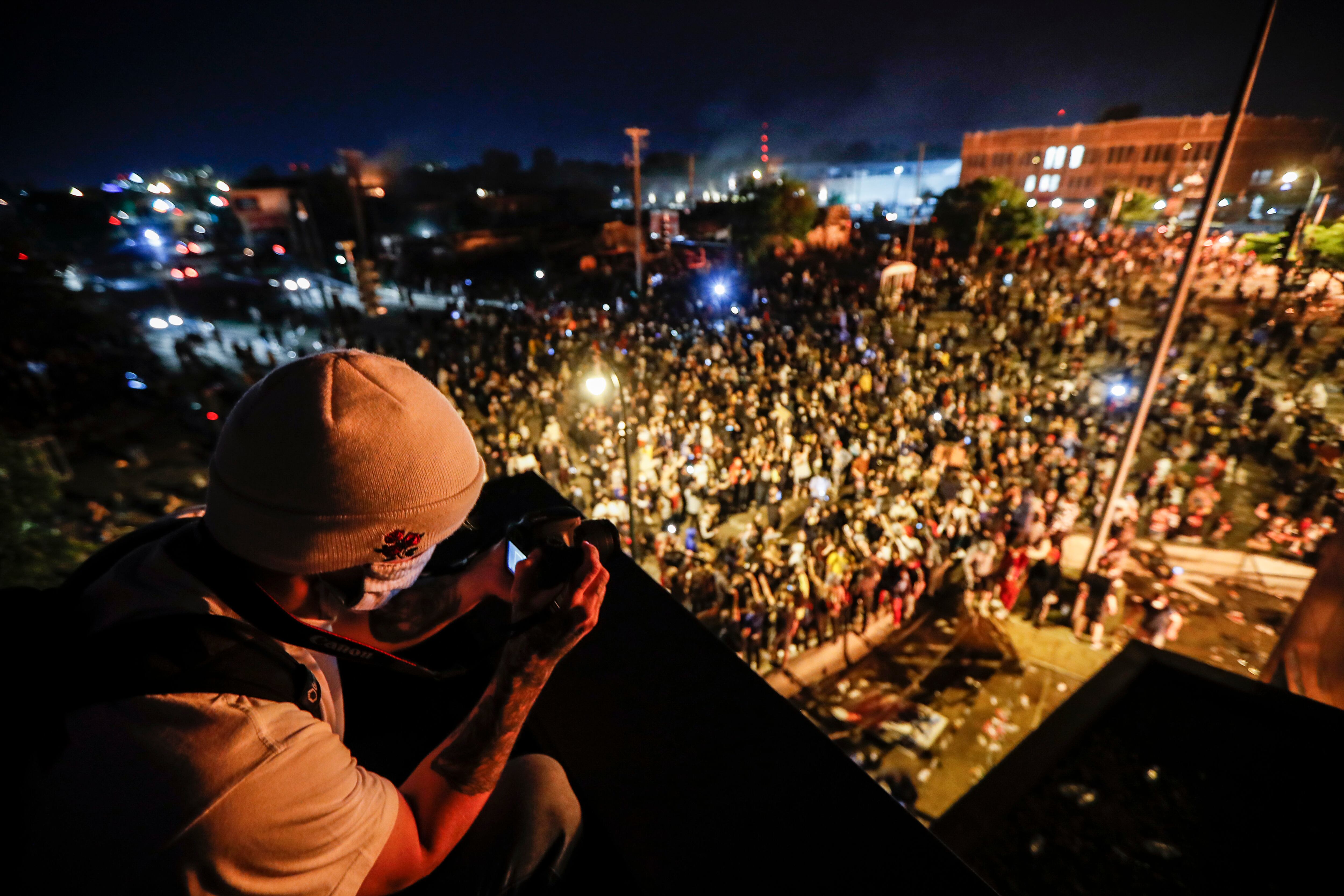
America’s cities boarded up windows, swept up glass and covered graffiti Sunday as the country's most significant night of protests in a half-century spilled into another day of unrest fueled by killings of black people at the hands of police.
From Wall Street to Silicon Valley, these are the top stories that moved markets and had investors, business leaders, and entrepreneurs talking this week on Cheddar.
Minnesota authorities say the police officer who knelt on George Floyd has been arrested