The Trump administration last week rescinded a Obama-era rule that asked HUD recipients to measure and consider fixes to racial segregation in their communities.
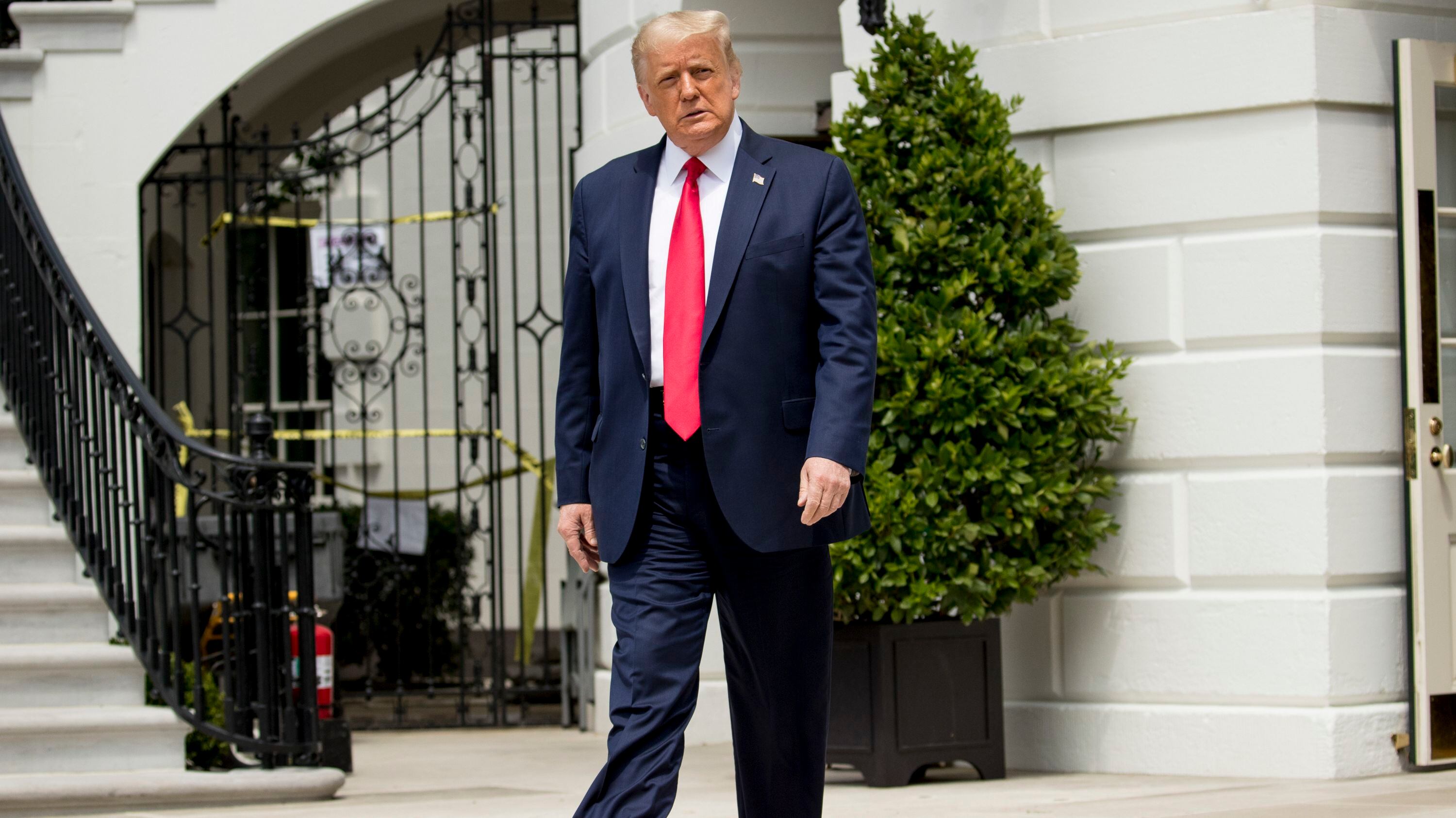
President Donald Trump then followed up the decision with a tweet that critics say was an explicit appeal to white, suburban voters.
"His tweet was aimed at a strategy of appealing to racial resentment and really people's worst ideas about how our communities should be structured," David Sanchez, director of research and development for the National Community Stabilization Trust, told Cheddar. "Attitudes like that are a big reason why we have such severe segregation by race, class, and opportunity in this country, and unfortunately the president is trying to use those fears to benefit himself politically."
The loss of the rule itself has gotten less attention, in part due to its low profile as more of a regulatory tweak than an aggressive federal policy.
The Affirmatively Furthering Fair Housing Rule that Trump's HUD eliminated asked municipalities and housing authorities to account for racial bias in their communities by writing a report and issuing recommendations, but it did not force municipalities to address segregation directly.
"It was about gathering data," Sanchez said. "It was about getting people talking about segregation. But it wasn't about forcing communities to do anything."
In the long-term, though, he added that cutting the rule will only contribute to the ongoing economic divide between the suburbs and cities.
"It's going to continue to concentrate economic resources, social privilege in certain people who can afford to live in high-opportunity communities," Sanchez said. "In the same way the COVID crisis has supercharged inequality in this country, this is just another step in that direction."
TikTok's global chief information and security officer, Roland Cloutier, dismisses claims that the app is a security threat and provides user information to China.
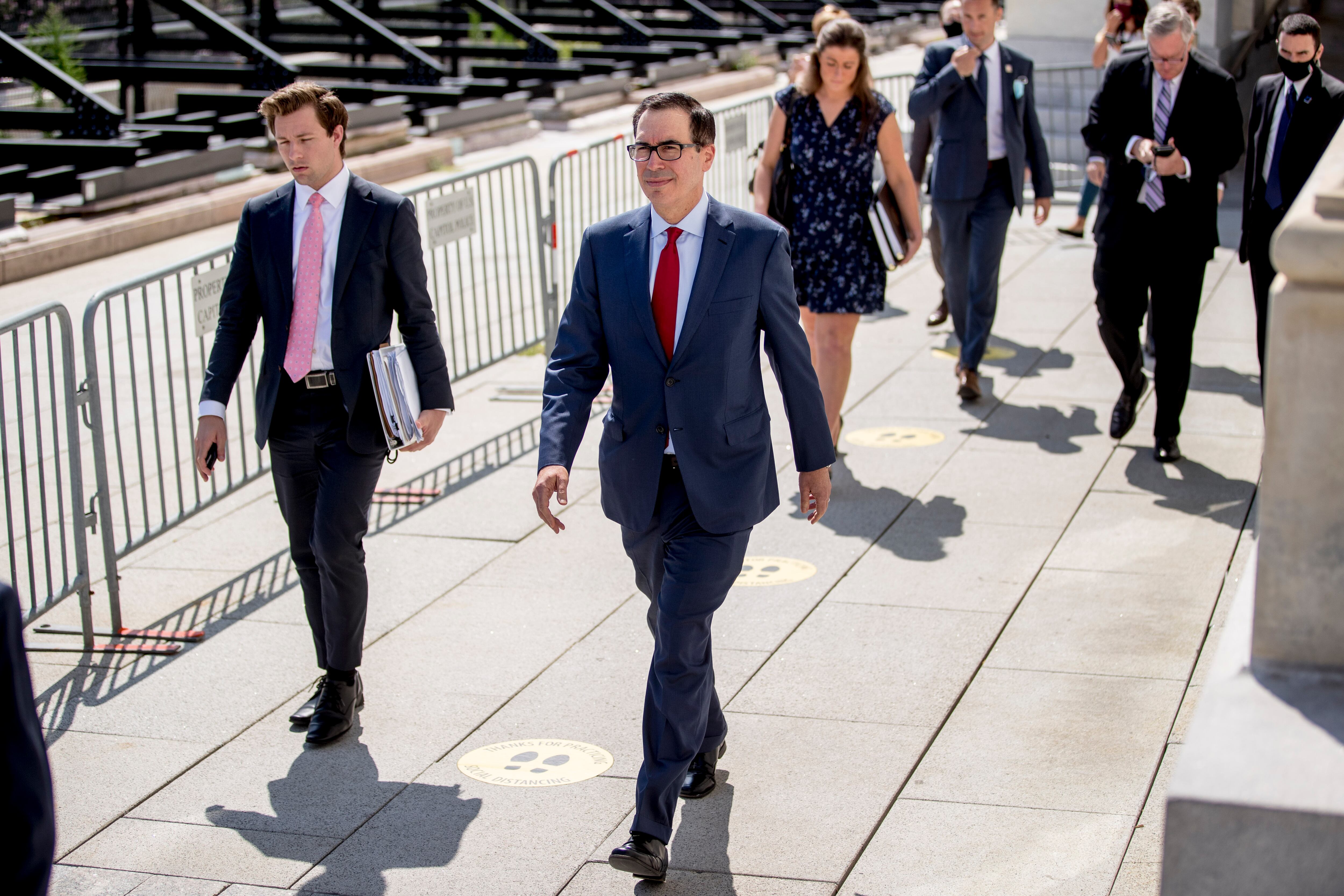
Trump administration negotiators are back at the Capitol for last-ditch talks on vital COVID-19 rescue money. Democratic leaders summoned them for another try with the negotiations teetering on the brink of collapse.
From Wall Street to Silicon Valley, these are the top stories that moved markets and had investors, business leaders, and entrepreneurs talking this week on Cheddar.
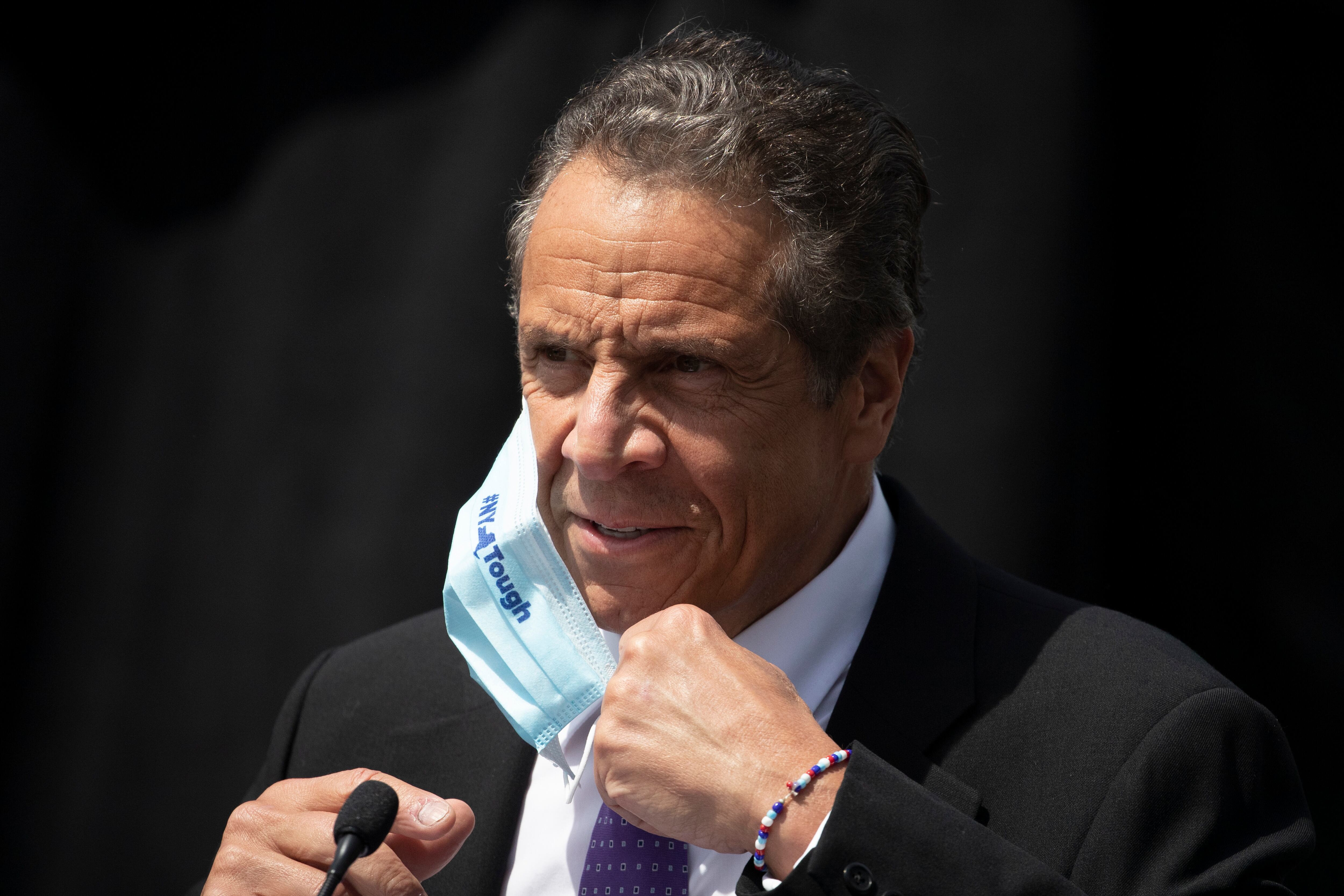
New York schools can bring children back to classrooms for the start of the school year, Gov. Andrew Cuomo announced Friday.
Media reports say 26 billboards are going up across Louisville, Kentucky, demanding that the police officers involved in Taylor’s death be arrested and charged. That’s one billboard for every year of the Black woman’s life.
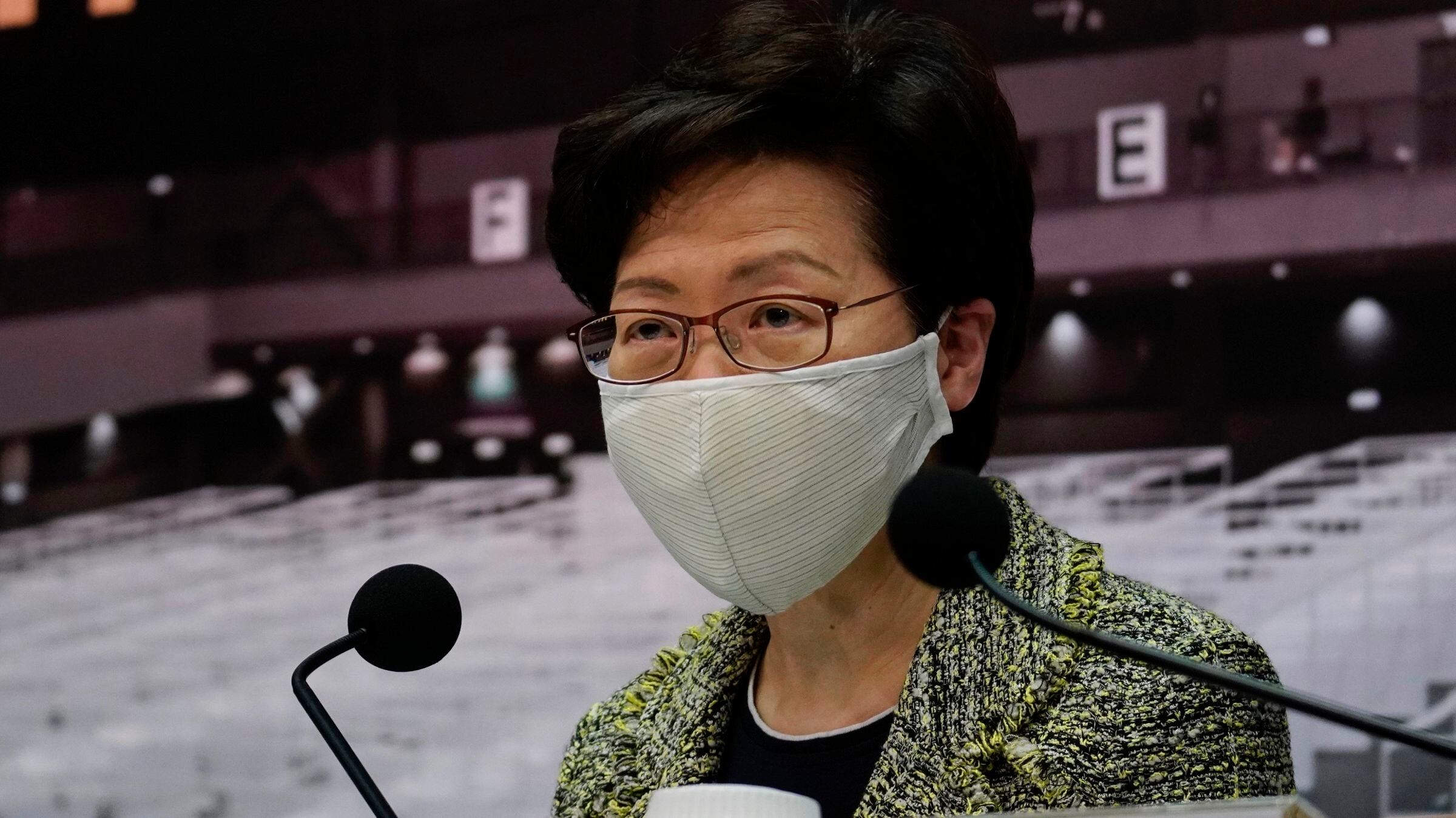
The U.S. is imposing sanctions on pro-China officials in Hong Kong, including the leader of the government, for their alleged roles in squashing freedom in the former British colony.
he nonpartisan Commission on Presidential Debates has rejected a request from the Trump campaign to either add an additional general election debate or move up the calendar for the contests.
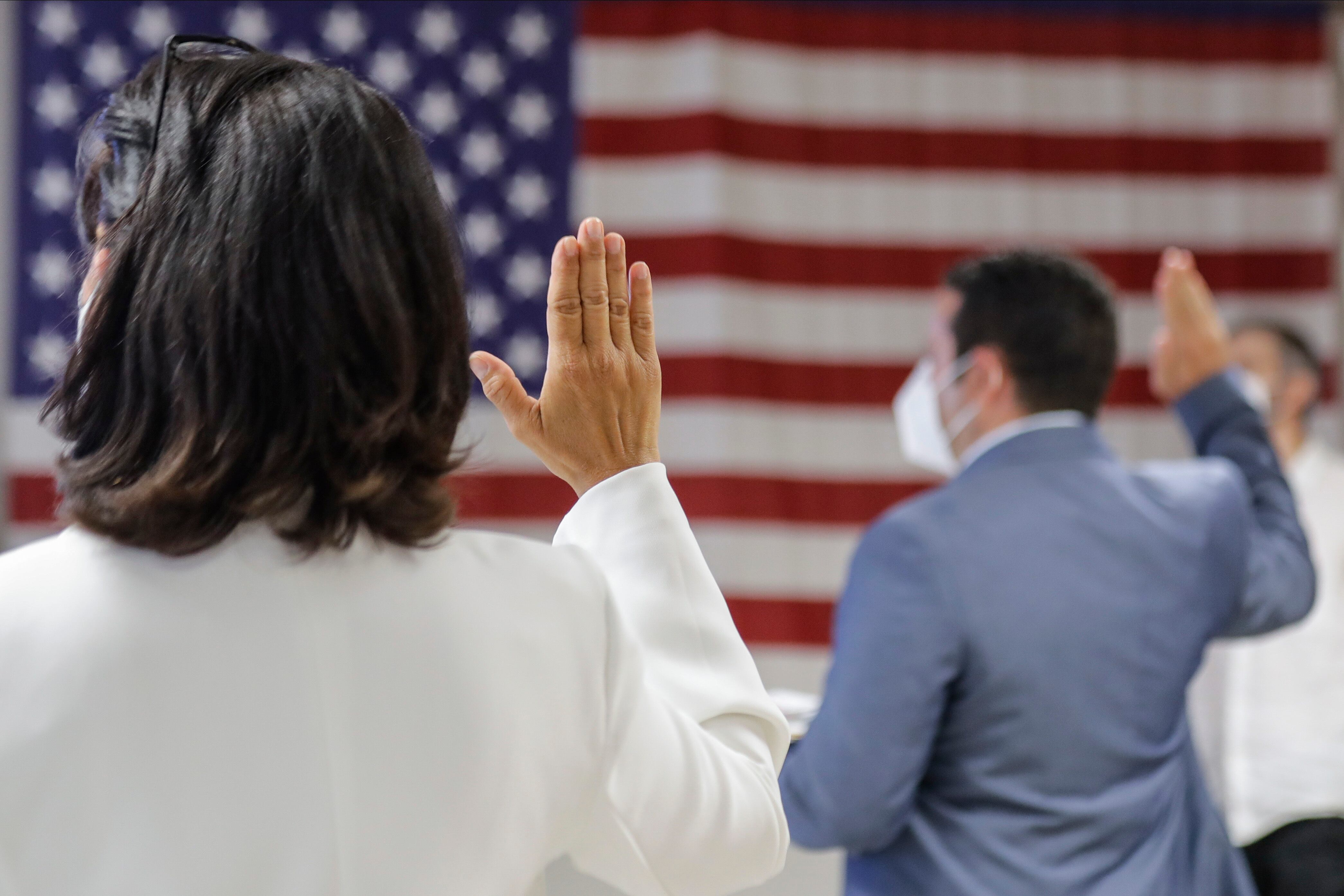
The Trump administration has moved to raise application fees for various immigration processes, including asylum. Michelle N. Mendez, director of defending vulnerable programs at CLINIC, calls the move an attack on immigration.
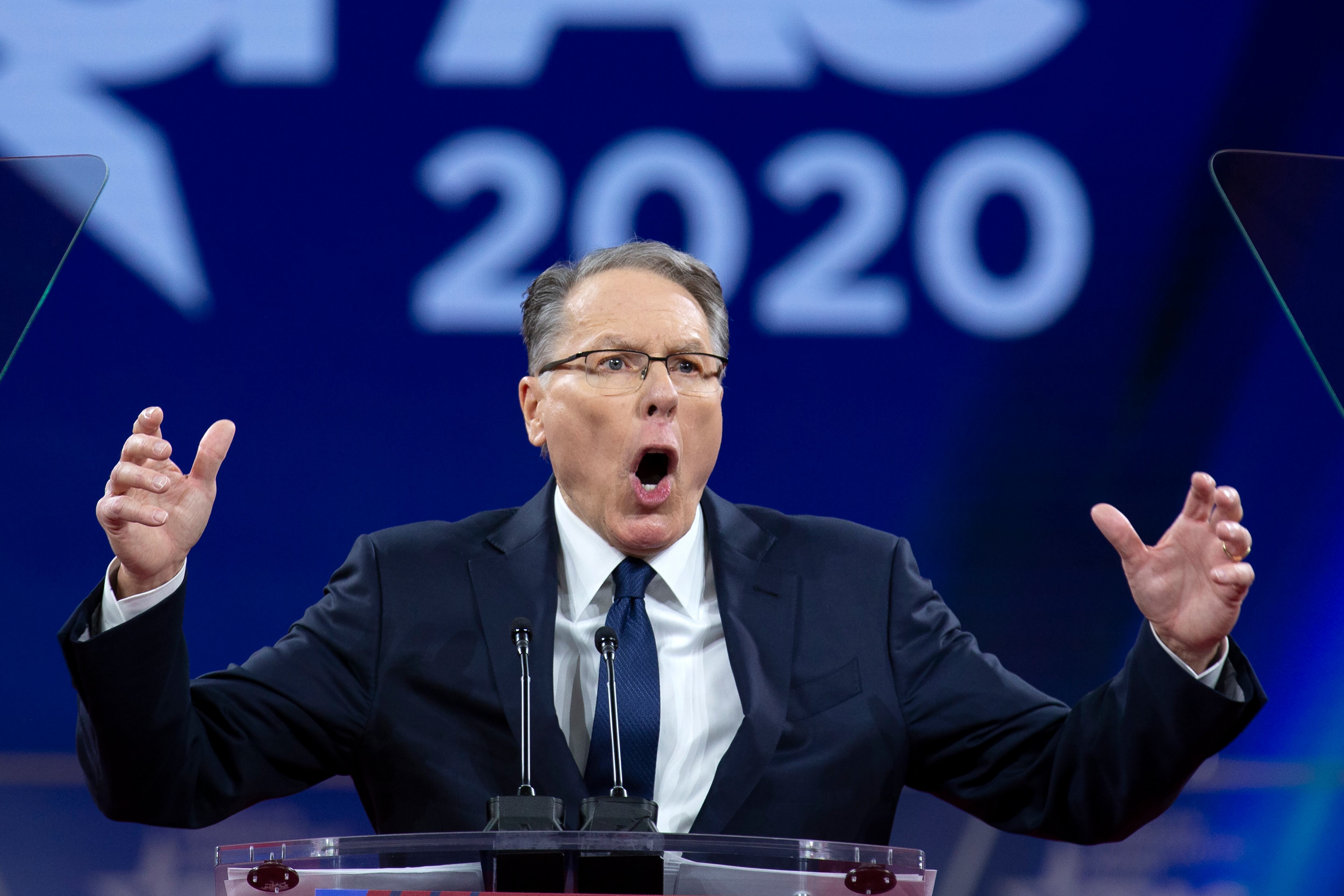
New York’s attorney general is suing the National Rifle Association, seeking to put the powerful gun advocacy organization out of business over allegations that high-ranking executives diverted millions of dollars for personal benefit.
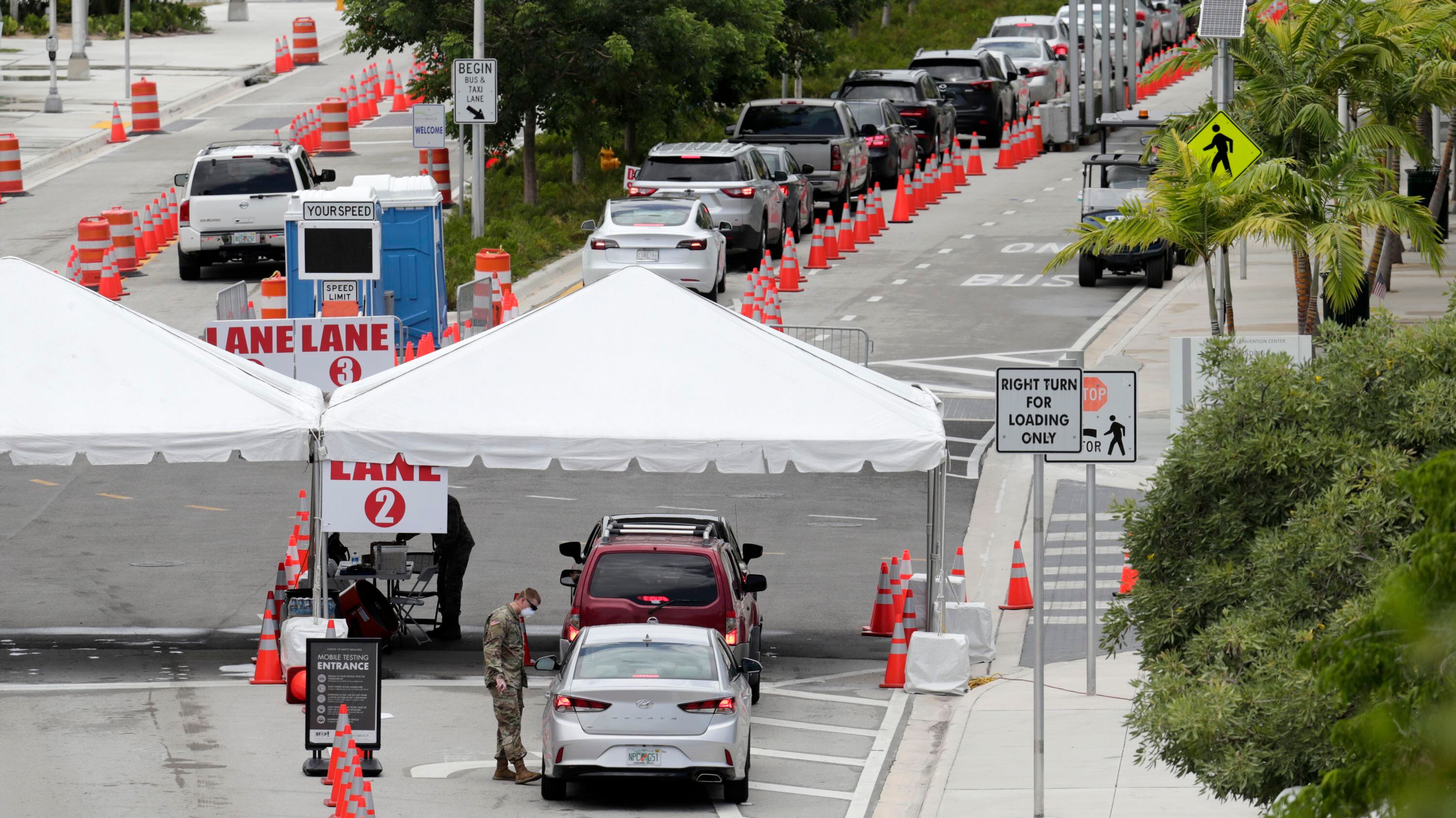
U.S. testing for the coronavirus is dropping even as infections remain high and the death toll rises by more than 1,000 a day.