The Trump administration last week rescinded a Obama-era rule that asked HUD recipients to measure and consider fixes to racial segregation in their communities.
President Donald Trump then followed up the decision with a tweet that critics say was an explicit appeal to white, suburban voters.
"His tweet was aimed at a strategy of appealing to racial resentment and really people's worst ideas about how our communities should be structured," David Sanchez, director of research and development for the National Community Stabilization Trust, told Cheddar. "Attitudes like that are a big reason why we have such severe segregation by race, class, and opportunity in this country, and unfortunately the president is trying to use those fears to benefit himself politically."
The loss of the rule itself has gotten less attention, in part due to its low profile as more of a regulatory tweak than an aggressive federal policy.
The Affirmatively Furthering Fair Housing Rule that Trump's HUD eliminated asked municipalities and housing authorities to account for racial bias in their communities by writing a report and issuing recommendations, but it did not force municipalities to address segregation directly.
"It was about gathering data," Sanchez said. "It was about getting people talking about segregation. But it wasn't about forcing communities to do anything."
In the long-term, though, he added that cutting the rule will only contribute to the ongoing economic divide between the suburbs and cities.
"It's going to continue to concentrate economic resources, social privilege in certain people who can afford to live in high-opportunity communities," Sanchez said. "In the same way the COVID crisis has supercharged inequality in this country, this is just another step in that direction."
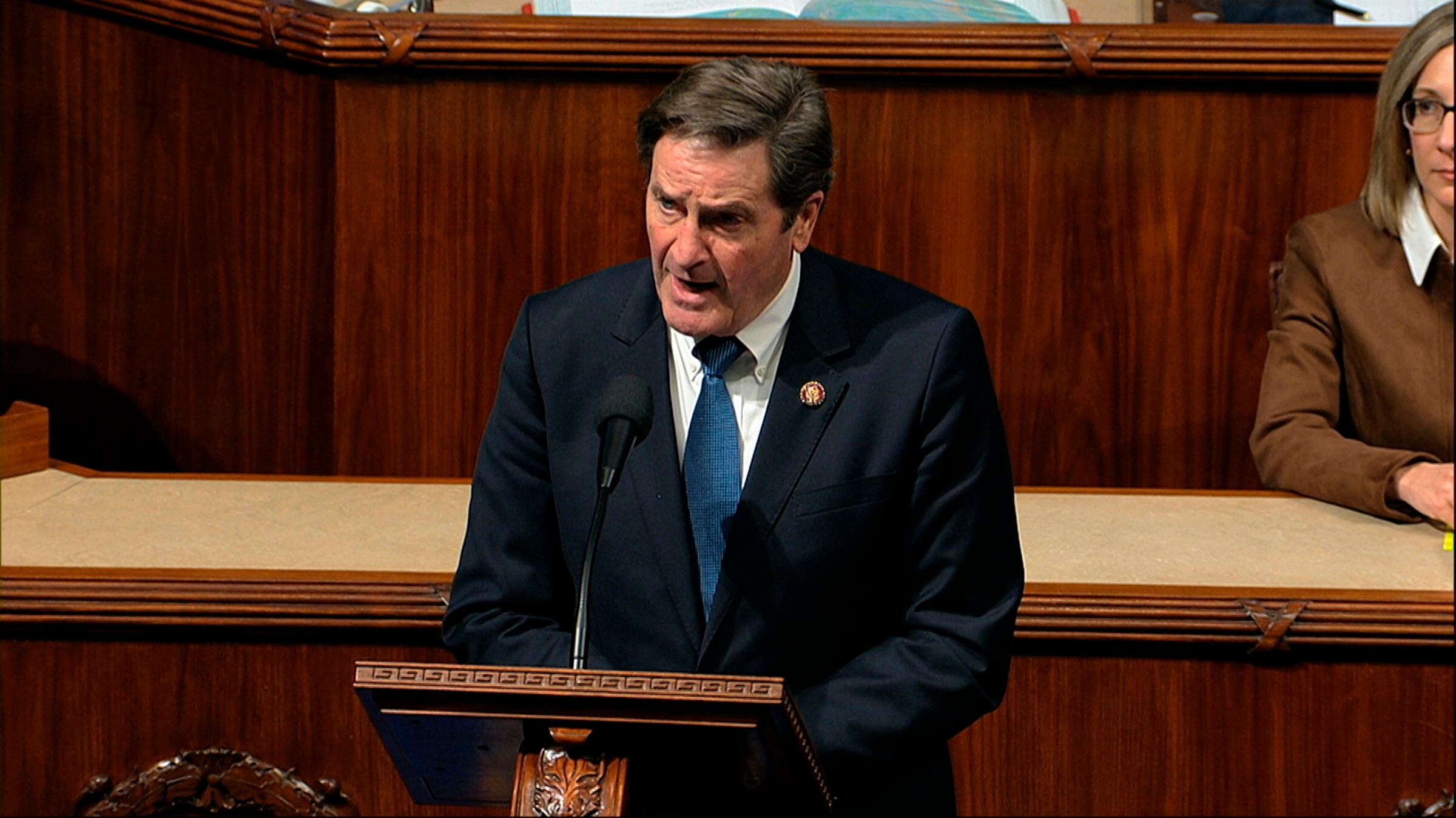
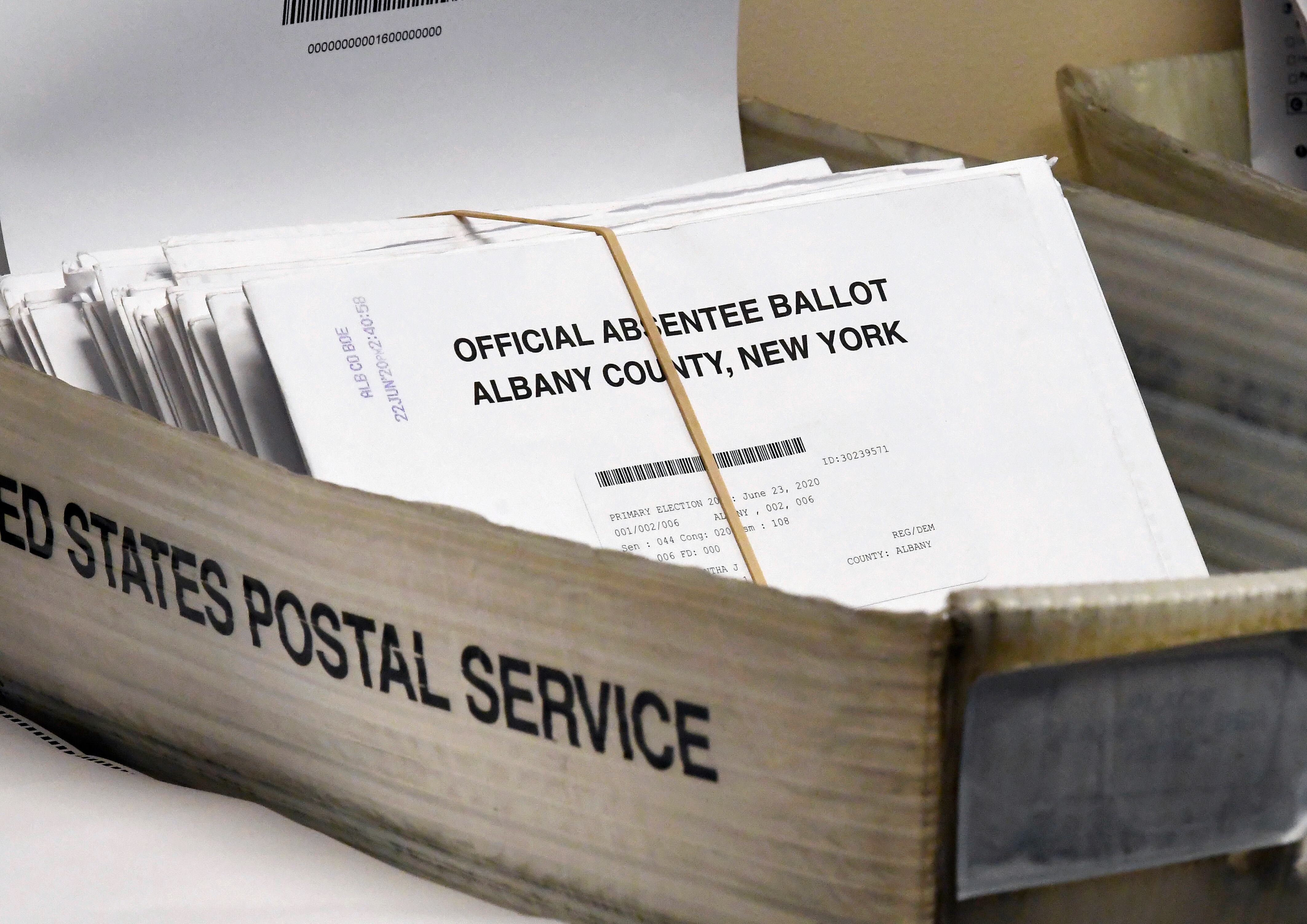
While Postmaster General Louis DeJoy halted operational changes at the USPS, California Rep. John Garamendi claims the concerted effort to destroy the post office was orchestrated by the Trump administration in order to steal the November election.
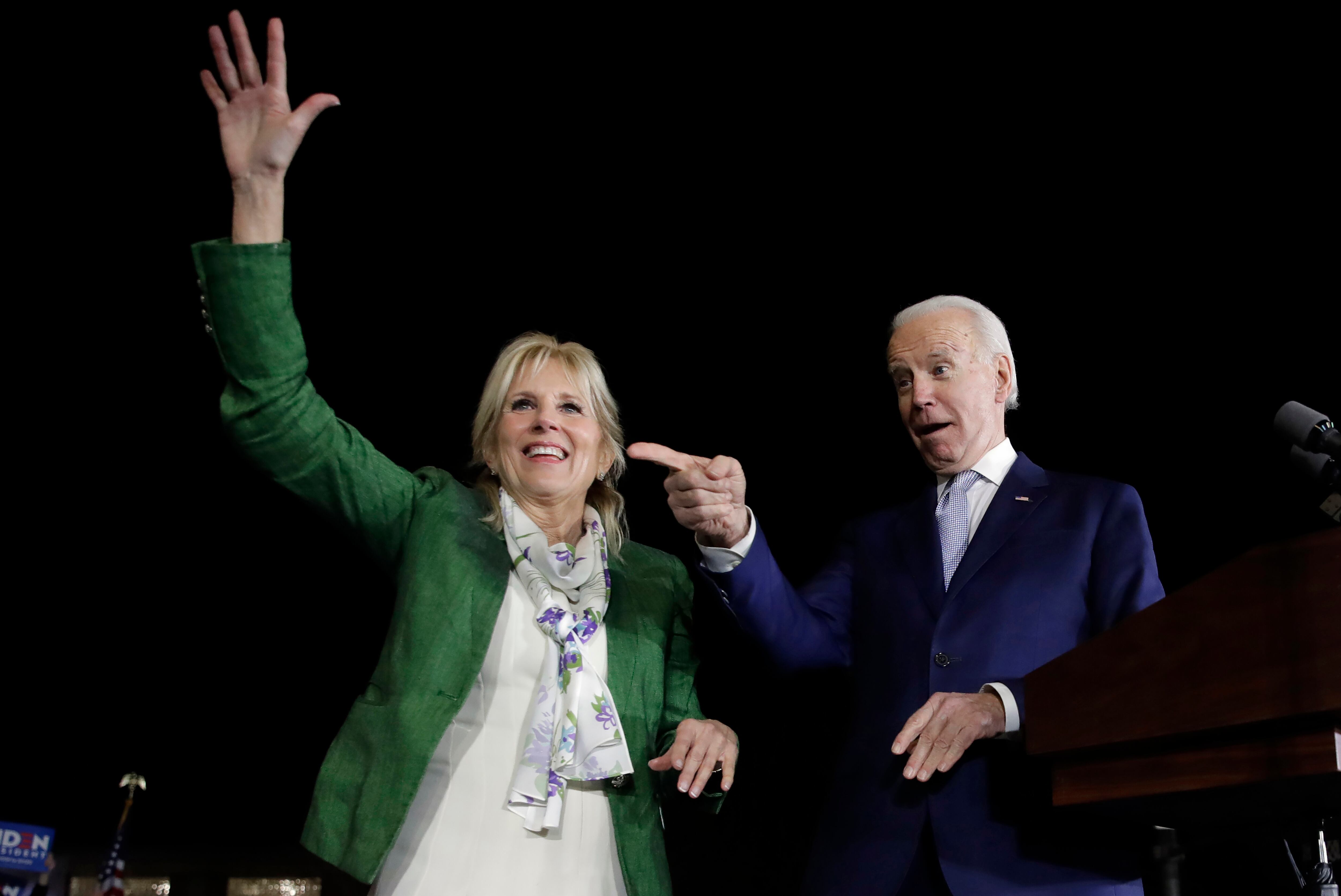
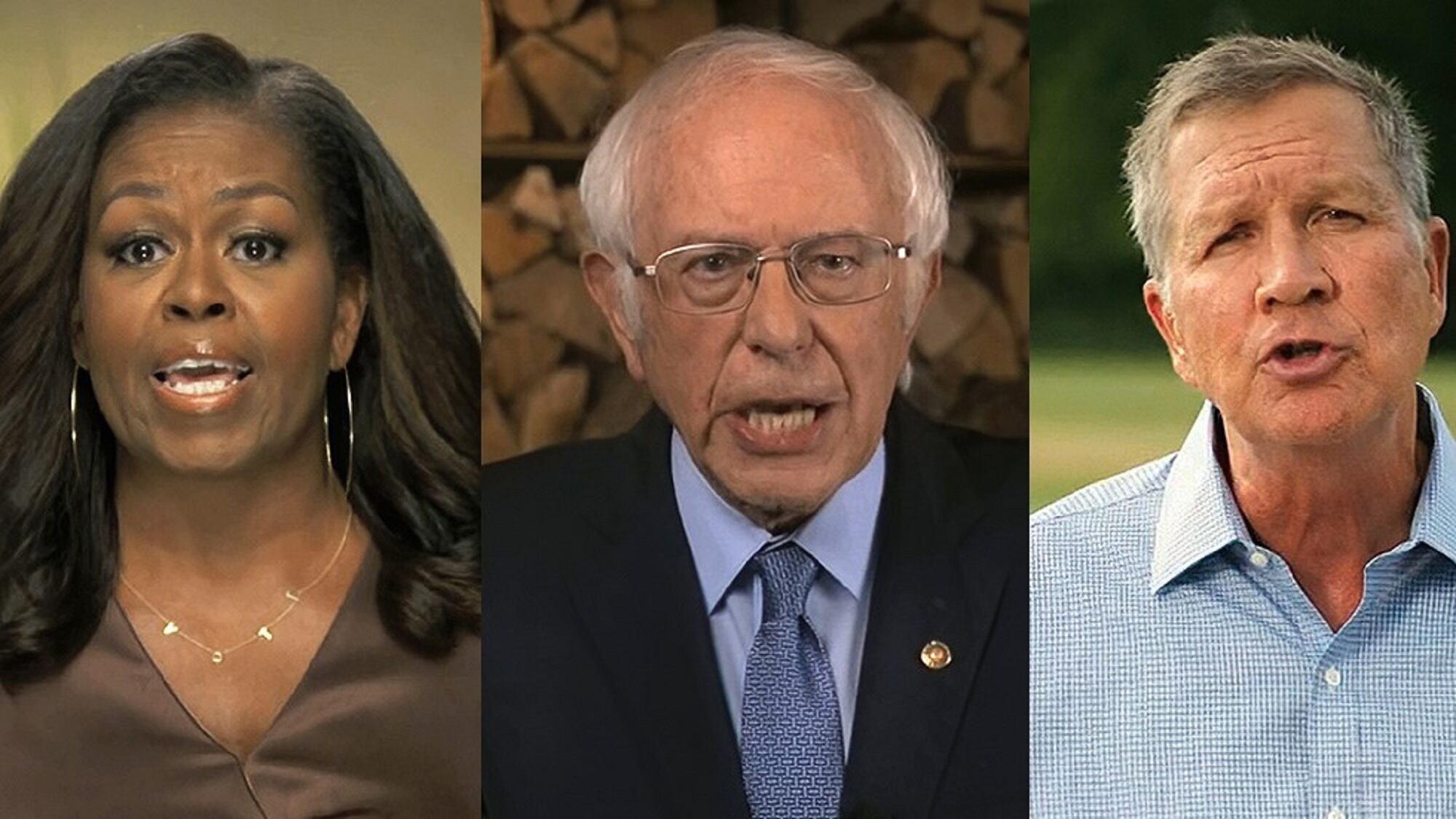
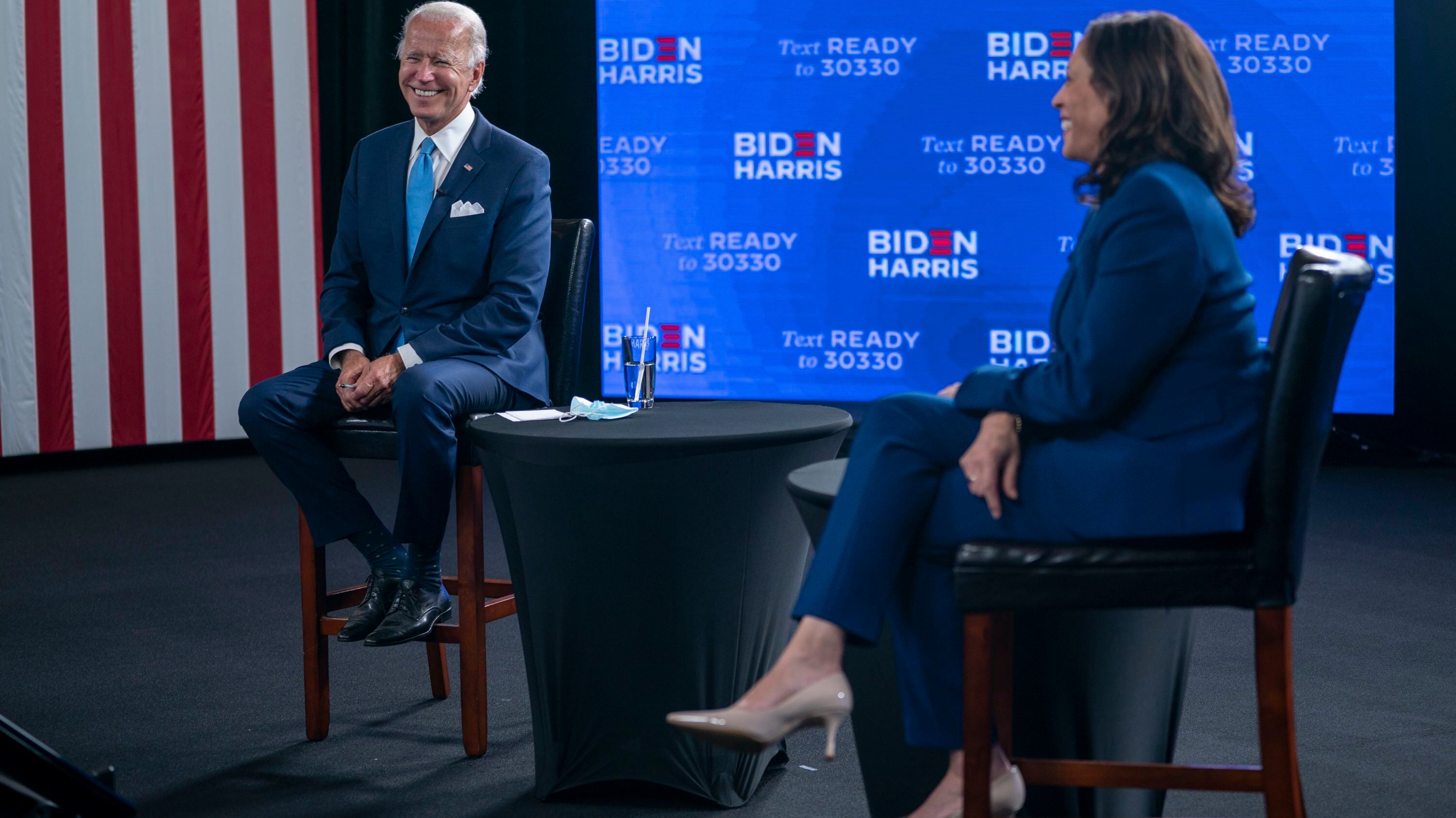
A day after Michelle Obama’s passion wowed Democrats on the opening night of the party's national convention, Joe Biden will draw on a collection of his party’s most experienced leaders.
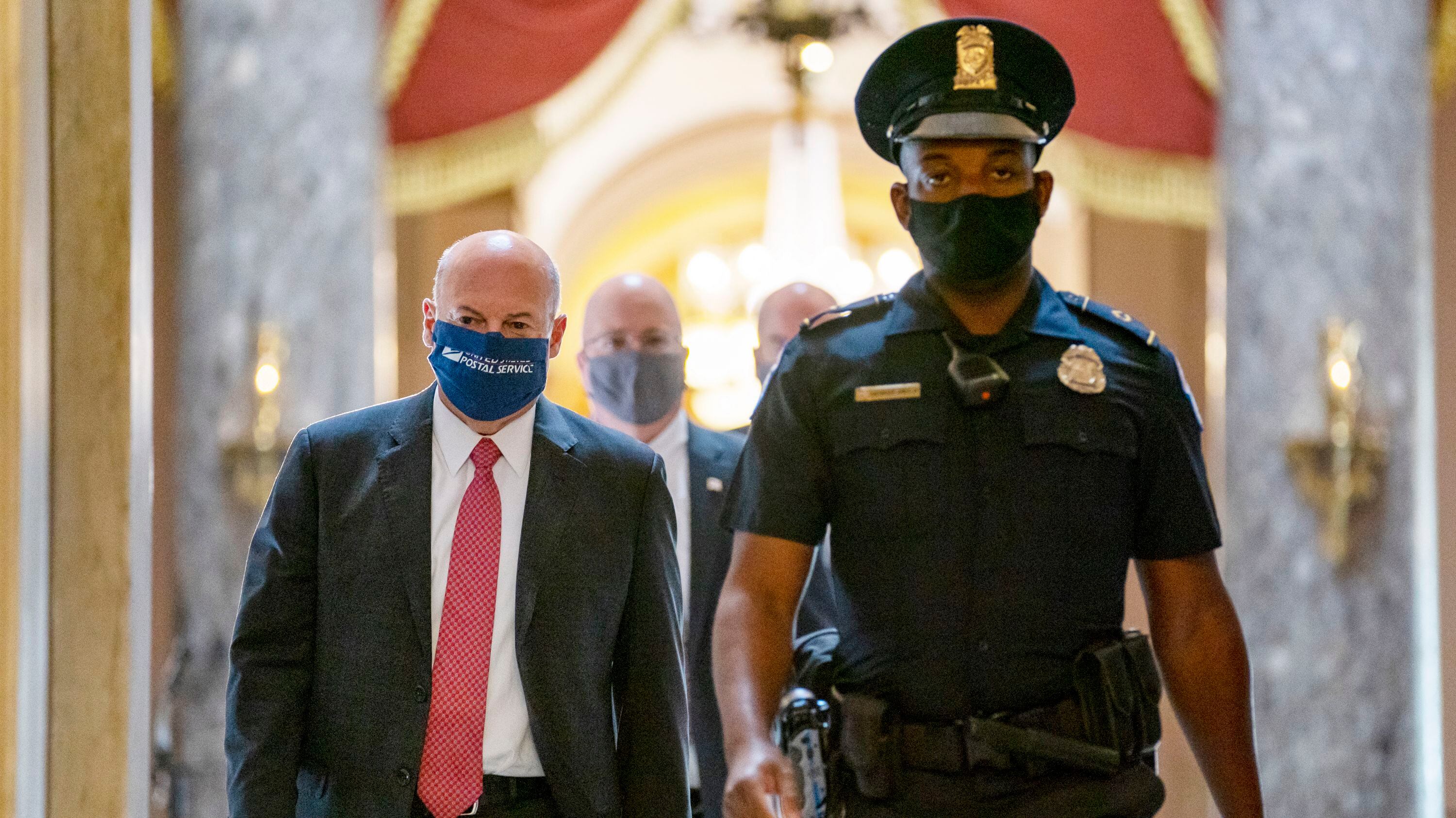
The Postmaster general says he is halting some operational changes until after the November election.
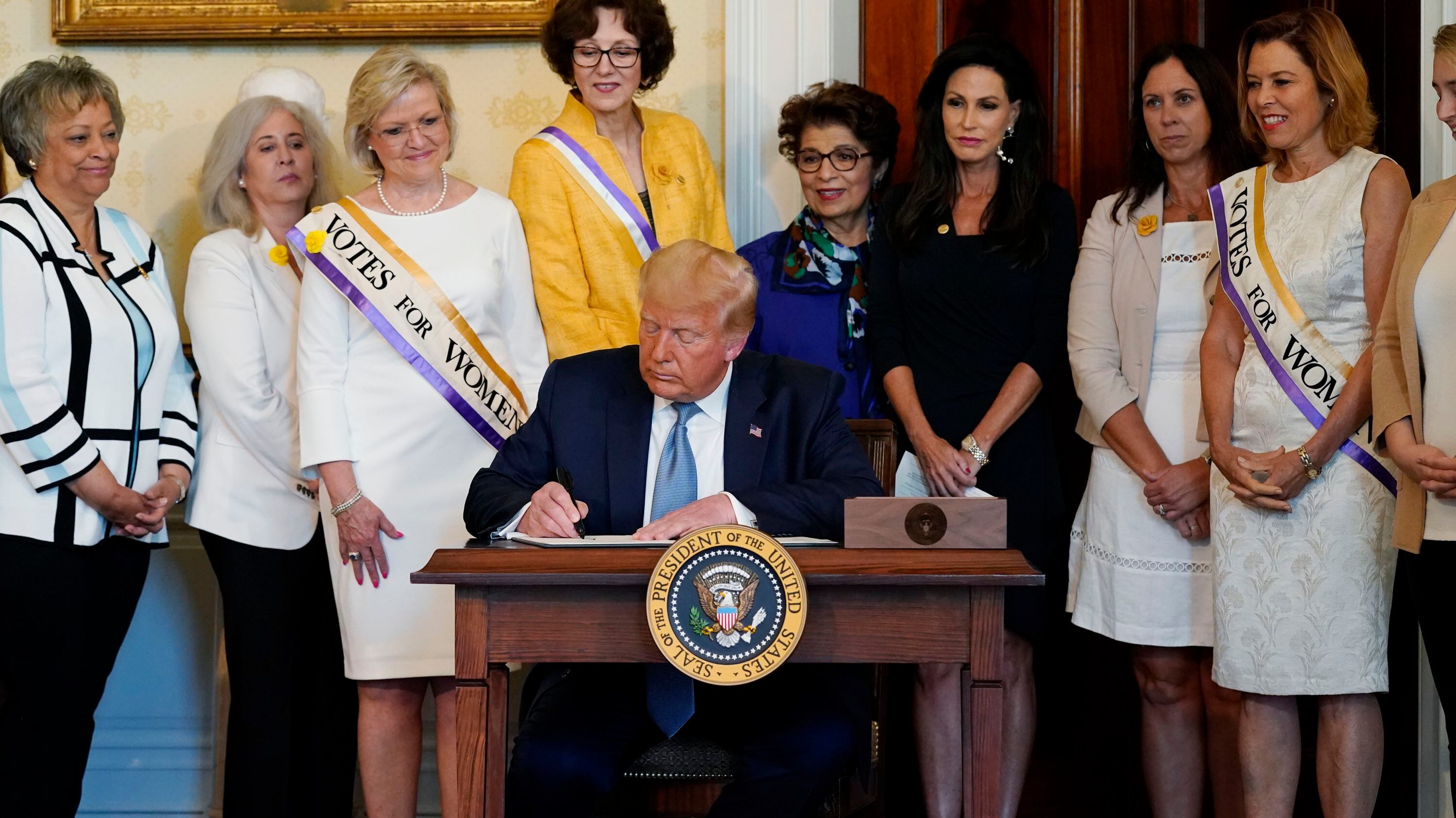
President Donald Trump says he'll pardoned Susan B. Anthony, a leader in the women’s suffrage movement, who was arrested for voting in 1872 in violation of laws permitting only men to vote.
As the USPS rolls back its operational capacity, House Speaker, Nancy Pelosi, is calling ono the postal chief to testify in front of congress. Andrea Thomas Haile, CEO of Vote.org, talks steps states can take to work around USPS limitations.
There was no central meeting place or cheering throng during the all-virtual Democratic National Convention on Monday night. But it was an opportunity for Democrats — and some Republicans — to rally behind Joe Biden, the party's presidential nominee.
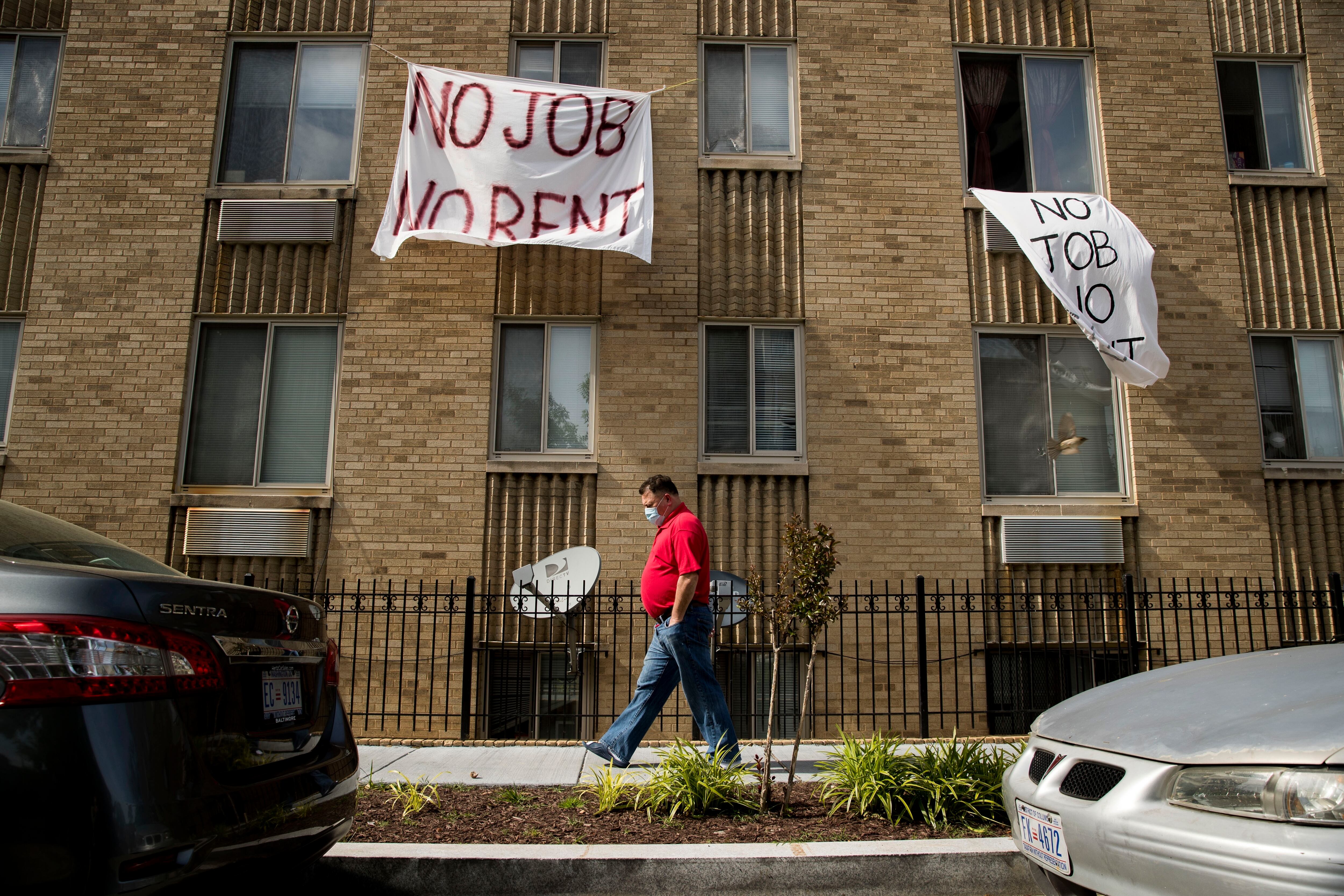
As eviction moratoriums are lifted and extra federal unemployment assistance dries up, there is a broad consensus among housing experts that an evictions crisis is inevitable.
The Democratic Party will convene, sort of, amid a pandemic that has upended the usual pomp-and-circumstance of presidential nominating conventions.
The Department of the Interior has approved an oil and gas leasing program within Alaska’s Arctic National Wildlife Refuge.
From Wall Street to Silicon Valley, these are the top stories that moved markets and had investors, business leaders, and entrepreneurs talking this week on Cheddar.